
Ductile Iron Casting: Essential Benefits & Process
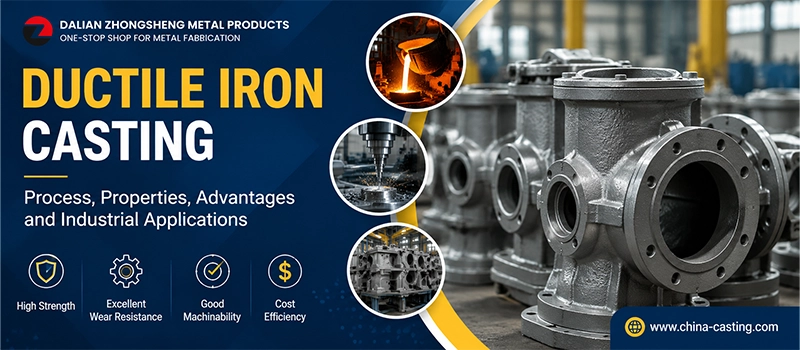
Ductile iron casting is one of the most widely used manufacturing methods for producing strong, durable, and cost-effective metal components. Its unique graphite structure provides superior mechanical properties compared to traditional cast iron while offering a more economical alternative to many steel castings. This article explains what ductile iron casting is, compares it with gray iron and steel casting, explores the manufacturing process, highlights its key advantages, and examines common industrial applications. It also provides practical guidance for selecting a reliable supplier for custom metal parts projects.
Gating and Risering System Design: Improve Casting Quality
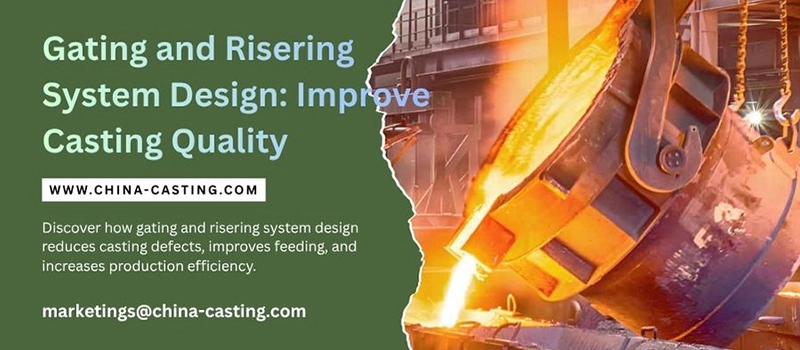
Gating and risering system design plays a vital role in controlling molten metal flow, solidification behavior, and overall casting quality. A properly designed system helps prevent common defects such as shrinkage porosity, misruns, cold shuts, gas porosity, and inclusions while improving casting yield and reducing production costs. This guide explains the fundamentals of gating systems and risering systems, explores their key components, outlines essential design principles, and examines common gating and riser configurations used in modern foundries. By understanding the relationship between metal flow, feeding efficiency, and defect prevention, manufacturers can optimize gating and risering system design to produce higher-quality castings with greater consistency and efficiency.
Quality Control in Investment Casting Guide
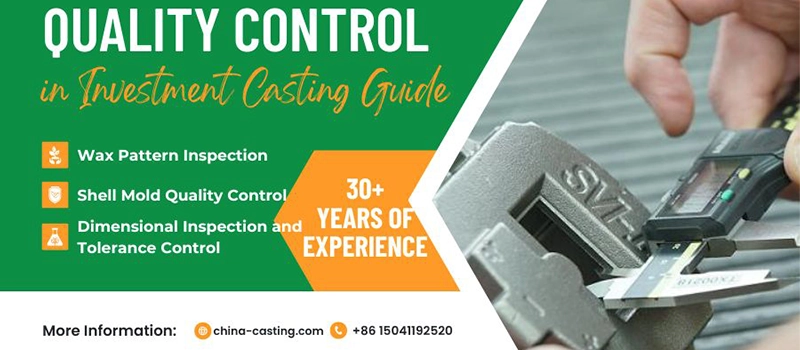
This article explains the key methods used in quality control in investment casting to ensure stable precision casting quality and reduce production defects. It covers raw material inspection, wax pattern verification, shell mold control, pouring and temperature management, dimensional inspection, non-destructive testing, mechanical property testing, and final quality inspection. The article also discusses how strict process control improves casting consistency, dimensional accuracy, and long-term product reliability for industrial applications.
Powerful Silicon Sol Binder Guide for Investment Casting
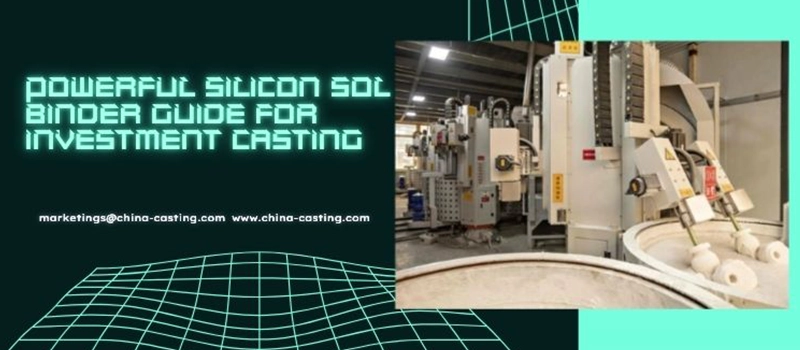
This article explains the role of silica sol binder in modern investment casting, including its composition, working principles, shell-building process, and key advantages. It also compares silica sol systems with water glass binders to help manufacturers better understand their differences in casting quality, precision, and production performance.
Free Machining Carbon Steel Guide for CNC Parts
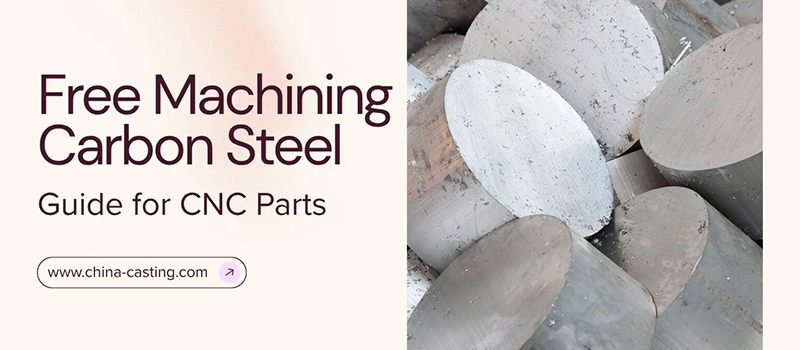
Free Machining Carbon Steel is an important material in modern precision manufacturing and high-volume CNC machining industries. Its optimized chemical composition provides excellent machinability, stable chip control, reduced tool wear, and improved production efficiency. This article explains the main grades of free machining carbon steel, including 1215, 12L14, 1117, and 1144, while also exploring their mechanical properties, machining characteristics, heat treatment methods, surface finishing processes, industrial applications, and material comparisons with stainless steel and alloy steel. The article helps manufacturers and industrial buyers better understand how to select the right free machining carbon steel material for cost-effective and precision machining applications.
Cast Aluminum vs Cast Iron: Best Key Differences
This article provides a comprehensive comparison of cast aluminum vs cast iron, focusing on their material properties, manufacturing processes, mechanical performance, costs, and industrial applications. It explains the major differences in weight, strength, corrosion resistance, thermal conductivity, wear resistance, machinability, and durability. The article also examines how cast aluminum vs cast iron is applied in industries such as automotive, agriculture, mining, construction, industrial machinery, and consumer products. By understanding the advantages and limitations of both materials, manufacturers and buyers can select the most suitable casting solution for specific performance requirements and production goals.
Pad Printing: Powerful Industrial Printing Process Guide
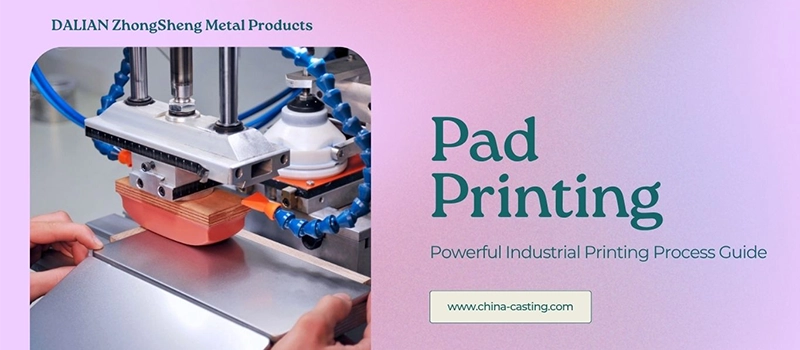
This article explains what pad printing is, how the pad printing process works, and why it is widely used in industrial manufacturing. It also compares pad printing vs screen printing and explores the advantages of precision image transfer on complex product surfaces.
Automation Systems for Die Casting: Ultimate Smart Guide
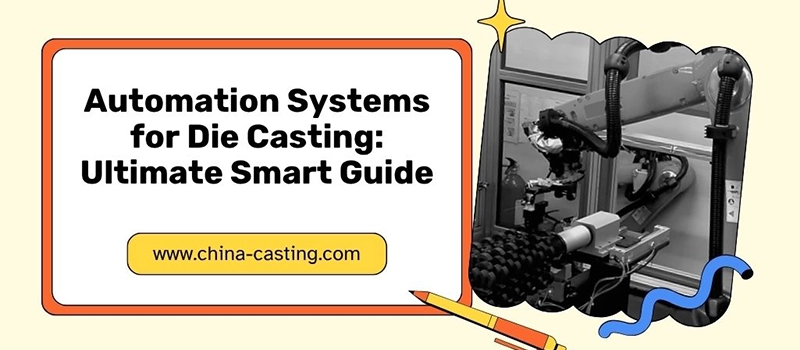
This article explores automation systems for die casting and their role in modern smart manufacturing. It explains the core components of automated die casting production lines, the advantages of robotic automation, key robotic process steps, and the industries most suitable for automated die casting solutions. The article also highlights how intelligent manufacturing technologies help improve efficiency, reduce labor costs, enhance product consistency, and support long-term industrial competitiveness.
Aluminum Alloy AlSi9Cu3: Powerful Properties and Uses
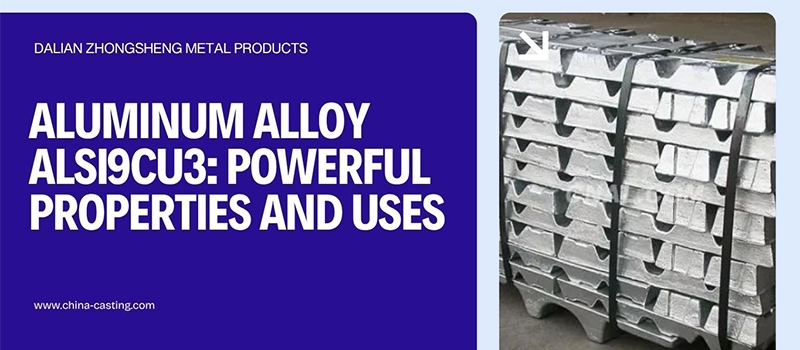
Aluminum Alloy AlSi9Cu3 is one of the most widely used materials in high-pressure die casting manufacturing. This article explores its chemical composition, mechanical properties, physical characteristics, die casting performance, machining capability, and major industrial applications. It also explains why Aluminum Alloy AlSi9Cu3 is widely used in automotive, machinery, electronics, and industrial equipment manufacturing due to its excellent balance of strength, lightweight performance, and production efficiency.
