Free Machining Carbon Steel is one of the most widely used materials in precision CNC machining and high-volume industrial manufacturing. Known for its excellent machinability, stable mechanical performance, and cost-effective processing capabilities, it is commonly used in automotive components, hydraulic fittings, fasteners, shafts, and automatic screw machine parts.
According to data published by the American Iron and Steel Institute (AISI), free machining carbon steels such as 12L14 and 1215 offer significantly higher machinability ratings than standard carbon steels, helping manufacturers reduce tool wear, improve cutting efficiency, and increase production speed. Their superior chip-breaking performance also makes them highly suitable for modern CNC turning and automatic machining operations.
As global manufacturers continue to focus on production efficiency, dimensional accuracy, and cost control, free machining carbon steel remains an essential material for precision industrial applications. This article provides a comprehensive overview of its composition, properties, machining performance, applications, and comparisons with other engineering materials.
What Is Free Machining Carbon Steel?
Free Machining Carbon Steel is a specially engineered carbon steel designed to improve machining efficiency during high-speed manufacturing processes. Compared with standard carbon steel, it offers better chip control, lower cutting resistance, improved surface finish, and longer tool life. These advantages make it one of the most commonly used materials in CNC turning, automatic screw machining, Swiss machining, and precision industrial component production.
The term “free machining” refers to the material’s ability to be cut quickly and efficiently with minimal wear on cutting tools. In industrial manufacturing, machinability is extremely important because it directly affects production speed, machining cost, surface quality, and dimensional accuracy. Materials with poor machinability often generate excessive heat, create long continuous chips, and increase tool consumption. Free machining carbon steel solves many of these problems through controlled chemical composition and optimized metallurgical structure.
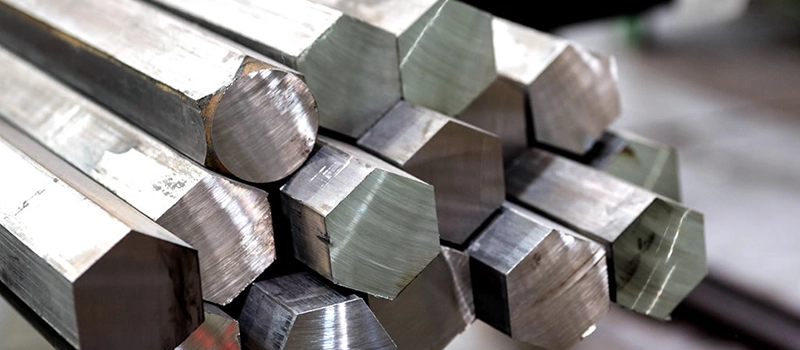
Unlike ordinary low carbon steel, free machining carbon steel contains carefully balanced amounts of sulfur, phosphorus, and manganese. Some grades also contain lead to further improve machining performance. These additional elements play a critical role in reducing friction between the cutting tool and the workpiece while improving chip fragmentation during machining operations.
Sulfur is one of the most important elements in free machining carbon steel. It combines with manganese to form manganese sulfide inclusions within the steel structure. These inclusions act as natural chip breakers during cutting operations. Instead of producing long and tangled chips, the material generates short and controllable chips that are easier to remove from the machining area. This improves machining stability and reduces downtime caused by chip entanglement.
Phosphorus also contributes to improved machinability by increasing the hardness and brittleness of the steel slightly. This allows cleaner cutting action and better surface finish during high-speed machining. However, excessive phosphorus may reduce ductility, so manufacturers carefully control its percentage to maintain balanced mechanical performance.
Manganese serves multiple functions in free machining carbon steel. In addition to combining with sulfur to form manganese sulfide, it also improves strength and hardness. Proper manganese content helps maintain material stability during heat treatment and machining operations.
Some free machining carbon steel grades contain lead, such as 12L14 steel. Lead acts as an internal lubricant during machining by reducing friction at the cutting interface. This significantly improves tool life and machining speed. Leaded grades are widely used for extremely high-volume production of precision parts because they provide excellent surface finish and outstanding machining efficiency. However, environmental regulations in some countries have increased demand for lead-free alternatives in recent years.
The carbon content of free machining carbon steel is usually moderate, allowing manufacturers to balance machinability and mechanical strength. Low-carbon grades provide excellent cutting performance and are commonly used for automatic lathe parts, while medium-carbon grades offer higher strength for structural and mechanical applications.
According to AISI machining standards, certain free machining carbon steel grades can achieve machinability ratings exceeding 150% compared with baseline carbon steel materials. Grades such as 1215 and 12L14 are considered among the easiest steels to machine in industrial manufacturing. Their excellent machinability allows manufacturers to use higher cutting speeds while maintaining dimensional consistency and reducing production costs.
Free machining carbon steel is widely available in multiple international standards, including AISI, SAE, EN, DIN, and JIS systems. Common grades include 1215, 12L14, 1117, and 1144, each offering different balances between strength, machinability, and wear resistance. Manufacturers select specific grades depending on the production process, application requirements, and machining complexity.
In modern CNC manufacturing environments, free machining carbon steel has become an essential material for industries requiring large production volumes and high precision. Automotive fittings, hydraulic connectors, industrial fasteners, valve components, bushings, and precision shafts are commonly manufactured using this material because of its efficiency and cost advantages.
The growing demand for automated machining and precision manufacturing continues to increase the importance of free machining carbon steel worldwide. As manufacturers focus on reducing machining time, minimizing tooling costs, and improving production efficiency, this material remains one of the most practical solutions for high-volume industrial machining applications.
Main Types and Grades of Free Machining Carbon Steel
Free Machining Carbon Steel is available in multiple grades developed for different machining requirements and manufacturing conditions. Although these materials share the same goal of improving machinability, their chemical composition and processing characteristics vary depending on production needs.
Different free machining carbon steel grades are designed to balance machining efficiency, mechanical strength, dimensional stability, and manufacturing cost. In industrial production, selecting the correct grade directly affects machining speed, tool life, and processing consistency.
The most commonly used free machining carbon steel grades are classified under AISI and SAE standards, while equivalent materials are also available in EN, DIN, and JIS systems.
AISI 1215 Free Machining Carbon Steel
AISI 1215 is one of the most widely used low-carbon free machining steels. It contains increased sulfur and phosphorus content to improve chip breaking during machining operations.
This grade is primarily developed for:
- High-speed CNC machining
- Automatic screw machining
- Precision turned parts
- Large-volume production
AISI 1215 is known for its stable machining behavior and efficient production performance in automatic machining environments.
Typical Features of AISI 1215
| Item | Description |
|---|---|
| Carbon Content | Low |
| Machinability | Very High |
| Chip Control | Excellent |
| Surface Finish | Smooth |
| Typical Processing | CNC turning |
AISI 12L14 Free Machining Carbon Steel
AISI 12L14 is a leaded free machining carbon steel developed for extremely high machining efficiency. The addition of lead improves lubrication during cutting operations and helps reduce friction between the cutting tool and the workpiece.
This grade is commonly selected for:
- Precision CNC turned components
- Automatic lathe production
- Complex small parts
- High-speed machining environments
12L14 is widely recognized for its outstanding machining performance and excellent dimensional consistency.
Typical Features of AISI 12L14
| Item | Description |
|---|---|
| Lead Content | Yes |
| Machinability | Outstanding |
| Cutting Stability | Excellent |
| Tool Wear | Low |
| Production Efficiency | Very High |
AISI 1117 Free Machining Carbon Steel
AISI 1117 is a medium-carbon free machining steel containing higher manganese content than 1215 steel. This composition provides improved mechanical strength while maintaining good machining performance.
Compared with low-carbon free machining steels, 1117 is often used when manufacturers require a balance between machinability and structural capability.
Typical Features of AISI 1117
| Item | Description |
|---|---|
| Carbon Content | Medium |
| Strength Level | Moderate |
| Machinability | Good |
| Dimensional Stability | Good |
| Processing Capability | Stable |
AISI 1144 Free Machining Carbon Steel
AISI 1144 is a higher-strength free machining carbon steel often referred to as Stressproof Steel. It is designed for applications requiring improved dimensional stability and fatigue resistance while still maintaining acceptable machining efficiency.
This grade is frequently used in precision machining industries that require tighter tolerances and improved mechanical reliability.
Typical Features of AISI 1144
| Item | Description |
|---|---|
| Strength | High |
| Fatigue Resistance | Good |
| Dimensional Stability | Excellent |
| Machinability | Moderate to High |
| Structural Performance | Strong |
International Standards for Free Machining Carbon Steel
Free machining carbon steel is manufactured under several international material standards. Although naming systems vary by region, many grades provide equivalent machining characteristics and similar chemical compositions.
Common international standards include:
- AISI / SAE (United States)
- EN (Europe)
- DIN (Germany)
- JIS (Japan)
Global manufacturers often compare equivalent grades when sourcing materials for international machining projects and export production.
Mechanical Properties and Machinability of Free Machining Carbon Steel
Free Machining Carbon Steel is widely used in precision manufacturing because it provides an effective balance between machining efficiency and mechanical performance. Compared with ordinary carbon steel, these materials are specifically optimized to reduce cutting resistance, improve chip control, and maintain stable dimensional accuracy during machining operations.
The mechanical properties of free machining carbon steel vary depending on chemical composition, carbon content, and manufacturing processes. Low-carbon grades generally provide superior machinability, while medium-carbon grades offer higher strength and improved wear resistance.
Tensile Strength and Yield Strength
Tensile strength is one of the most important mechanical indicators for free machining carbon steel. It determines the material’s ability to resist deformation and mechanical loading during service.
Low-carbon free machining steels such as 1215 and 12L14 usually provide moderate tensile strength, making them suitable for precision machined components and automatic lathe products. Medium-carbon grades such as 1117 and 1144 offer higher tensile strength and improved structural reliability for industrial mechanical parts.
Yield strength is also critical because it determines the material’s resistance to permanent deformation under stress. Higher-strength free machining steels are commonly selected for shafts, mechanical connectors, and rotating components that operate under continuous loading conditions.
Typical Mechanical Property Range
| Grade | Tensile Strength | Yield Strength | Hardness |
|---|---|---|---|
| 1215 | Moderate | Moderate | Low |
| 12L14 | Moderate | Moderate | Low |
| 1117 | Medium | Medium | Medium |
| 1144 | High | High | Medium to High |
Hardness and Wear Resistance
Hardness directly affects cutting performance, wear resistance, and machining stability. Free machining carbon steel grades with lower hardness are easier to cut and generate less tool wear during high-speed machining.
Low-hardness grades are commonly used in:
- Automatic screw machining
- CNC turning
- Precision threaded parts
- High-volume machining operations
Higher-hardness grades provide improved wear resistance and better structural durability. These materials are often selected for industrial components exposed to repeated mechanical stress or friction.
The hardness of free machining carbon steel can also be adjusted through heat treatment processes depending on application requirements.
Fatigue Performance and Dimensional Stability
Many industrial machined components are subjected to repeated loading cycles during operation. Fatigue performance is therefore an important consideration when selecting free machining carbon steel grades.
Higher-strength grades such as 1144 provide improved fatigue resistance and better dimensional stability during long-term mechanical operation. These characteristics are especially important for rotating shafts, precision spindles, and hydraulic components.
Dimensional stability is another key advantage of properly processed free machining carbon steel. Stable material structure helps manufacturers maintain tight tolerances and reduce machining distortion during CNC operations.
Machinability of Free Machining Carbon Steel
Machinability refers to how easily a material can be cut during machining processes while maintaining acceptable tool life, surface finish, and production efficiency.
Free machining carbon steel is specifically developed to improve machinability compared with standard carbon steel materials. This improvement is mainly achieved through controlled additions of sulfur, phosphorus, and other alloying elements.
These elements help:
- Reduce cutting resistance
- Improve chip breaking
- Lower machining temperatures
- Extend cutting tool life
- Improve surface finish consistency
As a result, manufacturers can increase machining speed while reducing production costs.
Chip Control During Machining
One of the most important advantages of free machining carbon steel is its excellent chip control capability.
During CNC machining, ordinary carbon steel often produces long continuous chips that can:
- Damage cutting tools
- Interrupt machining operations
- Increase machine downtime
- Affect surface quality
Free machining carbon steel produces shorter and more controlled chips because sulfur forms manganese sulfide inclusions inside the steel structure. These inclusions act as chip-breaking points during cutting operations.
Improved chip control allows:
- Faster automated machining
- Better operational safety
- Higher machining consistency
- Reduced maintenance requirements
This is particularly important in automatic lathe production and high-speed CNC machining environments.
Tool Life and Cutting Efficiency
Another major advantage of free machining carbon steel is reduced tool wear.
Because cutting resistance is lower, cutting tools experience:
- Reduced friction
- Lower heat generation
- Less vibration
- Slower edge wear
This allows manufacturers to operate at higher cutting speeds while maintaining longer tool service life.
Longer tool life provides several production benefits:
- Reduced tooling costs
- Less machine downtime
- Higher manufacturing efficiency
- Improved production consistency
These factors are especially important in large-scale industrial machining where even small improvements in cycle time can significantly reduce overall manufacturing costs.
Surface Finish Performance
Free machining carbon steel is also widely valued for its ability to achieve smooth and consistent surface finishes.
Stable chip formation and reduced cutting vibration help improve machining quality during CNC turning and milling operations. This allows manufacturers to produce precision components with improved dimensional accuracy and lower surface roughness.
High-quality surface finish is particularly important for:
- Hydraulic fittings
- Valve components
- Precision threaded parts
- Industrial connectors
- Automotive machined components
The excellent surface finish capability of free machining carbon steel helps reduce secondary finishing operations and improves overall manufacturing efficiency.
CNC Machining Processes for Free Machining Carbon Steel
Free Machining Carbon Steel is specifically developed to improve efficiency in modern machining environments. Its excellent chip-breaking capability, stable cutting performance, and reduced tool wear make it highly suitable for multiple CNC machining processes.
Compared with ordinary carbon steel, free machining carbon steel allows manufacturers to operate at higher cutting speeds while maintaining stable dimensional accuracy and surface quality. This significantly improves production efficiency in large-scale industrial manufacturing.
CNC Turning
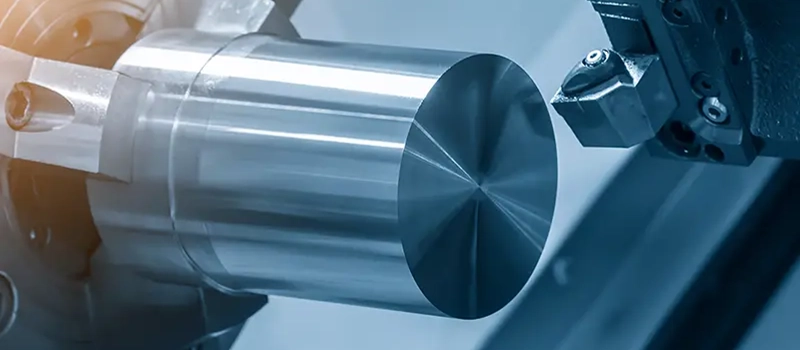
CNC turning is one of the most common machining processes used for free machining carbon steel. During turning operations, the material rotates at high speed while the cutting tool removes excess material to produce cylindrical shapes and precision dimensions.
Free machining carbon steel performs exceptionally well in CNC turning because it produces short and controllable chips. Stable chip control reduces machine interruption and allows continuous automated production.
This machining process is widely used for manufacturing:
- Shafts
- Bushings
- Threaded fittings
- Hydraulic connectors
- Valve components
- Precision industrial parts
Low-carbon grades such as 1215 and 12L14 are especially suitable for high-speed CNC turning because they generate lower cutting resistance and improve surface finish consistency.
Advantages in CNC Turning
| Machining Factor | Performance |
|---|---|
| Chip Control | Excellent |
| Surface Finish | Smooth |
| Tool Wear | Low |
| Production Speed | High |
| Dimensional Stability | Good |
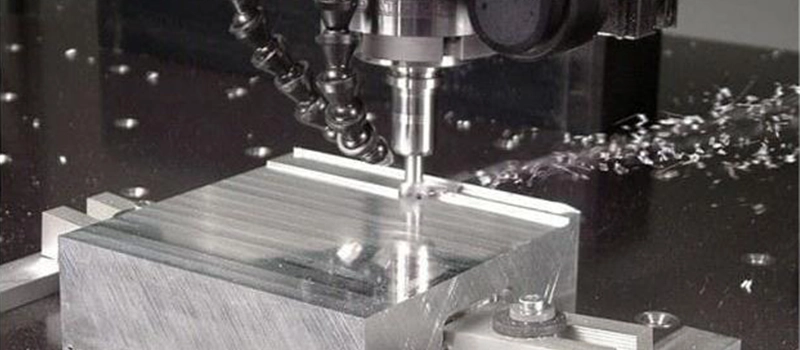
CNC Milling
CNC milling is another important process used for free machining carbon steel components requiring flat surfaces, slots, grooves, or complex geometries.
During milling operations, cutting tools rotate while the workpiece remains fixed or moves along multiple axes. Free machining carbon steel provides stable cutting conditions that help reduce vibration and improve machining accuracy.
Manufacturers commonly use CNC milling for:
- Mechanical brackets
- Precision mounting components
- Industrial plates
- Structural connectors
- Machine parts
Because free machining carbon steel reduces cutting force, milling tools can maintain better stability during high-speed operations. This improves machining precision and reduces edge chipping on cutting tools.
Drilling and Tapping
Drilling and tapping operations benefit significantly from the machinability characteristics of free machining carbon steel.
In ordinary carbon steel, drilling operations may generate excessive heat and long chips that interfere with cutting stability. Free machining carbon steel improves chip evacuation and reduces friction during hole processing.
This allows manufacturers to achieve:
- Faster drilling speed
- Cleaner hole surfaces
- Improved thread quality
- Reduced tool breakage
- Better dimensional consistency
These advantages are especially important in automated production environments where large quantities of threaded components are manufactured continuously.
Common Drilling Applications
- Hydraulic ports
- Threaded fittings
- Fastener holes
- Industrial connectors
- Valve assemblies
Swiss Machining
Swiss machining is a highly precise manufacturing process designed for small and complex components with tight tolerances.
Free machining carbon steel is widely used in Swiss machining because stable chip control and reduced vibration are critical for maintaining machining accuracy on miniature parts.
Swiss machining is commonly used for:
- Precision pins
- Medical components
- Electronic connectors
- Small shafts
- Pneumatic fittings
Materials such as 12L14 are especially suitable for Swiss machining because they allow extremely smooth cutting performance and excellent dimensional consistency.
Automatic Screw Machining
Automatic screw machining is one of the traditional high-volume production methods used for free machining carbon steel components.
This process is designed for rapid manufacturing of small turned parts with minimal manual intervention. Excellent machinability is essential because automatic screw machines operate continuously at high speed.
Free machining carbon steel improves production efficiency by:
- Reducing machine downtime
- Improving chip evacuation
- Lowering tooling replacement frequency
- Increasing machining speed
- Maintaining stable tolerances
Automatic screw machining is widely used for manufacturing:
- Bushings
- Studs
- Fasteners
- Adapters
- Precision fittings
Low-carbon free machining steel grades are particularly suitable for this process because of their superior cutting performance.
Cutting Tool Selection
Selecting appropriate cutting tools is critical for maximizing the machining performance of free machining carbon steel.
Common cutting tool materials include:
- High-speed steel (HSS)
- Carbide tools
- Coated carbide inserts
- Ceramic cutting tools
Carbide tooling is widely preferred in high-speed CNC machining because it provides excellent wear resistance and thermal stability.
Tool geometry also affects machining performance. Proper rake angles and chip breaker designs help improve chip evacuation and reduce cutting vibration.
Important Tool Selection Factors
| Factor | Importance |
|---|---|
| Tool Material | Tool life |
| Cutting Geometry | Chip control |
| Coating Type | Heat resistance |
| Edge Stability | Surface finish |
| Tool Rigidity | Dimensional accuracy |
Cutting Speed and Feed Rate Optimization
Free machining carbon steel allows significantly higher cutting speeds compared with standard carbon steel materials.
Optimized cutting parameters help manufacturers achieve:
- Shorter cycle times
- Improved surface quality
- Lower tooling costs
- Higher machining stability
However, machining parameters must still be adjusted based on:
- Material grade
- Tool material
- Machine rigidity
- Cooling conditions
- Part geometry
Excessive cutting speed may still generate unnecessary heat and reduce tool life, especially during deep cutting operations.
Coolant and Lubrication
Proper coolant selection is essential for maintaining stable machining performance.
Coolants help:
- Reduce cutting temperature
- Improve surface finish
- Extend tool life
- Remove chips efficiently
- Reduce friction
Water-soluble coolants are commonly used for general CNC machining, while oil-based lubricants may be preferred for high-precision threading and automatic screw machining.
In high-speed automated manufacturing, efficient coolant flow is especially important for maintaining production consistency and preventing chip accumulation.
Surface Finish Control
Free machining carbon steel is highly valued for its ability to achieve smooth and stable surface finishes.
Several factors influence surface quality during machining:
- Cutting speed
- Feed rate
- Tool sharpness
- Machine stability
- Material grade
Materials with excellent machinability produce lower cutting vibration and more stable chip formation, resulting in improved surface roughness performance.
High-quality surface finish is particularly important for:
- Hydraulic sealing surfaces
- Precision threaded components
- Valve assemblies
- Automotive machined parts
- Industrial connectors
Stable surface quality also reduces the need for secondary polishing and finishing operations, helping manufacturers lower total production costs.
Heat Treatment and Surface Finishing
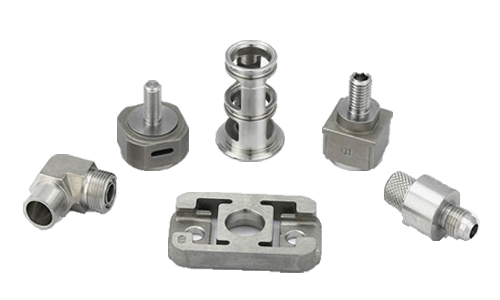
Heat treatment and surface finishing are important processes used to improve the durability, hardness, corrosion resistance, and overall performance of free machining carbon steel components. Although free machining carbon steel is mainly selected for its excellent machining efficiency, many industrial applications require additional processing to enhance mechanical reliability and surface quality.
Different heat treatment methods are used depending on the material grade and application requirements. Proper processing can improve wear resistance, fatigue strength, and dimensional stability while maintaining acceptable machining performance.
Annealing
Annealing is a heat treatment process used to reduce internal stress and improve material uniformity. During annealing, free machining carbon steel is heated to a controlled temperature and then cooled slowly under controlled conditions.
This process helps improve machining stability and makes the material easier to cut during CNC operations. Annealing is especially useful for precision machining applications because it reduces hardness and improves dimensional consistency.
Manufacturers often use annealed free machining carbon steel for automatic machining, CNC turning, and precision threaded components where stable cutting performance is required.
Quenching and Tempering
Quenching and tempering are commonly used to improve the strength and hardness of medium-carbon free machining steel grades.
During quenching, the material is heated and rapidly cooled to increase hardness. Tempering is then performed to reduce brittleness and improve toughness.
This process is often applied to free machining carbon steel parts that require improved wear resistance and structural strength. Components subjected to repeated mechanical loading or rotational stress commonly use quenched and tempered materials to improve long-term reliability.
Although hardness can be significantly increased through heat treatment, excessive hardness may reduce machinability. Manufacturers therefore carefully balance strength requirements and machining efficiency during material processing.
Case Hardening
Case hardening is a surface treatment process that increases the hardness of the outer layer while maintaining a tougher internal core.
This process is widely used for components exposed to friction, wear, or repeated surface contact during operation. Common case hardening methods include carburizing, carbonitriding, and induction hardening.
Free machining carbon steel parts treated with case hardening typically achieve improved wear resistance and longer service life without sacrificing internal toughness.
This process is commonly used for shafts, gears, pins, and mechanical transmission components that operate under continuous mechanical stress.
Black Oxide Surface Treatment
Black oxide is a widely used surface finishing method for free machining carbon steel components. The process creates a thin protective black layer on the material surface without significantly changing part dimensions.
Black oxide treatment improves appearance while providing mild corrosion protection and better oil retention capability. Because the coating thickness is very thin, it is suitable for precision machined components with tight tolerances.
This surface treatment is commonly used for industrial fasteners, tooling parts, machine components, and precision fittings.
Zinc Plating
Zinc plating is one of the most common corrosion protection methods used for free machining carbon steel products.
During this process, a protective zinc layer is applied to the steel surface to prevent oxidation and rust formation. Zinc plating significantly improves corrosion resistance in humid or outdoor environments.
Zinc-plated free machining carbon steel components are widely used in automotive parts, construction hardware, industrial fasteners, and hydraulic systems.
Different zinc plating finishes are available depending on appearance and corrosion resistance requirements.
Nickel Plating
Nickel plating provides improved corrosion resistance, surface hardness, and decorative appearance for free machining carbon steel parts.
Compared with zinc plating, nickel plating offers better wear resistance and enhanced chemical stability. It also improves surface smoothness and helps reduce friction during mechanical operation.
Nickel-plated free machining carbon steel components are commonly used in precision connectors, hydraulic fittings, automotive decorative parts, and industrial mechanical assemblies.
Because of its attractive appearance and protective performance, nickel plating is frequently selected for components requiring both functionality and visual quality.
Corrosion Protection
Free machining carbon steel does not provide strong natural corrosion resistance. As a result, surface finishing is often necessary to protect components from moisture, oxidation, and chemical exposure.
Manufacturers select corrosion protection methods based on environmental conditions, service life requirements, and production cost considerations.
Common corrosion protection solutions include:
- Zinc plating
- Nickel plating
- Black oxide coating
- Oil coating
- Phosphate treatment
Proper corrosion protection significantly improves the durability and operational reliability of free machining carbon steel products in industrial applications.
Advantages of Free Machining Carbon Steel
Free Machining Carbon Steel is widely used in modern manufacturing because it offers significant advantages in machining efficiency, production speed, and overall manufacturing cost. Compared with standard carbon steel materials, it is specifically engineered to improve cutting performance and reduce machining difficulties during large-scale industrial production.
Its excellent machinability makes it one of the preferred materials for CNC machining, automatic lathe processing, and high-volume precision component manufacturing.
Excellent Machinability
The most important advantage of free machining carbon steel is its superior machinability.
The controlled addition of sulfur, phosphorus, and other elements helps reduce cutting resistance and improve chip formation during machining operations. This allows manufacturers to machine components more efficiently with smoother cutting performance.
Compared with ordinary carbon steel, free machining carbon steel provides:
- Easier cutting
- Improved chip breaking
- Reduced cutting vibration
- Better machining stability
- Smoother surface finish
These characteristics are especially important in automated CNC machining environments where stable cutting conditions directly affect production efficiency.
Higher Production Efficiency
Free machining carbon steel allows manufacturers to use higher cutting speeds and feed rates without significantly increasing tool wear.
As a result, machining cycle times can be reduced substantially during mass production operations. Faster machining speed improves machine utilization and increases overall manufacturing output.
In high-volume industrial production, even small reductions in machining time can significantly lower total manufacturing cost over long production runs.
This advantage makes free machining carbon steel highly suitable for:
- CNC turning
- Automatic screw machining
- Swiss machining
- Precision industrial production
- Automated manufacturing systems
Reduced Tool Wear
Another major advantage of free machining carbon steel is reduced wear on cutting tools.
Because the material generates lower cutting resistance and better chip control, machining temperatures remain more stable during cutting operations. This reduces friction between the cutting tool and the workpiece.
Lower tool wear provides several important benefits:
- Longer tool life
- Reduced tooling replacement frequency
- Lower maintenance cost
- Improved machining consistency
- Reduced machine downtime
These advantages are extremely valuable in continuous production environments where machine interruption directly affects manufacturing efficiency.
Excellent Chip Control
Chip control is one of the key factors influencing machining performance.
Ordinary carbon steel often produces long continuous chips during machining, which can create operational problems such as:
- Tool damage
- Chip entanglement
- Machine interruption
- Poor surface quality
- Increased maintenance requirements
Free machining carbon steel produces short and controllable chips because of its optimized metallurgical structure. Improved chip breaking allows chips to evacuate more efficiently from the cutting area.
This significantly improves:
- Automated machining stability
- Operator safety
- Production continuity
- Surface finish quality
- CNC machining reliability
Excellent chip control is especially important in high-speed automatic machining systems.
Better Surface Finish
Free machining carbon steel is widely recognized for its ability to achieve smooth and consistent surface finishes during machining operations.
Stable cutting performance and reduced vibration help manufacturers maintain high surface quality without excessive secondary finishing operations.
Improved surface finish is important for many industrial components, including:
- Hydraulic fittings
- Precision connectors
- Valve components
- Automotive machined parts
- Threaded industrial components
Better surface quality also improves dimensional accuracy and overall product appearance.
Improved Dimensional Consistency
Dimensional consistency is critical in precision manufacturing industries.
Free machining carbon steel provides stable cutting characteristics that help reduce machining variation during production. Lower cutting force and improved chip evacuation contribute to more accurate machining performance.
This allows manufacturers to maintain tight tolerances more effectively during:
- CNC turning
- Precision drilling
- Thread cutting
- Multi-axis machining
- Automated production
Stable dimensional control reduces rejection rates and improves assembly compatibility for industrial components.
Lower Overall Manufacturing Cost
One of the most important reasons manufacturers choose free machining carbon steel is its ability to reduce total production cost.
Although raw material cost may vary depending on the grade, improved machining efficiency often produces greater cost savings throughout the manufacturing process.
Cost reduction benefits include:
- Faster machining speed
- Lower tooling cost
- Reduced labor requirements
- Less machine downtime
- Lower scrap rate
- Reduced secondary processing
These advantages make free machining carbon steel highly economical for large-scale industrial manufacturing.
Excellent Compatibility with Automated Manufacturing
Modern manufacturing increasingly relies on automation and continuous production systems.
Free machining carbon steel performs exceptionally well in automated machining environments because of its stable cutting behavior and reliable chip control.
The material is highly compatible with:
- CNC machining centers
- Automatic lathes
- Robotic machining systems
- Swiss machining equipment
- High-speed production lines
Stable machining performance helps manufacturers achieve consistent product quality while maximizing production efficiency.
As industrial automation continues to expand globally, free machining carbon steel remains one of the most practical and efficient materials for precision machining applications.
Limitations and Common Challenges
Although Free Machining Carbon Steel offers excellent machining efficiency and production advantages, it also has certain limitations that manufacturers must consider during material selection and product design. Understanding these challenges is important for balancing machining performance, mechanical requirements, and long-term service reliability.
Different grades of free machining carbon steel may present varying limitations depending on chemical composition and processing conditions.
Lower Weldability
One of the most common limitations of free machining carbon steel is reduced weldability.
The sulfur and phosphorus added to improve machinability can negatively affect welding performance. During welding operations, these elements may increase the risk of:
- Cracking
- Weak weld joints
- Poor fusion quality
- Reduced structural reliability
Leaded free machining steel grades such as 12L14 are especially difficult to weld because lead can create internal defects and reduce weld integrity.
For applications requiring extensive welding, manufacturers often select alternative materials with better welding characteristics.
Limited Corrosion Resistance
Free machining carbon steel does not provide strong natural corrosion resistance.
Without protective surface treatment, the material can be vulnerable to:
- Rust formation
- Oxidation
- Moisture damage
- Chemical corrosion
This limitation is especially important in humid environments, outdoor applications, or industries involving water and chemical exposure.
To improve durability, manufacturers commonly apply protective surface treatments such as:
- Zinc plating
- Nickel plating
- Black oxide coating
- Oil protection
- Phosphate treatment
Proper surface finishing is often necessary to ensure long-term operational reliability.
Reduced Ductility
The same elements that improve machinability can also reduce ductility.
Sulfur inclusions inside the steel structure improve chip breaking during machining, but they may also make the material more brittle compared with standard carbon steel.
Reduced ductility can affect:
- Forming operations
- Bending performance
- Impact resistance
- Structural flexibility
As a result, free machining carbon steel is generally less suitable for applications requiring heavy deformation or high-impact loading.
Manufacturers must carefully evaluate mechanical requirements before selecting highly machinable grades for structural applications.
Environmental Concerns with Leaded Grades
Some free machining carbon steel grades contain lead to improve cutting lubrication and machining efficiency.
Although leaded materials such as 12L14 provide excellent machinability, environmental and regulatory concerns have increased globally in recent years.
Certain industries and export markets now restrict or limit the use of lead-containing materials because of environmental protection requirements and workplace safety standards.
This has encouraged manufacturers to develop and adopt lead-free free machining carbon steel alternatives that still provide acceptable machining performance.
Lead-free grades are becoming increasingly important in industries focused on sustainable manufacturing and environmental compliance.
Lower Strength Compared with Alloy Steel
Most free machining carbon steel grades are optimized primarily for machining efficiency rather than maximum mechanical strength.
Compared with many alloy steels, free machining carbon steel may provide:
- Lower tensile strength
- Reduced wear resistance
- Limited high-temperature performance
- Lower fatigue resistance
For highly demanding structural or heavy-load applications, manufacturers may choose alloy steel materials that offer stronger mechanical performance.
Free machining carbon steel is generally more suitable for precision machined components where production efficiency is the primary requirement.
Challenges in Heat Treatment
Certain free machining carbon steel grades may respond less effectively to heat treatment processes compared with alloy steels.
Low-carbon grades such as 1215 and 12L14 have limited hardening capability because of their relatively low carbon content.
In addition, sulfur inclusions may influence material stability during thermal processing.
Improper heat treatment may cause:
- Dimensional distortion
- Surface cracking
- Reduced machining accuracy
- Internal stress concentration
Manufacturers must carefully control heat treatment parameters to maintain dimensional consistency and avoid quality problems.
Material Selection Trade-Offs
One of the biggest challenges in industrial manufacturing is balancing machinability and mechanical performance.
Materials with extremely high machinability often sacrifice certain structural properties, while stronger materials may be more difficult and expensive to machine.
Manufacturers therefore evaluate multiple factors during material selection, including:
- Machining efficiency
- Mechanical strength
- Surface finish requirements
- Production volume
- Corrosion resistance
- Environmental compliance
- Total manufacturing cost
The optimal material is usually the one that provides the best overall balance for a specific production environment and application requirement.
Despite these limitations, free machining carbon steel remains one of the most widely used materials in precision CNC manufacturing because its production advantages often outweigh its disadvantages in high-volume industrial applications.
Industrial Applications of Free Machining Carbon Steel
Free Machining Carbon Steel is widely used across multiple industries because of its excellent machining efficiency, stable dimensional control, and cost-effective production performance. Its ability to support high-speed CNC machining and automated manufacturing makes it especially valuable for large-scale industrial production.
Manufacturers commonly select free machining carbon steel for components that require precision machining, tight tolerances, and consistent production quality.
Automotive Components
The automotive industry is one of the largest users of free machining carbon steel.
Modern automotive manufacturing requires large quantities of precision machined components produced at high speed and low cost. Free machining carbon steel helps manufacturers achieve stable machining performance while maintaining efficient mass production.
Common automotive applications include:
- Threaded fittings
- Bushings
- Brake system components
- Sensor housings
- Fasteners
- Transmission connectors
Because many automotive parts are produced in extremely large volumes, the improved machining efficiency of free machining carbon steel significantly reduces manufacturing costs and tooling consumption.
Hydraulic and Pneumatic Fittings
Hydraulic and pneumatic systems require precision machined components with accurate threads, smooth sealing surfaces, and stable dimensional tolerances.
Free machining carbon steel is widely used for:
- Hydraulic adapters
- Pneumatic connectors
- Valve bodies
- Couplings
- Hose fittings
- Pressure system components
Excellent surface finish capability is especially important in hydraulic applications because sealing performance directly affects operational reliability.
The material’s stable machining characteristics also improve thread quality during CNC turning and tapping operations.
Industrial Fasteners
Industrial fasteners are commonly manufactured from free machining carbon steel because these components often require high-speed automatic machining and thread processing.
Typical products include:
- Bolts
- Nuts
- Studs
- Screws
- Threaded inserts
- Precision fastening components
Automatic screw machines and CNC lathes can efficiently produce these components using free machining carbon steel while maintaining stable dimensional consistency.
Its excellent chip control also improves productivity during continuous threaded part production.
Precision Shafts and Bushings
Precision shafts and bushings require accurate dimensions, stable roundness, and smooth surface finish.
Free machining carbon steel is frequently selected for these applications because it performs well during:
- CNC turning
- Grinding
- Drilling
- Reaming
- Thread cutting
Shafts and bushings manufactured from free machining carbon steel are widely used in industrial machinery, automation systems, hydraulic equipment, and mechanical assemblies.
Medium-carbon grades such as 1117 and 1144 are commonly selected when additional strength and wear resistance are required.
Valve Components
Valve systems often contain complex machined parts requiring precision threading, smooth sealing surfaces, and stable dimensional accuracy.
Free machining carbon steel is widely used for manufacturing:
- Valve stems
- Valve fittings
- Valve connectors
- Pressure control parts
- Flow control components
Excellent machinability helps manufacturers achieve precise tolerances and improved surface quality during high-speed CNC machining.
This is especially important in hydraulic, pneumatic, and fluid control systems where sealing reliability directly affects equipment performance.
Agricultural Machinery
Agricultural equipment manufacturers frequently use free machining carbon steel for components requiring economical large-scale production and reliable mechanical performance.
Common agricultural machinery applications include:
- Mechanical connectors
- Mounting components
- Hydraulic fittings
- Rotating shafts
- Fastening systems
The material’s cost efficiency and machining stability make it highly suitable for manufacturing large quantities of industrial machinery parts.
Protective surface treatments are often applied to improve corrosion resistance in outdoor operating environments.
Construction and Heavy Equipment
Construction machinery and industrial equipment often require machined metal components produced with stable dimensional consistency and efficient production methods.
Free machining carbon steel is commonly used for:
- Industrial adapters
- Machine fittings
- Structural connectors
- Hydraulic system parts
- Mechanical transmission components
High machining efficiency helps manufacturers reduce production cost while maintaining precision requirements for industrial assemblies.
For applications involving higher mechanical loading, manufacturers may select higher-strength free machining grades or apply heat treatment processes to improve durability.
Electrical and Electronic Hardware
Certain electrical and electronic hardware components also use free machining carbon steel because of its excellent machining precision and surface finish capability.
Typical applications include:
- Connector housings
- Precision threaded components
- Instrument fittings
- Sensor mounting parts
- Electronic hardware assemblies
Small precision parts produced through Swiss machining and automatic lathe machining frequently use free machining carbon steel to maintain production efficiency and dimensional accuracy.
General CNC Machined Components
Free machining carbon steel is widely used for general CNC machined components across many industrial sectors.
Its excellent machinability makes it suitable for producing:
- Custom machined parts
- Precision mechanical components
- Industrial spacers
- Bushings
- Threaded adapters
- Machine assembly parts
Manufacturers often select free machining carbon steel when production efficiency, machining consistency, and cost control are primary priorities.
As global manufacturing continues moving toward automation and high-speed precision production, free machining carbon steel remains one of the most practical materials for CNC machining applications across multiple industries.
Free Machining Carbon Steel vs Stainless Steel and Alloy Steel
| Comparison Factor | Free Machining Carbon Steel | Stainless Steel | Alloy Steel |
|---|---|---|---|
| Machinability | Excellent | Moderate to Poor | Moderate |
| Cutting Speed | High | Lower | Moderate |
| Tool Wear | Low | High | Moderate to High |
| Chip Control | Excellent | Difficult | Moderate |
| Surface Finish | Smooth and Stable | Good but harder to control | Good |
| Corrosion Resistance | Low | Excellent | Moderate |
| Heat Treatment Capability | Moderate | Varies by grade | Excellent |
| Tensile Strength | Moderate to High | Moderate to High | High |
| Wear Resistance | Moderate | Moderate | High |
| Weldability | Limited | Good | Good |
| Production Efficiency | Very High | Lower | Moderate |
| Manufacturing Cost | Low | High | Moderate to High |
| Dimensional Stability | Good | Good | Excellent |
| Automatic Machining Suitability | Excellent | Limited | Moderate |
| CNC Turning Performance | Excellent | More Difficult | Moderate |
| Typical Applications | CNC parts, fittings, fasteners, bushings | Medical, food, marine equipment | Heavy-duty machinery, gears, shafts |
| Main Advantage | Outstanding machinability and low cost | Superior corrosion resistance | High strength and durability |
| Main Limitation | Lower corrosion resistance | Higher machining cost | More difficult machining |
Conclusion
Free Machining Carbon Steel remains one of the most efficient and cost-effective materials for modern CNC machining and automated manufacturing. Its excellent machinability, stable chip control, smooth surface finish, and high production efficiency make it widely used in automotive, hydraulic, industrial, and precision machining applications.
Compared with stainless steel and alloy steel, free machining carbon steel provides significant advantages in machining speed, tooling cost, and large-scale production efficiency. Although it has limitations in corrosion resistance and weldability, proper heat treatment and surface finishing can greatly improve its overall performance.
As global manufacturing continues moving toward automation, precision production, and cost optimization, free machining carbon steel will remain an essential material for high-volume industrial machining operations.