
Die Casting Cycle Time: Better Ways to Save Seconds
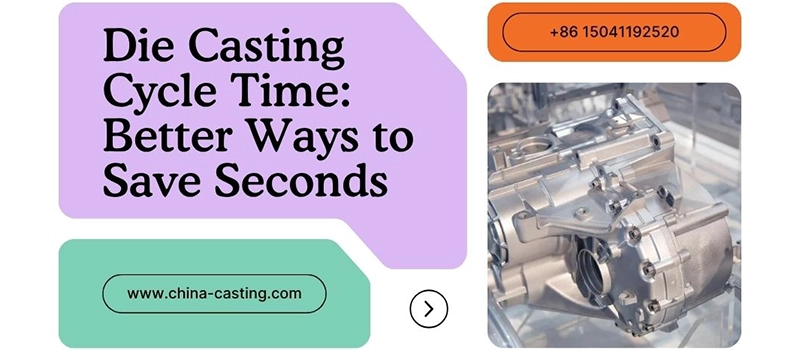
This article explains the meaning of die casting cycle time and why it is critical for production efficiency in modern manufacturing. It compares cycle times for different die casting materials, including aluminum, zinc, and magnesium alloys, while analyzing the major factors that affect production speed. The article also explores practical methods for reducing seconds per shot through optimized cooling systems, automation, mold design, and process control to help manufacturers improve output and lower production costs.
Milling vs Drilling: Critical Differences You Must Know
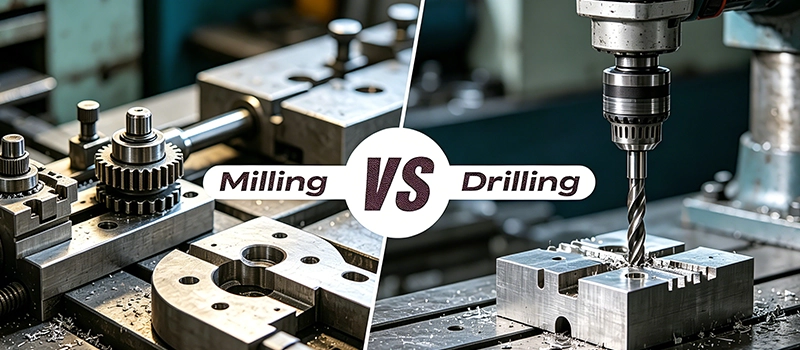
Milling vs Drilling is a fundamental comparison in machining that directly impacts manufacturing efficiency, cost, and product quality. This article provides a detailed breakdown of their core differences, including motion, cutting direction, capability, precision, and cost. It also analyzes the advantages and limitations of each process, helping readers understand when to use milling for complex, high-precision parts and when to rely on drilling for fast, cost-effective hole production. By combining both processes strategically, manufacturers can achieve optimal performance and competitive results.
Hot Cracking in Welding: Dangerous Defects You Must Avoid
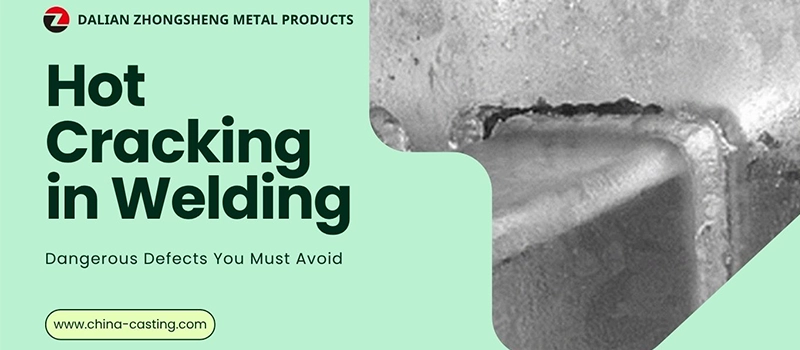
Hot cracking in welding is a critical defect that occurs during weld solidification and can seriously affect structural integrity. This article explains its main types, key causes, sensitive materials, and practical prevention methods to help improve weld quality and reduce failure risks.
Copper Laser Cutting: Ultimate Precision & Application Guide
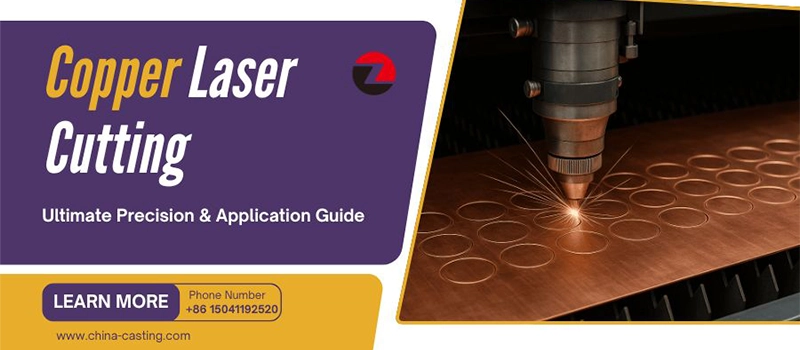
This article explores copper laser cutting, including its working principles, feasibility, and key technologies such as fiber laser cutting copper and CO2 laser cutting copper. It analyzes differences between copper sheet, plate, and tube processing, and explains the advantages of copper laser cutting services. The article also highlights major industrial applications, showing why laser cutting copper is widely used for precision manufacturing across multiple sectors.
Powerful Metal Casting Supplies: Choosing the Right Supplier
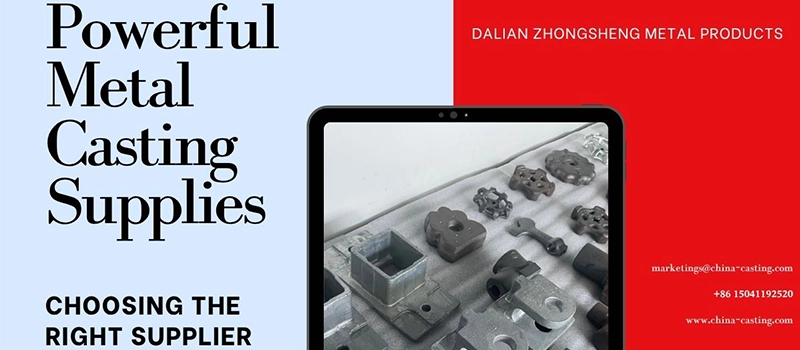
This article explores the critical factors when selecting metal casting supplies for mining equipment. It covers technical capability, material control, production capacity, mold development, machining integration, certifications, delivery reliability, and total cost. The guide helps buyers identify a reliable supplier and improve long-term performance while reducing procurement risks.
Aluminum Corrosion Truth Does Aluminum Rust or Corrode
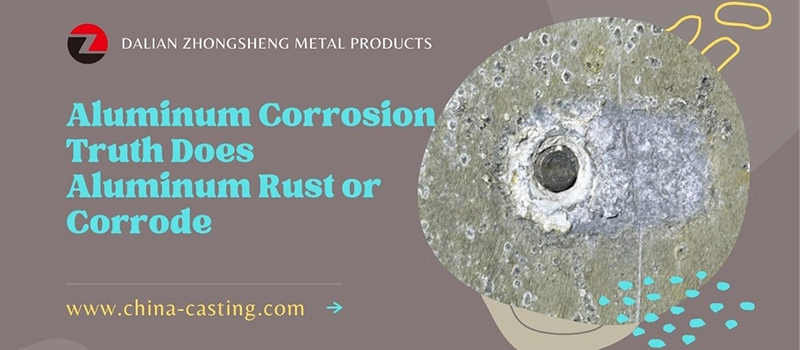
This article explains aluminum corrosion and whether aluminum corrodes or rusts. It clarifies the difference between rust and corrosion, analyzes why aluminum corrosion behaves differently, and explores environmental factors and prevention methods to ensure durability in industrial applications.
8 Types of Wear You Must Know to Prevent Metal Failure
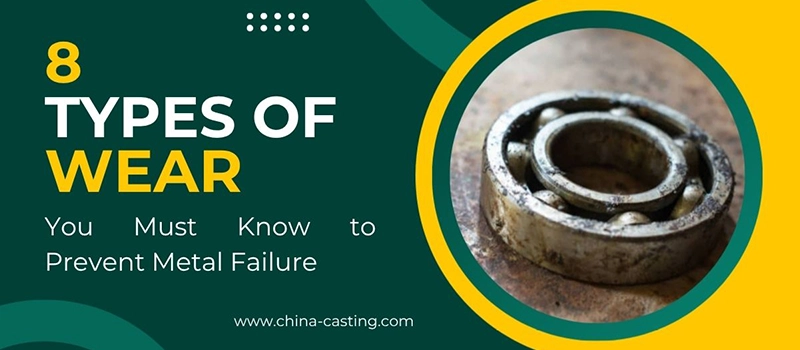
Types of wear are critical factors affecting the performance and lifespan of metal components. This article explains 8 types of wear in detail and analyzes how different metal materials respond to these wear mechanisms, helping engineers improve wear resistance and prevent metal failure in demanding industrial environments.
Die Casting Heat Treatment Processes: Proven Types Guide
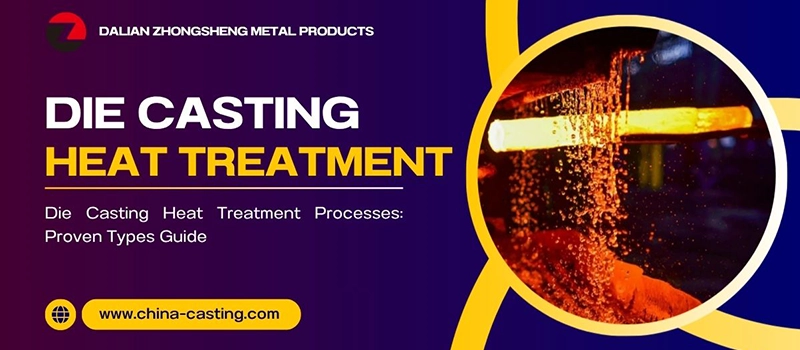
This article provides a comprehensive overview of die casting heat treatment processes, focusing on different types, mechanisms, and applications. It explains how each process affects strength, defects, and cost, and offers practical guidance on selecting the most suitable method based on material, quality, and performance requirements.
Hot Bending: Efficient Metal Forming vs Cold Bending
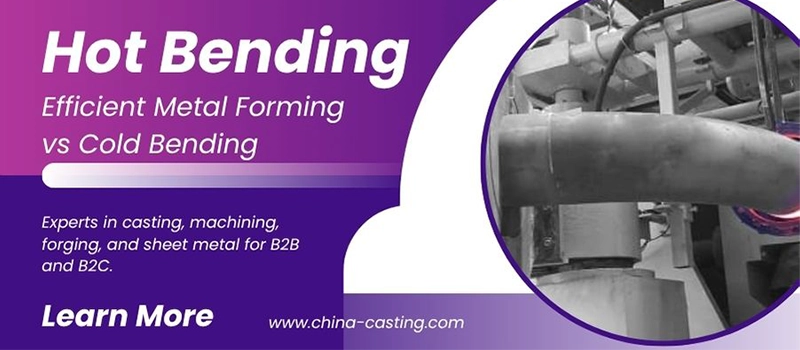
Hot bending is a metal forming process that uses elevated temperatures to reduce material resistance and enable complex shaping. This article explains the hot bending process, temperature requirements, material behavior, and industrial pipe applications, along with a clear comparison between hot bending and cold bending. By understanding these factors, manufacturers can select the right method to improve efficiency, ensure structural integrity, and optimize production outcomes.
