Aluminum Alloy AlSi9Cu3 is one of the most widely used materials in modern die casting manufacturing. Manufacturers today demand lighter components, higher strength, faster production, and lower costs. However, many traditional aluminum alloys struggle to deliver all these advantages at the same time.
This is where Aluminum Alloy AlSi9Cu3 stands out. With excellent casting fluidity, strong mechanical performance, and reliable machining capability, it has become a powerful solution for automotive, industrial machinery, electronics, and high-pressure die casting applications. As global industries continue moving toward lightweight and high-efficiency manufacturing, AlSi9Cu3 is playing an increasingly critical role in modern production.
What Is Aluminum Alloy AlSi9Cu3
Definition of Aluminum Alloy AlSi9Cu3
Aluminum Alloy AlSi9Cu3 is a widely used aluminum-silicon-copper casting alloy developed for high-pressure die casting applications. It is known for its balanced combination of casting performance, mechanical strength, and production efficiency.
The alloy name reflects its main chemical elements. “Al” represents aluminum, “Si9” refers to approximately 9% silicon content, and “Cu3” indicates around 3% copper content. These alloying elements give Aluminum Alloy AlSi9Cu3 excellent fluidity, stable dimensional performance, and good structural strength after casting.
Because of its reliable manufacturing performance, Aluminum Alloy AlSi9Cu3 has become one of the most commonly used die casting materials in automotive, machinery, electronics, and industrial equipment industries worldwide.
International Standards and Equivalent Grades
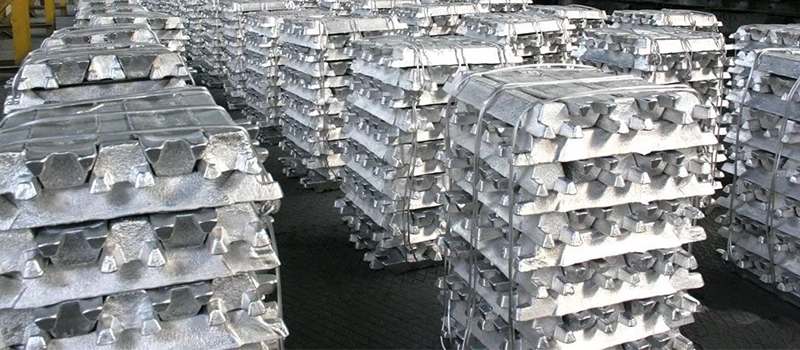
Aluminum Alloy AlSi9Cu3 is recognized under several international material standards. In the European EN 1706 standard, it is commonly classified as EN AC-46000. In Japan, it is often compared with ADC12, while in North America it is closely related to A380 aluminum alloy.
Although these alloys share similar characteristics, Aluminum Alloy AlSi9Cu3 is especially valued for its balanced casting performance and cost efficiency in high-volume production environments.
| Standard | Equivalent Grade |
|---|---|
| EN Standard | EN AC-46000 |
| Japanese Standard | ADC12 |
| American Standard | A380 |
| DIN Standard | AlSi9Cu3 |
Chemical Composition of AlSi9Cu3
The performance of Aluminum Alloy AlSi9Cu3 is strongly influenced by its chemical composition. Each alloying element contributes to the alloy’s casting behavior, strength, hardness, and manufacturing stability.
Typical chemical composition of Aluminum Alloy AlSi9Cu3:
| Element | Percentage |
|---|---|
| Silicon (Si) | 8.0% – 11.0% |
| Copper (Cu) | 2.0% – 4.0% |
| Iron (Fe) | ≤ 1.3% |
| Magnesium (Mg) | ≤ 0.55% |
| Manganese (Mn) | ≤ 0.55% |
| Zinc (Zn) | ≤ 1.2% |
| Aluminum (Al) | Balance |
Silicon improves casting fluidity and reduces shrinkage during solidification. Copper enhances strength and hardness, while iron helps reduce mold sticking during die casting production. Magnesium contributes to improved hardness and overall alloy stability.
This balanced composition allows Aluminum Alloy AlSi9Cu3 to achieve excellent casting performance and stable mechanical properties in mass production environments.
Mechanical Properties of Aluminum Alloy AlSi9Cu3
Aluminum Alloy AlSi9Cu3 provides strong mechanical performance while maintaining lightweight characteristics. This balance makes it suitable for structural and functional industrial components.
Typical mechanical properties include:
| Property | Typical Value |
|---|---|
| Tensile Strength | 240–310 MPa |
| Yield Strength | 140–180 MPa |
| Elongation | 1–3% |
| Hardness | 80–100 HB |
Its tensile strength allows cast components to withstand mechanical loads during operation. The alloy also offers good hardness and wear resistance, helping improve the service life of industrial products.
Because of these properties, Aluminum Alloy AlSi9Cu3 is widely used in applications requiring both lightweight design and stable structural performance.
Physical Properties of AlSi9Cu3
Aluminum Alloy AlSi9Cu3 also offers several important physical advantages for modern manufacturing.
| Property | Value |
|---|---|
| Density | Approx. 2.76 g/cm³ |
| Melting Range | 555–595°C |
| Thermal Conductivity | 90–120 W/m·K |
| Electrical Conductivity | Moderate |
Its low density supports lightweight manufacturing requirements, while its thermal conductivity makes the alloy suitable for heat dissipation applications such as motor housings and electronic enclosures.
These physical characteristics contribute to the growing global demand for Aluminum Alloy AlSi9Cu3 in industrial manufacturing.
Advantages of Aluminum Alloy AlSi9Cu3
Aluminum Alloy AlSi9Cu3 offers an excellent balance between mechanical performance, manufacturing efficiency, and production cost. These advantages make it one of the most widely used die casting aluminum alloys in modern industrial manufacturing.
Excellent Casting Fluidity
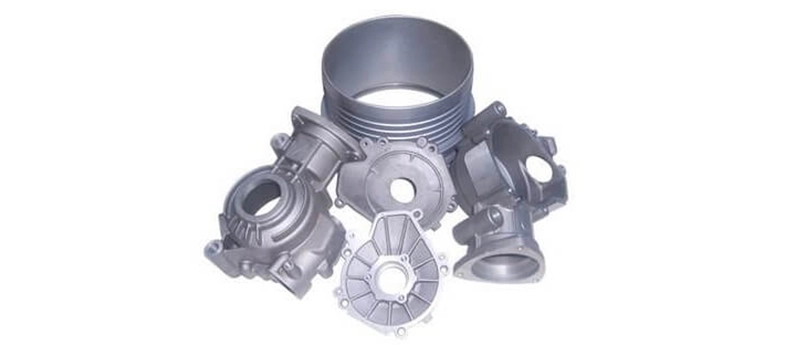
One of the biggest advantages of Aluminum Alloy AlSi9Cu3 is its outstanding casting fluidity. The molten alloy can easily fill complex mold cavities and thin-wall structures during high-pressure die casting. This helps manufacturers produce parts with precise dimensions and stable structural quality.
Good fluidity also reduces casting defects such as incomplete filling and cold shuts, which improves overall production stability.
Strong Mechanical Performance
Aluminum Alloy AlSi9Cu3 combines lightweight characteristics with reliable mechanical strength. The alloy provides good tensile strength, hardness, and wear resistance, allowing cast components to perform well under mechanical stress and industrial operating conditions.
Because of this balance, the alloy is widely used in structural and functional industrial parts.
High Production Efficiency
The alloy is highly suitable for large-scale automated die casting production. Aluminum Alloy AlSi9Cu3 solidifies quickly inside the mold, helping shorten production cycles and improve manufacturing efficiency.
Fast production speed allows manufacturers to reduce overall production costs while maintaining stable product quality.
Good Machining Capability
Aluminum Alloy AlSi9Cu3 also offers reliable machining performance after casting. Manufacturers can perform drilling, milling, tapping, and CNC machining efficiently with good dimensional consistency.
Its stable machining behavior helps reduce tool wear and improves precision during secondary processing operations.
Cost-Effective Manufacturing
Compared with many high-performance engineering materials, Aluminum Alloy AlSi9Cu3 provides excellent cost efficiency. The alloy supports high-volume production with relatively low material waste and stable manufacturing performance.
This cost advantage is one of the main reasons why Aluminum Alloy AlSi9Cu3 remains highly popular in automotive, machinery, electronics, and industrial equipment manufacturing.
Why AlSi9Cu3 Is Ideal for Die Casting and Machining
Excellent Die Casting Performance
Aluminum Alloy AlSi9Cu3 is widely recognized for its excellent die casting performance. This alloy was specifically developed for high-pressure die casting processes, where production speed, dimensional accuracy, and casting stability are critical factors.
One of the most important characteristics of Aluminum Alloy AlSi9Cu3 is its high fluidity during melting and injection. Molten metal can quickly flow into complex mold cavities, allowing manufacturers to produce intricate shapes and thin-wall components with high precision.
This excellent fluidity helps reduce common casting defects such as cold shuts, misruns, and incomplete filling. As a result, manufacturers can achieve better surface quality and more consistent casting results during mass production.
Another important advantage is the alloy’s relatively low shrinkage rate during solidification. Lower shrinkage improves dimensional stability and reduces the risk of deformation after casting. This is especially important for industrial components that require precise tolerances and stable assembly performance.
Aluminum Alloy AlSi9Cu3 also supports high-speed production cycles. The alloy solidifies quickly inside die casting molds, allowing manufacturers to increase production efficiency while maintaining consistent product quality. This is one of the key reasons why the alloy is widely used in large-scale automotive and industrial manufacturing.
Because of its excellent casting behavior, Aluminum Alloy AlSi9Cu3 is highly suitable for producing:
- Thin-wall die casting parts
- Complex geometric structures
- Precision industrial housings
- Large-volume production components
- Lightweight structural parts
These characteristics make Aluminum Alloy AlSi9Cu3 one of the most reliable materials for modern die casting production.
High Pressure Die Casting Compatibility
High-pressure die casting requires materials with excellent thermal stability, rapid mold filling capability, and consistent solidification behavior. Aluminum Alloy AlSi9Cu3 performs exceptionally well in all these areas.
During the high-pressure die casting process, molten aluminum is injected into steel molds at very high speed and pressure. The alloy must maintain stable flow behavior while rapidly filling every section of the mold cavity. Aluminum Alloy AlSi9Cu3 is highly effective in these demanding production environments.
Its balanced silicon content significantly improves mold filling capability and reduces turbulence during injection. This helps minimize internal porosity and improves overall structural integrity.
The alloy also demonstrates excellent compatibility with automated die casting equipment. Manufacturers can maintain stable process parameters across long production runs, which improves consistency and reduces scrap rates.
Another important advantage is thermal stability. Aluminum Alloy AlSi9Cu3 can tolerate rapid heating and cooling cycles during die casting without excessive cracking or dimensional instability. This improves mold life and reduces maintenance costs in long-term production.
Because of these advantages, Aluminum Alloy AlSi9Cu3 is commonly used in high-pressure die casting applications such as:
- Automotive transmission housings
- Engine brackets
- Electric motor housings
- Industrial machinery covers
- Hydraulic system components
Its excellent process compatibility continues to make Aluminum Alloy AlSi9Cu3 one of the most preferred alloys for modern HPDC manufacturing.
CNC Machining Performance
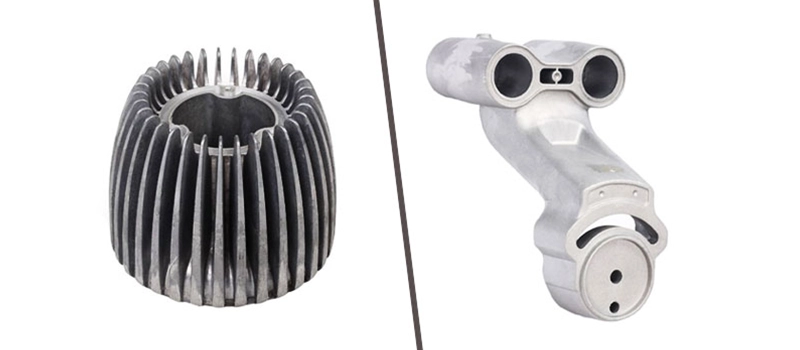
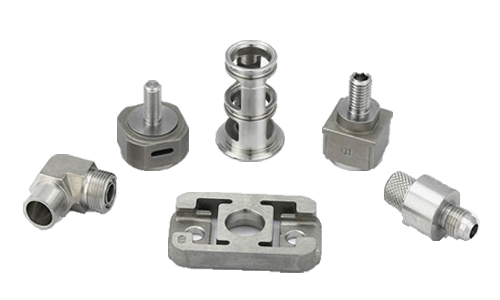
After casting, many industrial components require secondary machining operations to achieve final dimensional precision and assembly requirements. Aluminum Alloy AlSi9Cu3 offers reliable CNC machining performance, making it highly suitable for precision manufacturing.
The alloy can be efficiently processed through:
- CNC milling
- Drilling
- Tapping
- Turning
- Surface finishing
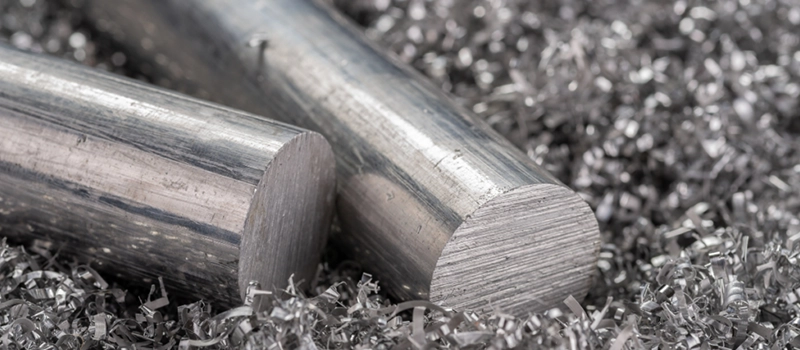
One of the biggest machining advantages of Aluminum Alloy AlSi9Cu3 is its stable cutting behavior. During machining, the material produces relatively consistent chips and allows smooth cutting performance. This helps improve machining efficiency and reduce production downtime.
The alloy also provides good dimensional consistency after machining. Manufacturers can maintain tight tolerances and achieve accurate assembly requirements for industrial components.
Compared with harder engineering metals, Aluminum Alloy AlSi9Cu3 creates less tool wear during machining operations. Reduced tool wear lowers tooling costs and improves long-term manufacturing efficiency.
In addition, the alloy’s good thermal conductivity helps dissipate heat during machining, reducing thermal deformation and improving surface quality.
Because of these advantages, Aluminum Alloy AlSi9Cu3 is widely used in precision-machined die casting parts that require both structural strength and dimensional accuracy.
Surface Finishing and Post Processing
Aluminum Alloy AlSi9Cu3 also supports various surface finishing and post-processing operations that improve appearance, corrosion resistance, and functional performance.
Common surface treatment methods include:
- Powder coating
- Painting
- Sand blasting
- Shot blasting
- Polishing
- Chromate conversion coating
Powder coating is widely used because it provides strong corrosion protection and attractive surface appearance. Sand blasting and shot blasting are commonly applied to improve surface texture and remove casting residues after production.
Polishing can also improve the visual quality of Aluminum Alloy AlSi9Cu3 parts, especially for consumer-facing industrial products and decorative applications.
Although anodizing is technically possible, Aluminum Alloy AlSi9Cu3 is generally not considered the best alloy for decorative anodizing because of its relatively high silicon and copper content. These elements may affect anodized surface consistency and appearance.
Manufacturers typically select surface finishing methods based on:
- Environmental exposure
- Corrosion resistance requirements
- Cosmetic appearance
- Functional coating performance
- Industrial application conditions
Proper surface treatment significantly improves the long-term durability and performance of Aluminum Alloy AlSi9Cu3 components.
Common Industrial Applications of AlSi9Cu3
Automotive Industry Applications
The automotive industry is one of the largest users of Aluminum Alloy AlSi9Cu3. As vehicle manufacturers continue focusing on lightweight design, fuel efficiency, and production cost reduction, demand for high-performance die casting aluminum alloys continues to grow rapidly.
Aluminum Alloy AlSi9Cu3 is widely used in automotive manufacturing because it combines lightweight characteristics with strong mechanical performance and excellent casting efficiency. These advantages allow manufacturers to produce complex automotive components with high dimensional precision and stable structural quality.
Common automotive applications include:
- Transmission housings
- Engine brackets
- Clutch housings
- Oil pump bodies
- Motor housings
- Structural support components
One of the most important trends in the automotive industry is vehicle lightweighting. Reducing overall vehicle weight helps improve fuel efficiency and reduce carbon emissions. Aluminum Alloy AlSi9Cu3 supports this trend by replacing heavier steel or iron components while maintaining sufficient structural strength.
The alloy is also highly suitable for electric vehicle manufacturing. Many EV components require lightweight materials with good thermal conductivity and stable dimensional performance. Aluminum Alloy AlSi9Cu3 performs well in these applications because it can support complex die casting structures while maintaining efficient heat dissipation capability.
Its excellent compatibility with automated high-pressure die casting systems also helps automotive manufacturers achieve large-scale production efficiency and stable product quality.
Industrial Machinery Components
Aluminum Alloy AlSi9Cu3 is widely used in industrial machinery manufacturing because of its reliable mechanical properties, casting stability, and machining capability.
Industrial equipment often requires components with:
- High dimensional accuracy
- Stable structural performance
- Good wear resistance
- Lightweight construction
- Long service life
Aluminum Alloy AlSi9Cu3 meets these requirements effectively, making it suitable for many machinery applications.
Common industrial machinery components include:
- Pump housings
- Hydraulic valve bodies
- Compressor covers
- Gearbox casings
- Pneumatic system components
- Structural machine parts
The alloy’s excellent casting fluidity allows manufacturers to produce complex internal structures and precise geometries that are often required in industrial equipment.
In addition, Aluminum Alloy AlSi9Cu3 supports efficient CNC machining after casting. Manufacturers can easily perform drilling, milling, and precision finishing operations to meet assembly and tolerance requirements.
Because many industrial machines operate continuously under demanding conditions, stable dimensional performance is extremely important. Aluminum Alloy AlSi9Cu3 provides good structural stability and reliable long-term performance in these industrial environments.
Electronics and Electrical Industries
The electronics and electrical industries also use Aluminum Alloy AlSi9Cu3 extensively for structural and heat dissipation components.
Modern electronic devices generate increasing amounts of heat during operation. Effective thermal management is essential for maintaining system stability and extending product lifespan. Aluminum Alloy AlSi9Cu3 offers good thermal conductivity, making it suitable for applications that require efficient heat transfer.
Common applications include:
- Electronic enclosures
- LED heat sinks
- Motor housings
- Power supply casings
- Communication equipment housings
- Industrial control system covers
The alloy’s excellent die casting capability allows manufacturers to produce thin-wall structures and complex cooling geometries that improve heat dissipation efficiency.
Aluminum Alloy AlSi9Cu3 also provides good dimensional stability, which is important for electronic assemblies requiring accurate component positioning and reliable sealing performance.
In addition, its lightweight characteristics help reduce the overall weight of electronic systems while maintaining sufficient structural protection.
Because of these advantages, Aluminum Alloy AlSi9Cu3 has become a common material choice in modern electrical and electronic manufacturing industries.
Agricultural and Construction Equipment
Agricultural machinery and construction equipment often operate in demanding environments that require durable, lightweight, and corrosion-resistant components. Aluminum Alloy AlSi9Cu3 is widely used in these industries because it provides strong mechanical performance and reliable casting quality.
Common applications include:
- Agricultural machinery housings
- Hydraulic system components
- Construction equipment covers
- Structural support parts
- Pump bodies
- Gearbox casings
Compared with heavier traditional materials, Aluminum Alloy AlSi9Cu3 helps reduce equipment weight while improving operational efficiency. Lighter machinery components can improve fuel economy, reduce transportation costs, and simplify equipment handling.
The alloy’s good wear resistance and stable structural performance also help extend the service life of industrial equipment operating under harsh conditions.
Because agricultural and construction machinery often require large-scale production with stable quality, Aluminum Alloy AlSi9Cu3 remains highly suitable for modern automated die casting manufacturing.
Conclusion
Aluminum Alloy AlSi9Cu3 has become one of the most important materials in modern die casting manufacturing. Its excellent casting fluidity, strong mechanical properties, lightweight characteristics, and reliable machining performance make it highly suitable for automotive, industrial machinery, electronics, and heavy equipment applications.
As global industries continue pursuing lightweight production, higher efficiency, and cost-effective manufacturing, Aluminum Alloy AlSi9Cu3 will remain a powerful and widely trusted solution for high-pressure die casting applications worldwide.