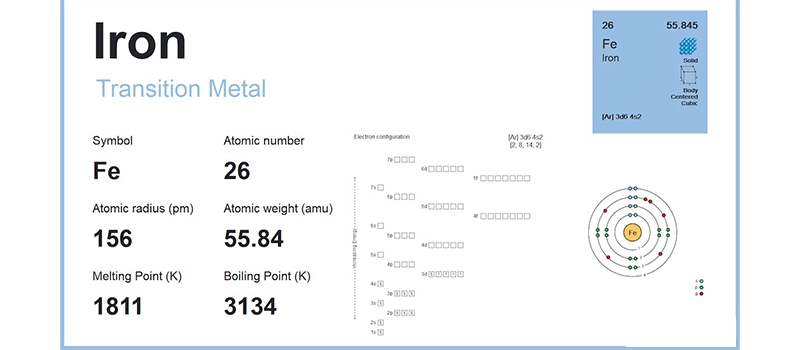
The iron melting point is approximately 1,538°C (2,800°F) for pure iron. However, the melting temperature of cast iron and steel varies depending on their carbon content and alloy composition. Understanding these differences is essential when selecting materials for casting and manufacturing.
Why the Iron Melting Point Matters
If you’re working on a casting project, understanding iron’s melting point is more than just memorizing a number. It helps you understand how the material behaves during melting, pouring, and solidification—three stages that directly impact casting quality and production efficiency.
The melting point of iron, as we refer to it, is the temperature at which pure iron changes from a solid to a liquid state under normal pressure. While the generally accepted melting point value is 1538°C (2800°F), this is primarily used as a reference. In actual production, you rarely melt pure iron. Most castings are made of cast iron or steel, both of which contain alloying elements that alter their melting characteristics.
This distinction is crucial because the effects of melting point extend far beyond furnace temperature settings. It also affects the energy required, the ease with which molten metal flows into the mold, and the ability to consistently produce high-quality castings. Even small differences in melting point can impact production efficiency and the performance of the final product.
In our experience, many buyers focus solely on material grade, neglecting the impact of melting characteristics on the manufacturing process. Understanding iron’s melting point allows for deeper communication with suppliers, more effective evaluation of production processes, and a better understanding of why different iron-based materials are chosen for different applications.
Rather than viewing iron’s melting point as a single numerical value, consider it a starting point for understanding iron’s properties throughout the casting process. Mastering this knowledge helps you make more informed material choices and avoid misunderstandings when reviewing technical specifications or discussing production requirements.
Why Do Different Types of Iron Melt at Different Temperatures?
If you’ve ever compared material specifications, you may have noticed some confusing aspects. Pure iron has a melting point of approximately 1538°C (2800°F), but cast iron typically has a much lower melting point, and different grades of steel also have different melting points.
The reason is simple: you rarely use pure iron directly in the manufacturing process.
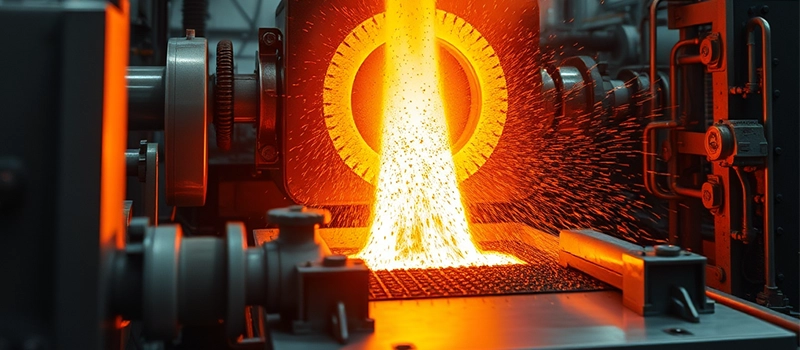
Most industrial parts are made of iron-based alloys, which contain varying amounts of carbon and other alloying elements. These elements alter the metal’s internal structure, directly affecting the temperature required for it to melt.
Pure Iron
Pure iron has a very stable atomic structure and contains almost no alloying elements. Therefore, it requires relatively high temperatures to transition from a solid to a liquid state.
While the melting point of pure iron is often used as a reference in engineering, it is rarely used for commercial castings or machined parts. Instead, it is more often used as a benchmark for comparing other iron-based materials.
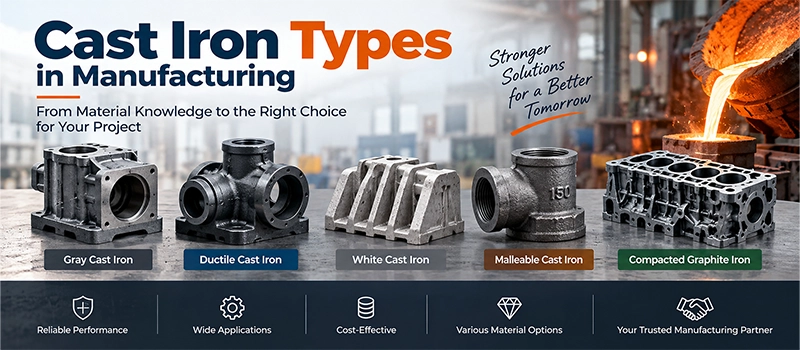
Cast Iron
If your project involves casting, you’re more likely to use cast iron than pure iron.
Cast iron typically contains 2% to 4% carbon, along with small amounts of silicon and other elements. The higher carbon content lowers the material’s melting point, making it easier for molten metal to flow into complex molds.
From a manufacturing perspective, this is a significant advantage. A lower melting point generally means better fluidity, better mold filling, and lower smelting energy consumption.
Steel
Steel differs from pure iron in its properties because it contains carbon and, in many cases, alloying elements such as chromium, nickel, or manganese.
Unlike pure iron, steel’s melting point is not always fixed. Depending on its chemical composition, steel’s melting point typically falls within a temperature range, rather than a single, fixed point. This is why carbon steel, alloy steel, and stainless steel have different melting points.
When choosing materials, it’s crucial to remember that even if two parts look similar, they may require entirely different melting conditions when made from different types of steel.
Why Carbon Makes Such a Big Difference
Of all the elements added to iron, carbon has the greatest impact on the melting point.
As the carbon content increases, the melting point generally decreases. This is one of the main reasons why cast iron melts more easily than pure iron, and why it is a common material for manufacturing complex castings.
Of course, carbon is not the only factor. Elements such as silicon, chromium, nickel, and manganese also affect melting behavior, but carbon is usually the first factor engineers focus on when evaluating differences in the melting properties of different iron-based materials.
Understanding these differences helps you interpret material specifications more accurately and avoids assuming that all iron-based materials behave the same during manufacturing. Once you understand how composition affects the melting point, it becomes easier to understand why different manufacturing processes choose different materials.
Iron Melting Point Comparison
When selecting materials for a casting project, understanding the different melting points of various iron-based materials is only one part of the process. Equally important is understanding how these temperatures perform in actual manufacturing.
The table below provides a brief reference for the melting points of commonly used iron-based materials.
| Material | Typical Melting Point |
|---|---|
| Pure Iron | 1,538°C (2,800°F) |
| Gray Cast Iron | 1,150–1,250°C (2,102–2,282°F) |
| Ductile Cast Iron | 1,140–1,200°C (2,084–2,192°F) |
| White Cast Iron | 1,150–1,230°C (2,102–2,246°F) |
| Carbon Steel | 1,425–1,540°C (2,597–2,804°F) |
| Stainless Steel | 1,370–1,530°C (2,498–2,786°F) |
At first glance, the difference between cast iron and pure iron is obvious: cast iron has a much lower melting point than pure iron. This is one of the main reasons why cast iron is a popular material for manufacturing complex parts. A lower melting point generally means less energy consumption, improved fluidity of the molten metal, and easier filling of complex mold cavities.
Steel, on the other hand, has different properties. The melting point of most steels is not fixed but rather a temperature range because their chemical compositions vary. The specific melting point depends on the carbon content and the addition of alloying elements such as chromium, nickel, or manganese.
In our experience, many buyers believe that materials with higher strength also have higher melting points. However, mechanical properties and melting characteristics are not directly related. A material may have excellent strength but a low melting point because its composition is specifically designed to suit particular manufacturing processes.
Furthermore, it’s important to note that these values should be considered engineering reference values, not fixed production parameters. Actual melting points will vary slightly depending on material specifications, alloy composition, and manufacturing standards. If you are looking at material data sheets from different suppliers, it is normal to find slight differences in the published values.
Instead of focusing solely on a single melting point, these temperatures serve as a practical reference for comparing materials. Understanding the behavior of different iron-based alloys during melting will help you assess material specifications with greater confidence and communicate more effectively with casting suppliers.
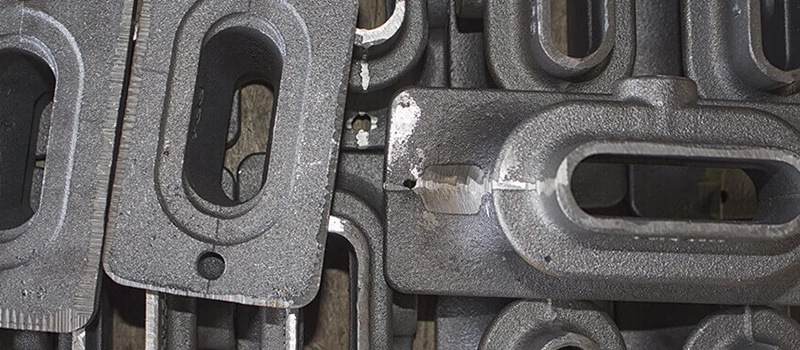
Why the Iron Melting Point Matters in Casting
If you are sourcing custom castings, the melting point of iron is more than just a material property on a datasheet. It directly impacts how the casting is produced, whether quality is consistently met, and the efficiency of the production process.
One of the biggest misconceptions we’ve found is that reaching the melting point means the metal is ready to be cast. In reality, melting is just the beginning. To produce high-quality castings, the molten iron must reach the appropriate state before being poured into the mold.
It Affects Molten Metal Flow
One of the first factors we assess during production is the fluidity of the molten iron.
If the metal lacks sufficient fluidity, it may not be able to completely fill thin-walled areas or complex cavities within the mold. This can lead to casting defects such as incomplete pouring, cold shuts, or incomplete castings.
Selecting suitable materials and controlling the melting process helps ensure smooth flow of molten iron and that it fills every part of the mold as intended.
It Influences Casting Quality
Stable melting conditions are crucial for producing castings with good consistency.
If the molten metal is overheated or held at high temperatures for too long, oxidation may be accelerated, leading to the loss of some alloying elements. On the other hand, if the temperature is too low, the metal may begin to solidify before the mold is fully filled.
Neither of these situations is ideal. Maintaining appropriate melting conditions helps reduce casting defects and improve batch-to-batch dimensional consistency.
It Affects Production Efficiency
Melting iron requires a significant amount of energy, making temperature control a crucial factor in improving production efficiency.
Employing the correct smelting process helps reduce unnecessary energy consumption, shorten production cycles, and increase furnace utilization. These improvements may seem minor, but as mass production progresses, they can significantly reduce manufacturing costs and improve delivery efficiency.
It Helps Ensure Consistent Material Performance
The method of iron smelting also affects the final properties of the casting.
A consistent smelting process helps maintain the desired chemical composition and forms a more stable microstructure after solidification. This contributes to reliable mechanical properties and reduces variability between batches.
In our experience, consistency is often just as important as reaching the target temperature. Customers don’t just expect a single, satisfactory casting; they expect consistent performance across every batch.
Understanding how the melting point of iron affects the casting process makes it easy to see why experienced foundries closely monitor every stage of smelting. Their goal is not merely to melt the metal, but to create the right conditions to produce castings with stable performance, reliable quality, and high efficiency.
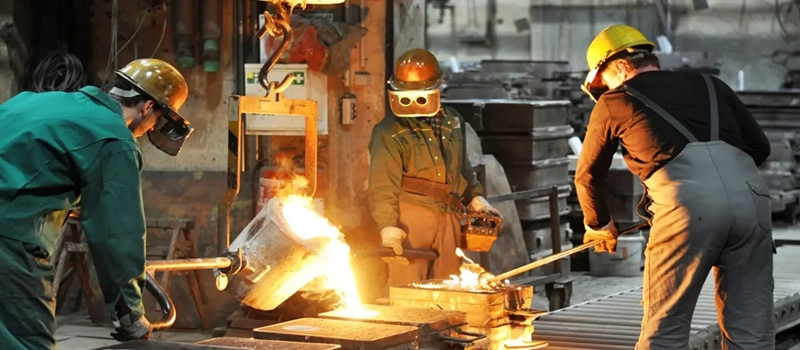
Iron Melting Point vs. Pouring Temperature
One question we hear quite often is:
“If iron melts at 1,538°C, why isn’t it poured into the mold at exactly that temperature?”
The answer is simple: melting point and pouring temperature are not the same concept.
Melting point refers to the temperature at which a solid metal melts into a liquid state. After the metal is completely melted, it needs to reach a suitable pouring state before being poured into the mold. This usually means that it needs to be heated above the melting point to achieve the fluidity required for a stable casting process.
Therefore, foundries do not set the furnace temperature solely based on the material’s melting point. Instead, they determine the appropriate pouring temperature based on the material, casting geometry, mold design, and production process.
The table below lists the differences between the two.
| Material | Typical Melting Point | Typical Pouring Temperature |
|---|---|---|
| Pure Iron | 1,538°C | Rarely used for casting |
| Gray Cast Iron | 1,150–1,250°C | 1,350–1,450°C |
| Ductile Cast Iron | 1,140–1,200°C | 1,380–1,500°C |
| Carbon Steel | 1,425–1,540°C | 1,550–1,650°C |
As you can see, the pouring temperature of molten metal is typically much higher than its melting point. This extra temperature gives the metal the necessary fluidity, allowing it to fill every part of the mold before solidification.
However, higher pouring temperatures are not always better.
If the molten iron is too hot, oxidation will be more severe, some alloying elements may be lost, and the mold will experience greater thermal stress. In some cases, excessively high pouring temperatures can also increase shrinkage cavities or reduce dimensional accuracy.
On the other hand, pouring temperatures that are too low can also lead to a range of different problems. The fluidity of the molten metal may be lost too quickly, making it difficult to fully fill thin-walled or complex structures. This can result in defects such as cold shuts, incomplete pouring, or incomplete castings.
In our experience, successful casting is not about reaching the highest possible temperature, but about maintaining the appropriate temperature throughout the process. Precise control of the pouring temperature improves mold filling, ensures consistency in the solidification process, and helps produce reliable castings, guaranteeing consistent quality across each batch.
When evaluating a supplier’s production capacity, do not focus solely on material grade. Understanding the relationship between melting point and pouring temperature will give you a clearer understanding of how to control the casting process and the important role that temperature management plays in producing high-quality parts.
What Affects the Iron Melting Point?
If you’ve compared different material specifications, you might have noticed that melting points aren’t always listed as the same value. This is because the melting point of iron isn’t determined by a single factor, but varies depending on the material’s chemical composition and manufacturing requirements.
Pure iron has a melting point of approximately 1538°C (2800°F), but most industrial materials contain other elements that alter their melting characteristics. Understanding these factors helps you interpret material data sheets more accurately and select more suitable materials for your projects.
Carbon Content
Carbon has the greatest impact on the melting point of iron.
As the carbon content increases, the melting point generally decreases. This is why cast iron, with a much higher carbon content than steel, has a much lower melting point than pure iron.
A lower melting point also increases the fluidity of the molten metal, making cast iron ideal for manufacturing parts with complex geometries.
Alloying Elements
Iron used in manufacturing rarely contains only iron and carbon.
Elements such as:
- Silicon
- Chromium
- Nickel
- Manganese
- Molybdenum
are often added to improve mechanical properties, corrosion resistance, or wear performance.
These alloying elements can also change the melting characteristics of the material. Depending on the alloy composition, they may either increase or decrease the temperature required during melting.
Material Purity
Another factor is material purity.
Pure iron has a very defined melting point because its chemical composition is highly consistent. In contrast, commercially available ferroalloys contain a certain amount of alloying elements and trace impurities, resulting in a melting point that is not uniform but rather a temperature range.
This is one of the reasons why engineering specifications typically provide a typical melting point range rather than a single melting point.
Manufacturing Requirements
In practice, material selection isn’t based on melting point alone.
When we recommend a material for a casting project, we also consider factors such as:
- Required mechanical strength
- Wear resistance
- Machinability
- Corrosion resistance
- Casting complexity
- Production efficiency
The melting point is just one part of a much larger engineering decision. A material with a slightly lower melting temperature may ultimately deliver better casting quality, lower production costs, or longer service life, depending on your application.
From our experience, the most successful projects begin with understanding the relationship between material composition and manufacturing requirements—not simply selecting a material based on a single physical property. Once you look beyond the melting point itself, it becomes much easier to choose the right iron-based material for your product and achieve consistent manufacturing results.
Frequently Asked Questions
Does iron have an exact melting point?
Pure iron does. Under standard atmospheric pressure, pure iron melts at approximately 1,538°C (2,800°F). However, most iron-based materials used in manufacturing are alloys, so they typically melt over a temperature range rather than at one fixed temperature.
Can iron melt in a home furnace?
In most cases, no. Melting iron requires temperatures above 1,150°C, and pure iron requires about 1,538°C. Most hobby furnaces or propane forges cannot safely and consistently reach or maintain these temperatures. Industrial foundries use specialized induction or cupola furnaces designed for high-temperature metal melting.
Which furnace is commonly used to melt iron?
The answer depends on the production process and output volume.
For modern foundries, induction furnaces are widely used because they provide precise temperature control, high energy efficiency, and cleaner melting conditions. Cupola furnaces are still used in some large-scale cast iron production, while electric arc furnaces are more commonly associated with steel manufacturing.
Does a higher melting point mean a stronger material?
Not necessarily.
Melting point and mechanical strength are different material properties. A material with a lower melting temperature may still provide excellent strength, wear resistance, or toughness after casting and heat treatment. When selecting a material, it’s important to evaluate its overall performance rather than relying on a single property.
Why don’t foundries simply melt iron to its exact melting point?
Because completely melting the metal is only the first step.
To achieve good fluidity and ensure the mold fills properly, the molten metal is typically heated above its melting point before pouring. The exact pouring temperature depends on the material, casting design, mold type, and production process.
Conclusion
The iron melting point is more than just a material specification—it plays an important role in casting quality, production efficiency, and material selection. By understanding how different iron-based materials melt and why those differences matter, you can make better engineering and sourcing decisions. If you’re planning a casting project and need expert advice on material selection or manufacturing, contact our engineering team to discuss your requirements before production begins.