A die casting factory producing 10,000 parts per day can lose hundreds of production hours every year simply because the die casting cycle time is too long. In many cases, reducing the cycle by only 3–5 seconds per shot can dramatically increase output, lower manufacturing costs, and improve delivery speed without purchasing additional equipment.
This is why leading manufacturers continuously optimize every stage of the die casting cycle, from injection and cooling to mold opening and part ejection. However, cycle time is not determined by machine speed alone. Material selection, mold design, wall thickness, cooling efficiency, and automation level all directly affect production performance.
Understanding how die casting cycle time works is essential for manufacturers that want to stay competitive in high-volume production. This article explains the key factors behind cycle time, compares different die casting materials, and explores practical ways to reduce seconds per shot while maintaining stable product quality.
What Is Die Casting Cycle Time?
Die casting cycle time refers to the total time required to complete one full production cycle in the die casting process. It begins when the die closes and ends when the machine is ready for the next shot. In simple terms, die casting cycle time measures how many seconds are needed to produce one casting component.
In modern manufacturing, die casting cycle time is one of the most important indicators of production efficiency. A shorter cycle time usually means higher production output, better machine utilization, and lower manufacturing cost per part. Because of this, manufacturers continuously monitor and optimize cycle time during mass production.
A complete die casting cycle normally includes several sequential stages. Each stage contributes to the total seconds per shot.
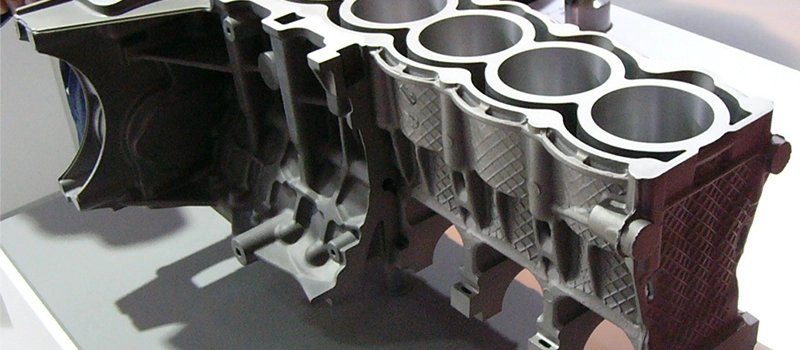
The typical process begins with die closing. The two halves of the mold are tightly clamped together under high pressure to prepare for metal injection. Once the die is fully locked, molten metal is injected into the cavity at high speed.
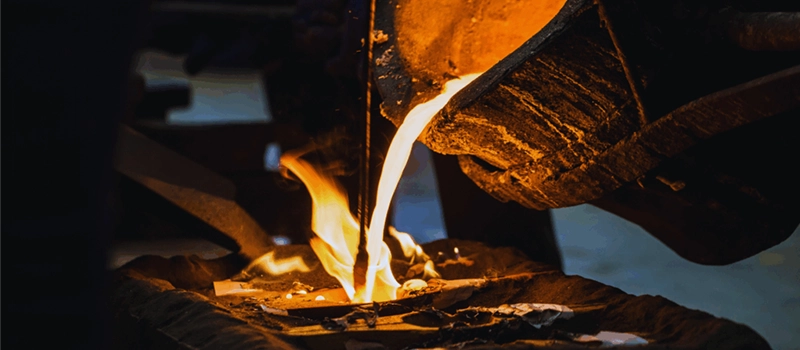
After filling is completed, the molten alloy remains inside the die for cooling and solidification. This stage is critical because the casting must reach sufficient strength before ejection. When cooling is complete, the mold opens automatically and ejector pins remove the finished part from the die cavity.
The machine then sprays lubricant onto the mold surface to control die temperature and reduce sticking during the next cycle. After lubrication is finished, the die closes again and the next production cycle begins.
The complete workflow can be summarized as:
- Die closing
- Metal injection
- Pressure holding
- Cooling and solidification
- Mold opening
- Part ejection
- Die lubrication
- Next cycle preparation
The total time consumed by all these stages is called die casting cycle time.
In the die casting industry, manufacturers often use the term “seconds per shot” to describe cycle efficiency. For example, if one complete production cycle requires 30 seconds, the die casting cycle time is considered 30 seconds per shot.
Different products require different cycle times. Small zinc components may only need a short production cycle, while larger aluminum parts usually require more cooling time. Part geometry, wall thickness, and mold structure also influence how long each cycle takes.
Among all production stages, cooling and solidification usually occupy the largest portion of the total cycle time. This is because the molten alloy must cool enough to maintain dimensional stability before ejection. If the part is removed too early, deformation or surface defects may occur.
For this reason, manufacturers pay close attention to cycle stability during production. A stable die casting cycle time helps maintain consistent product quality and predictable manufacturing output.
Today, cycle time has become an important performance benchmark in high-volume die casting production. Manufacturers that can maintain shorter and more stable production cycles often achieve higher efficiency and stronger market competitiveness.
Why Die Casting Cycle Time Matters
Production Efficiency Directly Depends on Cycle Time
Die casting cycle time is one of the most important factors affecting manufacturing efficiency. In high-volume production, the number of parts produced each day is directly determined by how many seconds each production cycle requires.
A shorter cycle time allows the machine to complete more shots during the same working shift. Even reducing the cycle by only a few seconds can significantly increase total daily output. For manufacturers producing thousands of castings every day, this difference can become extremely important over long production periods.
Because die casting machines are expensive industrial equipment, manufacturers always try to maximize machine productivity. A faster and more stable production cycle helps factories increase output without adding additional machines or production lines.
Cycle Time Has a Major Impact on Manufacturing Cost
Die casting cycle time also directly affects manufacturing cost. Longer production cycles increase machine operating hours, electricity consumption, labor expenses, and equipment wear.
When cycle efficiency is poor, the cost per part becomes higher because fewer products are produced within the same production time. In contrast, optimized cycle times improve production efficiency and help reduce overall operating costs.
This is especially important in industries with high production volumes, such as automotive parts, industrial equipment, electronics, and consumer hardware. In these industries, even small cost differences per component can greatly affect overall profitability.
For many manufacturers, reducing die casting cycle time is one of the fastest ways to improve cost competitiveness.
Faster Cycle Time Improves Delivery Performance
Production lead time is another important reason why die casting cycle time matters. Customers often require stable delivery schedules, especially for large-volume projects and long-term supply agreements.
If the production cycle becomes too slow, manufacturing capacity decreases and delivery pressure increases. This can create delays during peak production periods or urgent orders.
Shorter cycle times allow manufacturers to complete orders faster and improve production flexibility. Factories with stable cycle efficiency are usually better prepared to handle large production demands while maintaining reliable delivery schedules.
For this reason, many buyers evaluate a supplier’s production capability based partly on manufacturing efficiency and production stability.
Machine Utilization Becomes More Efficient
Die casting equipment requires high investment costs. Manufacturers therefore try to maximize the productivity of every machine.
When die casting cycle time is reduced, the same machine can produce more parts within the same operating hours. This improves machine utilization and increases return on equipment investment.
In modern automated factories, efficient cycle management also helps robots, spraying systems, and extraction devices operate more smoothly. Stable production timing improves coordination between automated systems and reduces unnecessary waiting time during production.
As automation becomes more common in die casting manufacturing, cycle stability becomes increasingly important for maintaining efficient continuous production.
Stable Cycle Time Helps Maintain Consistent Quality
Die casting cycle time is not only related to production speed. It also affects casting quality and process consistency.
If production cycles fluctuate excessively, cooling conditions and mold temperatures may become unstable. This can lead to dimensional variation, surface defects, internal porosity, or inconsistent product quality.
A controlled and repeatable cycle helps maintain stable manufacturing conditions throughout mass production. For this reason, manufacturers continuously monitor cycle stability during production operations.
In many factories, engineers regularly analyze cycle data to identify delays or unstable process stages. Optimizing cycle time often improves both productivity and casting consistency at the same time.
Competitive Manufacturers Focus on Cycle Optimization
In today’s competitive manufacturing environment, production efficiency has become a major advantage. Manufacturers that achieve shorter and more stable die casting cycle times can often provide better pricing, faster delivery, and higher production capacity.
As customer expectations continue increasing, cycle optimization is no longer only a technical issue. It has become an important part of overall manufacturing competitiveness.
Different Materials Die Casting Cycle Time Comparison
Different materials produce very different die casting cycle times. In die casting production, alloy properties directly influence cooling speed, solidification time, injection behavior, and overall production efficiency. Because of this, manufacturers must carefully select materials according to product requirements, production volume, and cost targets.
Some alloys can complete production cycles very quickly, while others require longer cooling and stabilization periods. Understanding these differences is important for improving manufacturing efficiency and selecting the most suitable die casting process.
Aluminum Die Casting Cycle Time Seconds Typical
Aluminum alloys are among the most widely used materials in modern die casting production. They are commonly used in automotive components, industrial machinery, electronic housings, and structural parts because of their excellent strength-to-weight ratio and corrosion resistance.
However, aluminum die casting usually requires longer cycle times compared with zinc alloys. One major reason is that aluminum alloys operate at much higher casting temperatures. Higher molten metal temperatures increase the thermal load on the mold and extend cooling and solidification time.
In many production environments, aluminum die casting cycle time seconds typical may range from approximately 25 to 60 seconds per shot depending on:
- Part size
- Wall thickness
- Mold structure
- Cooling efficiency
- Machine tonnage
Large structural aluminum castings may require even longer cycles because thick wall sections retain heat for extended periods.
Cooling and solidification usually occupy the largest portion of the aluminum die casting cycle. Manufacturers therefore place strong emphasis on mold cooling design, thermal balance, and die temperature control when producing aluminum parts.
Although aluminum cycle times are relatively longer, aluminum alloys remain highly popular because they provide excellent mechanical performance and lightweight advantages.
Faster Cycle Time Zinc Die Casting Advantages
Zinc alloys are well known for achieving faster die casting cycle times. Compared with aluminum, zinc has a lower melting temperature and faster solidification characteristics. This allows zinc castings to cool more quickly inside the mold.
In many applications, zinc die casting cycle times may range from approximately 15 to 30 seconds per shot. Small precision components can sometimes operate even faster under highly optimized production conditions.
The faster cycle time zinc die casting process offers several important advantages:
- Higher production efficiency
- Lower energy consumption
- Faster mold cooling
- Better dimensional stability
- Reduced machine operating time
Because zinc solidifies rapidly, manufacturers can achieve high-volume production with very stable cycle consistency. This makes zinc die casting especially suitable for:
- Electronic components
- Hardware products
- Connector housings
- Precision mechanical parts
- Decorative components
Zinc alloys also provide excellent surface finish quality, which often reduces secondary machining requirements.
However, zinc is generally heavier than aluminum and may not be suitable for lightweight structural applications. Material selection therefore depends on both production efficiency and final product requirements.
Magnesium Die Casting Cycle Characteristics
Magnesium alloys are increasingly used in industries that require lightweight components. Compared with aluminum, magnesium offers lower density while still maintaining relatively good mechanical performance.
Magnesium die casting cycle times are often faster than aluminum but slightly slower than zinc in many production situations. Typical magnesium die casting cycles may range between 20 and 45 seconds depending on part complexity and wall thickness.
One important advantage of magnesium is its excellent fluidity during injection. Thin-wall magnesium components can often be produced efficiently with relatively stable cycle times.
Because magnesium alloys cool relatively quickly, manufacturers can achieve good production efficiency while maintaining lightweight product design. For this reason, magnesium die casting is commonly used in:
- Automotive lightweight parts
- Electronic device housings
- Power tool components
- Aerospace applications
At the same time, magnesium processing requires careful safety control because molten magnesium is more reactive than aluminum or zinc.
Why Different Materials Require Different Cooling Times
Material thermal properties are one of the main reasons why die casting cycle times vary between alloys.
Several material characteristics directly influence cooling speed:
- Melting temperature
- Thermal conductivity
- Heat capacity
- Solidification behavior
- Density
Aluminum alloys require more cooling time because they operate at higher temperatures and introduce more heat into the mold. Zinc alloys cool faster because of their lower casting temperatures and rapid solidification characteristics.
Wall thickness also interacts closely with material properties. Thick aluminum sections may require significantly longer cooling periods, while thin-wall zinc components can solidify very quickly.
The relationship between material selection and cycle time is extremely important in high-volume manufacturing. Manufacturers must balance:
- Production speed
- Product strength
- Weight requirements
- Surface quality
- Manufacturing cost
Choosing the correct alloy is therefore not only a design decision but also a production efficiency decision.
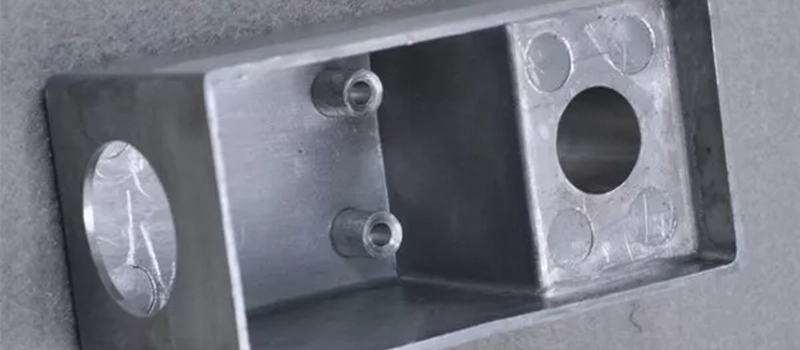
Typical Die Casting Cycle Time Comparison
| Material | Typical Cycle Time | Cooling Speed | Production Efficiency | Common Applications |
|---|---|---|---|---|
| Zinc | 15–30 sec | Very Fast | Very High | Electronics, hardware |
| Aluminum | 25–60 sec | Medium | High | Automotive, machinery |
| Magnesium | 20–45 sec | Fast | High | Lightweight structures |
This comparison clearly shows how material properties affect overall production speed. Manufacturers seeking extremely high-volume production often prefer zinc alloys because of their faster cycle efficiency. Aluminum remains dominant in structural applications, while magnesium provides advantages for lightweight products requiring balanced performance and productivity.
Main Factors Affecting Die Casting Cycle Time
Many variables influence die casting cycle time during production. Even when manufacturers use the same material and machine, cycle efficiency can still vary greatly depending on mold design, process parameters, cooling performance, and automation level.
In modern die casting production, optimizing cycle time requires careful control of multiple process factors. A problem in one production stage can easily increase total seconds per shot and reduce overall manufacturing efficiency.
Mold Design and Cooling Channels
Mold design is one of the most important factors affecting die casting cycle time. A well-designed mold helps molten metal flow smoothly, cool evenly, and solidify efficiently inside the cavity.
Among all mold-related factors, cooling channel design has the greatest influence on cycle efficiency. Proper cooling channels remove heat quickly from the die surface and reduce solidification time.
If cooling performance is poor, excessive heat remains inside the mold. This increases cooling time and may also create casting defects such as:
- Shrinkage
- Porosity
- Surface deformation
- Dimensional instability
Modern die casting molds often use optimized water-cooling systems to improve thermal balance. Some advanced molds also apply conformal cooling technology to achieve more uniform heat transfer.
Efficient thermal management allows manufacturers to shorten cooling time while maintaining stable casting quality.
Injection Speed and Pressure
Injection speed and pressure also directly influence die casting cycle time. During production, molten metal must fill the mold cavity rapidly before solidification begins.
If injection speed is too slow, filling efficiency decreases and defects may occur. However, excessively high injection speed can create turbulence, trapped gas, and unnecessary process instability.
Pressure holding time is another important factor. After cavity filling is completed, pressure must be maintained long enough to compensate for metal shrinkage during solidification.
Manufacturers continuously optimize:
- Injection velocity
- Filling pressure
- Pressure holding time
- Metal flow behavior
Proper parameter control helps improve production stability and reduce unnecessary delays during each cycle.
Part Geometry and Wall Thickness
Product design strongly affects die casting cycle time. Components with complex geometry usually require longer production cycles because molten metal flow and cooling behavior become more difficult to control.
Wall thickness is especially important. Thin-wall castings generally cool much faster than thick-wall parts. Thick sections retain heat longer and increase solidification time inside the mold.
Large structural castings often require extended cooling periods to maintain dimensional stability before ejection. If the casting is removed too early, deformation or cracking may occur.
Design engineers therefore try to optimize wall thickness distribution whenever possible. Uniform wall structures usually help achieve more stable and efficient production cycles.
Sharp corners, deep ribs, and complex internal structures may also reduce cooling efficiency and increase cycle time.
Mold Temperature Control
Stable mold temperature is critical for maintaining consistent die casting cycle time. If the mold becomes excessively hot during continuous production, cooling efficiency decreases significantly.
Overheated molds can cause:
- Longer solidification time
- Surface defects
- Soldering problems
- Dimensional variation
On the other hand, if mold temperature becomes too low, molten metal may solidify too early during filling.
Manufacturers therefore use temperature control systems to maintain stable thermal conditions throughout production. Automatic thermal monitoring systems are increasingly common in modern die casting factories because they improve both cycle consistency and product quality.
Maintaining thermal balance helps prevent unnecessary production fluctuations and improves overall process efficiency.
Automation and Robot Extraction
Automation has become a major factor in reducing die casting cycle time. In modern production environments, automated systems perform many repetitive operations faster and more consistently than manual labor.
Robotic extraction systems remove finished castings quickly after mold opening. Automated spraying devices apply lubricant with stable timing and controlled spray volume.
Automation helps reduce:
- Waiting time
- Manual handling delays
- Production interruptions
- Cycle instability
Highly automated production lines can maintain very stable seconds per shot during continuous mass production.
Automation also improves worker safety because operators have less direct contact with high-temperature equipment and molten metal.
Machine Stability and Process Parameters
Machine performance directly affects cycle efficiency as well. Stable die casting machines maintain consistent injection pressure, clamping force, and movement speed throughout production.
Poor machine stability may create:
- Inconsistent filling behavior
- Longer waiting times
- Unexpected production interruptions
- Increased defect rates
Regular machine maintenance is therefore important for maintaining efficient cycle performance.
Process parameters must also remain carefully controlled during mass production. Small variations in:
- Metal temperature
- Injection speed
- Cooling time
- Lubrication timing
can all affect overall cycle consistency.
Experienced manufacturers continuously monitor production data and adjust process conditions to maintain optimal cycle efficiency.
Multiple Factors Work Together
In practical production environments, die casting cycle time is rarely controlled by only one factor. Instead, mold design, material properties, cooling efficiency, automation, and machine stability all work together to determine final production speed.
Because these variables interact closely with each other, manufacturers must optimize the entire production system rather than focusing on only one process stage.
Factories that successfully balance all these factors usually achieve shorter cycle times, higher production efficiency, and more stable casting quality.
How to Reduce Die Casting Cycle Time
Reducing die casting cycle time is one of the most effective ways to improve production efficiency and lower manufacturing cost. In high-volume production, even saving a few seconds per shot can significantly increase annual output and improve machine utilization.
However, reducing cycle time is not simply about making the machine operate faster. Excessive speed without proper process control may lead to defects, unstable quality, or increased mold wear. Effective cycle optimization requires balancing production speed, thermal control, and process stability.
Modern manufacturers therefore focus on optimizing every stage of the production cycle to achieve faster and more stable manufacturing performance.
Optimize Cooling System Design
Cooling time usually occupies the largest portion of the total die casting cycle. Because of this, improving cooling efficiency is often the most effective way to reduce total production time.
Well-designed cooling channels help remove heat quickly from the mold surface and improve thermal balance during continuous production. If cooling efficiency is poor, molten metal remains hot for longer periods, increasing solidification time and reducing productivity.
Manufacturers often optimize:
- Cooling channel layout
- Water flow efficiency
- Cooling channel diameter
- Distance between cooling lines and cavity surface
Advanced molds may also use conformal cooling systems to improve heat transfer in complex casting areas.
Efficient cooling design not only shortens cycle time but also improves dimensional stability and casting consistency.
Reduce Mold Spray Time
Lubrication is necessary during die casting production because it helps control mold temperature and prevents the casting from sticking to the die surface.
However, excessive spray time can unnecessarily increase cycle time. In many factories, inefficient manual spraying creates avoidable production delays.
Modern manufacturers increasingly use automatic spraying systems to improve consistency and reduce non-productive time. Automated systems can precisely control:
- Spray duration
- Spray position
- Lubricant quantity
- Spray pressure
Optimized spraying improves production efficiency while maintaining stable mold temperature during continuous operation.
Reducing unnecessary spray time is often one of the easiest methods for improving overall cycle efficiency.
Improve Die Temperature Balance
Stable mold temperature is essential for maintaining efficient cycle performance. If the die becomes too hot, cooling time increases significantly. If the die becomes too cold, filling problems may occur during injection.
Manufacturers therefore try to maintain balanced thermal conditions throughout production.
Several methods help improve thermal stability:
- Optimized cooling circuits
- Controlled lubricant application
- Thermal monitoring systems
- Balanced mold design
- Stable production parameters
A balanced die temperature helps reduce process fluctuation and maintain stable seconds per shot during long production runs.
Stable thermal conditions also improve product consistency and reduce defect risk.
Use Automation Systems
Automation is one of the most important technologies for reducing die casting cycle time in modern factories.
Automated systems perform repetitive operations much faster and more consistently than manual labor. Robotic extraction devices can remove castings immediately after mold opening, while automated sprayers complete lubrication quickly and accurately.
Automation helps reduce:
- Waiting time
- Operator variation
- Manual handling delays
- Production interruptions
In highly automated production lines, every stage of the cycle is carefully synchronized to maximize production efficiency.
Automation also improves workplace safety because operators spend less time near high-temperature molds and molten metal.
Select Suitable Die Casting Alloys
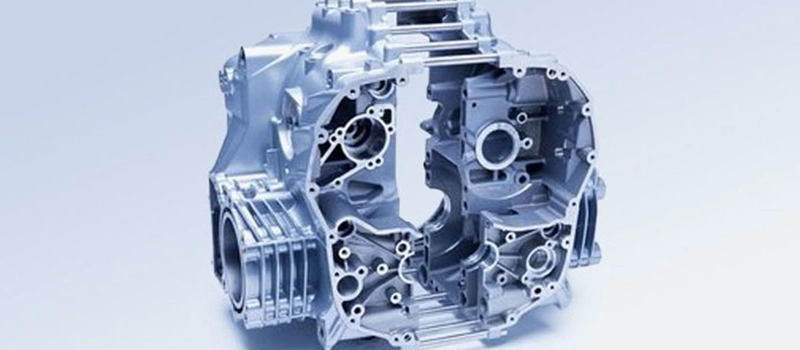
Material selection directly affects cycle efficiency because different alloys cool and solidify at different speeds.
Zinc alloys generally achieve shorter cycle times because they solidify rapidly and operate at lower casting temperatures. Aluminum alloys usually require longer cooling periods due to higher thermal loads.
When production speed is a major priority, manufacturers often evaluate:
- Cooling behavior
- Solidification speed
- Thermal conductivity
- Part performance requirements
Choosing a suitable alloy helps manufacturers balance production efficiency and product performance.
However, material selection must also consider strength, weight, corrosion resistance, and application requirements rather than cycle time alone.
Monitor Production Data in Real Time
Modern die casting factories increasingly use real-time monitoring systems to improve cycle efficiency.
Production monitoring systems continuously track:
- Cycle duration
- Mold temperature
- Injection pressure
- Cooling performance
- Machine status
Engineers can quickly identify abnormal process conditions and correct production delays before they affect output efficiency.
Real-time monitoring also helps manufacturers maintain stable production conditions during long manufacturing runs.
Some advanced factories use intelligent analysis systems to optimize production parameters automatically based on operating data. This allows manufacturers to maintain faster and more consistent cycle performance.
Small Time Reductions Create Large Production Gains
One important reason manufacturers focus heavily on cycle optimization is that even small improvements can create significant long-term benefits.
For example, reducing cycle time by only 5 seconds may allow thousands of additional parts to be produced annually on a single machine.
Shorter cycles help manufacturers:
- Increase output capacity
- Reduce manufacturing cost
- Improve delivery speed
- Increase equipment utilization
- Strengthen market competitiveness
In high-volume production environments, cycle optimization often becomes one of the fastest ways to improve overall manufacturing efficiency without major equipment investment.
Conclusion
Die casting cycle time plays a critical role in determining production efficiency, manufacturing cost, and overall competitiveness in modern die casting operations. From material selection and mold design to cooling performance and automation systems, every stage of the process directly affects seconds per shot. Manufacturers that successfully optimize cycle time can increase output capacity, improve machine utilization, reduce operating costs, and maintain more stable product quality. In high-volume manufacturing environments, even small reductions in cycle time can create significant long-term production advantages.