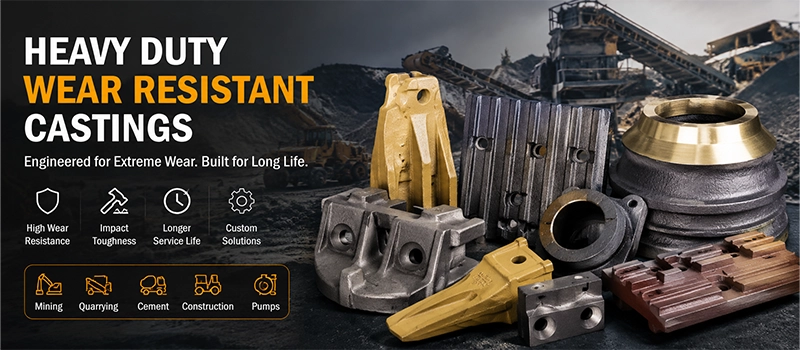
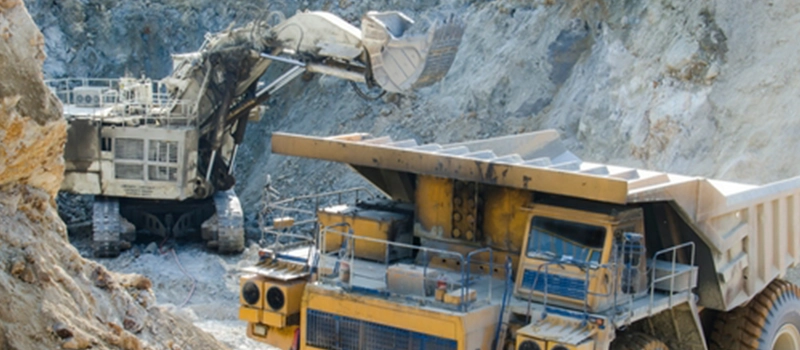
Metal casting supplies play a critical role in the performance and reliability of modern mining equipment. In the mining industry, machinery operates under extremely harsh conditions—constant abrasion, high impact loads, and exposure to corrosive environments. Core components such as crusher parts, mill liners, and structural supports are heavily dependent on high-quality casting metal supplies to maintain durability and operational efficiency. Any compromise in the quality of these metal casting supplies can result in premature wear, unexpected equipment failure, and costly downtime that directly affects production output.
For global buyers, sourcing the right metal casting supplier is no longer just about price. It is about ensuring that every component meets strict material standards, precise dimensional tolerances, and long service life requirements. The complexity of mining parts often demands customized solutions, making the role of a reliable custom metal casting supplier even more critical. In this context, selecting the right partner for metal casting supplies becomes a strategic decision rather than a routine procurement task.
This is why understanding the critical factors when choosing a supplier is essential. From engineering capability to quality control and delivery reliability, each aspect directly impacts the overall value of your metal casting supplies investment.
Technical Capability and Engineering Support
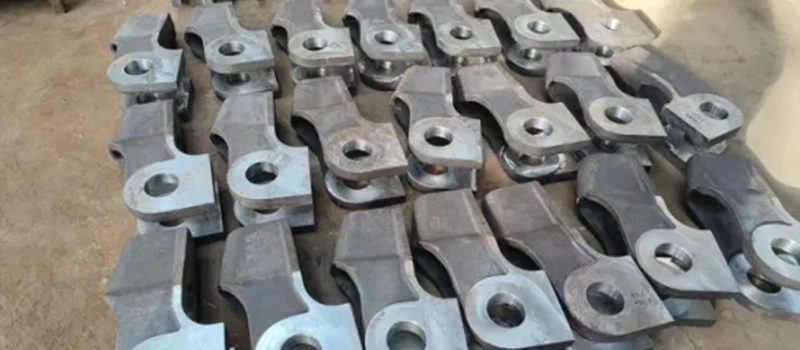
When sourcing metal casting supplies for mining equipment, technical capability is the most fundamental factor. Mining parts are typically complex, large, and subject to extreme working conditions. A qualified metal casting supplier must have the engineering strength to fully understand and execute these requirements.
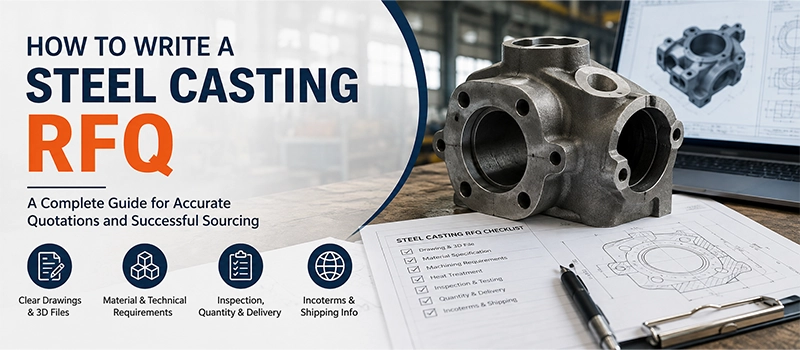
The first requirement is accurate drawing interpretation. Mining components often involve complex structures and critical dimensions. A reliable custom metal casting supplier must be able to analyze drawings in detail and identify potential production risks before manufacturing begins. This includes recognizing areas prone to shrinkage, internal defects, or structural weakness. Without this level of technical review, the final metal casting supplies may not meet performance expectations.
Engineering support also includes process design capability. Different structures require different casting solutions. A competent supplier of metal casting supplies should be able to determine the appropriate casting method, optimize the gating and feeding system, and control solidification behavior. These decisions directly affect the internal quality and mechanical properties of the casting.
Another key aspect is the ability to provide technical feedback. Instead of passively following drawings, an experienced metal casting supplier can suggest design improvements that enhance manufacturability and durability. In mining applications, such improvements can significantly extend service life and reduce failure risks.
In essence, strong technical capability ensures that metal casting supplies are not only produced according to drawings, but also engineered for real working conditions. This is the foundation for achieving reliable performance in mining equipment.
Material Expertise and Quality Control
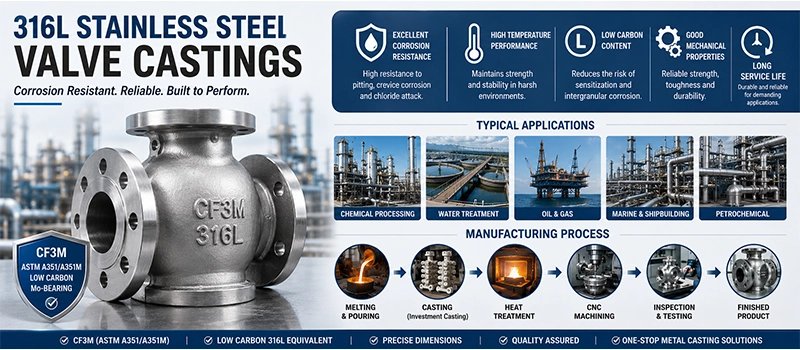
Material expertise is a core factor when evaluating metal casting supplies for mining equipment. Different mining environments place very different demands on materials. High impact, severe abrasion, and corrosion require precise material selection. A reliable metal casting supplier must understand these conditions and match them with the correct material properties.
Mining components such as crusher parts and wear plates often require materials like high manganese steel or alloy steel. Each material has specific characteristics. For example, high manganese steel offers excellent work hardening under impact, while alloy steel provides better overall strength and stability. Without proper material selection, metal casting supplies may fail prematurely, even if the casting process itself is correct.
Quality control is equally important. A professional metal casting supplier must implement strict inspection procedures throughout production. This includes raw material verification, chemical composition analysis, and mechanical property testing. Consistency in material composition ensures that every batch of casting metal supplies performs as expected.
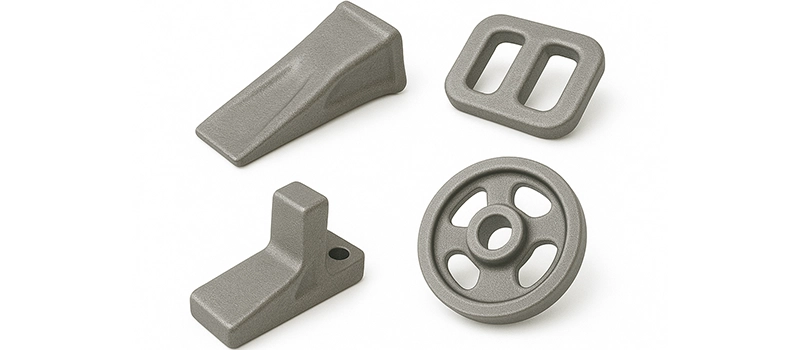
In addition, internal quality control plays a critical role. Defects such as porosity, inclusions, or cracks can significantly reduce the strength of a casting. Reliable suppliers use inspection methods such as ultrasonic testing or magnetic particle inspection to detect these issues before delivery. This ensures that the final metal casting supplies meet the required standards for mining applications.
Traceability is another key aspect of quality control. Each batch of material should be recorded and traceable, allowing issues to be identified and corrected quickly. This is especially important for large or critical mining components where failure can lead to significant losses.
In summary, strong material expertise combined with strict quality control ensures that metal casting supplies can withstand demanding mining conditions and deliver consistent, long-term performance.
Production Capacity and Scalability
Production capacity directly affects the stability of metal casting supplies, especially for mining equipment projects that require consistent and long-term supply. A qualified metal casting supplier must be able to handle both initial orders and future volume increases without compromising quality or delivery time.
Mining projects often involve large components and continuous demand. This requires suppliers to have sufficient production facilities, including melting equipment, molding lines, and heat treatment capacity. Without adequate infrastructure, even a technically capable supplier may struggle to deliver metal casting supplies on time.
Scalability is equally important. A reliable supplier should be able to adjust production according to project needs. Whether the requirement is small batch trial production or high-volume orders, the supplier must maintain consistent quality across all quantities. Inconsistent production often leads to variations in performance, which is unacceptable for critical mining parts.
Process stability is another key factor. Mature suppliers establish standardized production procedures to ensure repeatability. This includes controlled melting processes, stable pouring conditions, and consistent cooling cycles. These factors ensure that each batch of casting metal supplies meets the same performance standards.
In addition, capacity planning plays a crucial role. Experienced suppliers allocate resources effectively to avoid production bottlenecks. This helps maintain delivery schedules even during peak demand periods. For buyers, this reduces the risk of delays that could impact project timelines.
In summary, strong production capacity and scalability ensure that metal casting supplies can be delivered consistently, reliably, and in the required quantities, supporting the long-term needs of mining operations.
Mold Development and Casting Process
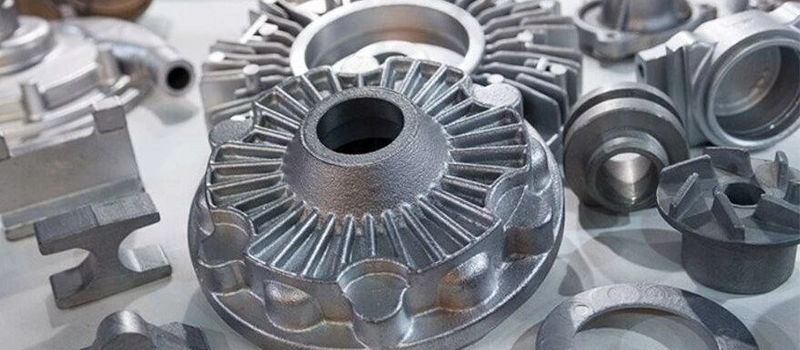
Mold development is a critical step in ensuring the quality of metal casting supplies. For mining parts, molds must accommodate complex shapes, large sizes, and strict dimensional requirements. A capable metal casting supplier must have the ability to design and produce molds that ensure accuracy, stability, and repeatability.
The quality of the mold directly affects the final casting. Poor mold design can lead to defects such as misalignment, deformation, or uneven surfaces. A professional supplier of metal casting supplies carefully plans mold structure, including parting lines, draft angles, and allowances. This ensures smooth mold release and reduces the risk of damage during production.
Casting process selection is equally important. Different parts require different methods, such as sand casting or precision casting. The choice depends on factors like size, complexity, and required surface finish. An experienced metal casting supplier selects the most suitable process to balance quality and cost, ensuring that casting metal supplies meet both performance and economic expectations.
Process control during casting also plays a key role. Parameters such as pouring temperature, cooling rate, and solidification behavior must be carefully managed. Improper control can result in internal defects or inconsistent structure. Reliable suppliers maintain strict process standards to ensure uniform quality across all metal casting supplies.
In summary, strong mold development capability combined with proper casting process selection ensures that metal casting supplies achieve the required accuracy, structural integrity, and performance for demanding mining applications.
Machining Capability Integration
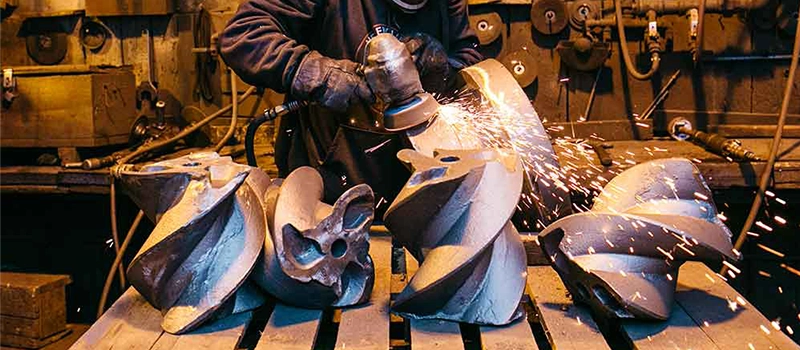
Machining capability determines whether metal casting supplies can meet final dimensional and assembly requirements. For mining equipment, most cast parts require secondary machining to achieve precise tolerances, flatness, and surface finish. A metal casting supplier without sufficient machining capability may deliver semi-finished products that still require additional processing, increasing time and cost.
Integrated capability ensures better control over the entire production process. A supplier that handles both casting and machining can coordinate allowances, tolerances, and finishing requirements from the beginning. This reduces errors caused by misalignment between casting and machining stages. As a result, metal casting supplies are more accurate and consistent.
Precision is especially critical for mining components that must fit into complex assemblies. Poor machining can lead to improper fit, increased wear, or operational instability. A qualified metal casting supplier ensures that machining processes such as milling, drilling, and turning are performed according to strict specifications.
Another important factor is process consistency. When machining is integrated, the same supplier maintains control over quality standards, reducing variability between batches. This is essential for projects requiring repeat orders, where each batch of metal casting supplies must perform identically.
In summary, strong machining capability integration ensures that metal casting supplies are not only structurally sound but also meet precise dimensional requirements, improving overall reliability in mining equipment applications.
Certifications and Compliance
Certifications and compliance are essential indicators of reliability when selecting metal casting supplies for mining equipment. These standards demonstrate that a metal casting supplier operates under recognized quality systems and follows international regulations, which is especially important for export-oriented projects.
A qualified supplier of metal casting supplies should hold certifications such as ISO quality management systems. These certifications ensure that production processes are standardized, documented, and continuously improved. For buyers, this reduces the risk of inconsistent quality and uncontrolled production variations.
Compliance with international market requirements is another key factor. When metal casting supplies are used in global projects, suppliers must meet specific regional standards. This includes proper documentation, technical files, and product conformity declarations. Without these, products may face delays, rejection, or legal issues in destination markets.
In addition, certification is not only about documents, but also about execution. A reliable metal casting supplier applies these standards throughout the entire production process, from raw material control to final inspection. This ensures that every batch of casting metal supplies meets the required specifications.
Traceable documentation is also critical. Buyers should be able to access material reports, inspection records, and production data when needed. This level of transparency provides confidence in the quality and consistency of metal casting supplies.
In summary, certifications and compliance provide a structured guarantee that metal casting supplies meet international standards, reduce procurement risks, and ensure smooth delivery in global mining equipment projects.
Lead Time and Delivery Reliability
Lead time is a critical factor when sourcing metal casting supplies for mining equipment. Mining projects operate on strict schedules, and any delay in component delivery can directly impact installation, operation, and overall project timelines. A reliable metal casting supplier must be able to provide accurate production schedules and consistently meet agreed deadlines.
Production lead time depends on multiple factors, including mold preparation, casting, heat treatment, and inspection. A capable supplier of metal casting supplies plans each stage carefully to avoid delays. This includes coordinating material availability, managing production flow, and ensuring that each process is completed on time. Without proper planning, delays can accumulate and affect final delivery.
Delivery reliability is not only about speed, but also consistency. A dependable metal casting supplier delivers orders on time across multiple batches, not just for a single shipment. This is especially important for mining operations that require continuous replacement of wear parts. Inconsistent delivery can disrupt maintenance schedules and reduce operational efficiency.
Risk control is another important aspect. Experienced suppliers identify potential risks in advance, such as production bottlenecks or logistical issues, and take preventive measures. This ensures that metal casting supplies are delivered as planned, even under challenging conditions.
In summary, stable lead time and reliable delivery ensure that metal casting supplies arrive when needed, supporting smooth operation and reducing the risk of costly project delays.
Total Cost vs Real Value
Cost is one of the most sensitive factors when purchasing metal casting supplies, but focusing only on unit price can lead to higher overall expenses. A professional evaluation should consider total cost rather than initial quotation. This includes not only the product price, but also tooling, quality stability, and potential risks.
The price of metal casting supplies is influenced by raw materials, production processes, and technical requirements. Lower prices often indicate compromises in material quality or process control. For mining parts, this can result in shorter service life and more frequent replacement. In the long run, this increases maintenance costs and operational downtime.
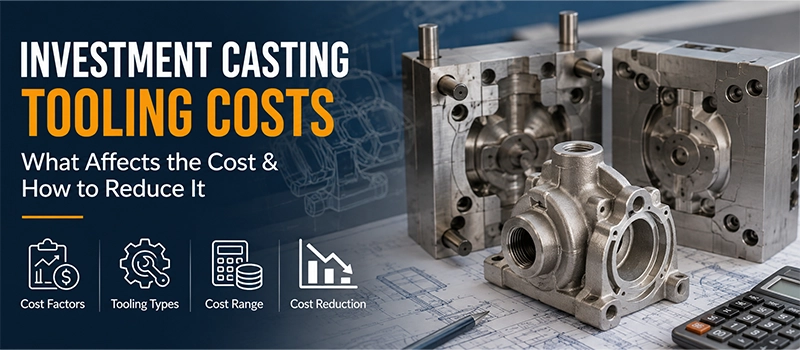
Tooling cost is another important element. Mold development requires investment, especially for large or complex components. Some suppliers offer lower initial prices but compensate with higher tooling costs or limited mold lifespan. A reliable metal casting supplier provides transparent cost structure and ensures that tooling delivers long-term value.
Quality consistency also affects total cost. If metal casting supplies vary between batches, it can lead to assembly issues or performance instability. This may result in additional inspection, rework, or even product rejection. Stable quality reduces these hidden costs and improves overall efficiency.
Logistics and delivery should also be considered. Poor packaging or unreliable shipping can cause damage or delays, adding unexpected expenses. A dependable supplier ensures that metal casting supplies are properly handled and delivered without additional risk.
In summary, evaluating total cost rather than just price helps buyers select metal casting supplies that offer better long-term value, reduced risk, and more stable performance in mining applications.
Why Dalian ZhongSheng Metal Products Is the Right Partner for Your Metal Casting Supplies
After understanding all the critical factors, the final step is choosing a supplier that can truly deliver reliable metal casting supplies in real mining applications. This is where Dalian ZhongSheng Metal Products demonstrates clear advantages.
Dalian ZhongSheng Metal Products has extensive experience in manufacturing metal casting supplies for mining equipment. The company focuses on complex, high-strength, and wear-resistant components such as crusher parts, structural castings, and other heavy-duty mining components. Every project begins with detailed technical evaluation and drawing analysis to ensure that each part is not only manufacturable, but also optimized for harsh working conditions.
In material control, Dalian ZhongSheng Metal Products follows strict standards from raw material selection to final inspection. The team has deep knowledge of materials such as high manganese steel, alloy steel, and other wear-resistant alloys commonly used in mining environments. This ensures that all metal casting supplies deliver stable performance under high impact, abrasion, and continuous operation, effectively extending service life and reducing replacement frequency.
The company also maintains stable and scalable production capability. With well-organized manufacturing processes and reliable capacity planning, Dalian ZhongSheng Metal Products can support both small-batch customization and large-volume production. This flexibility allows customers to develop new projects with confidence while also ensuring consistent supply for ongoing operations. Each batch of metal casting supplies is produced under controlled conditions to maintain uniform quality.
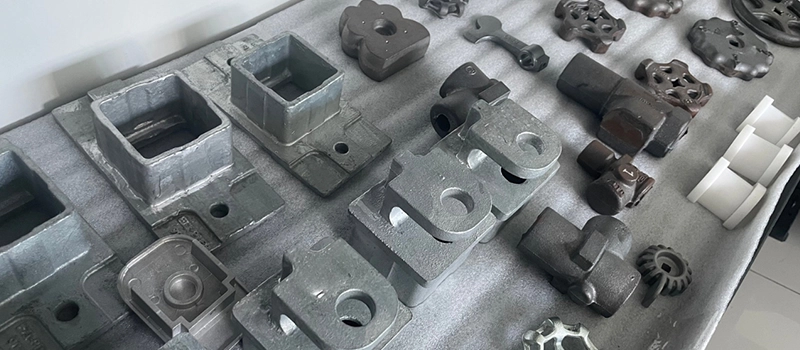
In addition, integrated casting and machining capabilities provide a significant advantage. By controlling both processes internally, the company ensures better dimensional accuracy and reduces the risks associated with multi-supplier coordination. This results in finished metal casting supplies that meet precise technical requirements and are ready for direct use or assembly, saving time and reducing additional processing costs.
Dalian ZhongSheng Metal Products operates under strict quality management systems and complies with international standards, supporting smooth cooperation in global markets. Each order is managed with clear process control, inspection records, and full traceability. This level of control gives customers confidence in both product quality and long-term consistency.
Beyond manufacturing, the company places strong emphasis on practical problem-solving and long-term cooperation. By balancing quality, cost, and delivery, Dalian ZhongSheng Metal Products helps customers reduce total procurement risk while improving overall operational efficiency. The goal is not only to supply metal casting supplies, but to become a stable and dependable partner in demanding mining applications.
For buyers seeking durable, cost-effective, and consistently reliable metal casting supplies, Dalian ZhongSheng Metal Products provides a proven solution built on experience, engineering strength, and commitment to quality.