Cutting stainless steel is one of the most critical yet challenging processes in modern metal fabrication. Many manufacturers struggle with issues such as tool wear, heat distortion, and surface discoloration when cutting stainless steel. Choosing the wrong method can lead to higher costs, poor precision, and production delays.
This article presents a complete and professional guide to cutting stainless steel. It explains how to cut stainless steel efficiently using advanced technologies such as laser cutting stainless steel, plasma cutting stainless steel, and waterjet cutting stainless steel. It also explores the best way to cut stainless steel sheets, pipes, and complex components while maintaining quality and cost efficiency.
How to Cut Stainless Steel – Core Methods Explained
Cutting stainless steel is a fundamental process in modern manufacturing. However, due to its high strength, work hardening tendency, and low thermal conductivity, cutting stainless steel requires specialized techniques and careful process selection. Many professionals often ask: how to cut stainless steel efficiently while maintaining precision and cost control?
The answer lies in understanding the full range of cutting stainless steel methods, from manual tools to advanced automated technologies. Each method offers unique advantages depending on material thickness, geometry, and production scale. Selecting the wrong method can result in excessive tool wear, poor edge quality, or even structural damage. According to industry data, improper cutting stainless steel processes can increase production costs by over 30%.
This section provides a comprehensive breakdown of all major cutting stainless steel techniques, helping decision-makers choose the best solution for their specific application.
Manual Cutting Stainless Steel Methods
Manual methods are often used for low-volume production, on-site work, or simple geometries. While they are cost-effective, they require proper tools and operator experience to achieve acceptable results when cutting stainless steel.
Cutting Stainless Steel with a Jigsaw
Using a jigsaw is a common approach when cutting stainless steel sheet with irregular shapes or curves. This method is especially suitable for thin materials, typically below 3 mm thickness.
When applying this technique, carbide or bi-metal blades are essential to handle the hardness of stainless steel. Cooling lubricants should also be used to reduce heat buildup. Without proper cooling, cutting stainless steel can lead to rapid blade wear and discoloration of the material surface.
Many professionals searching for how to cut thin stainless steel prefer jigsaws due to their flexibility. However, the trade-off is lower precision compared to CNC or laser cutting stainless steel.
Cutting Stainless Steel with Angle Grinder
Angle grinders are one of the most widely used tools to cut stainless steel in workshops and construction environments. Equipped with abrasive cutting discs, they can handle sheets, rods, and even pipes.
For those wondering what cuts stainless steel effectively in field conditions, angle grinders are often the answer. They are portable, powerful, and suitable for quick operations.
However, cutting stainless steel with an angle grinder generates significant heat. This may cause oxidation or discoloration, especially on polished surfaces. To avoid this, operators should use thin cutting discs and maintain steady movement. More details can be found in.
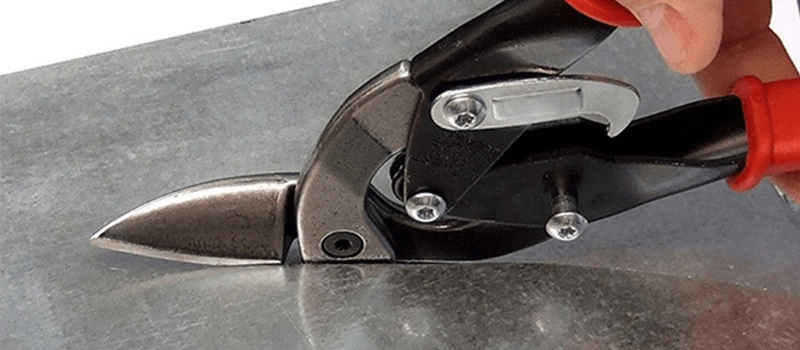
Cutting Stainless Steel with Shears and Snips
Shears and snips are ideal for cutting stainless steel sheet metal with minimal thickness. These tools are commonly used in HVAC and sheet metal fabrication industries.
The main advantage of this method is that it produces no heat-affected zone. This makes it suitable for applications where surface finish is critical. However, cutting stainless steel using shears is limited by material thickness and requires significant manual effort.
Cutting Stainless Steel Wire and Cable
Cutting stainless steel wire or cable requires specialized tools due to its tensile strength. Standard cutters may fail or wear quickly.
Professionals searching for how to cut stainless steel wire or how to cut stainless steel cable should use hardened cable cutters or hydraulic tools. These tools ensure clean cuts without fraying or deformation.
Mechanical Cutting Methods
Mechanical methods provide higher precision and repeatability compared to manual techniques. They are widely used in industrial environments for cutting stainless steel components.
Band Saw Cutting Stainless Steel
Band saws are commonly used for cutting stainless steel pipe and bars. They provide straight cuts with relatively low material waste.
To optimize cutting stainless steel performance, operators must control blade speed and feed rate. Excessive speed can cause overheating, while low speed may reduce efficiency. Recommended parameters can be found in.
Circular Saw Cutting Stainless Steel
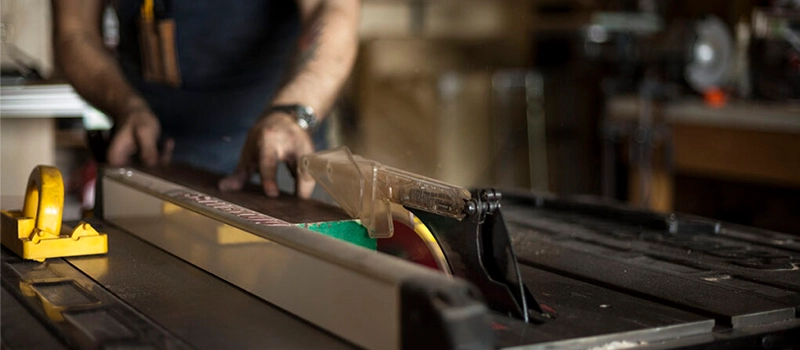
Circular saws equipped with carbide-tipped blades are effective for cutting stainless steel plates and profiles. This method is suitable for medium-thickness materials and offers faster cutting compared to band saws.
For those asking what to use to cut stainless steel, circular saws are a reliable option for both workshop and industrial use. However, proper cooling and lubrication are essential to prevent tool damage.
CNC Machining Cutting Stainless Steel
CNC machining represents a highly precise approach to stainless steel cnc cutting. It is widely used for producing complex geometries and tight tolerances.
This method is ideal for custom cut stainless steel parts, especially in industries such as automotive and aerospace. CNC cutting stainless steel allows full automation, ensuring consistency and scalability.
Thermal Cutting Methods
Thermal cutting methods rely on high temperatures to melt or vaporize stainless steel. These techniques are widely used for high-efficiency cutting stainless steel in industrial production.
Plasma Cutting Stainless Steel
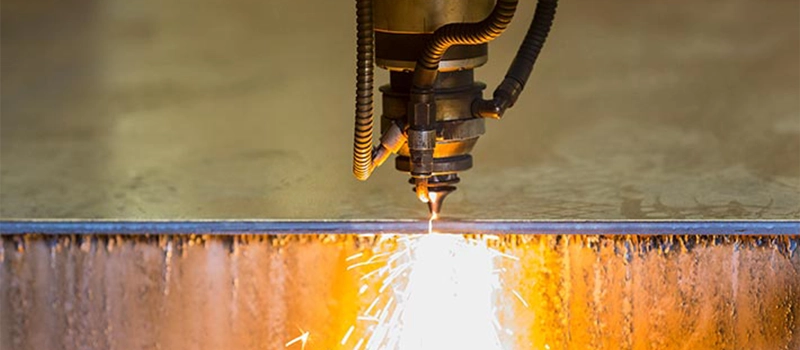
Plasma cutting stainless steel is a popular method for medium to thick materials. It uses a high-temperature plasma arc to melt the metal and remove it with a high-speed gas jet.
This method is particularly effective for cutting stainless steel sheet metal with thicknesses above 5 mm. Compared to laser cutting stainless steel, plasma cutting offers lower cost but reduced precision.
Plasma cut stainless steel is widely used in construction and heavy equipment industries due to its speed and flexibility.
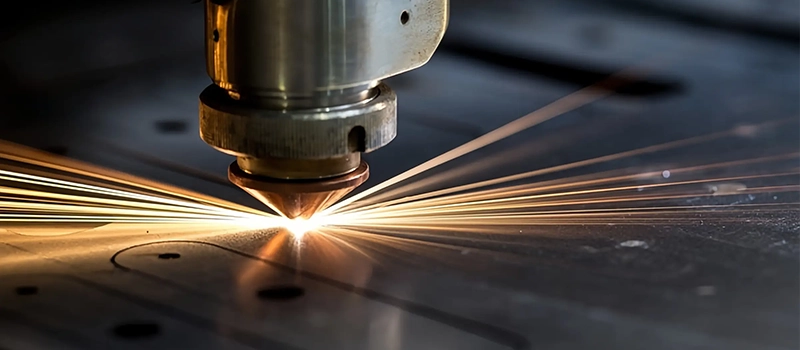
Laser Cutting Stainless Steel
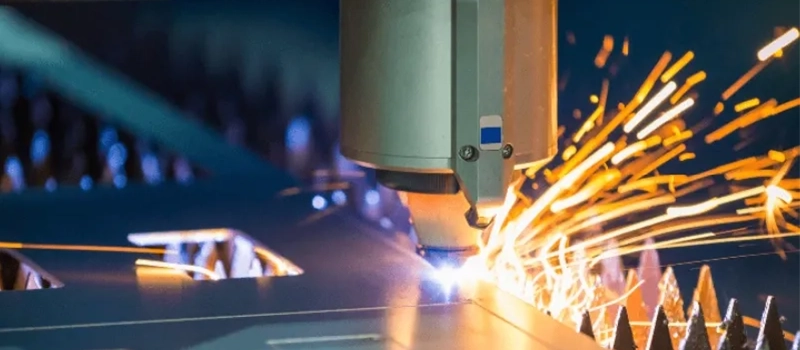
Laser cutting stainless steel is one of the most advanced and precise methods available today. It uses a focused laser beam to achieve clean and accurate cuts with minimal deformation.
This method supports a wide range of materials, including:
- 304 stainless steel laser cutting
- 316 stainless steel laser cutting
- 301, 302, 321, and 410 grades
Fiber laser cutting stainless steel has become the industry standard due to its high efficiency and low maintenance costs. It is especially suitable for thin to medium thickness materials and complex shapes.
Laser cutting stainless steel is widely used for custom laser cut precision stainless steel parts, offering excellent edge quality and repeatability.
Oxy-Acetylene Cutting Stainless Steel
Many people ask: can stainless steel be cut with oxy acetylene?
The answer is generally no. Unlike carbon steel, stainless steel does not oxidize easily, making oxy-acetylene cutting ineffective. Specialized fluxes can be used, but the process is inefficient and rarely applied in modern cutting stainless steel operations.
Advanced Cutting Technologies
Advanced technologies provide superior precision and versatility when cutting stainless steel, especially for high-end applications.
Waterjet Cutting Stainless Steel
Waterjet cutting stainless steel uses high-pressure water mixed with abrasive particles to cut through the material.
This method produces no heat-affected zone, making it ideal for applications requiring high surface integrity. It is widely used for thick materials and sensitive components.
Waterjet cutting stainless steel is also suitable for complex shapes and multi-layer cutting.
Fiber Laser vs CO₂ Laser
Fiber laser cutting stainless steel offers higher efficiency, lower energy consumption, and better performance on reflective materials compared to CO₂ lasers.
For modern manufacturing, fiber laser systems are considered the best choice for cutting stainless steel due to their speed and precision.
Precision Custom Cutting Services
Many companies rely on stainless steel cutting services to handle complex projects. These services provide advanced equipment, experienced operators, and quality assurance.
Options include:
- stainless steel laser cutting services
- custom cut stainless steel sheet
- value-added processing
These services help reduce production risks and improve efficiency.
Cutting Stainless Steel Without Damage
Achieving high-quality results when cutting stainless steel requires more than just selecting the right method. Process control is equally important.
How to Cut Stainless Steel Without Discoloration
Discoloration is a common issue caused by excessive heat. To avoid this:
- Use proper cooling
- Reduce cutting speed
- Choose laser or waterjet methods
How to Cut Thick Stainless Steel
For thick materials, plasma cutting stainless steel and waterjet cutting stainless steel are the most effective solutions. These methods provide sufficient power and stability.
How to Cut Through Stainless Steel Efficiently
Efficiency depends on selecting the correct tool, speed, and method. Laser cutting stainless steel is often the best choice for balancing speed and precision.
Is Stainless Steel Hard to Cut?
Yes, cutting stainless steel is challenging due to its hardness and work hardening properties. However, with the right technology and expertise, high-quality results can be consistently achieved.
Best Way to Cut Stainless Steel for Different Materials
When discussing cutting stainless steel, one of the most critical considerations is that there is no single “best way” that fits all situations. The best way to cut stainless steel depends heavily on the material form, thickness, precision requirements, and production volume.
Many manufacturers make the mistake of applying one cutting method across all scenarios. This often leads to inefficiencies, increased costs, and poor product quality. According to industry benchmarks, selecting the wrong cutting stainless steel method can reduce productivity by up to 40%.
Therefore, understanding how to match cutting techniques with specific stainless steel forms—such as sheets, pipes, tubes, and thickness variations—is essential for achieving optimal results.
Cutting Stainless Steel Sheet
Cutting stainless steel sheet is one of the most common applications in fabrication. However, the best way to cut stainless steel sheet varies significantly depending on thickness and surface requirements.
For thin sheets (typically below 3 mm), methods such as laser cutting stainless steel and mechanical shearing are highly effective. Laser cutting stainless steel offers excellent precision, minimal burrs, and clean edges, making it ideal for decorative panels and precision components. On the other hand, shearing is more cost-effective for straight-line cuts in high-volume production.
For medium-thickness sheets (3–10 mm), fiber laser cutting stainless steel remains the preferred solution due to its balance of speed and accuracy. Plasma cutting stainless steel can also be used, especially when cost is a concern, although it may produce a larger heat-affected zone.
When dealing with thick stainless steel sheets (above 10 mm), waterjet cutting stainless steel becomes the best option. This method avoids thermal distortion entirely and maintains material integrity. It is particularly suitable for high-value components or applications requiring tight tolerances.
For applications requiring high surface quality, such as polished stainless steel sheet cut to size, laser or waterjet cutting stainless steel is strongly recommended.
Cutting Stainless Steel Pipe and Tube
Cutting stainless steel pipe and tube presents unique challenges due to their curved geometry and varying wall thickness. Selecting the correct method is essential to maintain structural integrity and dimensional accuracy.
For thin-walled tubing, laser cutting stainless steel provides exceptional precision and is widely used in industries such as automotive and medical equipment. Fiber laser systems can cut complex shapes and holes with minimal deformation, making them ideal for high-end applications.
For thicker pipes, band saw cutting stainless steel is a practical and cost-effective solution. It provides straight cuts and is suitable for large-diameter pipes. However, it may require secondary finishing processes to achieve smooth edges.
In heavy industrial applications, plasma cutting stainless steel is often used for cutting large pipes quickly. While it offers high speed, it sacrifices some precision and may require post-processing.
For those searching for the best way to cut stainless steel pipe, the decision should be based on:
- Required precision
- Pipe diameter and thickness
- Production volume
In many cases, combining multiple cutting stainless steel methods yields the best results. For example, rough cutting with plasma followed by finishing with CNC machining.
Cutting Thin vs Thick Stainless Steel
Material thickness is one of the most important factors in determining the best cutting stainless steel method.
For thin stainless steel (below 2–3 mm), laser cutting stainless steel is clearly the best option. It provides high speed, excellent edge quality, and minimal material waste. Additionally, it reduces the risk of deformation, which is common when cutting thin materials using mechanical methods.
For medium thickness (3–10 mm), both laser cutting stainless steel and plasma cutting stainless steel are viable options. The choice depends on the required precision and cost constraints. Laser cutting stainless steel offers superior accuracy, while plasma cutting stainless steel provides faster cutting at a lower cost.
For thick stainless steel (above 10–15 mm), waterjet cutting stainless steel and plasma cutting stainless steel are the most effective methods. Waterjet cutting stainless steel is particularly advantageous when heat distortion must be avoided.
Understanding how to cut thick stainless steel properly is critical for maintaining structural properties. Improper thermal cutting can lead to microstructural changes and reduced corrosion resistance.
Industrial vs Custom Cutting Needs
Another key factor in determining the best way to cut stainless steel is whether the application is industrial-scale production or custom fabrication.
In industrial environments, efficiency and consistency are the top priorities. Automated systems such as CNC cutting stainless steel and fiber laser cutting stainless steel are widely used. These methods ensure repeatability, reduce labor costs, and support large-scale production.
In contrast, custom cutting stainless steel focuses more on flexibility and precision. Applications such as prototypes, small batches, or specialized components often require custom cut stainless steel sheet or complex geometries.
This is where professional stainless steel cutting services play a crucial role. These services provide access to advanced equipment and expertise, enabling manufacturers to achieve high-quality results without investing in expensive machinery.
Additionally, value-added services such as surface finishing, polishing, and assembly can further enhance product quality and reduce overall production time.
Stainless Steel Grades and Cutting Differences
When evaluating different methods for processing stainless steel, material grade plays a decisive role. Each grade has unique mechanical properties, such as hardness, ductility, and thermal conductivity, which directly influence machining behavior, tool wear, and final edge quality.
Many manufacturers underestimate the importance of grade selection. However, according to industry data, improper matching between material grade and processing method can significantly reduce tool life and increase defect rates.
Understanding these differences is essential for optimizing efficiency, ensuring product quality, and controlling production costs.
Austenitic Stainless Steel (304, 316, 321)
Austenitic stainless steels are the most widely used category. Grades such as 304, 316, and 321 are known for their excellent corrosion resistance, good formability, and relatively high toughness.
However, these materials also present challenges during processing. They have a strong tendency to work harden, meaning that the material becomes harder during machining. This can lead to increased tool wear and reduced cutting efficiency.
For example, 304 is one of the most common grades used in general fabrication. It is relatively easy to process compared to other stainless steels, but still requires proper speed control and cooling. 316, on the other hand, contains molybdenum, which improves corrosion resistance but makes machining slightly more difficult.
When working with these materials, laser-based methods are often preferred due to their precision and reduced mechanical stress. For thicker sections, waterjet technology can also be applied to maintain structural integrity.
Precipitation Hardening Grades (17-4 PH, 17-7 PH)
Precipitation hardening stainless steels, such as 17-4 PH and 17-7 PH, are widely used in aerospace, energy, and high-performance engineering applications. These materials are valued for their high strength and excellent mechanical properties after heat treatment.
However, their increased hardness makes them significantly more difficult to process. Tool wear becomes a major concern, especially when using traditional mechanical methods. Improper parameter selection can lead to rapid tool degradation and poor surface finish.
In these cases, high-energy precision methods such as fiber laser processing are often preferred. These technologies allow for accurate shaping without excessive mechanical stress.
It is also important to carefully control heat input, as excessive thermal exposure may alter the material’s microstructure.
Martensitic and Ferritic Stainless Steel (410, etc.)
Martensitic and ferritic stainless steels, such as grade 410, differ significantly from austenitic materials. They typically offer higher hardness and strength but lower corrosion resistance.
Martensitic grades are particularly known for their hardness, which can make them more challenging to process. However, unlike austenitic steels, they do not work harden as aggressively. This can be advantageous in certain machining operations.
Ferritic stainless steels, on the other hand, are generally easier to machine but may present challenges related to brittleness and lower ductility.
When selecting a processing method for these materials, it is important to consider both hardness and toughness. Mechanical methods such as band sawing and CNC machining are often effective, while thermal methods must be carefully controlled to avoid cracking or distortion.
How Material Properties Affect Processing Parameters
Material properties such as hardness, thermal conductivity, and microstructure directly affect processing parameters, including speed, feed rate, and tool selection.
For example, materials with higher hardness require lower cutting speeds to prevent excessive tool wear. In contrast, materials with lower thermal conductivity tend to retain heat, increasing the risk of surface discoloration and thermal damage.
Carbide tools are often recommended for harder grades due to their superior wear resistance. Adjusting parameters based on material characteristics is essential for achieving optimal performance and extending tool life.
Engineers often rely on standardized data charts to determine appropriate settings. These charts provide guidance on speed and feed rates for different materials and tools.
Common Problems When Cutting Stainless Steel (And Solutions)
Processing stainless steel is widely recognized as more challenging than working with many other metals. Its unique properties—such as high strength, work hardening tendency, and low thermal conductivity—often lead to a range of practical issues during production.
If these problems are not properly managed, they can result in poor edge quality, increased costs, production delays, and even material rejection. Understanding these challenges and applying targeted solutions is essential for achieving consistent, high-quality results.
Heat Affected Zone and Discoloration
One of the most common issues is the formation of a heat affected zone (HAZ), often accompanied by surface discoloration. This typically appears as blue, brown, or yellow marks along the cut edge.
The root cause is excessive heat accumulation during processing. Stainless steel does not dissipate heat efficiently, which causes localized overheating. This not only affects appearance but can also reduce corrosion resistance by altering the protective oxide layer.
To minimize or eliminate discoloration:
- Use lower heat input processes such as waterjet cutting
- Optimize cutting speed to avoid overheating
- Apply assist gases like nitrogen in laser processing to prevent oxidation
- Ensure proper cooling or lubrication in mechanical methods
For high-end applications, maintaining a clean, oxide-free edge is critical, especially in industries such as food processing and medical equipment.
Tool Wear and Short Tool Life
Tool wear is another major concern, particularly in mechanical processing. Stainless steel’s tendency to work harden increases cutting resistance over time, which accelerates tool degradation.
As the tool engages with the material, the surface becomes harder, requiring more force to continue processing. This creates a cycle of increasing wear and reduced efficiency.
Effective strategies to reduce tool wear include:
- Using carbide or coated tools designed for high hardness materials
- Reducing cutting speed while maintaining optimal feed rates
- Applying proper lubrication to reduce friction and heat
- Avoiding dwell time, which can intensify work hardening
Proper tool selection and parameter control can significantly extend tool life and improve consistency.
Burr Formation and Poor Edge Quality
Burrs and rough edges are common issues that affect both functionality and aesthetics. These defects often require secondary finishing processes, increasing production time and cost.
Burr formation is typically caused by:
- Incorrect cutting parameters
- Worn or inappropriate tools
- Material deformation during processing
To improve edge quality:
- Use high-precision methods such as laser or waterjet processing
- Ensure tools are sharp and properly maintained
- Adjust feed rates and speeds to match material characteristics
- Apply post-processing techniques such as deburring or polishing when necessary
Achieving clean edges is especially important for components that require tight tolerances or direct assembly.
High Cost and Low Efficiency
Inefficient processing methods can significantly increase production costs. This often happens when the selected technique does not match the material thickness, geometry, or production scale.
For example, using a high-precision method for simple, large-volume parts may lead to unnecessary expenses, while using low-cost methods for complex components can result in poor quality and rework.
To optimize cost and efficiency:
- Match the method to the application (precision vs volume)
- Automate processes where possible
- Reduce secondary operations through better initial processing
- Evaluate total cost, including labor, tooling, and post-processing
A well-optimized process not only reduces cost but also improves delivery reliability.
Distortion and Precision Loss
Distortion is a critical issue, especially when working with thin materials or components requiring tight tolerances. Thermal methods can introduce uneven heating, leading to warping or dimensional inaccuracies.
This problem is particularly common when excessive heat is applied without proper control.
Solutions include:
- Using low-heat or cold cutting methods such as waterjet processing
- Applying proper clamping and fixturing during machining
- Optimizing cutting sequences to distribute heat evenly
- Reducing heat input through parameter adjustment
Maintaining dimensional stability is essential for ensuring that parts meet design specifications and function correctly in assembly.
Cracking and Material Damage
In some cases, improper processing can lead to microcracks or structural damage, especially in harder grades. This is often caused by excessive stress, rapid temperature changes, or incorrect parameter selection.
To prevent material damage:
- Avoid overly aggressive cutting conditions
- Select appropriate methods for high-strength materials
- Control thermal input and cooling rates
- Inspect components regularly for early signs of defects
Preventing such issues is critical in industries where reliability and safety are paramount.
Conclusion
Cutting stainless steel requires more than simply choosing a tool. It demands a clear understanding of material characteristics, processing methods, and application requirements. Different techniques—from manual tools to advanced laser and waterjet systems—offer distinct advantages depending on thickness, geometry, and production scale.
By selecting the appropriate method, optimizing parameters, and addressing common challenges such as heat distortion and tool wear, manufacturers can significantly improve efficiency and product quality.
Ultimately, success lies in matching the right process to the right material, ensuring consistent performance, cost control, and long-term reliability in every project.