
Cast Iron Types in Manufacturing: Proven Selection Guide
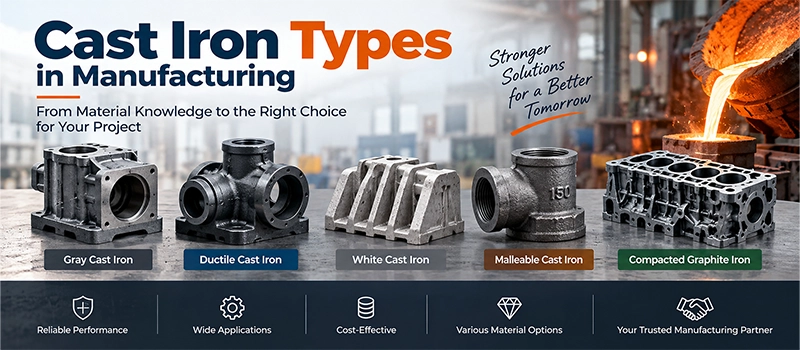
Choosing the right material is essential for achieving reliable product performance and cost-effective manufacturing. This guide explains the most common cast iron types in manufacturing, including gray cast iron, ductile cast iron, white cast iron, malleable cast iron, and compacted graphite iron. It compares their key properties, explores typical applications, and provides practical guidance on selecting the most suitable cast iron type based on your project’s performance requirements, manufacturing process, and budget.
Low Alloy Steel: The Ultimate Guide to Superior Performance
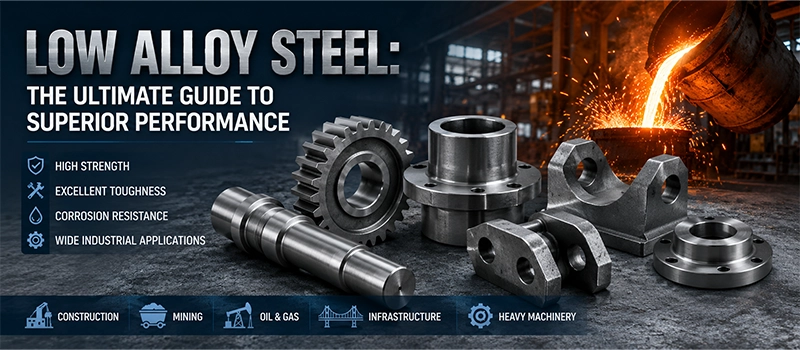
Low alloy steel is widely used in engineering applications because it offers an excellent balance of strength, toughness, wear resistance, and cost-effectiveness. This guide explains what low alloy steel is, how alloying elements enhance its performance, and the key properties that make it suitable for demanding industries. It also explores common steel grades, typical applications, material selection considerations, and comparisons with carbon steel, stainless steel, and high alloy steel. Whether manufacturing cast, forged, or precision-machined components, understanding the characteristics of low alloy steel helps engineers and buyers choose the right material to improve product reliability, service life, and overall performance.
Free Machining Carbon Steel Guide for CNC Parts
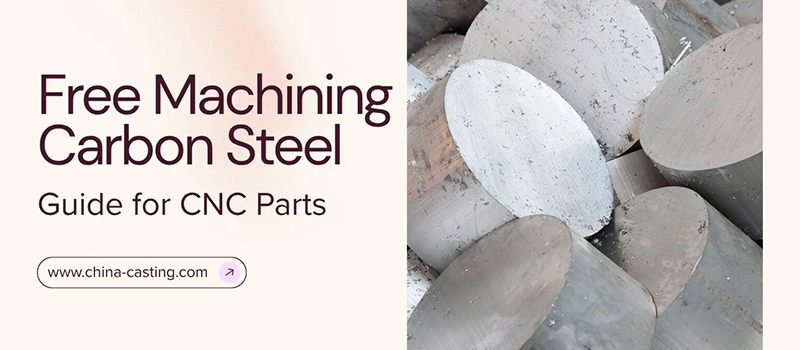
Free Machining Carbon Steel is an important material in modern precision manufacturing and high-volume CNC machining industries. Its optimized chemical composition provides excellent machinability, stable chip control, reduced tool wear, and improved production efficiency. This article explains the main grades of free machining carbon steel, including 1215, 12L14, 1117, and 1144, while also exploring their mechanical properties, machining characteristics, heat treatment methods, surface finishing processes, industrial applications, and material comparisons with stainless steel and alloy steel. The article helps manufacturers and industrial buyers better understand how to select the right free machining carbon steel material for cost-effective and precision machining applications.
Aluminum Alloy AlSi9Cu3: Powerful Properties and Uses
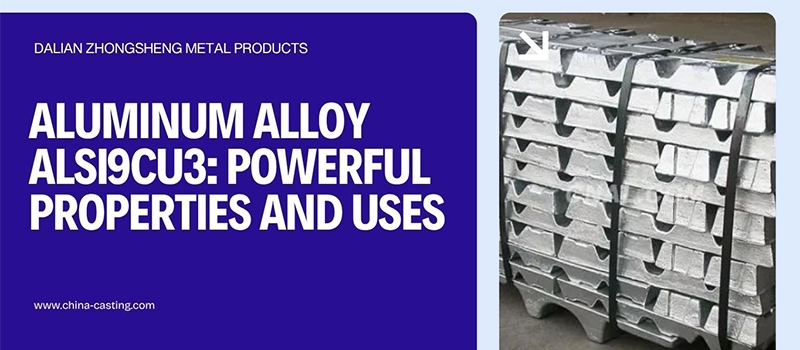
Aluminum Alloy AlSi9Cu3 is one of the most widely used materials in high-pressure die casting manufacturing. This article explores its chemical composition, mechanical properties, physical characteristics, die casting performance, machining capability, and major industrial applications. It also explains why Aluminum Alloy AlSi9Cu3 is widely used in automotive, machinery, electronics, and industrial equipment manufacturing due to its excellent balance of strength, lightweight performance, and production efficiency.
Gray Cast Iron: Essential Properties and Composition Guide
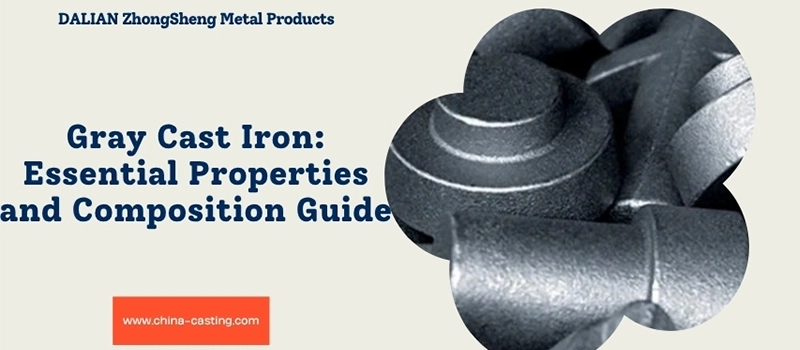
Gray cast iron is a widely used engineering material known for its excellent machinability, vibration damping, and cost efficiency. This article explains the composition, microstructure, and mechanical properties of gray cast iron, along with its main types, manufacturing processes, and industrial applications. It also compares gray cast iron with ductile, white, and malleable cast iron to support better material selection decisions in modern manufacturing.
Duplex Stainless Steel: Powerful Guide to Grades & Uses
Duplex stainless steel is known for its dual-phase microstructure combining austenite and ferrite, which provides high strength and strong corrosion resistance. This article explains its composition, microstructure, key properties, common grades such as 2205 and 2507, corrosion performance, industrial applications, and differences from other stainless steel types.
Ferritic Stainless Steel: Powerful Guide to Grades & Uses
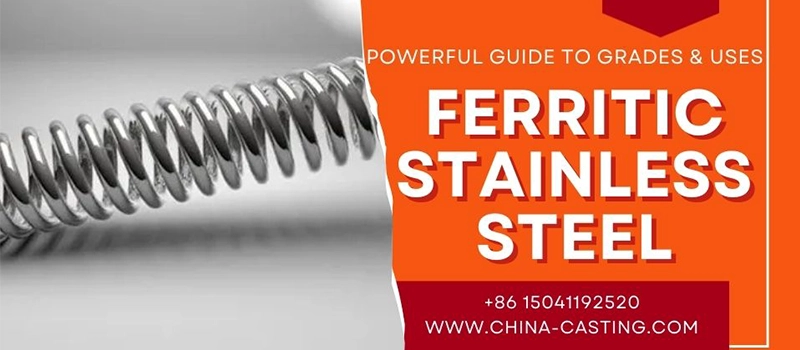
Ferritic stainless steel is a chromium-based stainless steel known for its ferritic microstructure, magnetic properties, and cost efficiency. This article explains its composition, microstructure, key properties, common grades, corrosion resistance, industrial applications, and differences from other stainless steel types, providing a clear overview for engineering and manufacturing use.
Martensitic Stainless Steel: Powerful Guide to Grades & Uses
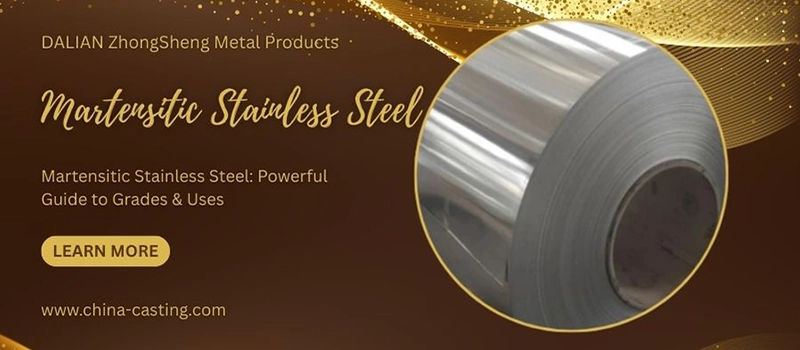
Martensitic stainless steel is known for its high hardness, strength, and heat-treatable structure. This article explains its chemical composition, microstructure, key properties, common grades, corrosion resistance, applications, and differences from other stainless steel types, providing a clear overview of its role in engineering and manufacturing.
Austenitic Stainless Steel: Powerful Guide to Grades & Uses

Austenitic stainless steel is one of the most widely used stainless steel families due to its stable microstructure, corrosion resistance, and versatile engineering performance. This article explains the composition, microstructure, key properties, common grades, corrosion behavior, industrial applications, and advantages of austenitic stainless steel, providing a clear understanding of its role in modern engineering and manufacturing.
