Silicon Sol Binder has become one of the most important materials in modern investment casting. It helps manufacturers achieve smoother surfaces, stronger ceramic shells, and higher casting precision. As quality requirements continue to rise, more foundries are choosing Silicon Sol Binder over traditional binders for high-performance casting applications.
What Is Silicon Sol Binder
Definition of Silicon Sol Binder
Silicon Sol Binder is a colloidal silica-based binding material widely used in investment casting and precision casting industries. It consists of ultra-fine silica particles suspended in water, forming a stable inorganic solution with excellent bonding performance.
In investment casting, Silicon Sol Binder is mainly used to build ceramic shells around wax patterns. These shells must maintain high strength and thermal stability during dewaxing and molten metal pouring. Compared with traditional binders, Silicon Sol Binder provides smoother casting surfaces, stronger shells, and higher dimensional accuracy.
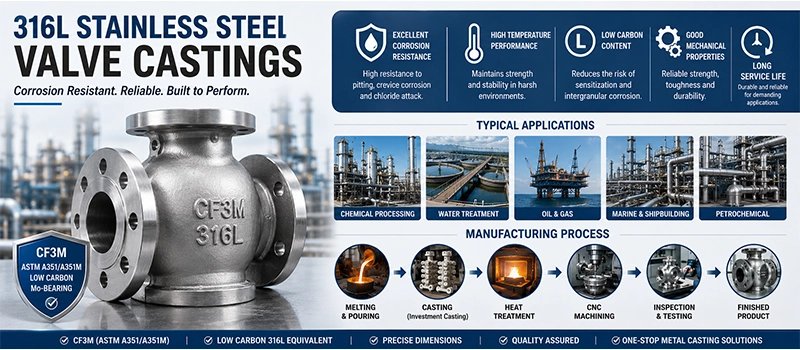
Because of these advantages, Silicon Sol Binder is widely used for stainless steel casting, heat-resistant alloy casting, and other high-precision industrial components.
Chemical Composition of Silicon Sol Binder
The performance of Silicon Sol Binder mainly depends on its chemical composition and physical properties.
| Component | Function |
|---|---|
| Colloidal Silica (SiO₂) | Main binding material that forms ceramic shell strength |
| Water | Dispersion medium for silica particles |
| Stabilizers | Improve slurry stability and storage life |
| Wetting Agents | Enhance coating performance on wax patterns |
| Defoamers | Reduce bubbles during slurry mixing |
| Additives | Improve shell strength and drying performance |
Several technical parameters also affect binder performance:
| Property | Importance |
|---|---|
| SiO₂ Concentration | Affects shell strength and bonding ability |
| Particle Size | Influences surface finish and dimensional accuracy |
| pH Value | Controls colloidal stability |
| Viscosity | Determines slurry coating consistency |
Advantages of Silicon Sol Binder
Excellent Surface Finish
It produces smoother ceramic shells, resulting in cleaner casting surfaces and reduced machining requirements.
High Dimensional Accuracy
Strong shell stability helps maintain precise dimensions during pouring and cooling.
Strong Ceramic Shell Strength
The ceramic shells have excellent mechanical strength and resistance to cracking.
Reduced Casting Defects
Better shell quality helps reduce defects such as rough surfaces, inclusions, and deformation.
Superior Thermal Stability
Silicon Sol Binder performs well under high temperatures, making it suitable for stainless steel and alloy casting.
Environmental Benefits
Compared with some traditional binders, Silicon Sol Binder produces fewer harmful emissions during firing.
How Silicon Sol Binder Works in Investment Casting
Wax Pattern Preparation
The investment casting process begins with the production of wax patterns. These patterns must have accurate dimensions and smooth surfaces because every detail will later be transferred to the final metal casting.
High-quality wax patterns help improve shell consistency and reduce the risk of surface defects during casting.
Slurry Coating Process
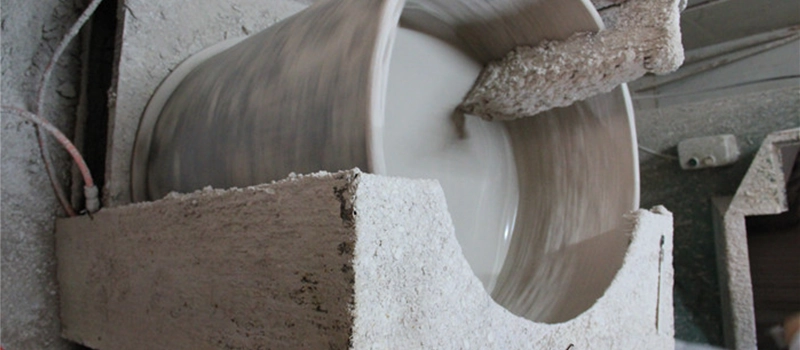
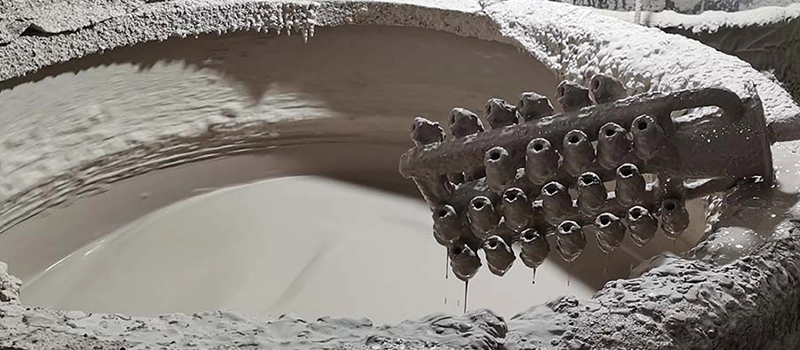
After the wax patterns are assembled, they are dipped into ceramic slurry. The slurry is made by combining colloidal silica binder with refractory materials such as zircon flour or fused silica.
The coating process must remain uniform to ensure even shell thickness and stable shell strength. Slurry viscosity, temperature, and mixing conditions all play important roles in coating quality.
Sand Stuccoing Process
Once the slurry layer is applied, refractory sand is coated onto the wet surface. This process is called stuccoing.
Each layer of refractory sand increases shell thickness and improves mechanical strength. Coarse sand is typically used for outer layers, while finer sand is used near the wax surface to improve casting smoothness.
Several coating and stuccoing cycles are repeated until the required shell thickness is achieved.
Drying and Hardening Mechanism
After each coating cycle, the shell must dry under controlled environmental conditions.
During drying:
Water Evaporation
Moisture gradually evaporates from the ceramic layer.
Silica Particle Bonding
As water content decreases, silica particles move closer together and form a stable bonding structure.
Shell Strength Development
The ceramic shell becomes stronger after each drying cycle, allowing additional layers to be added safely.
Temperature, humidity, and airflow directly affect drying speed and shell quality. Improper drying may lead to shell cracking or deformation.
Dewaxing and Shell Firing
After the shell reaches the required thickness, the wax inside is removed through a dewaxing process.
The empty ceramic shell is then fired at high temperatures to improve hardness and thermal stability. Firing also removes residual moisture and organic materials from the shell.
A properly fired shell can withstand molten metal pouring without cracking or distortion.
Metal Pouring and Final Casting Quality
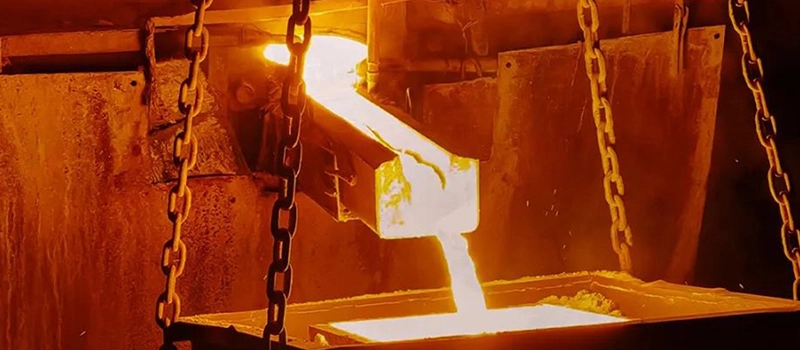
Molten metal is poured into the heated ceramic shell under controlled conditions. Because the shell surface is smooth and dimensionally stable, the final casting can achieve excellent surface finish and high precision.
This process is widely used for manufacturing:
- Stainless steel castings
- Heat-resistant alloy parts
- Aerospace components
- Automotive precision parts
- Industrial machinery components
The overall shell quality directly affects casting performance, dimensional accuracy, and defect control.
Silicon Sol Binder vs Water Glass Binder
Overview of Two Common Binder Systems
In investment casting, silica sol binder and water glass binder are the two most commonly used shell-building materials. Although both are used to produce ceramic shells, their performance, production cost, and casting quality are quite different.
Water glass binder is often used for general casting applications because of its lower cost and faster production cycle. In contrast, silica sol systems are preferred for high-precision castings that require better surface quality and tighter dimensional tolerances.
Performance Comparison
| Feature | Silica Sol Binder | Water Glass Binder |
|---|---|---|
| Surface Finish | Excellent | Moderate |
| Dimensional Accuracy | High | Medium |
| Shell Strength | Strong | Average |
| Casting Defects | Fewer | More |
| Thermal Stability | Excellent | Lower |
| Production Cost | Higher | Lower |
| Application Range | Precision casting | General casting |
One of the biggest differences is surface quality. Ceramic shells made with silica sol usually produce smoother castings with less surface cleaning and machining.
Shell strength is another important factor. Stronger shells help reduce cracking and deformation during pouring, especially for stainless steel and alloy casting.
Cost vs Quality Analysis
Water glass systems are often selected because of their lower material cost and shorter drying time. For simple products with lower precision requirements, this can be a practical solution.
However, lower shell quality may increase:
- Surface finishing costs
- Machining time
- Casting defect rates
- Scrap percentage
For high-value components, these additional costs can become significant.
Although silica sol systems require higher initial investment, they often reduce overall production costs by improving casting consistency and minimizing post-processing work.
Surface Finish and Precision
Surface quality is one of the main reasons many manufacturers choose advanced ceramic binders.
A smoother shell surface helps achieve:
- Better appearance
- More accurate dimensions
- Reduced machining allowance
- Improved product consistency
This is especially important for industries such as aerospace, automotive, and industrial equipment manufacturing where precision is critical.
Which Binder Is Better for Investment Casting
The best binder system depends on product requirements, budget, and casting standards.
Water glass systems are suitable for:
- Low-cost castings
- Simple structural parts
- Large-volume production with moderate precision requirements
Silica sol systems are more suitable for:
- Stainless steel castings
- Heat-resistant alloy parts
- Precision mechanical components
- Complex thin-wall castings
- High-quality export products
As casting quality requirements continue to increase, more foundries are gradually adopting silica sol processes for precision investment casting applications.
Conclusion
Modern investment casting demands higher precision, better surface quality, and stronger ceramic shells. Compared with traditional binder systems, silica sol technology offers excellent thermal stability, improved dimensional accuracy, and lower defect rates. For high-quality precision castings, it has become one of the most reliable solutions in today’s investment casting industry.