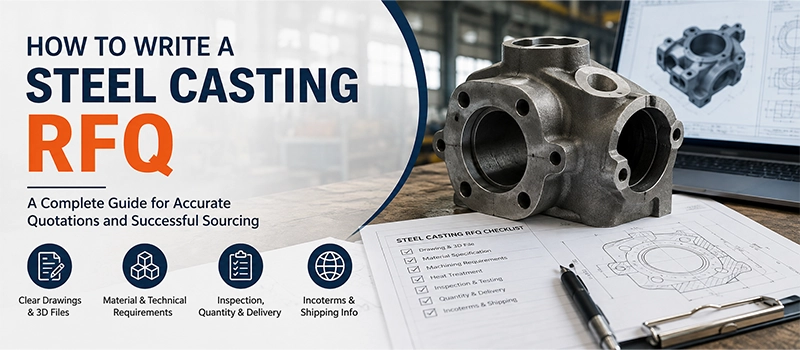
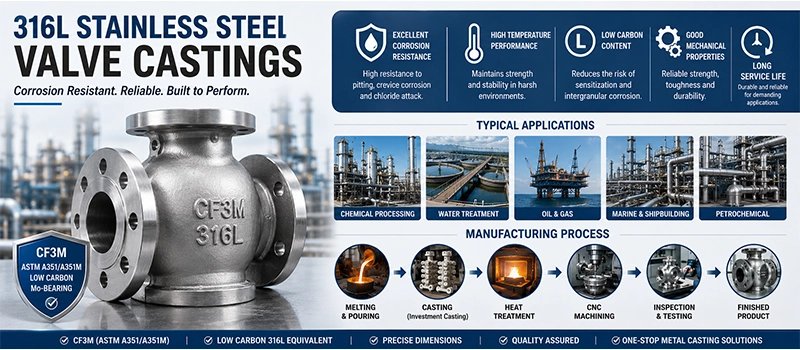
Cast aluminum vs cast iron is a common comparison in modern manufacturing and industrial engineering. Both materials are widely used in automotive parts, machinery, construction equipment, and industrial components, but they offer very different advantages. Cast aluminum is valued for its lightweight structure and corrosion resistance, while cast iron is known for its strength, durability, and wear resistance. Understanding the differences between cast aluminum vs cast iron helps manufacturers, engineers, and buyers select the right material for performance, cost efficiency, and long-term reliability.
What Is Cast Aluminum?
Cast aluminum is one of the most widely used materials in modern manufacturing. In the comparison of cast aluminum vs cast iron, cast aluminum is often preferred for applications that require lightweight performance, corrosion resistance, and efficient production. Industries such as automotive, aerospace, agriculture, and industrial machinery rely heavily on cast aluminum components because the material combines strength with reduced weight.
Unlike wrought aluminum, cast aluminum is produced by melting aluminum alloys and pouring the molten metal into molds. After cooling and solidification, the material forms complex components that often require only minimal machining. This manufacturing flexibility allows engineers to create detailed shapes, thin walls, and precision structures at relatively low production costs.
Another important advantage is aluminum’s excellent casting fluidity. Molten aluminum flows easily into molds, helping manufacturers produce complex geometries with high efficiency. This characteristic makes cast aluminum especially suitable for mass production and precision manufacturing.

Definition of Cast Aluminum
Cast aluminum refers to aluminum-based alloys that are melted and poured into molds to create industrial or commercial parts. These alloys usually contain additional elements such as silicon, magnesium, copper, or zinc to improve strength, corrosion resistance, hardness, and thermal performance.
In discussions about cast aluminum vs cast iron, aluminum is highly valued because of its low density. Aluminum weighs significantly less than iron, making it ideal for applications where reducing overall equipment weight is important.
Common cast aluminum products include:
- Engine housings
- Transmission cases
- Pump bodies
- Valve components
- Electrical enclosures
- Machinery covers
- Structural brackets
Modern industries increasingly prefer lightweight engineering solutions because lower weight can improve fuel efficiency, reduce transportation costs, and simplify equipment installation.
Common Aluminum Casting Alloys
Different aluminum alloys provide different mechanical and physical properties. Selecting the right alloy is essential for balancing strength, corrosion resistance, machinability, and production cost.
Some commonly used cast aluminum alloys include:
| Aluminum Alloy | Main Characteristics | Common Applications |
|---|---|---|
| A356 | High strength and corrosion resistance | Automotive wheels, housings |
| 319 | Excellent machinability | Engine components |
| 380 | Good fluidity and pressure tightness | Die cast industrial parts |
| ADC12 | Popular die casting alloy | Electronic housings |
| AlSi10Mg | Good thermal performance | Precision industrial parts |
Silicon-aluminum alloys are especially popular because silicon improves fluidity and reduces shrinkage during solidification. Magnesium is often added to improve strength and heat treatment performance.
Main Aluminum Casting Processes
Several manufacturing methods are commonly used to produce cast aluminum parts. Each process offers different advantages depending on production volume, dimensional accuracy, and surface finish requirements.
Die Casting
Die casting is one of the most efficient aluminum casting methods for high-volume production. Molten aluminum is injected into steel molds under high pressure, producing components with excellent dimensional accuracy and smooth surface finishes.
Advantages of die casting include:
- Fast production speed
- High repeatability
- Thin wall capability
- Reduced machining requirements
- Excellent surface quality
Die casting is widely used for automotive housings, electronic enclosures, and industrial equipment components.
Sand Casting
Sand casting is one of the oldest and most flexible aluminum casting processes. In this method, molds are created using compacted sand materials. Molten aluminum is then poured into the mold cavity and allowed to solidify.
Key advantages include:
- Low tooling cost
- Suitable for large castings
- Flexible mold design
- Ideal for small production runs
Sand casting is commonly used for pump housings, agricultural machinery parts, and construction equipment components.
Investment Casting
Investment casting, also known as lost wax casting, is used for highly precise aluminum components with complex geometries.
The process involves:
- Creating a wax pattern
- Applying ceramic coatings
- Melting out the wax
- Pouring molten aluminum into the ceramic shell
Investment casting offers:
- High dimensional precision
- Excellent surface finish
- Complex design capability
- Reduced machining needs
This process is widely used in aerospace, medical equipment, and precision machinery manufacturing.
Advantages of Cast Aluminum
In the comparison of cast aluminum vs cast iron, cast aluminum offers several major advantages that explain its widespread use across modern industries.
Lightweight Performance
One of the biggest advantages of cast aluminum is its low weight. Aluminum density is much lower than iron, making transportation, handling, and installation easier.
Lightweight components are especially important in:
- Automotive manufacturing
- Aerospace engineering
- Electric vehicles
- Portable industrial equipment
Reducing component weight can improve energy efficiency and reduce operating costs.
Excellent Corrosion Resistance
Cast aluminum naturally forms a protective oxide layer on its surface. This layer helps resist moisture and environmental corrosion.
As a result, cast aluminum is suitable for:
- Outdoor machinery
- Marine equipment
- Chemical processing systems
- Architectural components
Additional surface treatments such as anodizing can further improve corrosion resistance.
Good Thermal Conductivity
Cast aluminum transfers heat efficiently, making it ideal for heat-sensitive applications.
Common applications include:
- Engine components
- Heat sinks
- Cooling systems
- Electronic housings
Efficient heat dissipation improves operational stability and equipment lifespan.
Excellent Machinability
Many cast aluminum alloys are easy to machine. Manufacturers can achieve high-speed cutting with reduced tool wear compared to harder materials.
Benefits include:
- Faster machining speed
- Lower tooling cost
- Better surface quality
- Improved production efficiency
Good machinability helps manufacturers reduce overall production costs.
Disadvantages of Cast Aluminum
Despite its advantages, cast aluminum also has limitations that manufacturers must consider carefully.
Lower Wear Resistance
Compared with harder ferrous materials, cast aluminum may wear faster in abrasive environments. Heavy-friction applications often require additional coatings or surface treatments.
Reduced High-Temperature Strength
Although aluminum performs well under moderate heat, its mechanical strength decreases faster than iron at elevated temperatures.
This limits its use in certain high-temperature industrial systems.
Higher Material Cost
In many markets, aluminum raw material prices are higher than standard cast iron materials. Production costs may also increase depending on alloy type and casting process.
Potential Porosity Issues
Some aluminum casting processes may produce internal porosity if process control is inadequate. Proper mold design and degassing procedures are critical for maintaining casting quality.
Porosity can affect:
- Mechanical strength
- Pressure tightness
- Surface appearance
- Machining performance
For this reason, professional foundries apply strict quality control measures during aluminum casting production.
What Is Cast Iron?
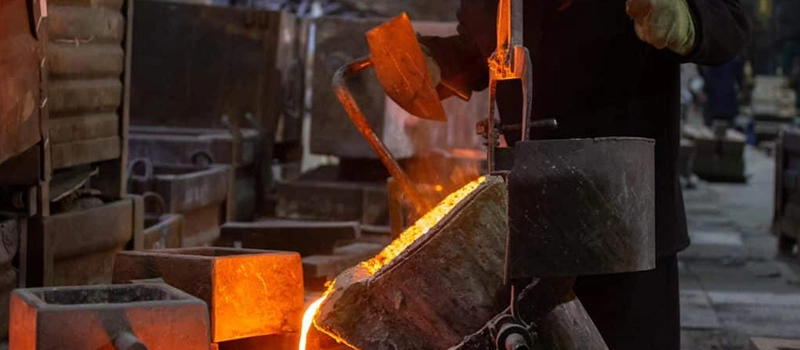
Cast iron is one of the oldest and most reliable materials used in industrial manufacturing. In the comparison of cast aluminum vs cast iron, cast iron is widely recognized for its high strength, excellent wear resistance, durability, and cost-effectiveness. It has been used for centuries in machinery, automotive components, pipelines, construction equipment, and heavy industrial applications.
Cast iron is produced by melting iron together with carbon and silicon before pouring the molten metal into molds. The material contains a relatively high carbon content, usually between 2% and 4%, which gives cast iron its characteristic hardness and casting properties. After solidification, cast iron components provide excellent compressive strength and long service life, especially in demanding working environments.
One of the major reasons manufacturers continue using cast iron is its ability to withstand heavy mechanical loads and vibration. Even though newer lightweight materials are becoming more common, cast iron remains essential for many industrial systems that prioritize stability, rigidity, and wear resistance.
Definition of Cast Iron
Cast iron is a ferrous alloy primarily composed of iron, carbon, and silicon. Unlike steel, cast iron contains a much higher carbon percentage, which improves castability but also changes the material’s mechanical behavior.
The high carbon content allows molten iron to flow easily into molds, making cast iron suitable for producing large and complex components. After cooling, the material develops a hard microstructure that provides excellent durability and compression resistance.
Common cast iron products include:
- Engine blocks
- Machine bases
- Pipe fittings
- Gear housings
- Pump bodies
- Industrial valves
- Construction machinery parts
In industrial manufacturing, cast iron is often selected for applications involving heavy loads, repeated mechanical stress, or severe wear conditions.
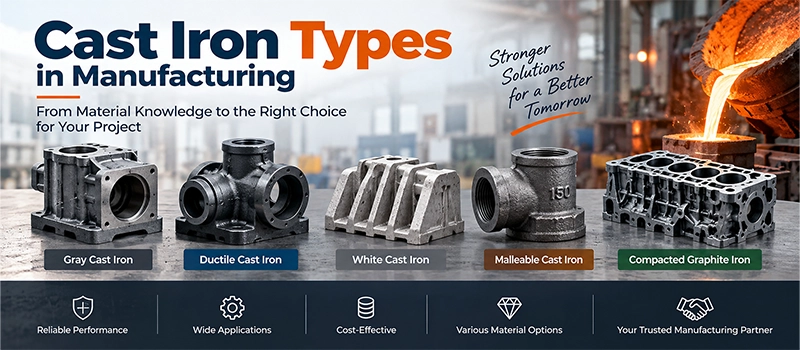
Types of Cast Iron
Several different types of cast iron are used in manufacturing. Each type offers unique properties depending on the graphite structure and alloy composition.
Gray Cast Iron
Gray cast iron is the most common type of cast iron. It contains graphite flakes within the microstructure, which provide excellent vibration damping and machinability.
Key advantages include:
- Good wear resistance
- Excellent machinability
- Strong vibration absorption
- Low production cost
Gray cast iron is widely used for:
- Engine blocks
- Machine tool bases
- Brake rotors
- Pump housings
Because of its graphite flake structure, gray cast iron also offers good thermal conductivity.
Ductile Cast Iron
Ductile cast iron, also called nodular iron or spheroidal graphite iron, contains rounded graphite nodules instead of flakes. This structure significantly improves toughness and ductility.
Main characteristics include:
- Higher tensile strength
- Better impact resistance
- Improved fatigue resistance
- Greater ductility
Ductile iron is commonly used in:
- Heavy machinery
- Automotive suspension systems
- Pressure pipes
- Agricultural equipment
Compared with gray iron, ductile iron performs much better under dynamic loading conditions.
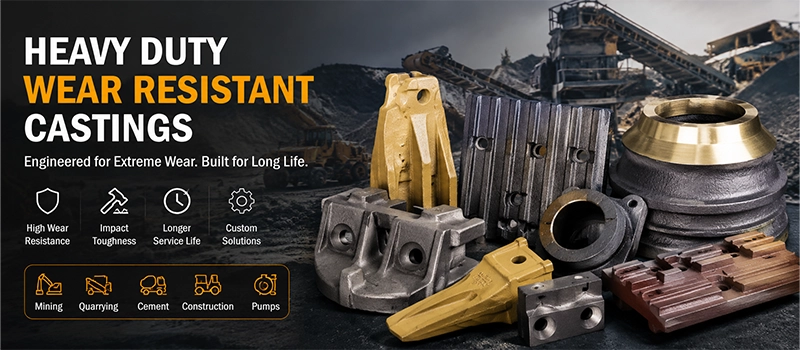
White Cast Iron
White cast iron contains carbon in the form of cementite rather than graphite. This creates an extremely hard and wear-resistant material.
Advantages include:
- Exceptional hardness
- Excellent abrasion resistance
- Long wear life
However, white cast iron is also brittle and difficult to machine.
Typical applications include:
- Mining equipment
- Crusher components
- Grinding machinery
- Wear-resistant liners
This material is often used in industries involving severe abrasion and heavy wear.
Malleable Cast Iron
Malleable cast iron is produced through heat treatment of white cast iron. The process improves ductility and toughness while maintaining good strength.
Important properties include:
- Improved machinability
- Better ductility
- Good shock resistance
- Reliable mechanical performance
Malleable iron is commonly found in:
- Pipe fittings
- Hand tools
- Automotive hardware
- Structural connectors
Although less common today than ductile iron, malleable iron still serves important industrial applications.
Advantages of Cast Iron
In the comparison of cast aluminum vs cast iron, cast iron offers several major advantages that continue to make it valuable in modern manufacturing.
Excellent Wear Resistance
Cast iron performs extremely well in abrasive and high-friction environments. The material’s hard microstructure helps reduce surface wear during long-term operation.
This makes cast iron ideal for:
- Mining machinery
- Brake systems
- Industrial pumps
- Heavy equipment components
Wear resistance is one of the main reasons cast iron remains popular in industrial machinery.
High Compressive Strength
Cast iron has outstanding compressive strength, allowing it to withstand heavy static loads without deformation.
Applications benefiting from this property include:
- Machine bases
- Construction equipment
- Hydraulic systems
- Large industrial frames
The material’s rigidity also helps maintain dimensional stability under heavy loads.
Superior Vibration Damping
One of the most important advantages of gray cast iron is its ability to absorb vibration.
This characteristic helps:
- Reduce machine noise
- Improve machining precision
- Increase equipment stability
- Extend service life
Machine tools and engine components often use cast iron because of this damping capability.
Cost-Effective Production
Compared with many non-ferrous materials, cast iron is relatively inexpensive to produce.
Advantages include:
- Lower raw material cost
- Mature manufacturing processes
- Efficient large-scale production
- Wide material availability
For heavy-duty industrial components, cast iron often provides excellent cost-performance balance.
Disadvantages of Cast Iron
Although cast iron offers many benefits, it also has several limitations that manufacturers must evaluate carefully.
Heavy Weight
One of the biggest disadvantages of cast iron is its high density. Cast iron components are significantly heavier than aluminum parts.
This increased weight may:
- Raise transportation costs
- Increase fuel consumption
- Complicate equipment installation
- Reduce energy efficiency
Weight reduction has become increasingly important in modern manufacturing industries.
Lower Corrosion Resistance
Standard cast iron is more vulnerable to corrosion than aluminum. Exposure to moisture or harsh environments may cause rust formation if protective coatings are not applied.
For outdoor or marine environments, additional surface treatment is often necessary.
Brittleness
Some types of cast iron, especially gray and white cast iron, are relatively brittle compared with steel or ductile materials.
Under sudden impact loads, brittle cast iron may crack or fracture.
This limits its suitability for applications involving strong shock loading.
More Difficult Machining
Certain cast iron grades can increase tool wear during machining operations due to their hardness and abrasive graphite structure.
Manufacturers may require:
- Specialized cutting tools
- Slower machining speeds
- Additional tooling maintenance
Machining costs can increase depending on the cast iron grade and component complexity.
Understanding the characteristics of cast iron is essential before directly comparing it with aluminum-based materials. Its strength, durability, and wear resistance make it indispensable in many heavy industrial applications despite the growing demand for lightweight alternatives.
Cast Aluminum vs Cast Iron: Key Differences
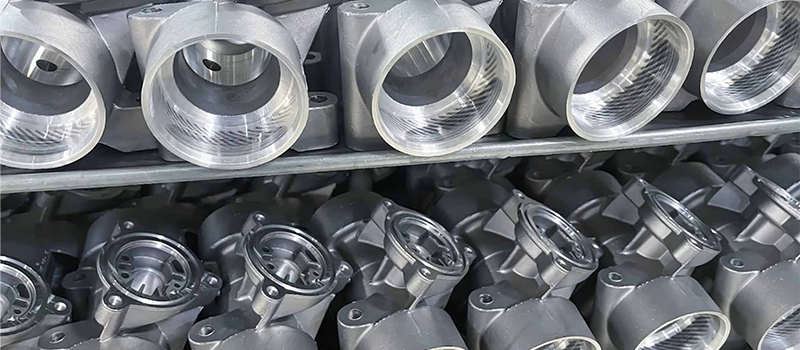
When comparing cast aluminum vs cast iron, manufacturers usually focus on several critical factors, including weight, strength, corrosion resistance, thermal performance, wear resistance, and machining capability. Although both materials are widely used in industrial manufacturing, the differences between cast aluminum vs cast iron directly affect product performance, production cost, service life, and application suitability.
Understanding these material differences helps engineers, buyers, and manufacturers choose the right casting material for specific industrial requirements.
Chemical Composition
One of the biggest differences between cast aluminum vs cast iron is chemical composition.
Cast aluminum is primarily composed of aluminum combined with alloying elements such as:
- Silicon
- Magnesium
- Copper
- Zinc
These alloying elements improve strength, corrosion resistance, fluidity, and thermal conductivity.
In contrast, cast iron mainly consists of:
- Iron
- Carbon
- Silicon
The carbon content in cast iron is much higher than in steel, usually between 2% and 4%. This high carbon percentage improves castability and wear resistance but also increases brittleness.
The chemical composition difference between cast aluminum vs cast iron leads to major differences in weight, hardness, corrosion resistance, and thermal behavior.
Density and Weight
Weight is one of the most important factors in the cast aluminum vs cast iron comparison.
Cast aluminum is significantly lighter than cast iron. Aluminum density is approximately 2.7 g/cm³, while cast iron density is about 7.2 g/cm³.
This means cast iron can weigh nearly three times more than cast aluminum for the same component size.
| Material | Approximate Density | Relative Weight |
|---|---|---|
| Cast Aluminum | 2.7 g/cm³ | Lightweight |
| Cast Iron | 7.2 g/cm³ | Heavy |
Because of this major weight difference, cast aluminum vs cast iron decisions are especially important in industries such as:
- Automotive manufacturing
- Aerospace engineering
- Electric vehicles
- Portable equipment
Reducing component weight can improve fuel efficiency, reduce transportation costs, and simplify installation procedures.
Cast iron, however, may still be preferred when additional mass helps improve machine stability or vibration control.
Strength Comparison
Strength is another major consideration in cast aluminum vs cast iron applications.
Cast iron generally offers higher compressive strength and better wear resistance, making it suitable for heavy-duty industrial systems.
Cast aluminum provides good strength-to-weight ratio but lower absolute strength compared with many cast iron grades.
| Property | Cast Aluminum | Cast Iron |
|---|---|---|
| Tensile Strength | Moderate | High |
| Compressive Strength | Moderate | Very High |
| Weight-to-Strength Ratio | Excellent | Lower |
| Impact Resistance | Good | Moderate |
In cast aluminum vs cast iron selection, manufacturers often evaluate whether lightweight performance or heavy-load durability is more important.
Cast iron is commonly chosen for:
- Heavy machinery
- Machine bases
- Mining equipment
- Industrial pumps
Cast aluminum is often preferred for:
- Automotive housings
- Lightweight structures
- Aerospace parts
- Portable machinery
Hardness Comparison
Hardness also plays an important role in cast aluminum vs cast iron performance.
Cast iron is typically much harder than cast aluminum. This higher hardness improves abrasion resistance and long-term durability in high-friction environments.
White cast iron, in particular, provides extremely high hardness levels suitable for severe wear conditions.
Cast aluminum is softer and easier to machine, but it may wear faster under abrasive operating conditions.
This difference explains why cast iron is frequently used for:
- Brake components
- Crusher parts
- Wear plates
- Industrial liners
while cast aluminum is favored for lightweight structural parts and components requiring complex machining.
Corrosion Resistance
Corrosion resistance is one of the most important advantages in the cast aluminum vs cast iron comparison.
Cast aluminum naturally forms a protective oxide layer that helps prevent corrosion. This makes cast aluminum highly suitable for humid, outdoor, and marine environments.
Cast iron, on the other hand, is more vulnerable to rust when exposed to moisture or chemicals.
| Corrosion Property | Cast Aluminum | Cast Iron |
|---|---|---|
| Rust Resistance | Excellent | Moderate |
| Outdoor Durability | High | Medium |
| Marine Suitability | Good | Limited |
| Surface Protection Need | Low | High |
Because of its superior corrosion resistance, cast aluminum is widely used for:
- Marine components
- Outdoor machinery
- Chemical equipment
- Architectural structures
Cast iron often requires:
- Painting
- Powder coating
- Galvanizing
- Oil protection
to reduce corrosion risk.
Heat Resistance
Heat performance is another important topic in cast aluminum vs cast iron discussions.
Cast iron generally maintains its strength better at elevated temperatures. This makes it suitable for high-temperature industrial systems and engine applications.
Cast aluminum transfers heat more efficiently but may lose mechanical strength faster under extreme heat.
| Thermal Property | Cast Aluminum | Cast Iron |
|---|---|---|
| Thermal Conductivity | High | Moderate |
| High-Temperature Strength | Moderate | High |
| Heat Dissipation | Excellent | Good |
Because of these differences:
- Cast aluminum is ideal for heat dissipation systems
- Cast iron is preferred for heat-resistant heavy-duty components
Thermal Conductivity
Thermal conductivity is one of the strongest advantages in the cast aluminum vs cast iron comparison.
Cast aluminum transfers heat much faster than cast iron. This property helps improve cooling efficiency and operational stability.
Applications benefiting from aluminum thermal conductivity include:
- Engine housings
- Heat exchangers
- LED housings
- Electronic cooling systems
Cast iron provides lower thermal conductivity but greater thermal stability under heavy operating loads.
Wear Resistance
Wear resistance is a critical factor in industrial applications involving friction and abrasion.
Cast iron generally offers much better wear resistance than cast aluminum due to its harder microstructure and graphite composition.
| Wear Property | Cast Aluminum | Cast Iron |
|---|---|---|
| Abrasion Resistance | Moderate | Excellent |
| Friction Durability | Medium | High |
| Surface Hardness | Lower | Higher |
For this reason, cast iron remains dominant in:
- Mining machinery
- Brake systems
- Industrial rollers
- Crushing equipment
Cast aluminum may require additional coatings or surface treatments to improve wear performance.
Machinability
Machinability is another important difference between cast aluminum vs cast iron.
Cast aluminum is generally easier and faster to machine. Its softer structure reduces cutting resistance and tool wear.
Benefits of aluminum machining include:
- Higher cutting speed
- Better surface finish
- Lower tooling cost
- Reduced machining time
Cast iron can also machine well, especially gray iron, but harder grades may increase tool wear and machining difficulty.
In high-volume production environments, machining efficiency can strongly influence overall manufacturing cost.
Welding Performance
Welding characteristics also differ significantly in cast aluminum vs cast iron applications.
Cast aluminum can be welded successfully using specialized welding procedures such as TIG or MIG welding. However, aluminum welding requires careful temperature control and surface preparation.
Cast iron is generally more difficult to weld because of its high carbon content and brittleness. Improper welding may cause cracking or structural weakness.
| Welding Property | Cast Aluminum | Cast Iron |
|---|---|---|
| Welding Difficulty | Moderate | High |
| Crack Risk | Moderate | High |
| Repair Capability | Good | Limited |
For components requiring frequent repair welding or structural modifications, welding performance becomes an important material selection factor.
The differences between cast aluminum vs cast iron influence nearly every aspect of industrial manufacturing, from production efficiency to equipment lifespan. Weight, strength, corrosion resistance, hardness, thermal performance, and wear resistance must all be carefully evaluated before selecting the most suitable casting material.
Manufacturing Process Comparison
The manufacturing process is one of the most important factors in the cast aluminum vs cast iron comparison. Although both materials use casting technology, their melting behavior, mold requirements, cooling characteristics, shrinkage rates, and finishing processes are very different.
These process differences directly influence:
- Production efficiency
- Dimensional accuracy
- Surface quality
- Machining requirements
- Manufacturing cost
- Product consistency
Understanding the manufacturing differences between cast aluminum vs cast iron helps manufacturers select the most suitable process for specific industrial applications.
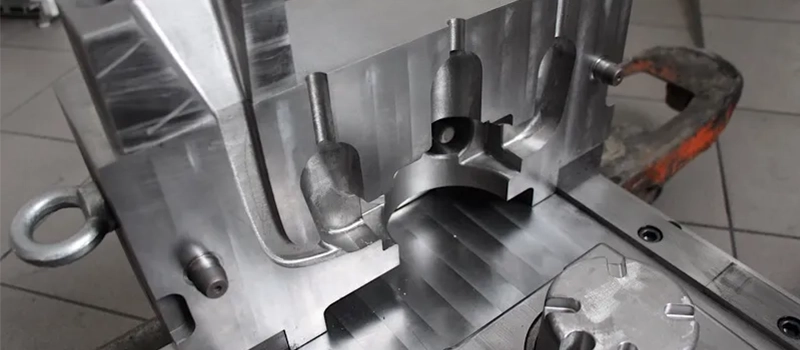
Aluminum Casting Process
The cast aluminum manufacturing process focuses heavily on lightweight production, precision casting, and high-volume efficiency.
Because aluminum melts at a relatively low temperature, typically around 660°C, aluminum casting consumes less melting energy compared with cast iron production.
The general aluminum casting process includes:
- Raw material preparation
- Aluminum alloy melting
- Degassing and impurity removal
- Mold preparation
- Molten aluminum pouring or injection
- Cooling and solidification
- Casting removal
- Surface finishing and machining
In cast aluminum vs cast iron production, aluminum offers better fluidity during pouring. Molten aluminum can fill thin-wall molds and complex geometries more easily.
This advantage makes cast aluminum especially suitable for:
- Precision housings
- Thin-wall structures
- Complex industrial parts
- High-volume automotive components
Die casting is one of the most common aluminum casting methods because it allows rapid production with excellent dimensional consistency.
Cast Iron Casting Process
The cast iron manufacturing process is designed for high-strength and heavy-duty components.
Cast iron melts at a much higher temperature than aluminum, usually between 1150°C and 1200°C depending on the iron grade. Higher melting temperatures increase energy consumption but also contribute to the material’s excellent mechanical strength.
The typical cast iron process includes:
- Iron melting in furnace systems
- Carbon and alloy composition adjustment
- Slag removal
- Sand mold preparation
- Molten iron pouring
- Controlled cooling
- Shakeout and cleaning
- Machining and finishing
In cast aluminum vs cast iron manufacturing, cast iron is commonly produced using sand casting because the process is highly suitable for large and heavy industrial components.
Typical cast iron products include:
- Engine blocks
- Machine bases
- Pump housings
- Pipe fittings
- Mining equipment parts
Compared with cast aluminum, cast iron manufacturing often prioritizes strength and durability over lightweight precision.
Mold Requirements
Mold design is another major difference in cast aluminum vs cast iron production.
Because aluminum has excellent fluidity and lower pouring temperatures, aluminum molds can produce highly detailed and thin-wall structures.
Common aluminum mold materials include:
- Steel dies
- Sand molds
- Ceramic molds
High-pressure die casting molds are especially common for aluminum mass production.
Cast iron molds must withstand much higher pouring temperatures and heavier molten metal loads. Sand molds are widely used because they provide:
- Good heat resistance
- Lower mold cost
- Flexibility for large castings
| Mold Factor | Cast Aluminum | Cast Iron |
|---|---|---|
| Pouring Temperature | Lower | Higher |
| Thin-Wall Capability | Excellent | Moderate |
| Mold Wear | Lower | Higher |
| Precision Capability | High | Medium |
| Common Mold Type | Die Casting | Sand Casting |
In cast aluminum vs cast iron production, aluminum generally achieves higher dimensional precision, while cast iron supports larger heavy-duty structures.
Cooling and Shrinkage Differences
Cooling behavior plays a critical role in casting quality.
In cast aluminum vs cast iron manufacturing, aluminum solidifies faster because of its lower melting point and higher thermal conductivity.
Fast cooling provides several benefits:
- Faster production cycles
- Better surface finish
- Improved dimensional control
However, aluminum also experiences relatively high shrinkage during solidification. Proper gating and riser design are essential to avoid:
- Porosity
- Shrinkage cavities
- Dimensional distortion
Cast iron cools more slowly and often provides better dimensional stability in large castings.
The graphite structure inside cast iron also helps reduce shrinkage stress during solidification.
| Cooling Factor | Cast Aluminum | Cast Iron |
|---|---|---|
| Cooling Speed | Fast | Slower |
| Thermal Conductivity | High | Moderate |
| Shrinkage Tendency | Higher | Lower |
| Risk of Porosity | Higher | Moderate |
These cooling differences strongly influence casting quality control and mold engineering.
Surface Finish Comparison
Surface finish quality is another important topic in cast aluminum vs cast iron manufacturing.
Cast aluminum generally produces smoother surfaces, especially in die casting and investment casting processes.
Advantages of aluminum surface finish include:
- Better appearance
- Reduced machining
- Improved coating quality
- Higher dimensional precision
This is one reason cast aluminum is widely used for consumer products, automotive housings, and visible industrial components.
Cast iron surfaces are usually rougher, especially with traditional sand casting methods.
However, rougher surfaces may not be problematic for heavy industrial equipment where function is more important than appearance.
| Surface Feature | Cast Aluminum | Cast Iron |
|---|---|---|
| Surface Smoothness | Excellent | Moderate |
| Cosmetic Appearance | Better | Rougher |
| Machining Need | Lower | Higher |
| Precision Finish | High | Medium |
In cast aluminum vs cast iron applications, surface finish requirements often influence process selection.
Dimensional Accuracy Comparison
Dimensional accuracy is one of the biggest manufacturing advantages of cast aluminum.
High-pressure die casting and investment casting allow aluminum components to achieve:
- Tight tolerances
- Thin-wall structures
- Complex geometries
- Consistent repeatability
This reduces secondary machining and improves production efficiency.
Cast iron, especially sand-cast iron, typically provides lower dimensional precision due to:
- Larger thermal expansion
- Slower cooling
- Mold deformation
- Rougher sand surfaces
However, cast iron remains highly suitable for:
- Large structural parts
- Heavy-duty machinery
- Industrial bases
- Equipment frames
| Accuracy Factor | Cast Aluminum | Cast Iron |
|---|---|---|
| Dimensional Precision | High | Moderate |
| Thin-Wall Capability | Excellent | Limited |
| Complex Geometry | Excellent | Good |
| Secondary Machining | Lower | Higher |
In modern manufacturing, cast aluminum vs cast iron decisions often depend on whether lightweight precision or heavy-duty durability is the higher priority.
The manufacturing process differences between cast aluminum vs cast iron significantly influence production efficiency, product quality, tooling investment, and industrial application suitability. Aluminum casting emphasizes lightweight precision and high-volume production, while cast iron manufacturing focuses more on strength, durability, and heavy-load capability.
Cast Aluminum vs Cast Iron Cost Comparison
Cost is one of the most important considerations in the cast aluminum vs cast iron decision-making process. Manufacturers must evaluate not only raw material pricing, but also production efficiency, machining expense, transportation cost, maintenance requirements, and long-term operating value.
In many industrial applications, selecting between cast aluminum vs cast iron is ultimately a balance between initial manufacturing cost and long-term performance benefits.
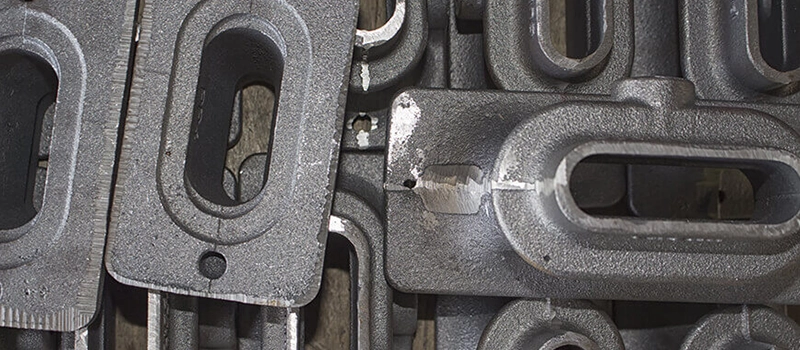
Raw Material Cost
Raw material pricing is one of the first differences manufacturers notice when comparing cast aluminum vs cast iron.
In most global markets, cast iron raw materials are generally less expensive than aluminum alloys. Iron ore and recycled ferrous materials are widely available, helping reduce material costs for cast iron production.
Aluminum alloys typically cost more because:
- Aluminum extraction requires higher energy consumption
- Alloying elements increase material cost
- Global aluminum demand remains high
- Lightweight materials carry higher market value
| Cost Factor | Cast Aluminum | Cast Iron |
|---|---|---|
| Raw Material Cost | Higher | Lower |
| Scrap Recycling Value | High | Moderate |
| Market Price Stability | Moderate | Stable |
| Material Availability | High | Very High |
Because of the lower material cost, cast iron is often preferred for large heavy-duty industrial components where weight reduction is not critical.
However, in cast aluminum vs cast iron analysis, aluminum’s higher material price may be offset by other operational advantages.
Production Cost
Production cost is heavily influenced by manufacturing methods, energy consumption, tooling investment, and production volume.
In cast aluminum vs cast iron manufacturing:
- Aluminum melts at lower temperatures
- Cast iron requires higher furnace temperatures
This means aluminum casting generally consumes less melting energy.
However, aluminum die casting often requires:
- Expensive steel molds
- Precision tooling
- High-pressure equipment
Cast iron sand casting usually has:
- Lower tooling cost
- Simpler mold systems
- Greater flexibility for large castings
| Production Factor | Cast Aluminum | Cast Iron |
|---|---|---|
| Melting Temperature | Lower | Higher |
| Energy Consumption | Lower | Higher |
| Tooling Investment | Higher | Lower |
| High-Volume Efficiency | Excellent | Good |
| Large Part Capability | Moderate | Excellent |
For mass production, cast aluminum can achieve very high efficiency due to rapid cycle times and automation.
For low-volume or oversized components, cast iron often remains more economical.
Machining Cost
Machining cost is another major factor in cast aluminum vs cast iron manufacturing.
Cast aluminum is generally easier and faster to machine because of its softer structure and lower cutting resistance.
Advantages of aluminum machining include:
- Faster cutting speed
- Reduced tool wear
- Better surface finish
- Shorter machining cycles
Cast iron, especially harder grades, may increase machining difficulty and tooling consumption.
| Machining Factor | Cast Aluminum | Cast Iron |
|---|---|---|
| Machining Speed | Fast | Moderate |
| Tool Wear | Low | Higher |
| Surface Finish Quality | Better | Moderate |
| Machining Cost | Lower | Higher |
In high-volume production environments, improved machining efficiency can significantly reduce total manufacturing cost.
This is one reason cast aluminum is widely used for automotive housings and precision industrial parts.
Transportation Cost
Transportation cost is one of the biggest practical differences in cast aluminum vs cast iron applications.
Because cast aluminum is much lighter, transportation becomes:
- Less expensive
- Easier to manage
- More fuel-efficient
Cast iron components are significantly heavier, increasing shipping expenses and handling requirements.
| Transportation Factor | Cast Aluminum | Cast Iron |
|---|---|---|
| Component Weight | Lightweight | Heavy |
| Shipping Cost | Lower | Higher |
| Fuel Consumption Impact | Lower | Higher |
| Installation Difficulty | Easier | More Difficult |
For industries exporting products internationally, lightweight cast aluminum can create substantial long-term savings.
Transportation savings become especially important for:
- Automotive parts
- Portable machinery
- Agricultural equipment
- Export-oriented manufacturing
In many global supply chains, transportation cost strongly influences cast aluminum vs cast iron material selection.
Maintenance Cost
Maintenance cost is another important consideration in cast aluminum vs cast iron industrial applications.
Cast aluminum offers strong natural corrosion resistance, reducing the need for frequent protective maintenance.
Advantages include:
- Reduced rust prevention cost
- Lower repainting frequency
- Improved outdoor durability
- Better corrosion performance
Cast iron generally requires more protective maintenance because it is vulnerable to rust and environmental corrosion.
Common cast iron maintenance requirements include:
- Surface coating
- Painting
- Oil protection
- Corrosion inspections
| Maintenance Factor | Cast Aluminum | Cast Iron |
|---|---|---|
| Corrosion Resistance | Excellent | Moderate |
| Rust Prevention Need | Low | High |
| Outdoor Maintenance | Lower | Higher |
| Long-Term Surface Stability | Better | Moderate |
For humid or outdoor environments, cast aluminum often provides lower long-term maintenance expenses.
Overall Lifecycle Cost
The true cost comparison between cast aluminum vs cast iron should consider the entire product lifecycle rather than only initial manufacturing cost.
Cast iron may provide lower upfront cost because of:
- Lower material price
- Simpler tooling
- Mature manufacturing systems
However, cast aluminum may reduce long-term operating costs through:
- Lower transportation expenses
- Reduced energy consumption
- Better corrosion resistance
- Easier handling
- Lower maintenance requirements
| Lifecycle Factor | Cast Aluminum | Cast Iron |
|---|---|---|
| Initial Cost | Higher | Lower |
| Operating Efficiency | Higher | Moderate |
| Transportation Savings | Excellent | Limited |
| Corrosion Maintenance | Lower | Higher |
| Long-Term Value | High | High |
In cast aluminum vs cast iron selection, manufacturers must evaluate both short-term production budgets and long-term operational efficiency.
For lightweight, corrosion-resistant, and energy-efficient systems, cast aluminum often provides better long-term value.
For heavy-duty industrial equipment requiring maximum durability at lower initial cost, cast iron frequently remains the preferred solution.
The cost differences between cast aluminum vs cast iron involve much more than raw material pricing alone. Production efficiency, machining performance, transportation expense, maintenance requirements, and lifecycle economics all play critical roles in determining the most cost-effective material for industrial manufacturing.
Mechanical Performance Comparison
Mechanical performance is one of the most critical aspects in the cast aluminum vs cast iron comparison. Engineers and manufacturers must evaluate how each material performs under different mechanical loads, operating conditions, temperatures, and long-term stress cycles.
The mechanical differences between cast aluminum vs cast iron directly affect:
- Structural stability
- Service lifespan
- Impact resistance
- Load capacity
- Fatigue durability
- Equipment reliability
Choosing the wrong material may lead to premature failure, excessive wear, or unnecessary production cost.
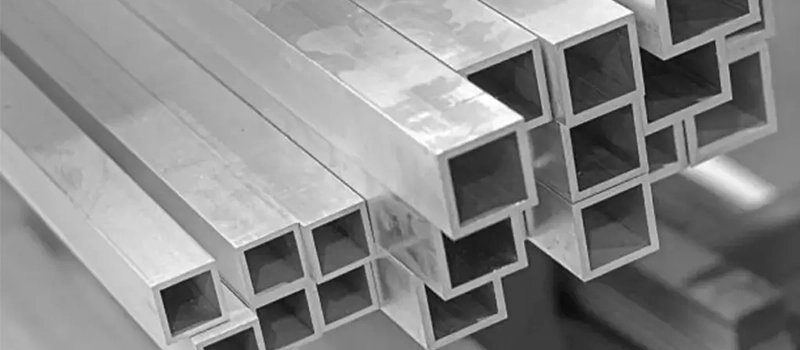
Tensile Strength
Tensile strength measures a material’s ability to resist pulling forces before failure.
In cast aluminum vs cast iron applications, cast iron generally offers higher tensile strength, especially ductile iron grades designed for heavy-duty industrial use.
Cast aluminum provides moderate tensile strength but delivers a much better strength-to-weight ratio.
| Tensile Property | Cast Aluminum | Cast Iron |
|---|---|---|
| Tensile Strength Level | Moderate | High |
| Weight-to-Strength Ratio | Excellent | Moderate |
| Structural Rigidity | Moderate | High |
| Lightweight Performance | Excellent | Low |
Because of its lightweight advantage, cast aluminum is widely used for:
- Automotive housings
- Aerospace structures
- Lightweight machinery
- Electric vehicle components
Cast iron is often selected for:
- Heavy industrial machinery
- Engine blocks
- Machine bases
- Structural industrial systems
In cast aluminum vs cast iron decisions, tensile strength alone is not enough. Weight efficiency must also be considered.
Yield Strength
Yield strength refers to the stress level at which a material begins to deform permanently.
In cast aluminum vs cast iron comparisons, cast iron usually provides greater resistance to deformation under heavy static loads.
This makes cast iron highly suitable for:
- Heavy equipment frames
- Industrial support structures
- Hydraulic systems
- Construction machinery
Cast aluminum offers lower yield strength but performs well in applications requiring reduced mass and moderate loading.
| Yield Property | Cast Aluminum | Cast Iron |
|---|---|---|
| Yield Strength | Moderate | High |
| Resistance to Permanent Deformation | Moderate | Excellent |
| Heavy Load Capability | Medium | High |
For applications involving continuous heavy pressure, cast iron often delivers better structural stability.
Compression Strength
Compression strength is one of the strongest advantages in the cast aluminum vs cast iron comparison.
Cast iron performs exceptionally well under compressive loading conditions. Its rigid microstructure allows it to withstand high static pressure without significant deformation.
| Compression Property | Cast Aluminum | Cast Iron |
|---|---|---|
| Compression Strength | Moderate | Very High |
| Structural Stability | Good | Excellent |
| Heavy Static Load Resistance | Medium | Outstanding |
This is one reason cast iron remains dominant in:
- Machine tool bases
- Press machinery
- Industrial foundations
- Heavy structural frames
Cast aluminum is less suitable for extremely high compressive loading environments but remains effective for lightweight engineering systems.
Fatigue Resistance
Fatigue resistance measures how well a material withstands repeated stress cycles over time.
In cast aluminum vs cast iron applications, fatigue performance depends heavily on alloy composition, casting quality, and operating conditions.
Ductile cast iron generally offers strong fatigue resistance because of its nodular graphite structure.
Cast aluminum also performs well in cyclic loading environments when properly designed and heat treated.
| Fatigue Property | Cast Aluminum | Cast Iron |
|---|---|---|
| Cyclic Load Performance | Good | Excellent |
| Crack Resistance | Moderate | High |
| Long-Term Durability | Good | Excellent |
Fatigue resistance is especially important for:
- Automotive suspension systems
- Rotating machinery
- Engine components
- Vibration-loaded structures
Poor fatigue performance may result in crack formation and premature component failure.
Impact Resistance
Impact resistance describes how well a material absorbs sudden shock loads without cracking or fracturing.
In cast aluminum vs cast iron comparisons, cast aluminum generally provides better impact flexibility than gray cast iron because aluminum is less brittle.
However, ductile cast iron significantly improves impact performance compared with traditional gray iron.
| Impact Property | Cast Aluminum | Cast Iron |
|---|---|---|
| Shock Absorption | Good | Moderate |
| Brittleness | Lower | Higher |
| Fracture Risk | Moderate | Higher |
| Toughness | Good | Moderate to High |
Applications requiring strong impact resistance include:
- Automotive structures
- Agricultural machinery
- Construction equipment
- Heavy transport systems
Material brittleness must always be considered in dynamic working environments.
Vibration Damping Performance
Vibration damping is one of the most overlooked but important factors in cast aluminum vs cast iron selection.
Gray cast iron is especially famous for its excellent vibration absorption capability. The graphite flake structure inside the material helps dissipate vibration energy effectively.
| Damping Property | Cast Aluminum | Cast Iron |
|---|---|---|
| Vibration Absorption | Moderate | Excellent |
| Noise Reduction | Moderate | High |
| Machine Stability | Good | Excellent |
| Precision Equipment Suitability | Moderate | High |
This makes cast iron highly suitable for:
- Machine tool bases
- Industrial production equipment
- Engine blocks
- Precision machining systems
Good vibration damping helps:
- Improve machining precision
- Reduce operational noise
- Increase equipment lifespan
- Improve mechanical stability
Cast aluminum generally provides lower vibration damping because of its lighter and less rigid structure.
However, aluminum’s lightweight characteristics may still be preferred in applications prioritizing mobility and energy efficiency.
Overall Mechanical Performance Comparison
The overall mechanical differences between cast aluminum vs cast iron can be summarized through several key characteristics.
| Mechanical Factor | Cast Aluminum | Cast Iron |
|---|---|---|
| Weight | Lightweight | Heavy |
| Tensile Strength | Moderate | High |
| Compression Strength | Moderate | Very High |
| Wear Resistance | Moderate | Excellent |
| Impact Resistance | Good | Moderate |
| Vibration Damping | Moderate | Excellent |
| Corrosion Resistance | Excellent | Moderate |
| Machinability | Excellent | Good |
In cast aluminum vs cast iron applications, the best material depends entirely on operating conditions and engineering priorities.
Cast aluminum is usually preferred for:
- Lightweight systems
- Fuel-efficient equipment
- Corrosion-resistant applications
- Precision housings
Cast iron is commonly selected for:
- Heavy-duty machinery
- High-load systems
- Wear-resistant applications
- Vibration-sensitive equipment
The mechanical performance differences between cast aluminum vs cast iron explain why both materials remain essential in modern manufacturing. Each material offers unique advantages that suit different industrial environments, production requirements, and long-term operational demands.
Cast Aluminum vs Cast Iron Applications
The differences between cast aluminum vs cast iron become especially clear when examining real industrial applications. Both materials are widely used across manufacturing industries, but each material performs better under different operating conditions.
In cast aluminum vs cast iron selection, engineers typically evaluate:
- Weight requirements
- Strength demands
- Corrosion exposure
- Heat conditions
- Production cost
- Service lifespan
These factors determine which material provides the best balance between performance and efficiency.
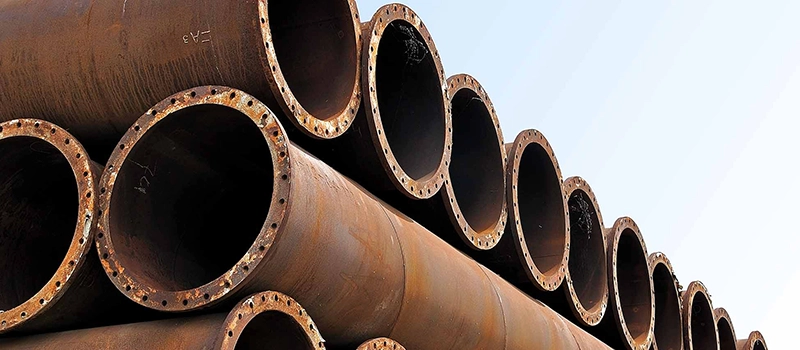
Automotive Industry
The automotive industry is one of the largest users of both cast aluminum and cast iron materials. Vehicle manufacturers continuously balance lightweight design with mechanical durability.
In modern automotive engineering, cast aluminum vs cast iron decisions strongly affect:
- Fuel efficiency
- Vehicle weight
- Heat management
- Structural strength
- Manufacturing cost
Engine Components
Engine systems use both cast aluminum and cast iron depending on the component function.
Cast iron has traditionally been used for:
- Engine blocks
- Cylinder liners
- Crankshaft housings
because of its:
- High wear resistance
- Excellent strength
- Strong heat durability
- Good vibration damping
However, modern automotive manufacturers increasingly use cast aluminum for engine components to reduce vehicle weight.
Cast aluminum engine parts commonly include:
- Cylinder heads
- Timing covers
- Intake manifolds
- Oil pans
| Engine Factor | Cast Aluminum | Cast Iron |
|---|---|---|
| Weight Reduction | Excellent | Limited |
| Heat Dissipation | Excellent | Moderate |
| Wear Resistance | Moderate | High |
| Fuel Efficiency Benefit | High | Moderate |
In cast aluminum vs cast iron engine applications, aluminum improves fuel economy while cast iron improves long-term wear durability.
Gearbox Housings
Gearbox and transmission housings frequently use cast aluminum because lightweight construction improves overall vehicle efficiency.
Advantages of cast aluminum gearbox housings include:
- Reduced vehicle mass
- Better thermal conductivity
- Easier machining
- Improved corrosion resistance
Cast iron gearbox housings are still used in:
- Heavy-duty trucks
- Industrial vehicles
- Construction machinery
where higher structural rigidity is required.
Brake Components
Brake systems require materials capable of handling friction and heat.
Cast iron remains dominant for brake rotors because it provides:
- Excellent wear resistance
- Strong thermal stability
- Good vibration damping
- Reliable friction performance
Cast aluminum is sometimes used for brake calipers and lightweight support structures.
In cast aluminum vs cast iron braking systems, cast iron still performs better in high-friction environments.
Agricultural Machinery
Agricultural equipment operates under heavy loads, vibration, mud exposure, and harsh outdoor conditions.
Because of these conditions, cast aluminum vs cast iron selection depends heavily on equipment type.
Cast iron is commonly used for:
- Tractor housings
- Gear cases
- Heavy support structures
- Hydraulic systems
because of its:
- Durability
- Wear resistance
- High load capacity
Cast aluminum is increasingly used for:
- Lightweight covers
- Pump housings
- Engine components
- Portable agricultural equipment
| Agricultural Factor | Cast Aluminum | Cast Iron |
|---|---|---|
| Corrosion Resistance | Excellent | Moderate |
| Heavy Load Capacity | Moderate | High |
| Weight Reduction | Excellent | Low |
| Structural Durability | Good | Excellent |
In modern agriculture, cast aluminum helps reduce machine weight and fuel consumption, while cast iron continues supporting heavy-duty structural applications.
Mining Equipment
Mining is one of the harshest industrial environments for metal components.
Mining systems require materials capable of resisting:
- Abrasion
- Heavy impact
- Continuous vibration
- Extreme mechanical stress
In cast aluminum vs cast iron mining applications, cast iron remains the dominant material because of its superior wear resistance and compressive strength.
Common cast iron mining components include:
- Crusher liners
- Grinding equipment
- Pump housings
- Heavy structural supports
White cast iron is especially valued in mining because of its extreme hardness and abrasion resistance.
Cast aluminum has limited use in mining environments because softer aluminum surfaces wear more quickly under abrasive conditions.
However, cast aluminum may still be used for:
- Lightweight covers
- Electrical enclosures
- Portable equipment housings
Construction Equipment
Construction machinery operates under high loads, strong vibration, and difficult environmental conditions.
In cast aluminum vs cast iron construction equipment applications, both materials serve different functions.
Cast iron is commonly used for:
- Machine frames
- Hydraulic housings
- Counterweight structures
- Heavy-duty gear systems
because of its:
- High rigidity
- Compression strength
- Long service life
Cast aluminum is increasingly used for:
- Cab structures
- Cooling system parts
- Lightweight engine components
- Portable construction tools
| Construction Factor | Cast Aluminum | Cast Iron |
|---|---|---|
| Heavy-Duty Strength | Moderate | Excellent |
| Weight Reduction | Excellent | Limited |
| Corrosion Resistance | Excellent | Moderate |
| Vibration Control | Moderate | Excellent |
As fuel efficiency standards become stricter, cast aluminum continues gaining popularity in construction machinery manufacturing.
Pumps and Valves
Pump and valve systems often require strong corrosion resistance and pressure stability.
In cast aluminum vs cast iron fluid system applications, material selection depends heavily on operating conditions.
Cast iron pumps and valves are widely used in:
- Industrial water systems
- Hydraulic systems
- Heavy-duty fluid transport
because cast iron provides:
- Excellent structural stability
- Good pressure resistance
- Long service life
Cast aluminum pumps and valves are often selected for:
- Lightweight fluid systems
- Corrosion-sensitive environments
- Portable industrial equipment
| Fluid System Factor | Cast Aluminum | Cast Iron |
|---|---|---|
| Corrosion Resistance | Excellent | Moderate |
| Pressure Resistance | Moderate | High |
| Weight Efficiency | Excellent | Limited |
| Industrial Durability | Good | Excellent |
For outdoor or marine systems, cast aluminum often performs better because of its natural corrosion resistance.
Industrial Machinery
Industrial machinery manufacturers frequently evaluate cast aluminum vs cast iron based on stability, vibration control, and equipment weight.
Cast iron remains one of the most important materials for:
- Machine tool bases
- Industrial presses
- Manufacturing equipment frames
because of its excellent vibration damping capability.
Reduced vibration improves:
- Machining precision
- Equipment stability
- Operational lifespan
Cast aluminum is often preferred for:
- Lightweight industrial equipment
- Automation systems
- Electronic machinery housings
- Portable manufacturing devices
The increasing demand for automation and energy efficiency continues driving aluminum adoption in industrial machinery.
Cookware and Consumer Products
Consumer products represent another major area where cast aluminum vs cast iron differences become highly visible.
Cast iron cookware is valued for:
- Excellent heat retention
- Durability
- Long lifespan
- Stable cooking temperature
Cast aluminum cookware offers:
- Lightweight handling
- Faster heating
- Better corrosion resistance
- Easier portability
| Consumer Product Factor | Cast Aluminum | Cast Iron |
|---|---|---|
| Weight | Lightweight | Heavy |
| Heat Retention | Moderate | Excellent |
| Heating Speed | Fast | Moderate |
| Maintenance Need | Lower | Higher |
Both materials remain popular because they serve different consumer preferences and cooking styles.
The application differences between cast aluminum vs cast iron demonstrate why both materials remain essential across modern manufacturing industries. Cast aluminum dominates lightweight, corrosion-resistant, and energy-efficient systems, while cast iron continues excelling in heavy-duty, wear-resistant, and vibration-sensitive industrial applications.
Conclusion
The comparison between cast aluminum vs cast iron shows that both materials offer unique advantages for different industrial applications. Cast aluminum provides lightweight performance, excellent corrosion resistance, strong thermal conductivity, and efficient machining capability, making it highly suitable for automotive, aerospace, portable equipment, and modern energy-efficient systems.
Cast iron, on the other hand, delivers outstanding strength, superior wear resistance, excellent vibration damping, and long-term durability under heavy mechanical loads. This makes cast iron ideal for mining equipment, industrial machinery, construction systems, and high-load structural applications.
In cast aluminum vs cast iron selection, there is no single material that is universally better. The correct choice depends on operating conditions, weight requirements, environmental exposure, mechanical stress, production cost, and long-term performance expectations.
Manufacturers that fully understand the differences between cast aluminum vs cast iron can improve product reliability, optimize production efficiency, reduce lifecycle cost, and select the most effective material for each industrial application.