
Vacuum Investment Casting: Guide to Superior Quality
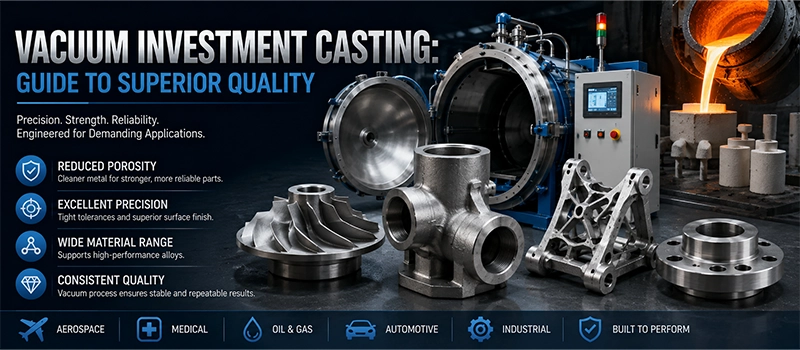
Vacuum investment casting is an advanced precision casting process that produces high-quality metal components with excellent dimensional accuracy, superior surface finish, and enhanced mechanical properties. By minimizing oxidation, gas porosity, and contamination during melting and pouring, vacuum investment casting delivers cleaner castings and more consistent performance than conventional casting methods. This guide explains how vacuum investment casting works, its key advantages, suitable materials, major industrial applications, and how to choose the right manufacturing partner. Whether producing aerospace, medical, automotive, or industrial components, understanding vacuum investment casting helps engineers and buyers improve product quality, manufacturing efficiency, and long-term reliability.
Custom Stainless Steel Investment Casting Services
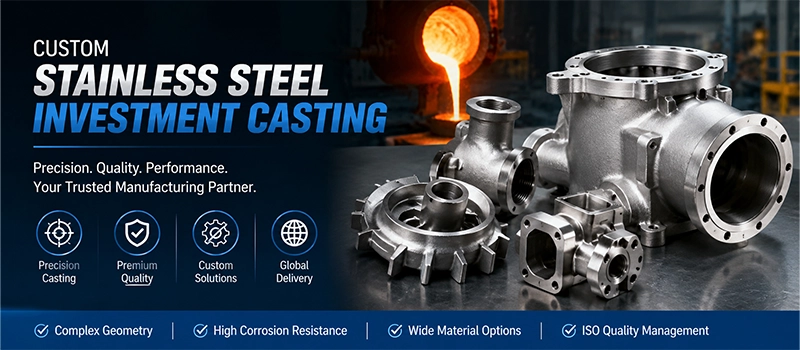
Stainless steel investment casting is a widely used manufacturing process for producing complex, durable, and high-performance metal components. This guide explores the fundamentals of stainless steel investment casting, its key advantages, available stainless steel grades, and common industrial applications. It also provides an overview of the manufacturing capabilities, quality control procedures, and engineering support offered by Dalian Zhongsheng Metal Product Co., Ltd. In addition, readers will gain insight into the factors that influence casting costs and the benefits of working with an experienced investment casting manufacturer. Whether sourcing prototypes or large-scale production, this article offers valuable information for buyers seeking reliable custom stainless steel investment casting solutions.
Shaft Machining: Powerful CNC Solutions for OEMs
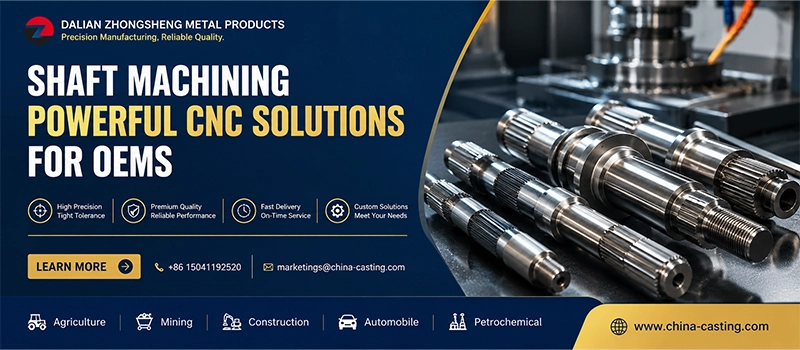
Shaft machining is a critical manufacturing process used to produce components that transmit power and motion in mechanical systems. This article explores the fundamentals of shaft machining, including the complete machining process, modern CNC shaft machining technology, custom shaft machining solutions, and precision tolerance control. It explains how manufacturers achieve high accuracy, superior surface finishes, and reliable performance for a wide range of industrial applications. Whether for OEM production or specialized engineering projects, understanding precision shaft machining helps businesses select the right manufacturing solutions and improve equipment reliability.
Ductile Iron Casting: Essential Benefits & Process
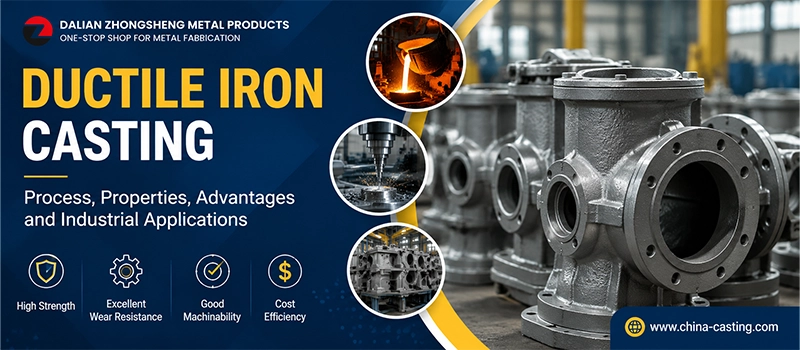
Ductile iron casting is one of the most widely used manufacturing methods for producing strong, durable, and cost-effective metal components. Its unique graphite structure provides superior mechanical properties compared to traditional cast iron while offering a more economical alternative to many steel castings. This article explains what ductile iron casting is, compares it with gray iron and steel casting, explores the manufacturing process, highlights its key advantages, and examines common industrial applications. It also provides practical guidance for selecting a reliable supplier for custom metal parts projects.
Cast Aluminum vs Cast Iron: Best Key Differences
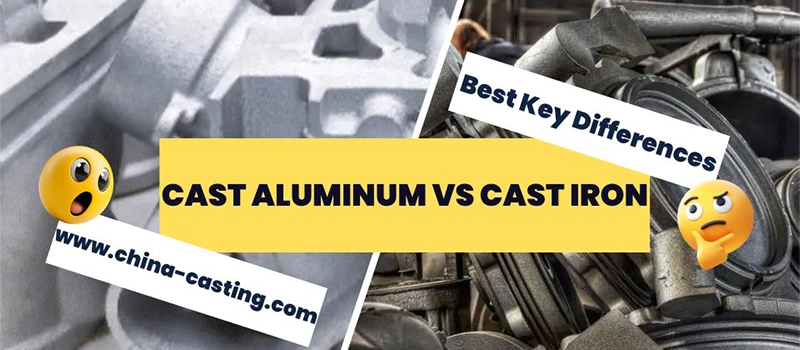
This article provides a comprehensive comparison of cast aluminum vs cast iron, focusing on their material properties, manufacturing processes, mechanical performance, costs, and industrial applications. It explains the major differences in weight, strength, corrosion resistance, thermal conductivity, wear resistance, machinability, and durability. The article also examines how cast aluminum vs cast iron is applied in industries such as automotive, agriculture, mining, construction, industrial machinery, and consumer products. By understanding the advantages and limitations of both materials, manufacturers and buyers can select the most suitable casting solution for specific performance requirements and production goals.
Copper Laser Cutting: Ultimate Precision & Application Guide
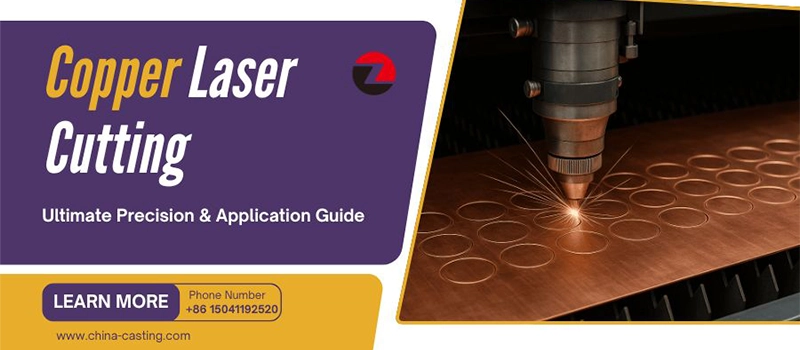
This article explores copper laser cutting, including its working principles, feasibility, and key technologies such as fiber laser cutting copper and CO2 laser cutting copper. It analyzes differences between copper sheet, plate, and tube processing, and explains the advantages of copper laser cutting services. The article also highlights major industrial applications, showing why laser cutting copper is widely used for precision manufacturing across multiple sectors.
Die Casting Heat Treatment Processes: Proven Types Guide
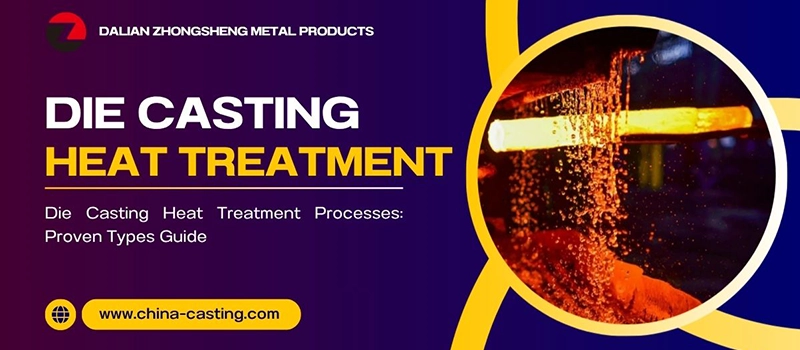
This article provides a comprehensive overview of die casting heat treatment processes, focusing on different types, mechanisms, and applications. It explains how each process affects strength, defects, and cost, and offers practical guidance on selecting the most suitable method based on material, quality, and performance requirements.
Hot Bending: Efficient Metal Forming vs Cold Bending
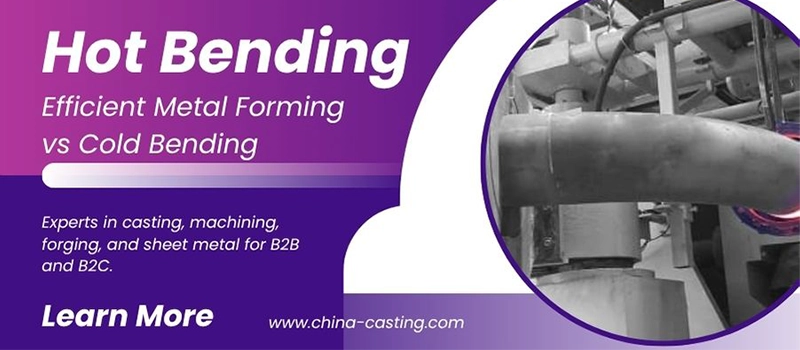
Hot bending is a metal forming process that uses elevated temperatures to reduce material resistance and enable complex shaping. This article explains the hot bending process, temperature requirements, material behavior, and industrial pipe applications, along with a clear comparison between hot bending and cold bending. By understanding these factors, manufacturers can select the right method to improve efficiency, ensure structural integrity, and optimize production outcomes.
Cold Bending: Efficient Metal Forming vs Hot Bending
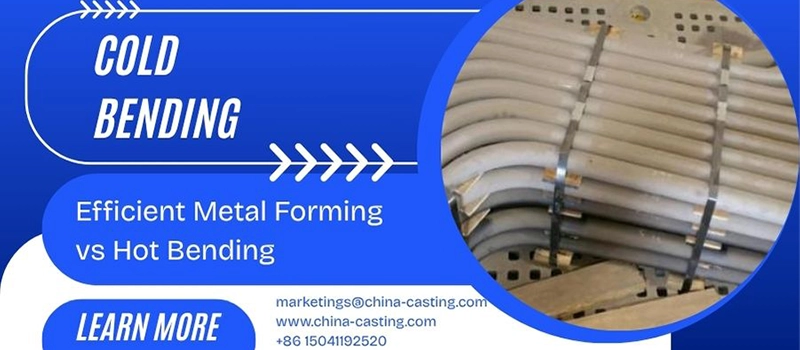
Cold bending is a key metal forming process used to shape materials without heat. This article explains the cold bending process, material behavior, pipe and pipeline applications, and the differences between cold bending and hot bending, helping manufacturers improve efficiency, reduce costs, and achieve precise results.
