
Medium Carbon Steel: Powerful Properties and Industrial Uses
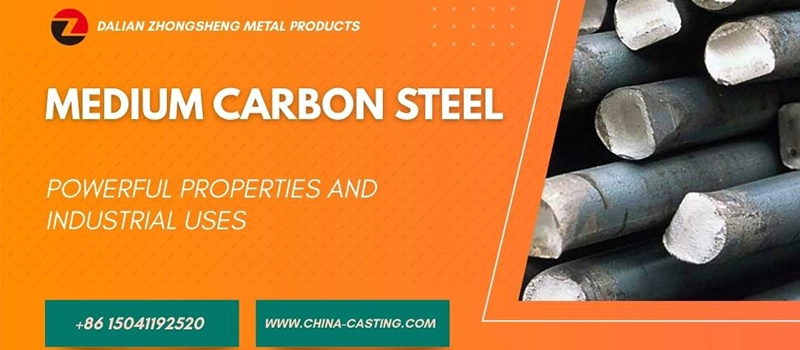
Medium carbon steel is widely used in engineering because it provides a balanced combination of strength, hardness, and toughness. This article explains its composition, mechanical properties, advantages, manufacturing processes, common grades, and industrial applications in machinery and industrial equipment.
High Carbon Steel: Powerful Properties and Uses
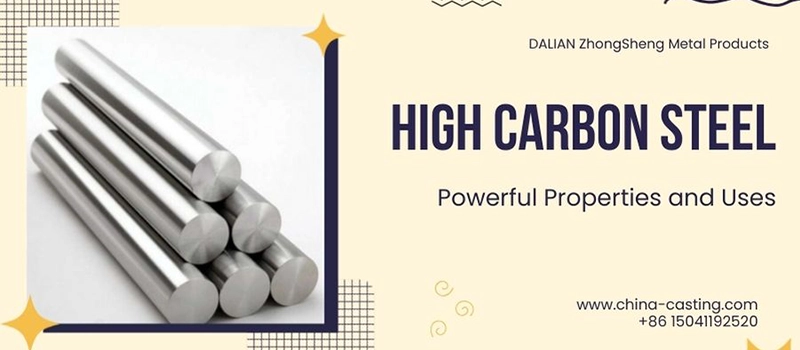
High carbon steel is known for its exceptional hardness, strength, and wear resistance. This article explains the composition, mechanical properties, advantages, manufacturing processes, common types, and industrial applications of high carbon steel, helping readers understand why it is widely used in tools, springs, blades, and other high-performance components.
Low Carbon Steel: Powerful Properties, Advantages and Uses
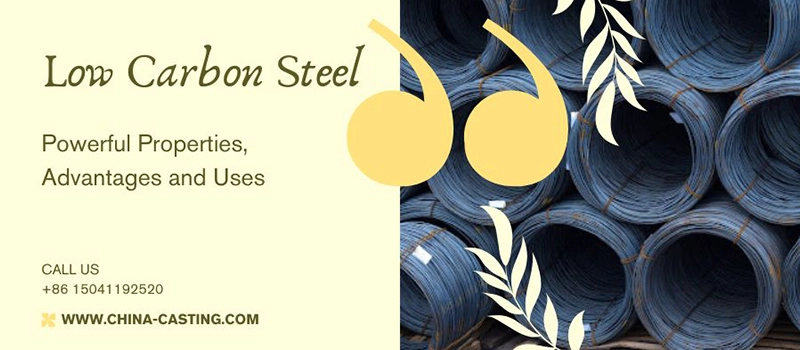
Low carbon steel is one of the most widely used engineering materials due to its excellent ductility, weldability, and cost efficiency. This article explains the composition, mechanical properties, advantages, manufacturing processes, and common uses of low carbon steel, while also comparing it with other types of steel used in modern industrial applications.
CNC Machining Materials: Essential Guide to the Best Choices
CNC machining materials directly influence machining efficiency, tool life, dimensional stability, and overall production cost. This guide explains material types, performance factors, machining process compatibility, and the scientific principles behind material behavior. By understanding mechanical properties, thermal characteristics, and machinability, manufacturers can make informed decisions that balance strength, precision, and cost-effectiveness.
Tin Bronze: Powerful Industrial Benefits and Advantages
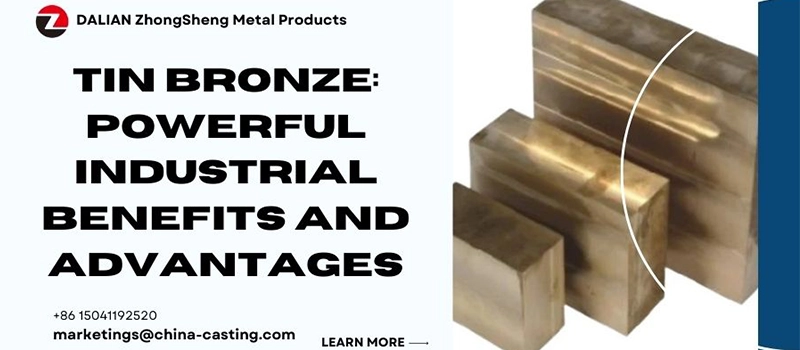
Tin bronze is a copper–tin alloy widely used in industrial manufacturing due to its strength, wear resistance, corrosion stability, and casting reliability. This article explains its composition, mechanical properties, key applications, and comparison with other bronze alloys, helping engineers and manufacturers understand why tin bronze remains a dependable material in demanding environments.
Refractory Metals: Powerful Properties and Advantages
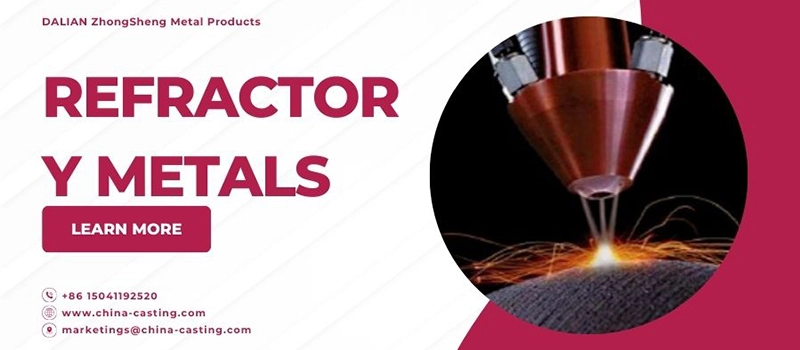
Refractory metals are high-performance materials known for exceptional melting points, strength at elevated temperatures, and long-term structural stability. This article explores the characteristics, common types, industrial applications, advantages, and manufacturing processes of refractory metals, highlighting their critical role in extreme engineering environments.
Aluminum Bronze Properties and Powerful Industrial Benefits
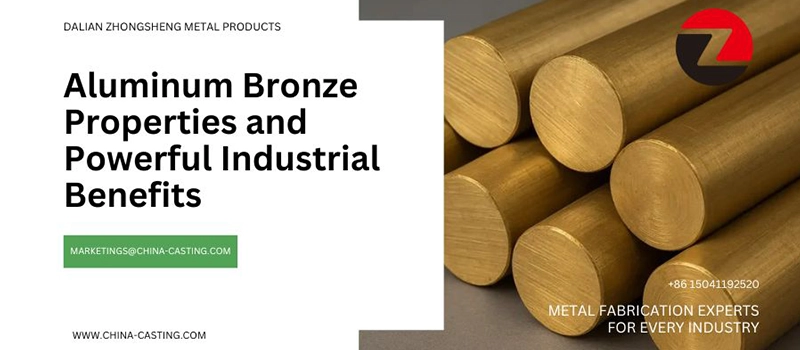
Aluminum Bronze is a high-performance copper-based alloy known for exceptional strength, corrosion resistance, and wear durability. This article explains its composition, mechanical properties, industrial applications, advantages over other alloys, and fabrication methods used in demanding environments such as marine, mining, petrochemical, and heavy machinery industries.
Ferrous Metals: Best Complete Guide for Industry
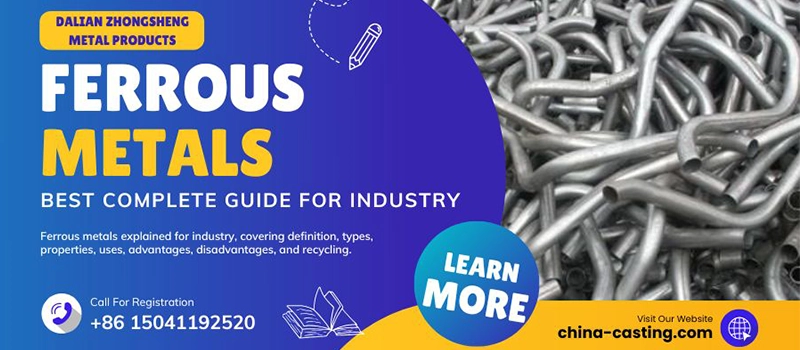
This article explains ferrous metals from an industrial perspective, including their definition, main types, material properties, common uses, advantages, limitations, and recycling systems, providing a clear foundation for material selection in manufacturing and industry.
Non Ferrous Metals: Best Complete Guide for Manufacturing
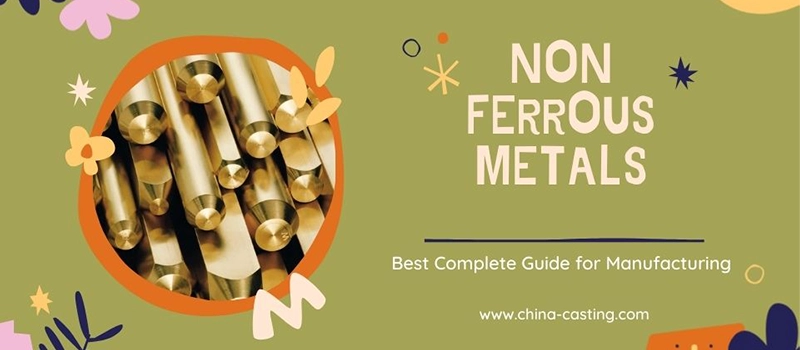
This article provides a comprehensive guide to non ferrous metals in manufacturing. It explains their key characteristics, common material types, industrial applications, practical benefits, environmental impact, recycling processes, and future role in modern manufacturing systems.
