A single casting defect can compromise the performance of an entire component.
Porosity, oxidation, and inclusions are common challenges in precision casting, especially for high-performance applications. Vacuum investment casting minimizes these defects by creating a controlled casting environment, delivering superior quality, greater consistency, and improved mechanical performance.
What Is Vacuum Investment Casting?
Vacuum investment casting is a specialized casting process that combines the precision of traditional investment casting with the advantages of a vacuum environment. By melting and pouring molten metal under reduced atmospheric pressure, the process minimizes gas entrapment, oxidation, and contamination, producing cast components with superior quality, higher material integrity, and excellent dimensional accuracy.
Compared with conventional investment casting, vacuum investment casting provides better control over the entire casting process. The reduced oxygen environment helps preserve the chemical composition of the molten metal while limiting the formation of oxide inclusions. As a result, manufacturers can produce complex components with improved mechanical properties and a more consistent internal structure.
Today, vacuum investment casting is widely used to manufacture high-value components for industries where quality and reliability are critical. Aerospace, medical, energy, automotive, and industrial equipment manufacturers often choose this process when conventional casting methods cannot meet demanding performance requirements.
Definition of Vacuum Investment Casting
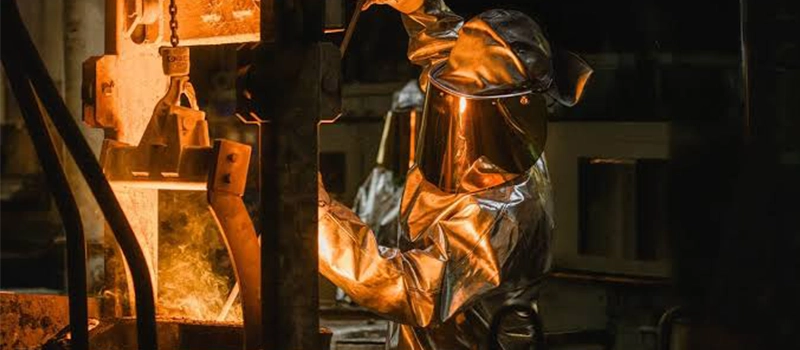
Vacuum investment casting is an advanced form of the investment casting process, also known as lost wax casting, in which molten metal is melted, poured, or both inside a vacuum chamber. Unlike conventional casting processes that are exposed to air, vacuum investment casting removes most of the surrounding gases before the metal enters the ceramic mold.
The process begins with creating a wax pattern that accurately replicates the final component. After the wax assembly is coated with multiple layers of ceramic material to form a shell mold, the wax is removed, leaving a hollow cavity. Instead of pouring molten metal under normal atmospheric conditions, vacuum investment casting uses a sealed chamber to reduce pressure, allowing the metal to flow more smoothly into intricate mold cavities.
Because the vacuum environment minimizes contact between molten metal and oxygen, vacuum investment casting is especially suitable for alloys that are sensitive to oxidation or gas absorption. The result is cleaner metal, fewer internal defects, and improved product consistency.
How Vacuum Investment Casting Differs from Traditional Investment Casting
At first glance, vacuum investment casting and traditional investment casting appear very similar. Both processes use disposable wax patterns, ceramic shell molds, and precision casting techniques to produce complex metal parts.
The key difference lies in the pouring environment.
Traditional investment casting is generally performed under atmospheric conditions. During pouring, molten metal is exposed to oxygen and other gases, increasing the possibility of oxidation, gas porosity, and non-metallic inclusions. Although these defects can often be controlled through proper process design, they cannot always be eliminated completely.
Vacuum investment casting addresses these challenges by significantly reducing the amount of air surrounding the molten metal. Lower oxygen levels help prevent oxidation, while reduced pressure allows trapped gases to escape more easily before solidification occurs.
As a result, vacuum investment casting typically delivers:
- Cleaner metal with fewer inclusions
- Reduced gas porosity
- Improved dimensional consistency
- Better surface quality
- Enhanced mechanical properties
These advantages make vacuum investment casting the preferred choice for precision components with strict quality requirements.
Why Vacuum Matters in Investment Casting
The quality of a casting depends heavily on what happens during the few seconds when molten metal fills the mold cavity. Even small amounts of trapped gas or oxidation can create defects that affect the final performance of the component.
This is where vacuum investment casting provides a significant advantage.
By lowering atmospheric pressure inside the casting chamber, the vacuum environment helps remove dissolved gases from the molten metal while reducing air resistance during mold filling. Metal flows more smoothly into thin sections and complex geometries, decreasing the likelihood of incomplete filling and gas entrapment.
At the same time, reduced oxygen exposure limits the formation of oxide films and other non-metallic inclusions that may weaken the finished casting.
For high-performance alloys such as stainless steel, nickel-based alloys, cobalt-based alloys, and titanium alloys, maintaining metal cleanliness is particularly important. Vacuum investment casting helps preserve these materials’ intended properties by minimizing contamination throughout the casting process.
The combination of cleaner metal flow and controlled solidification is one of the primary reasons why vacuum investment casting is widely recognized for producing superior-quality precision components.
Key Features of Vacuum Investment Casting
Several characteristics distinguish vacuum investment casting from other precision casting methods.
First, it offers excellent dimensional accuracy, allowing manufacturers to produce complex geometries with minimal machining after casting.
Second, the process produces smoother surface finishes, reducing secondary finishing operations and improving the appearance of finished components.
Third, vacuum investment casting significantly improves internal soundness by reducing gas porosity and oxide inclusions. This contributes to higher strength, better fatigue resistance, and more reliable long-term performance.
Another important feature is material versatility. The process is suitable for a wide range of engineering alloys, including stainless steel, carbon steel, low alloy steel, tool steel, nickel-based alloys, cobalt-based alloys, and titanium alloys. This flexibility allows manufacturers to select materials according to the mechanical, thermal, and corrosion-resistance requirements of different applications.
Finally, vacuum investment casting supports the production of highly complex components with thin walls, intricate internal passages, and precise dimensional tolerances. These capabilities make it particularly valuable in industries where product performance, consistency, and reliability are more important than high-volume production alone.
Understanding these defining characteristics provides a solid foundation for exploring the complete vacuum investment casting process. The next section explains each manufacturing stage in detail, from wax pattern production to final inspection, showing how every step contributes to achieving superior casting quality.
How Does Vacuum Investment Casting Work?
The superior quality achieved through vacuum investment casting is not the result of a single manufacturing step. Instead, it comes from a carefully controlled process in which every stage—from pattern production to final inspection—is optimized to reduce defects and ensure consistent product quality.
Although vacuum investment casting shares many similarities with conventional investment casting, the introduction of a vacuum environment significantly improves metal cleanliness, filling performance, and solidification behavior. These improvements enable manufacturers to produce precision components with tighter dimensional tolerances, better surface finishes, and enhanced mechanical properties.
Understanding each stage of the process helps explain why vacuum investment casting is widely used for critical components that demand exceptional reliability.
Creating the Wax Pattern
The first step in vacuum investment casting is producing a wax pattern that accurately replicates the geometry of the finished component.
Wax patterns are typically manufactured by injecting molten wax into a precision metal die. Once cooled, the wax pattern is removed and carefully inspected to ensure dimensional accuracy.
For production runs involving multiple parts, individual wax patterns are assembled onto a central wax runner to create a complete pattern cluster or “tree.” This arrangement allows several components to be cast simultaneously, improving production efficiency while maintaining consistent quality.
Because every feature of the wax pattern is transferred directly to the final casting, precision at this stage is essential for achieving excellent dimensional accuracy.
Building the Ceramic Shell
After the wax assembly is completed, it is repeatedly coated with ceramic slurry and fine refractory sand.
Each coating is allowed to dry before the next layer is applied. Depending on the size and complexity of the component, six to ten ceramic layers may be required to produce a shell with sufficient strength.
The finished ceramic shell serves two important purposes:
- It accurately reproduces every detail of the wax pattern.
- It withstands the extremely high temperatures generated during metal pouring.
The quality of the ceramic shell directly affects the surface finish and dimensional consistency of the finished casting.
Dewaxing and Shell Preparation
Once the ceramic shell has fully cured, the wax inside is removed using high-pressure steam or an autoclave.
This process melts and drains the wax, leaving a hollow ceramic cavity that precisely matches the desired component geometry.
The empty shell is then fired at high temperatures to increase its mechanical strength and remove any remaining wax residue or moisture.
Proper shell preparation is particularly important in vacuum investment casting because any contamination inside the mold can affect metal flow and reduce casting quality.
Vacuum Melting
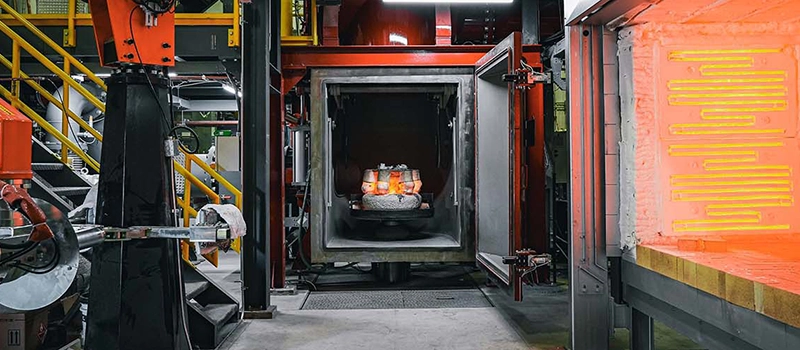
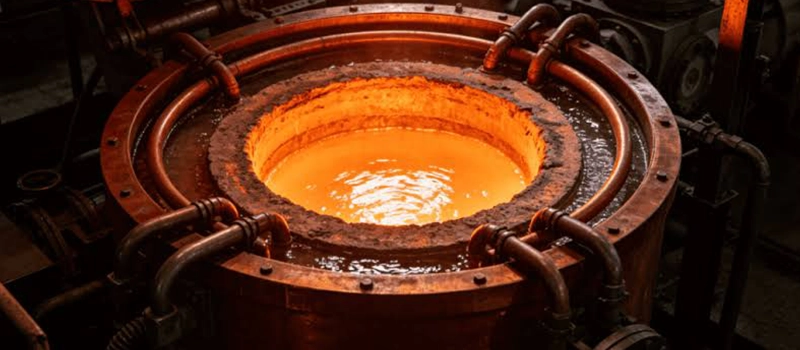
Unlike conventional investment casting, vacuum investment casting often melts the alloy inside a sealed vacuum chamber.
Removing air before melting offers several important advantages.
First, it minimizes oxidation by reducing the amount of oxygen surrounding the molten metal.
Second, it removes dissolved gases that could later form gas porosity.
Third, it helps maintain the intended chemical composition of reactive alloys, especially titanium, nickel-based alloys, and cobalt-based alloys.
As a result, vacuum melting produces cleaner molten metal with fewer impurities and improved metallurgical quality.
Vacuum Pouring
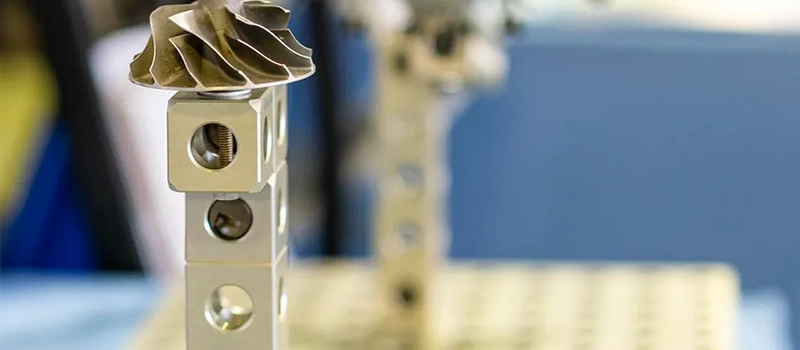
After the alloy reaches the required pouring temperature, the molten metal is transferred into the ceramic mold while the chamber remains under vacuum.
This stage represents the most significant difference between vacuum investment casting and conventional investment casting.
Because air pressure inside the chamber is greatly reduced, molten metal flows more smoothly through the gating system and into complex mold cavities.
The vacuum environment helps:
- Reduce turbulence
- Minimize air entrapment
- Lower oxidation
- Improve mold filling
- Produce cleaner castings
These benefits become especially important when manufacturing thin-wall components or parts with intricate internal passages that would be difficult to fill using conventional casting methods.
Cooling and Shell Removal
After pouring, the casting is allowed to cool under carefully controlled conditions.
Cooling rates are selected according to the alloy type, casting geometry, and required mechanical properties. Proper solidification control helps reduce internal stresses while promoting a sound microstructure.
Once the metal has completely solidified, the ceramic shell is mechanically broken away to expose the cast components.
The individual parts are then separated from the casting tree using cutting or grinding equipment.
Although the overall shape has now been formed, additional finishing operations are still required before the components are ready for service.
Heat Treatment and Finishing
Many vacuum investment castings undergo heat treatment to achieve the required combination of strength, hardness, and toughness.
Depending on the material and application, common heat treatment processes include:
- Annealing
- Normalizing
- Quenching
- Tempering
- Solution treatment
- Aging
Following heat treatment, excess gating material is removed, and the casting undergoes finishing operations such as grinding, shot blasting, polishing, or CNC machining.
These processes improve dimensional accuracy, enhance surface quality, and prepare the component for assembly or final use.
Final Inspection
Quality inspection is the final step in the vacuum investment casting process and ensures that every component meets customer specifications.
Inspection methods may include:
- Dimensional measurement
- Visual inspection
- Chemical composition analysis
- Mechanical property testing
- Hardness testing
- Non-destructive testing (NDT)
- X-ray inspection
- Ultrasonic testing
For components used in aerospace, medical, energy, and other safety-critical industries, inspection standards are often particularly stringent.
A comprehensive quality control system verifies not only the finished dimensions but also the internal integrity of the casting, ensuring that the advantages of vacuum investment casting are fully realized before the component enters service.
By carefully controlling every stage of production—from wax pattern creation to final inspection—vacuum investment casting consistently produces precision components with superior quality, excellent repeatability, and outstanding mechanical performance. These process advantages form the foundation for the key benefits discussed in the next section.
Why Vacuum Investment Casting Delivers Superior Quality
The primary reason manufacturers choose vacuum investment casting is its ability to produce components with consistently superior quality. While conventional investment casting already offers excellent dimensional accuracy and design flexibility, introducing a vacuum environment further improves metal cleanliness, casting integrity, and mechanical performance.
By reducing the presence of oxygen and other gases during melting and pouring, vacuum investment casting minimizes many of the defects commonly associated with traditional casting processes. The result is a cleaner microstructure, fewer internal imperfections, and more reliable performance in demanding applications.
These advantages make vacuum investment casting the preferred manufacturing method for components used in aerospace, medical devices, energy equipment, and other industries where failure is not an option.
Reduced Gas Porosity
Gas porosity is one of the most common defects found in metal castings. It occurs when gases become trapped inside molten metal during pouring or solidification, creating small internal voids that weaken the finished component.
Vacuum investment casting significantly reduces this risk by removing much of the surrounding air before melting and pouring begin.
With fewer gases present inside the casting chamber, molten metal absorbs less hydrogen, nitrogen, and oxygen. At the same time, reduced pressure allows dissolved gases to escape more easily before solidification occurs.
The result is a casting with:
- Higher density
- Fewer internal pores
- Improved structural integrity
- Better fatigue performance
For critical components that experience cyclic loading or high internal pressure, reducing gas porosity directly contributes to longer service life and improved operational safety.
Lower Oxidation
Oxidation occurs whenever molten metal reacts with oxygen in the surrounding atmosphere. Even thin oxide films can become trapped inside a casting, creating inclusions that reduce mechanical strength and increase the likelihood of failure.
One of the greatest advantages of vacuum investment casting is its ability to minimize oxidation throughout the melting and pouring process.
Because oxygen levels inside the vacuum chamber are significantly lower than under normal atmospheric conditions, oxidation reactions are greatly reduced. This is particularly important for highly reactive alloys such as titanium, nickel-based alloys, and cobalt-based alloys.
Cleaner molten metal produces cleaner castings, improving both internal quality and overall product reliability.
Improved Metal Purity
Metal purity has a direct impact on the performance of precision cast components.
During conventional casting, molten metal may become contaminated by oxidation products, dissolved gases, or non-metallic inclusions. These impurities can reduce toughness, fatigue resistance, and overall mechanical performance.
Vacuum investment casting helps maintain a cleaner melt by limiting exposure to contaminants throughout the production process.
Improved metal purity offers several important benefits:
- More consistent chemical composition
- Better microstructural uniformity
- Reduced inclusion content
- Enhanced mechanical properties
- Greater product consistency
For manufacturers producing safety-critical components, maintaining high metal purity is essential for meeting strict quality standards.
Superior Surface Finish
Surface quality is another major advantage of vacuum investment casting.
Because molten metal flows more smoothly under reduced pressure, the ceramic mold cavity is filled more completely and with less turbulence. This improves replication of fine details while reducing surface imperfections.
A smoother surface finish provides several advantages:
- Less post-processing
- Lower machining costs
- Improved appearance
- Better sealing performance
- Reduced stress concentration
For precision components with complex geometries, excellent surface quality can significantly reduce production time and overall manufacturing costs.
Higher Dimensional Accuracy
Many industries require components with tight dimensional tolerances to ensure proper assembly and reliable performance.
Vacuum investment casting offers exceptional dimensional accuracy by combining precision wax patterns, high-quality ceramic shells, and controlled metal flow.
Because turbulence and gas-related defects are minimized, dimensional variation is also reduced. This enables manufacturers to produce intricate components with thin walls, complex internal features, and near-net-shape geometries.
Improved dimensional accuracy offers several benefits:
- Better assembly fit
- Reduced machining allowances
- Lower material waste
- Greater consistency between production batches
These advantages are particularly valuable for industries where precision directly affects product performance.
Better Mechanical Properties
The quality of a casting is ultimately measured by its mechanical performance.
Vacuum investment casting produces components with improved strength, toughness, fatigue resistance, and reliability because internal defects are significantly reduced.
A cleaner microstructure allows loads to be distributed more evenly throughout the material, decreasing the likelihood of crack initiation under service conditions.
For high-performance applications, improved mechanical properties may result in:
- Longer component life
- Increased reliability
- Higher load capacity
- Improved impact resistance
- Better fatigue performance
These characteristics make vacuum investment casting especially suitable for demanding industrial environments where component failure can lead to costly downtime or safety risks.
Excellent Repeatability
Consistency is just as important as quality in modern manufacturing.
Producing one high-quality casting is not enough. Manufacturers must consistently deliver identical components across hundreds or even thousands of production cycles.
Vacuum investment casting offers excellent repeatability because every stage of the process is carefully controlled, including:
- Material preparation
- Wax pattern production
- Ceramic shell manufacturing
- Vacuum melting
- Vacuum pouring
- Heat treatment
- Final inspection
This high level of process control reduces production variation and helps ensure that every casting meets the same quality standards.
For industries operating under strict certification requirements, repeatability is essential for maintaining product reliability and customer confidence.
Why These Advantages Matter
The true value of vacuum investment casting lies not in a single advantage but in the combination of multiple quality improvements working together.
Reduced gas porosity increases structural integrity. Lower oxidation produces cleaner metal. Higher purity improves mechanical performance, while superior surface finish and dimensional accuracy reduce machining requirements and improve assembly precision.
These benefits allow manufacturers to produce complex components that meet demanding engineering specifications while minimizing scrap, rework, and quality-related costs.
For customers developing custom precision components, choosing the right manufacturing process is just as important as selecting the right material. Vacuum investment casting provides an effective solution when product quality, consistency, and long-term reliability are critical, making it one of the most advanced precision casting technologies available today.
Materials Suitable for Vacuum Investment Casting
One of the greatest advantages of vacuum investment casting is its ability to process a wide range of engineering alloys while maintaining exceptional casting quality. However, not every material requires a vacuum casting process. The greatest benefits are achieved with alloys that are sensitive to oxidation, gas absorption, or contamination during melting and pouring.
Material selection should always be based on the component’s operating environment, mechanical requirements, and manufacturing objectives. Choosing a more expensive alloy does not automatically result in better performance. Instead, selecting the right material and combining it with the appropriate manufacturing process is the key to producing reliable, cost-effective components.
The following materials are among the most commonly used in vacuum investment casting because they benefit significantly from the controlled conditions provided by a vacuum environment.
Stainless Steel
Stainless steel is one of the most widely used materials in vacuum investment casting due to its excellent corrosion resistance and good mechanical properties.
Although stainless steel can be produced using conventional investment casting, vacuum processing further improves metal cleanliness by reducing oxidation and minimizing non-metallic inclusions. This is especially important for high-performance stainless steel grades used in demanding environments.
Typical applications include:
- Valve bodies
- Pump components
- Food processing equipment
- Medical instruments
- Marine hardware
- Chemical processing equipment
Vacuum investment casting is particularly beneficial when complex stainless steel components require excellent surface finish, tight dimensional tolerances, and consistent mechanical performance.
Carbon Steel
Carbon steel remains an economical choice for many engineering applications where high corrosion resistance is not required.
For standard structural parts, conventional casting processes are often sufficient. However, vacuum investment casting becomes advantageous when producing precision carbon steel components with complex geometries or strict quality requirements.
The controlled casting environment helps reduce gas porosity and improves dimensional consistency, making it suitable for components such as:
- Mechanical brackets
- Structural connectors
- Industrial machine parts
- Transmission components
When higher internal quality is required without significantly increasing machining operations, vacuum processing offers measurable advantages over conventional casting.
Low Alloy Steel
Low alloy steel combines excellent strength, toughness, and wear resistance, making it one of the most suitable materials for vacuum investment casting.
Because many alloy grades undergo heat treatment after casting, minimizing internal defects during production is essential. A cleaner casting structure allows heat treatment to achieve more consistent mechanical properties throughout the component.
Vacuum investment casting is commonly used to manufacture low alloy steel components such as:
- Gear blanks
- Shafts
- Hydraulic parts
- Heavy equipment components
- Oil and gas fittings
The improved casting quality helps maximize the performance advantages already provided by the alloy itself.
Tool Steel
Tool steels are designed for high hardness, excellent wear resistance, and long service life.
These materials are often used to manufacture molds, dies, cutting tools, and other components that operate under severe mechanical conditions. Because tool steels contain relatively high levels of alloying elements, they are more susceptible to oxidation during melting.
Vacuum investment casting minimizes oxidation and preserves the intended chemical composition, resulting in cleaner castings with improved hardness and wear resistance after heat treatment.
For precision tooling applications, maintaining consistent material quality is critical for extending service life and reducing maintenance costs.
Nickel-Based Alloys
Nickel-based alloys are widely recognized for their outstanding strength, heat resistance, and corrosion resistance at elevated temperatures.
These materials are commonly used in:
- Gas turbines
- Aerospace engines
- Power generation equipment
- Petrochemical processing systems
Because nickel alloys are expensive and often used in safety-critical applications, manufacturers place great importance on minimizing casting defects.
Vacuum investment casting provides the clean melting conditions necessary to preserve alloy chemistry while reducing inclusions and gas-related defects. This helps ensure that finished components meet the demanding quality standards required in high-temperature environments.
Cobalt-Based Alloys
Cobalt-based alloys offer exceptional wear resistance, corrosion resistance, and high-temperature stability.
They are frequently selected for applications involving continuous friction, elevated temperatures, or aggressive operating environments, including:
- Medical implants
- Turbine components
- Industrial wear parts
- Energy equipment
The superior metal cleanliness achieved through vacuum investment casting contributes to improved fatigue resistance and long-term reliability, making it an ideal manufacturing process for these high-value materials.
Titanium Alloys
Titanium alloys are among the materials that benefit most from vacuum investment casting.
Titanium reacts readily with oxygen, nitrogen, and hydrogen at high temperatures. Even limited exposure to air during melting can significantly affect mechanical properties and corrosion resistance.
For this reason, titanium components are almost always produced under carefully controlled vacuum or inert gas conditions.
Vacuum investment casting helps maintain the alloy’s chemical composition while reducing contamination throughout the casting process. This results in components with excellent strength-to-weight ratios, superior corrosion resistance, and outstanding fatigue performance.
Typical applications include:
- Aerospace structural parts
- Medical implants
- Surgical instruments
- Marine components
- High-performance automotive parts
How to Choose the Right Material
Selecting the appropriate material requires balancing performance requirements, operating conditions, manufacturing methods, and project costs.
Several factors should be considered before making a decision:
- Mechanical strength requirements
- Corrosion resistance
- Operating temperature
- Wear conditions
- Heat treatment requirements
- Machining requirements
- Budget constraints
Equally important is understanding which manufacturing process best suits the selected material. Some alloys perform exceptionally well in vacuum investment casting, while others may achieve the required performance through alternative manufacturing methods.
For this reason, many companies work closely with experienced manufacturing partners during the early stages of product development. Rather than recommending materials based solely on specifications, experienced engineers evaluate the component’s design, service environment, and production requirements before selecting both the most suitable alloy and the most efficient manufacturing process.
This collaborative approach helps optimize product performance, improve manufacturing efficiency, and control overall production costs. With the right material selected, the next step is understanding where vacuum investment casting delivers the greatest value across different industries and engineering applications.
Applications of Vacuum Investment Casting
The exceptional quality achieved through vacuum investment casting has made it an indispensable manufacturing process across a wide range of high-performance industries. Compared with conventional casting methods, vacuum investment casting produces cleaner, stronger, and more dimensionally accurate components, making it particularly suitable for applications where reliability and precision are critical.
As product designs become more complex and performance requirements continue to increase, manufacturers are turning to vacuum investment casting to produce components that would be difficult or impossible to manufacture using traditional casting processes. Whether the goal is improving mechanical performance, reducing machining, or producing intricate geometries, vacuum investment casting provides a practical solution for demanding engineering applications.
Aerospace Components
The aerospace industry places some of the strictest quality requirements on metal components. Every part must deliver exceptional strength, dimensional accuracy, and long-term reliability while minimizing weight.
Vacuum investment casting is widely used to manufacture aerospace components because the vacuum environment reduces oxidation and gas porosity, resulting in cleaner castings with superior mechanical properties.
Typical aerospace applications include:
- Turbine blades
- Compressor components
- Structural brackets
- Engine housings
- Fuel system components
- Landing gear accessories
Many of these parts are produced from nickel-based alloys, cobalt-based alloys, or titanium alloys, all of which benefit significantly from the controlled conditions provided by vacuum investment casting.
Medical Equipment
Medical components require not only precision but also exceptional material integrity and surface quality.
Vacuum investment casting enables manufacturers to produce complex medical parts with excellent dimensional consistency and minimal internal defects. The process is particularly suitable for biocompatible alloys that demand strict control during melting and solidification.
Common medical applications include:
- Orthopedic implants
- Surgical instruments
- Dental components
- Prosthetic devices
- Medical equipment housings
The high repeatability of vacuum investment casting also helps manufacturers meet strict quality and regulatory requirements for medical products.
Oil and Gas Components
Oil and gas equipment often operates under extreme pressure, elevated temperatures, and corrosive environments. Components used in these conditions must maintain their structural integrity over long service periods.
Vacuum investment casting helps improve the quality of pressure-bearing components by reducing internal defects that could become failure points during operation.
Typical products include:
- Valve bodies
- Pump impellers
- Flow control components
- Pipeline fittings
- Compressor parts
By producing cleaner castings with improved mechanical performance, vacuum investment casting contributes to safer and more reliable equipment in demanding energy applications.
Automotive Industry
Modern automotive manufacturers continue to pursue lighter, stronger, and more efficient components.
Vacuum investment casting supports this goal by producing near-net-shape parts with excellent dimensional accuracy and high material utilization. The process also reduces the need for extensive machining, helping improve production efficiency.
Common automotive applications include:
- Turbocharger components
- Exhaust system parts
- Transmission components
- Precision brackets
- High-performance engine parts
For premium and high-performance vehicles, vacuum investment casting provides an effective balance between manufacturing precision and mechanical reliability.
Industrial Machinery
Industrial machinery often contains components with complex shapes, high loading requirements, and demanding service conditions.
Vacuum investment casting allows manufacturers to produce intricate parts while maintaining excellent internal quality and consistent dimensional accuracy.
Typical industrial applications include:
- Pump housings
- Gear components
- Mechanical couplings
- Precision valve parts
- Automation equipment components
Because vacuum investment casting reduces casting defects and improves repeatability, it is particularly suitable for equipment requiring long service life and dependable performance.
Food Processing Equipment
Food processing machinery requires materials that combine corrosion resistance, clean surfaces, and precise manufacturing.
Vacuum investment casting is commonly used to produce stainless steel components with smooth surface finishes and excellent dimensional consistency, reducing the need for extensive polishing after casting.
Typical applications include:
- Mixing components
- Pump housings
- Valve bodies
- Processing equipment fittings
- Conveyor system parts
The improved surface quality achieved through vacuum investment casting also supports easier cleaning and better hygiene, making it an ideal process for food-grade equipment.
From Engineering Design to Finished Components
Selecting vacuum investment casting is only one part of producing a high-quality component. Equally important is ensuring that the manufacturing process is tailored to the product’s design, material, and performance requirements.
Many precision components require much more than casting alone. Depending on the application, additional processes may include:
- Engineering design optimization
- Material selection
- Tooling development
- Precision CNC machining
- Heat treatment
- Surface finishing
- Dimensional inspection
- Non-destructive testing
Integrating these processes helps improve production efficiency while ensuring that every component meets its functional and quality requirements.
For this reason, many customers prefer working with manufacturers that provide complete engineering and manufacturing support rather than individual production services. Instead of simply producing castings, experienced manufacturers evaluate component geometry, recommend suitable materials, optimize casting designs, and coordinate secondary operations to reduce lead time and improve overall product quality.
This one-stop manufacturing approach allows customers to move efficiently from initial design concepts to fully finished precision components while taking full advantage of the quality benefits offered by vacuum investment casting.
How to Choose the Right Vacuum Investment Casting Manufacturer
Selecting the right manufacturing partner is just as important as selecting the right casting process. Even though vacuum investment casting offers significant advantages in precision, material integrity, and surface quality, achieving consistent results depends heavily on the manufacturer’s engineering expertise, production capabilities, and quality management system.
A qualified vacuum investment casting manufacturer does more than produce castings. They help optimize part design, recommend suitable materials, improve manufacturability, and ensure that every production stage is carefully controlled. This collaborative approach reduces development risks, shortens lead times, and improves the overall quality of finished components.
Before selecting a supplier, buyers should evaluate several key factors.
Engineering Experience
Successful vacuum investment casting begins long before molten metal enters the mold.
Experienced engineering teams can review component designs, identify potential casting challenges, and recommend modifications that improve manufacturability without compromising performance.
Engineering support may include:
- Design for Manufacturability (DFM)
- Wall thickness optimization
- Draft angle recommendations
- Gating and risering design
- Machining allowance optimization
- Material selection guidance
Early engineering involvement helps minimize production problems while improving casting quality and production efficiency.
Material Expertise
Different alloys respond differently during vacuum investment casting.
A reliable manufacturer should understand the casting characteristics, heat treatment requirements, and machining behavior of various engineering materials, including:
- Stainless steel
- Carbon steel
- Low alloy steel
- Tool steel
- Nickel-based alloys
- Cobalt-based alloys
- Titanium alloys
Material expertise enables manufacturers to recommend the most suitable alloy based on the component’s operating environment, mechanical requirements, and cost objectives rather than simply following an existing specification.
Precision Machining Capability
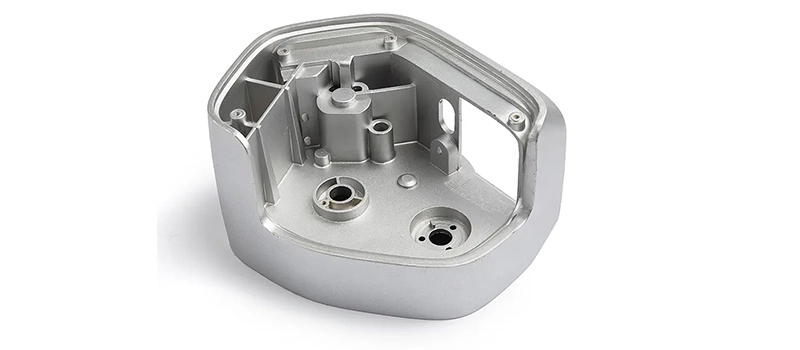
Although vacuum investment casting produces near-net-shape components, many parts still require secondary machining to achieve critical tolerances or assembly features.
Working with a manufacturer that also provides CNC machining offers several advantages:
- Better dimensional consistency
- Reduced logistics and handling
- Faster production schedules
- Simplified supplier management
- Improved quality control throughout production
Integrating casting and machining under one roof also reduces the risk of dimensional errors between manufacturing stages.
Heat Treatment and Surface Finishing
Many precision cast components require additional processing after casting to achieve their final performance.
Depending on the application, these services may include:
- Annealing
- Normalizing
- Quenching and tempering
- Solution treatment
- Passivation
- Sand blasting
- Shot blasting
- Polishing
- Powder coating
- Electroplating
A manufacturer capable of coordinating these processes can better control product quality while reducing production complexity for customers.
Quality Control
Consistent quality is one of the primary reasons companies invest in vacuum investment casting. However, maintaining that quality requires a comprehensive inspection system throughout the manufacturing process.
A dependable vacuum investment casting manufacturer should perform inspections that may include:
- Raw material verification
- Chemical composition analysis
- Dimensional inspection
- Surface quality inspection
- Mechanical property testing
- Hardness testing
- X-ray inspection
- Ultrasonic testing
- Dye penetrant inspection
- Coordinate Measuring Machine (CMM) inspection
Comprehensive quality control helps ensure that every casting meets customer specifications and relevant industry standards.
Production Capacity
Production capability should be evaluated alongside technical expertise.
An experienced manufacturer should be able to support projects from prototype development to high-volume production while maintaining consistent quality across every batch.
Important considerations include:
- Prototype capability
- Flexible production volumes
- Stable delivery schedules
- Modern manufacturing equipment
- Process consistency
- Supply chain management
Scalable production capacity allows customers to move from product development to mass production without changing suppliers.
Certifications and Testing
Industry certifications demonstrate a manufacturer’s commitment to quality management and continuous improvement.
Depending on the target market and application, customers may look for capabilities such as:
- ISO 9001 quality management
- Material traceability
- Process documentation
- Inspection reports
- Third-party testing support
- Customer-specific quality requirements
These systems provide greater confidence that every vacuum investment casting project is manufactured according to consistent quality standards.
Why a One-Stop Manufacturing Partner Matters
Producing a high-quality casting involves much more than pouring molten metal into a mold. Material selection, tooling design, casting, heat treatment, machining, surface finishing, and inspection must all work together to achieve the desired result.
For this reason, many customers choose manufacturers that offer complete manufacturing solutions instead of isolated production services.
A one-stop manufacturing partner can provide:
- Engineering consultation
- Material selection support
- Vacuum investment casting
- CNC machining
- Heat treatment
- Surface treatment
- Assembly support
- Comprehensive quality inspection
By managing the entire production process, manufacturers can reduce communication delays, improve process coordination, and maintain tighter quality control from the initial drawing review to final delivery.
For companies sourcing custom metal components, this integrated approach simplifies procurement while ensuring that the full advantages of vacuum investment casting are reflected in the finished product. Rather than coordinating multiple suppliers, customers benefit from a single manufacturing partner capable of transforming engineering designs into precision components with consistent quality, reliable performance, and efficient production.

Vacuum Investment Casting vs Other Casting Processes
Selecting the right manufacturing process is just as important as selecting the right material. While vacuum investment casting offers exceptional precision and quality, it is not always the ideal solution for every project. Factors such as component size, production volume, material type, dimensional requirements, and manufacturing costs all influence the most appropriate casting method.
Understanding how vacuum investment casting compares with other casting processes helps engineers and buyers make informed decisions based on both technical requirements and project budgets.
Vacuum Investment Casting vs Conventional Investment Casting
Vacuum investment casting and conventional investment casting share many similarities. Both processes use wax patterns, ceramic shell molds, and near-net-shape manufacturing to produce complex metal components with excellent dimensional accuracy.
The primary difference is the casting environment.
Conventional investment casting is performed under normal atmospheric conditions, where molten metal is exposed to oxygen during melting and pouring. In contrast, vacuum investment casting is carried out in a controlled vacuum environment that significantly reduces oxidation, gas absorption, and contamination.
As a result, vacuum investment casting generally provides:
- Cleaner metal with fewer inclusions
- Reduced gas porosity
- Better mechanical properties
- Higher material purity
- More consistent casting quality
For standard industrial parts, conventional investment casting often provides sufficient quality at a lower manufacturing cost. However, for aerospace, medical, energy, and other high-performance applications, vacuum investment casting offers clear advantages where material integrity is critical.
Vacuum Investment Casting vs Sand Casting
Sand casting remains one of the most economical casting methods, especially for large components and low-volume production.
Compared with sand casting, vacuum investment casting offers much higher dimensional accuracy and significantly better surface finish. It can also produce thin-wall sections and intricate geometries that would be difficult to achieve with sand molds.
However, sand casting has advantages for:
- Very large castings
- Simple component designs
- Lower tooling costs
- Short-run production
Vacuum investment casting is generally preferred when precision, repeatability, and superior surface quality are more important than minimizing initial production costs.
Vacuum Investment Casting vs Die Casting
Die casting is widely used for high-volume production of non-ferrous alloys such as aluminum, zinc, and magnesium.
Compared with die casting, vacuum investment casting offers much greater flexibility in material selection. It can process stainless steel, carbon steel, low alloy steel, nickel-based alloys, titanium alloys, and many other high-performance materials.
Vacuum investment casting is also capable of producing components with more complex internal geometries without the limitations imposed by permanent metal dies.
On the other hand, die casting provides:
- Extremely high production efficiency
- Excellent repeatability
- Lower unit cost in large production volumes
- Faster manufacturing cycles
For low- to medium-volume production of precision steel components, vacuum investment casting is often the more suitable manufacturing process.
Vacuum Investment Casting vs Lost Foam Casting
Both vacuum investment casting and lost foam casting use expendable patterns, but their manufacturing principles differ considerably.
Lost foam casting replaces the wax pattern with an expandable foam pattern that vaporizes when molten metal enters the mold.
This process is particularly suitable for:
- Large castings
- Complex automotive components
- Engine blocks
- Pump housings
However, vacuum investment casting generally provides:
- Higher dimensional accuracy
- Better surface finish
- Greater material flexibility
- Improved internal quality
- Tighter production tolerances
For components requiring exceptional precision and high mechanical performance, vacuum investment casting remains the preferred choice.
Comparison of Common Casting Processes
| Process | Dimensional Accuracy | Surface Finish | Material Flexibility | Production Volume | Typical Applications |
|---|---|---|---|---|---|
| Vacuum Investment Casting | Excellent | Excellent | Excellent | Low to Medium | Aerospace, medical, energy, precision machinery |
| Conventional Investment Casting | Excellent | Very Good | Excellent | Low to Medium | Industrial equipment, pumps, valves |
| Sand Casting | Moderate | Moderate | Excellent | Low to High | Heavy machinery, construction equipment |
| Die Casting | Excellent | Excellent | Limited (mainly non-ferrous alloys) | High | Automotive, consumer products, electronics |
| Lost Foam Casting | Good | Good | Good | Medium | Automotive, machinery, large structural parts |
Which Casting Process Is Right for Your Project?
There is no universal casting process that fits every application. The best choice depends on the component’s performance requirements, production volume, material selection, dimensional tolerances, and budget.
Vacuum investment casting is often the preferred solution when a project requires:
- Complex geometries
- Tight dimensional tolerances
- Excellent surface finish
- High-performance alloys
- Superior internal quality
- Consistent production quality
For simpler components or large-scale production, alternative casting methods may offer better economic advantages.
The most effective approach is to evaluate the entire project rather than focusing on a single factor such as cost or precision. Experienced manufacturers can compare different production methods, recommend the most suitable casting process, and optimize the design to balance quality, manufacturability, and overall production cost.
By selecting the right manufacturing process at the beginning of a project, companies can reduce development risks, improve component performance, and maximize the long-term value of their investment in vacuum investment casting.
Conclusion
Vacuum investment casting is an advanced manufacturing process that delivers superior quality through improved metal cleanliness, reduced casting defects, and exceptional dimensional accuracy. Its ability to produce complex, high-performance components makes it the preferred choice for industries such as aerospace, medical, energy, automotive, and industrial machinery.
However, achieving the full benefits of vacuum investment casting depends on more than the casting process itself. Selecting the right material, optimizing the manufacturing process, and working with an experienced manufacturing partner are equally important to ensuring consistent quality and long-term performance.
For custom metal components, combining engineering expertise with vacuum investment casting, precision machining, heat treatment, and comprehensive quality control helps transform innovative designs into reliable, high-quality products that meet demanding application requirements.