Many component failures don’t begin in service—they begin with material selection.
Choosing the wrong steel can reduce strength, accelerate wear, and shorten service life. Understanding why low alloy steel delivers superior performance is the key to building stronger, longer-lasting components.
What Is Low Alloy Steel?
Low alloy steel is a type of steel that contains a relatively small amount of alloying elements added to improve its mechanical and physical properties. Unlike carbon steel, which relies primarily on carbon content for strength, low alloy steel incorporates elements such as chromium, nickel, molybdenum, manganese, vanadium, and silicon to enhance strength, toughness, hardenability, wear resistance, and corrosion resistance.
In most cases, the total alloying element content of low alloy steel is less than 8% by weight. Although this percentage is relatively low compared with high alloy steel, it is sufficient to produce significant improvements in performance without dramatically increasing production costs. This balance between cost and performance is one of the main reasons why low alloy steel is widely used in demanding engineering applications.
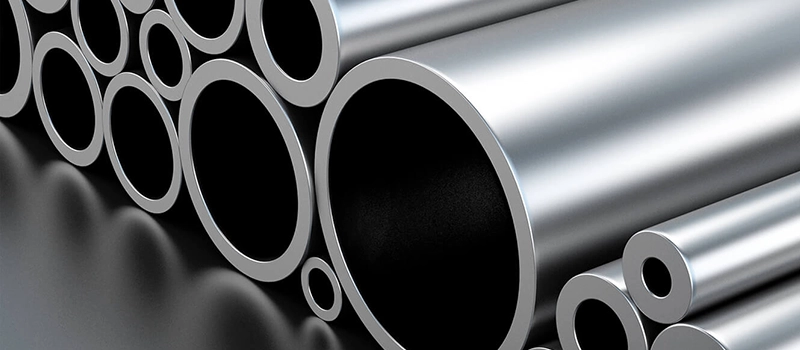
Today, low alloy steel has become an essential material in industries such as construction, mining, oil and gas, agriculture, transportation, and heavy machinery. It is commonly used to manufacture structural components, gears, shafts, connecting rods, hydraulic cylinders, pressure vessels, and other parts that must withstand heavy loads and harsh operating conditions.
Definition of Low Alloy Steel
The term “low alloy steel” refers to steel containing carefully controlled amounts of alloying elements that improve performance beyond what conventional carbon steel can provide. These alloying elements are added during steelmaking to modify the steel’s microstructure and enhance specific properties.
Common alloying elements include:
- Chromium (Cr) for improved wear and corrosion resistance
- Nickel (Ni) for increased toughness
- Molybdenum (Mo) for higher strength and heat resistance
- Manganese (Mn) for improved hardenability
- Vanadium (V) for grain refinement and strength
- Silicon (Si) for increased strength and deoxidation
Rather than relying on a single alloying element, low alloy steel achieves its superior performance through the combined effects of multiple elements working together. By adjusting the type and proportion of these elements, manufacturers can produce steel grades tailored to different engineering requirements.
This flexibility makes low alloy steel suitable for applications requiring high mechanical performance while maintaining reasonable material costs.
How Low Alloy Steel Is Produced
Producing low alloy steel involves much more than simply adding alloying elements to molten steel. Every stage of the manufacturing process influences the final mechanical properties and long-term performance of the material.
The process typically begins with melting high-quality raw materials in an electric arc furnace or basic oxygen furnace. After the base steel reaches the desired chemical composition, alloying elements are added in carefully controlled quantities.
The molten steel then undergoes refining to remove unwanted impurities such as sulfur, phosphorus, and excess oxygen. Clean steel with fewer inclusions generally exhibits better fatigue strength and improved toughness.
After casting into billets, blooms, or ingots, the steel is processed through rolling or forging to refine its grain structure. Many low alloy steel grades also undergo heat treatment processes such as quenching, tempering, or normalizing to further improve strength, hardness, and ductility.
Because the final properties depend on both chemical composition and manufacturing processes, selecting the correct production method is just as important as selecting the appropriate steel grade.
Why Alloying Elements Matter
The outstanding performance of low alloy steel comes from its alloying elements rather than carbon content alone.
Each alloying element contributes different characteristics to the material. Chromium improves hardness and wear resistance, nickel increases toughness, molybdenum enhances high-temperature strength, and vanadium refines grain size to improve both strength and fatigue resistance.
These elements also work together to improve hardenability, allowing thicker sections to achieve more uniform mechanical properties after heat treatment.
As a result, low alloy steel offers a much better balance of strength, toughness, and durability than ordinary carbon steel. This combination allows engineers to design lighter, stronger, and longer-lasting components for demanding service conditions.
The ability to tailor performance through alloy selection is one of the greatest advantages of low alloy steel and explains why it remains one of the most widely specified engineering materials worldwide.
Why Low Alloy Steel Is Widely Used
The popularity of low alloy steel is driven by its ability to deliver superior performance without the high cost associated with many specialty alloys.
Compared with conventional carbon steel, low alloy steel provides higher strength while maintaining good toughness and weldability. These characteristics enable manufacturers to produce components capable of carrying greater loads without significantly increasing size or weight.
Low alloy steel also performs well under repeated loading, making it suitable for components subjected to fatigue, impact, and abrasive wear. In many industrial environments, this translates into longer service life, reduced maintenance, and lower operating costs.
Another important advantage is its versatility. Different grades of low alloy steel can be selected to meet specific requirements for casting, forging, machining, and heat treatment. This flexibility allows manufacturers to optimize both product performance and manufacturing efficiency.
For companies producing custom metal components, material selection is only one part of the engineering process. Choosing the appropriate manufacturing method—whether casting, forging, or precision machining—is equally important. An experienced manufacturing partner can recommend the most suitable low alloy steel grade and production process based on the component’s design, service conditions, and performance requirements, helping customers achieve reliable quality and cost-effective production.
Low Alloy Steel vs Carbon Steel
Although both materials are widely used in engineering, low alloy steel offers several important advantages over traditional carbon steel.
Carbon steel primarily depends on carbon content to achieve strength. Increasing carbon content generally improves hardness but also reduces ductility and weldability. In contrast, low alloy steel enhances performance through carefully selected alloying elements, allowing it to achieve higher strength without sacrificing toughness.
Low alloy steel also provides better hardenability, improved fatigue resistance, and greater wear resistance. Many grades exhibit enhanced corrosion resistance as well, making them more suitable for demanding environments.
Carbon steel remains an economical choice for general-purpose applications where loading conditions are relatively mild. However, when components must operate under high stress, heavy impact, or severe wear, low alloy steel is often the preferred material because it offers a more balanced combination of mechanical properties and long-term reliability.
Understanding these differences is the first step toward selecting the right low alloy steel grade for a specific application. In the following sections, this guide explores the properties that give low alloy steel its superior performance and explains how different grades are matched to different engineering requirements.
What Gives Low Alloy Steel Superior Performance?
The superior performance of low alloy steel is not the result of a single characteristic but the combination of carefully controlled chemical composition, optimized heat treatment, and refined microstructure. Compared with conventional carbon steel, low alloy steel delivers a better balance of strength, toughness, wear resistance, and fatigue performance, making it one of the most widely specified engineering materials for demanding industrial applications.
Unlike ordinary steels that rely mainly on carbon content, low alloy steel achieves its superior performance through carefully selected alloying elements. Each element contributes unique mechanical benefits, allowing manufacturers to tailor low alloy steel for different service conditions while maintaining excellent manufacturability.
Understanding what gives low alloy steel its superior performance helps engineers and buyers select the most suitable material for long-lasting, high-performance components.
High Strength
One of the biggest advantages of low alloy steel is its exceptional strength.
By adding alloying elements such as chromium, molybdenum, manganese, and vanadium, low alloy steel develops a stronger and more refined microstructure than ordinary carbon steel. These alloying elements improve grain refinement and increase resistance to plastic deformation, enabling low alloy steel to withstand significantly higher loads.
The high strength of low alloy steel allows engineers to reduce component weight without sacrificing structural integrity. This is particularly valuable in construction machinery, mining equipment, and transportation systems, where lighter yet stronger components improve overall operating efficiency.
For manufacturers producing custom castings, forgings, or machined parts, selecting the appropriate low alloy steel grade can also reduce material consumption while maintaining the required mechanical performance.
Excellent Toughness
Strength alone is not enough for many engineering applications. Materials must also resist impact loading and absorb energy without fracturing.
Low alloy steel is well known for its excellent toughness, especially after appropriate heat treatment. Nickel and manganese improve the material’s ability to resist brittle fracture, even under dynamic loading or low-temperature conditions.
This superior toughness makes low alloy steel particularly suitable for heavy-duty equipment operating in harsh environments, where repeated impacts and shock loads are unavoidable.
Compared with ordinary carbon steel, low alloy steel maintains a more stable balance between hardness and toughness, reducing the likelihood of unexpected failures during service.
Outstanding Wear Resistance
Many industrial components operate under continuous friction, abrasion, or metal-to-metal contact. Under these conditions, wear resistance becomes a critical factor in determining service life.
Low alloy steel provides significantly better wear resistance than standard carbon steel because alloying elements improve hardness while maintaining sufficient toughness.
Components such as gears, shafts, rollers, crusher parts, agricultural equipment, and mining machinery frequently utilize low alloy steel because the material withstands abrasive environments far more effectively than conventional steels.
Improved wear resistance not only extends component life but also reduces maintenance frequency and replacement costs, contributing to lower total operating expenses.
Improved Corrosion Resistance
Although low alloy steel is not as corrosion resistant as stainless steel, many low alloy steel grades offer noticeably better corrosion resistance than plain carbon steel.
Chromium, copper, nickel, and other alloying elements help form more stable oxide layers that slow corrosion under moderate environmental conditions.
This improved corrosion resistance allows low alloy steel to perform well in outdoor structures, construction equipment, transportation systems, and industrial machinery exposed to moisture and changing weather.
When combined with suitable surface treatments such as galvanizing, painting, or powder coating, low alloy steel components can achieve excellent long-term durability even in challenging environments.
Better Hardenability
Another reason for the superior performance of low alloy steel is its excellent hardenability.
Hardenability refers to a material’s ability to develop uniform hardness throughout its cross-section during heat treatment.
Compared with carbon steel, low alloy steel responds more effectively to quenching and tempering, allowing even thick components to achieve consistent mechanical properties.
Improved hardenability offers several advantages:
- More uniform strength
- Better fatigue resistance
- Reduced distortion during heat treatment
- Improved dimensional stability
For precision-engineered components, these characteristics are essential for maintaining both performance and manufacturing accuracy.
High Fatigue Strength
Many engineering components fail not because of excessive load, but because they experience millions of repeated loading cycles.
Low alloy steel performs exceptionally well under cyclic loading conditions.
Its refined grain structure and improved cleanliness reduce crack initiation, while alloying elements slow crack propagation during service.
As a result, low alloy steel is widely selected for components such as:
- Crankshafts
- Connecting rods
- Drive shafts
- Suspension parts
- Transmission components
- Heavy machinery components
The excellent fatigue strength of low alloy steel contributes directly to longer service life and improved equipment reliability.
Heat Resistance
Many low alloy steel grades retain their mechanical properties at elevated temperatures better than conventional carbon steels.
Molybdenum and chromium improve high-temperature strength while reducing softening during prolonged exposure to heat.
This makes low alloy steel suitable for components operating in boilers, pressure vessels, power generation equipment, and industrial processing systems where temperature stability is important.
Although low alloy steel is not intended for extremely high-temperature environments like some high alloy steels, it provides an excellent balance between thermal performance and cost for many industrial applications.
Why Superior Performance Matters
The superior performance of low alloy steel delivers benefits throughout the entire product lifecycle.
Higher strength allows lighter component designs. Better toughness reduces the risk of sudden failure. Improved wear resistance extends service life, while enhanced hardenability and fatigue resistance improve long-term reliability.
However, achieving these advantages depends not only on selecting the correct low alloy steel grade but also on choosing the appropriate manufacturing process.
For custom industrial components, the same low alloy steel can produce different performance results depending on whether it is cast, forged, or precision machined. Heat treatment, machining accuracy, and quality inspection also play a significant role in determining the final properties of the finished part.
This is why experienced manufacturers focus on more than material selection alone. By combining expertise in low alloy steel with suitable manufacturing processes such as casting, forging, CNC machining, and heat treatment, they can help customers produce components that fully realize the superior performance of low alloy steel while meeting both performance and cost objectives.
Key Properties of Low Alloy Steel
The exceptional performance of low alloy steel can be measured through its mechanical, physical, and manufacturing properties. While alloying elements determine the material’s potential, these measurable properties ultimately influence how it performs in real-world applications.
Engineers rarely evaluate a material based on a single characteristic. Instead, they consider a combination of strength, toughness, hardness, weldability, machinability, and heat treatment response to determine whether it is suitable for a specific component. Understanding these properties makes it easier to compare different alloy grades and select the most appropriate solution for demanding operating conditions.
Mechanical Properties
Mechanical properties are often the first consideration when selecting an engineering material.
Compared with conventional carbon steel, low alloy grades generally offer higher tensile strength and yield strength while maintaining good ductility. This balance enables components to withstand heavier loads without excessive deformation or premature failure.
Key mechanical properties include:
- High tensile strength
- High yield strength
- Good elongation
- Excellent impact toughness
- Strong fatigue resistance
These characteristics make the material particularly suitable for structural parts, transmission components, heavy machinery, and equipment subjected to repeated loading.
Physical Properties
In addition to mechanical performance, physical properties also affect manufacturing and service life.
Typical characteristics include moderate density, good thermal conductivity, and stable dimensional performance after heat treatment. These properties contribute to predictable machining behavior and reliable performance in a wide range of industrial environments.
Hardness is another important consideration. Depending on the alloy grade and heat treatment process, hardness can vary significantly, allowing manufacturers to optimize components for wear resistance or machinability.
Heat Treatment Response
One of the greatest advantages of alloy steels is their excellent response to heat treatment.
Processes such as normalizing, quenching, and tempering can significantly improve hardness, strength, and toughness by modifying the material’s microstructure.
Because different grades respond differently to heat treatment, engineers often select a material based not only on its chemical composition but also on the required final mechanical properties.
Proper heat treatment can greatly enhance component performance, while improper processing may reduce fatigue strength or dimensional stability. For this reason, heat treatment should always be considered during material selection and product design.
Weldability
Many fabricated structures require welding during production or assembly, making weldability an important selection criterion.
Most low alloy grades offer good weldability when appropriate welding procedures are followed. However, alloys containing higher levels of chromium, molybdenum, or carbon may require preheating or post-weld heat treatment to reduce residual stress and prevent cracking.
Selecting the appropriate welding process and filler material is essential for maintaining joint strength and ensuring long-term reliability.
For manufacturers producing custom fabricated components, early consideration of welding requirements can reduce production costs and improve overall product quality.
Machinability
Machinability directly affects manufacturing efficiency, tooling costs, and dimensional accuracy.
Compared with stainless steel, many low alloy grades provide relatively good machinability while still maintaining excellent mechanical performance. Proper cutting parameters, tool selection, and heat treatment conditions can further improve machining results.
Components such as shafts, gears, flanges, valve bodies, and machine parts often require extensive CNC machining after casting or forging. Selecting a material with suitable machinability helps reduce production time and achieve tighter tolerances.
For companies specializing in custom metal parts, understanding the relationship between material properties and machining performance is essential for delivering consistent quality.
Why These Properties Matter
Excellent material properties alone do not guarantee a high-quality component. The final performance also depends on how those properties are applied throughout the manufacturing process.
For example, a high-strength alloy may perform exceptionally well when forged but require different heat treatment parameters if produced as a casting. Likewise, machining allowances, surface treatments, and inspection standards all influence the final quality of the finished part.
This is why experienced manufacturers evaluate not only the material itself but also the entire production process. By combining appropriate material selection with casting, forging, CNC machining, heat treatment, and quality control, manufacturers can ensure that each component achieves the performance required for its intended application.
Understanding these key properties provides the foundation for selecting the right alloy grade. The next section introduces several commonly used grades and explains how each is suited to different engineering applications.

Common Grades of Low Alloy Steel
Not all low alloy steel grades are designed for the same purpose. While they share many of the same performance advantages, each grade is engineered to provide a specific balance of strength, toughness, wear resistance, hardenability, and machinability.
Selecting the appropriate grade depends on several factors, including operating conditions, load requirements, manufacturing methods, and heat treatment processes. Understanding the characteristics of commonly used grades allows engineers and buyers to choose materials that deliver the best combination of performance and cost.
AISI 4130
AISI 4130 is one of the most widely used chromium-molybdenum steels. It offers an excellent balance of strength, toughness, weldability, and machinability, making it suitable for both structural and mechanical applications.
Compared with higher-alloy grades, AISI 4130 is easier to weld and machine while still providing good fatigue resistance after heat treatment.
Typical applications include:
- Aircraft structural parts
- Oil and gas equipment
- Automotive chassis components
- Pressure vessels
- Industrial piping systems
Its versatility makes AISI 4130 an excellent choice for components that require moderate strength and reliable performance without excessive manufacturing costs.
AISI 4140
AISI 4140 is perhaps the most popular low alloy steel used in heavy industrial applications.
The addition of chromium and molybdenum provides excellent hardenability, allowing the material to achieve high strength while maintaining good toughness after quenching and tempering.
Because of its outstanding mechanical properties, AISI 4140 is commonly used for:
- Gears
- Shafts
- Crankshafts
- Axles
- Hydraulic cylinders
- Machine spindles
Many custom metal parts manufacturers recommend AISI 4140 for components subjected to high stress, repeated loading, or abrasive operating conditions.
AISI 4340
AISI 4340 contains additional nickel, giving it significantly higher toughness and fatigue resistance than many other alloy grades.
Even under heavy impact loads, this material maintains excellent strength without becoming brittle. These characteristics make it suitable for safety-critical components operating under extreme conditions.
Typical applications include:
- Aircraft landing gear
- Heavy-duty transmission shafts
- High-strength fasteners
- Military equipment
- Power transmission components
Although AISI 4340 generally costs more than 4130 or 4140, its superior mechanical performance often justifies the additional investment for demanding applications.
ASTM A572
ASTM A572 is a high-strength structural steel widely used in construction and infrastructure projects.
Rather than focusing on heat-treated mechanical components, this grade is designed to provide higher yield strength while maintaining excellent weldability and formability.
Common applications include:
- Steel buildings
- Bridges
- Construction machinery
- Structural frameworks
- Industrial platforms
Its combination of strength and fabrication efficiency makes ASTM A572 a preferred material for large welded structures.
ASTM A514
ASTM A514 is a quenched and tempered plate steel developed for applications requiring extremely high strength.
Compared with conventional structural steels, ASTM A514 allows designers to reduce component thickness while maintaining equivalent load-carrying capacity.
Typical applications include:
- Crane booms
- Excavator components
- Mining equipment
- Pressure vessels
- Heavy transport equipment
Because of its high strength, careful welding procedures are recommended to maintain mechanical performance throughout fabrication.
42CrMo
42CrMo is one of the most commonly specified alloy steels in Asian and European manufacturing industries. Comparable in many respects to AISI 4140, it combines excellent strength, toughness, and hardenability.
After appropriate heat treatment, 42CrMo performs exceptionally well under heavy loads and cyclic stresses.
It is frequently selected for:
- Forged shafts
- Hydraulic piston rods
- Heavy-duty gears
- Mold bases
- Wind power components
For manufacturers producing forged or machined parts, 42CrMo offers an excellent balance between performance and manufacturing efficiency.
35CrMo
35CrMo provides slightly lower strength than 42CrMo but offers excellent toughness and reliable heat treatment performance.
Its balanced mechanical properties make it suitable for medium- to high-strength components that require both durability and cost efficiency.
Typical applications include:
- Connecting rods
- Bolts and studs
- Drive shafts
- Mechanical couplings
- Pressure equipment
Because it responds well to quenching and tempering, 35CrMo remains a popular material for mechanical engineering applications.
Choosing the Right Grade for Custom Metal Parts
Selecting the right low alloy steel grade involves much more than comparing strength values. Engineers must also consider operating temperature, corrosion exposure, fatigue loading, wear conditions, manufacturing methods, and post-processing requirements.
For example, AISI 4130 may be ideal for welded structures, while AISI 4140 is better suited for highly stressed shafts and gears. Components exposed to severe impact loads may benefit from AISI 4340, whereas large structural fabrications often rely on ASTM A572 or ASTM A514.
The manufacturing process is equally important. The same material may perform differently depending on whether it is produced through casting, forging, or precision machining. Heat treatment, dimensional tolerances, and surface finishing also influence the final properties of the finished component.
For this reason, many customers work with experienced component manufacturers rather than selecting a material grade based solely on a specification sheet. While manufacturers may not produce the raw steel itself, they can recommend the most suitable grade according to the component’s function, production process, and service environment. This integrated approach helps ensure that the selected material, manufacturing method, and quality requirements work together to achieve reliable long-term performance.
The next step after selecting a suitable grade is understanding where these materials perform best. Different industries place different demands on engineering materials, and each application benefits from specific combinations of strength, toughness, and durability.
Applications That Benefit from Low Alloy Steel
The excellent balance of strength, toughness, wear resistance, and fatigue performance has made low alloy steel one of the most widely used engineering materials across numerous industries. Rather than being limited to a single application, it is selected wherever components must withstand heavy loads, harsh environments, or continuous mechanical stress.
However, choosing the right material is only part of the equation. The manufacturing process also plays a critical role in determining the final performance of a component. Factors such as casting quality, forging techniques, heat treatment, and machining accuracy all influence how effectively the material performs in service.
The following industries demonstrate why this material continues to be the preferred choice for demanding engineering applications.
Construction Equipment
Construction machinery operates in some of the harshest working environments. Components are exposed to heavy loads, abrasive materials, repeated impacts, and continuous vibration.
For these reasons, manufacturers often specify low alloy steel for critical structural and mechanical components, including:
- Excavator arms
- Loader buckets
- Bulldozer frames
- Hydraulic cylinder rods
- Pivot pins
- Structural brackets
These parts require a combination of high strength and excellent toughness to withstand dynamic loading without cracking or excessive deformation.
Proper heat treatment further enhances wear resistance and extends service life, reducing maintenance requirements for construction equipment operating under demanding conditions.
Mining Machinery
Mining equipment is subjected to severe abrasion, heavy impact, and continuous operation.
Components such as crusher parts, conveyor rollers, gear shafts, and drilling equipment experience extreme mechanical stress throughout their service life. Materials with insufficient wear resistance often require frequent replacement, leading to costly downtime.
Low alloy steel provides the durability required for these applications while maintaining sufficient toughness to resist sudden impact failure.
When combined with suitable heat treatment, the material offers excellent performance in mining environments where reliability directly affects productivity.
Oil and Gas Industry
The oil and gas sector places exceptionally high demands on engineering materials.
Equipment often operates under high pressure, fluctuating temperatures, and corrosive environments. Components must maintain structural integrity while resisting fatigue and wear over long operating periods.
Typical applications include:
- Valve bodies
- Pump components
- Flanges
- Pressure-containing parts
- Drilling equipment
- Pipeline accessories
Material selection in this industry is based not only on mechanical strength but also on toughness, weldability, and long-term reliability under challenging service conditions.
Agricultural Machinery
Agricultural equipment experiences repeated impact, abrasive soil contact, and seasonal operation in varying weather conditions.
Components such as plow blades, transmission shafts, tillage equipment, and harvesting machinery require materials capable of resisting wear while maintaining structural strength.
Using higher-performance alloy grades helps extend component life, reduce maintenance frequency, and improve equipment reliability during intensive farming operations.
For manufacturers of agricultural machinery, selecting the appropriate material contributes directly to lower ownership costs for end users.
Automotive Components
Modern vehicles demand lighter, stronger, and more durable components to improve safety, fuel efficiency, and overall performance.
Many critical automotive parts are manufactured from alloy steels because of their excellent fatigue resistance and high strength.
Examples include:
- Crankshafts
- Connecting rods
- Drive shafts
- Transmission gears
- Suspension components
- Steering system parts
These components are subjected to millions of loading cycles throughout their service life. Selecting the appropriate material helps improve reliability while reducing the risk of fatigue-related failures.
Heavy Industrial Equipment
Heavy industrial machinery often operates continuously under high loads and demanding production schedules.
Equipment used in manufacturing plants, power generation facilities, and material handling systems requires components capable of maintaining stable mechanical performance over extended periods.
Typical applications include:
- Industrial gearboxes
- Rolling mill equipment
- Lifting machinery
- Power transmission systems
- Large machine frames
- Mechanical drive components
The combination of strength, toughness, and heat treatment capability makes alloy steels particularly suitable for these demanding industrial environments.
From Material Selection to Finished Components
Selecting the right low alloy steel grade is only the first step toward achieving reliable product performance. Equally important is choosing the appropriate manufacturing process to transform the material into a high-quality finished component.
Depending on the application, the same steel grade may be produced using different manufacturing methods, including:
- Sand casting for large and complex components
- Investment casting for precision parts
- Closed-die forging for superior mechanical strength
- CNC machining for high dimensional accuracy
Each process offers unique advantages depending on the component’s geometry, mechanical requirements, production volume, and cost objectives.
For this reason, many buyers seek manufacturing partners that provide more than production capacity. They value engineering support throughout the entire project, from material selection and process recommendations to heat treatment, machining, and quality inspection.
Rather than supplying raw materials, experienced manufacturers help customers determine which production method best suits a specific application. By combining expertise in casting, forging, precision machining, and quality control, they can optimize both component performance and manufacturing efficiency.
This integrated approach reduces development risks, shortens production lead times, and helps ensure that every finished component fully utilizes the performance advantages offered by the selected low alloy steel grade.
How to Select the Right Low Alloy Steel
Choosing the right low alloy steel involves much more than selecting the grade with the highest strength. Every application has unique performance requirements, and the most suitable material is the one that provides the best balance between mechanical properties, manufacturing feasibility, service life, and overall cost.
Engineers typically evaluate several factors before making a material selection. By considering these factors early in the design stage, manufacturers can reduce production costs, improve product reliability, and avoid unnecessary design changes later in the project.
Based on Mechanical Requirements
Mechanical performance should always be the starting point when selecting a material.
Different components require different combinations of strength, toughness, hardness, and fatigue resistance. For example, a transmission gear operating under heavy loads requires excellent wear resistance and high hardness, while a structural bracket may prioritize toughness and weldability.
Before selecting a grade, engineers should evaluate questions such as:
- What is the maximum working load?
- Will the component experience repeated fatigue loading?
- Is impact resistance important?
- Does the application require high hardness or greater ductility?
Answering these questions helps narrow the range of suitable alloy grades and reduces the risk of overengineering or selecting an unnecessarily expensive material.
Based on Service Environment
Operating conditions have a significant influence on material performance.
Components used in dry indoor environments face very different challenges from those operating outdoors, underwater, or in corrosive industrial facilities. Temperature fluctuations, humidity, abrasive particles, chemicals, and salt exposure all affect long-term durability.
For example:
- Mining equipment requires excellent wear resistance.
- Construction machinery must withstand repeated impact loading.
- Oil and gas components often require higher toughness and corrosion resistance.
- Agricultural equipment benefits from a balance of strength, durability, and cost efficiency.
Selecting a material that matches the actual service environment helps maximize component life while minimizing maintenance costs.
Based on Heat Treatment
Heat treatment is often just as important as material selection itself.
Many alloy grades achieve their full mechanical potential only after appropriate processes such as quenching, tempering, or normalizing. The same steel can exhibit very different properties depending on the heat treatment applied.
When selecting a material, engineers should consider:
- Required hardness
- Target tensile strength
- Toughness requirements
- Dimensional stability after heat treatment
- Distortion tolerance
A material with excellent heat treatment response may ultimately deliver better performance than a higher-grade steel processed incorrectly.
Based on Manufacturing Process
The manufacturing process should be considered at the same time as material selection.
Although the same grade may be suitable for multiple production methods, not every process produces identical mechanical properties or cost efficiency.
For example:
- Sand casting is often preferred for large or complex components.
- Investment casting provides excellent dimensional accuracy and surface finish.
- Closed-die forging improves grain flow and mechanical strength.
- CNC machining produces precise tolerances for critical components.
The final manufacturing route influences not only production costs but also strength, fatigue performance, surface quality, and dimensional accuracy.
Considering material selection and manufacturing methods together allows engineers to achieve the best overall results rather than optimizing one factor in isolation.
Work with an Experienced Manufacturing Partner
Choosing the right material specification is only one part of a successful project. Equally important is working with a manufacturer that understands how material selection, production processes, and quality control interact.
Experienced manufacturers can provide valuable engineering support throughout the development process, including:
- Material recommendations based on application requirements
- Selection of the most suitable manufacturing process
- Heat treatment planning
- Design optimization for manufacturability
- CNC machining recommendations
- Quality inspection planning
This type of support helps customers avoid common issues such as unnecessary material costs, manufacturing difficulties, or performance problems after installation.
For companies sourcing custom metal components, partnering with a manufacturer that offers casting, forging, precision machining, heat treatment, and inspection under one roof can simplify procurement while improving consistency and product quality.
Rather than focusing solely on supplying finished parts, an experienced manufacturing partner works closely with customers to ensure that every stage—from material selection to final inspection—contributes to reliable component performance and long-term value.
By combining engineering expertise with comprehensive manufacturing capabilities, customers can confidently select the most appropriate solution for their specific application while reducing development time, production risks, and overall project costs.
Low Alloy Steel vs Other Steel Types
Selecting the right engineering material often involves comparing multiple steel types rather than evaluating a single option. Although low alloy steel offers an excellent balance of strength, toughness, and cost, it is not always the best choice for every application.
Carbon steel, stainless steel, and high alloy steel each have unique characteristics that make them suitable for different operating conditions. Understanding these differences allows engineers and buyers to make informed decisions based on performance requirements, manufacturing methods, and project budgets.
Low Alloy Steel vs Carbon Steel
Carbon steel and low alloy steel are frequently compared because both are widely used in structural and mechanical applications. However, the addition of alloying elements gives low alloy steel several important advantages.
Carbon steel primarily relies on carbon content to achieve strength. While increasing carbon content improves hardness, it often reduces toughness and weldability. In contrast, low alloy steel uses carefully balanced alloying elements to enhance multiple mechanical properties simultaneously.
Compared with carbon steel, low alloy steel generally offers:
- Higher tensile strength
- Better fatigue resistance
- Improved hardenability
- Greater wear resistance
- Better toughness under impact loading
Carbon steel, however, remains an excellent choice for general-purpose applications where extreme strength or wear resistance is not required. It is also easier to fabricate and is usually more economical for simple structural components.
For high-load mechanical parts, heavy equipment, and demanding industrial applications, low alloy steel often provides a better long-term balance between performance and maintenance costs.
| Property | Low Alloy Steel | Carbon Steel |
|---|---|---|
| Strength | High | Moderate |
| Toughness | Excellent | Moderate |
| Wear Resistance | Excellent | Fair |
| Hardenability | High | Limited |
| Cost | Moderate | Low |
| Typical Applications | Heavy machinery, gears, shafts | Structural parts, general fabrication |
Low Alloy Steel vs Stainless Steel
Although both materials contain alloying elements, they are designed for different purposes.
The primary advantage of stainless steel is its outstanding corrosion resistance, which comes from its relatively high chromium content. This makes it the preferred choice for food processing equipment, medical devices, marine environments, and chemical processing industries.
Low alloy steel, on the other hand, is generally selected when mechanical performance is more important than maximum corrosion resistance.
Compared with stainless steel, it often provides:
- Higher strength-to-cost ratio
- Better fatigue performance in many applications
- Lower material cost
- Easier heat treatment for certain grades
However, stainless steel offers significant advantages in highly corrosive environments where rust prevention is the primary concern.
When corrosion resistance is required but extreme environmental exposure is unlikely, low alloy steel combined with protective surface treatments such as painting, galvanizing, or powder coating can provide an economical and reliable solution.
| Property | Low Alloy Steel | Stainless Steel |
|---|---|---|
| Strength | High | Moderate to High |
| Corrosion Resistance | Moderate | Excellent |
| Wear Resistance | Excellent | Good |
| Heat Treatment Response | Excellent | Limited for many grades |
| Material Cost | Moderate | High |
| Typical Applications | Machinery, mining, construction | Food processing, medical, marine |
Low Alloy Steel vs High Alloy Steel
The main difference between low alloy steel and high alloy steel lies in the total amount of alloying elements.
Low alloy steel typically contains less than 8% alloying elements, while high alloy steel contains significantly higher alloy content to achieve specialized properties.
High alloy steels are often developed for applications requiring:
- Exceptional corrosion resistance
- High-temperature performance
- Chemical resistance
- Specialized wear resistance
These enhanced properties come with higher material costs and, in many cases, more demanding manufacturing requirements.
For the majority of engineering applications, such extreme performance is unnecessary. Instead, low alloy steel provides the mechanical strength, toughness, and durability required at a much lower overall cost.
This balance explains why it remains the preferred material for industries such as construction, mining, agriculture, transportation, and heavy equipment manufacturing.
| Property | Low Alloy Steel | High Alloy Steel |
|---|---|---|
| Alloy Content | Usually below 8% | Typically above 8% |
| Strength | High | High |
| Corrosion Resistance | Moderate | Excellent |
| Heat Resistance | Good | Excellent |
| Manufacturing Cost | Moderate | High |
| Typical Applications | Engineering components | Chemical, aerospace, extreme environments |
Which Material Should You Choose?
There is no single steel that is ideal for every project. The best choice depends on the balance between performance requirements, operating conditions, manufacturing methods, and budget.
In general:
- Choose carbon steel for economical, general-purpose components.
- Choose low alloy steel when strength, toughness, wear resistance, and long service life are priorities.
- Choose stainless steel when corrosion resistance is critical.
- Choose high alloy steel for extreme temperatures, aggressive chemical environments, or highly specialized applications.
For custom metal components, material selection should always be considered alongside the manufacturing process. The same design may require different materials depending on whether it is produced through casting, forging, or machining.
Experienced manufacturers can help evaluate these factors during the early design stage, ensuring that the selected material aligns with production methods, performance expectations, and cost objectives. This integrated approach reduces design risks and helps customers achieve the best overall value rather than simply selecting the strongest or most expensive steel available.
Conclusion
Low alloy steel has earned its place as one of the most widely used engineering materials by offering an exceptional balance of strength, toughness, wear resistance, and cost-effectiveness. From heavy construction equipment and mining machinery to automotive systems and industrial components, it provides the mechanical performance needed to withstand demanding operating conditions while maintaining long-term reliability.
However, selecting the right material is only one part of a successful project. Engineers must also consider the appropriate steel grade, heat treatment, manufacturing process, and service environment to ensure the finished component performs as expected throughout its lifecycle.
For custom metal parts, this means looking beyond the material specification alone. Casting, forging, CNC machining, and quality control all influence the final properties of a component. Working with an experienced manufacturing partner can simplify material selection, optimize production processes, and help achieve the best balance between performance, quality, and cost.
Whether you’re developing a new product or improving an existing design, understanding the capabilities of low alloy steel is the first step toward building stronger, more durable, and more reliable engineering components. With the right material choice and manufacturing expertise, businesses can improve product performance, reduce maintenance requirements, and create long-lasting solutions for even the most demanding industrial applications.