Martensitic stainless steel is an important category of stainless steel characterized by a martensitic crystal structure that forms through controlled heat treatment. Unlike some other stainless steel families, this group of alloys is designed to achieve high strength and hardness by transforming its internal structure during cooling. Because of this transformation capability, martensitic stainless steels are widely used in applications that require wear resistance, mechanical strength, and durable cutting edges.
From a metallurgical perspective, martensite refers to a hard crystalline phase that forms when certain steels are rapidly cooled from high temperatures. When sufficient chromium is present in the alloy, the resulting material belongs to the stainless steel family while still retaining the ability to form martensite. According to materials engineering literature from ASM International, martensitic stainless steels combine moderate corrosion resistance with the ability to be hardened through heat treatment, distinguishing them from other stainless steel types.
Industry classifications from the World Stainless Association place martensitic alloys among the major stainless steel families alongside austenitic, ferritic, and duplex stainless steels. Each category is defined primarily by its microstructure and alloy composition.
Understanding martensitic stainless steel involves examining its structure, composition, mechanical behavior, and common industrial uses. These factors explain why this stainless steel family is frequently selected for components that require high hardness, wear resistance, and reliable performance in mechanical systems.
What Is Martensitic Stainless Steel
Martensitic stainless steel refers to a group of stainless steels whose primary microstructure is martensite, a hard crystalline phase formed through heat treatment. This structural characteristic distinguishes martensitic stainless steels from other stainless steel families such as austenitic or ferritic alloys. The defining feature of this material is its ability to transform its internal structure when heated and rapidly cooled, allowing the steel to achieve high hardness and strength.
From a metallurgical standpoint, martensite forms when certain iron-based alloys are heated to a high temperature and then cooled rapidly, typically through a process known as quenching. During this transformation, the atomic arrangement of the material changes into a body-centered tetragonal (BCT) crystal structure, which gives the steel its characteristic hardness and strength. Because of this transformation mechanism, martensitic stainless steels are often associated with applications where mechanical durability and wear resistance are important.
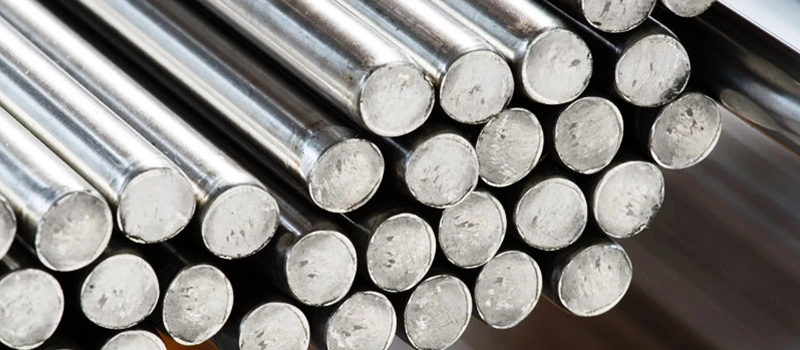
The term martensite itself originates from metallurgical research in the nineteenth century and describes a specific phase transformation in steel. When sufficient chromium is added to the alloy, the resulting steel becomes resistant to oxidation and corrosion while still retaining the ability to form martensite. This combination of chromium content and heat-treatable structure places martensitic alloys within the broader category of stainless steels.
In the general classification of stainless steels, materials are grouped according to their dominant microstructure. The main stainless steel families include austenitic, ferritic, martensitic, and duplex stainless steels, each defined by a distinct crystal structure and alloy composition. Martensitic stainless steels form one of these principal groups and are typically selected when high hardness and mechanical strength are required.
Another important characteristic of martensitic stainless steel is its response to heat treatment. Unlike some other stainless steel families, martensitic alloys can be hardened by controlled heating and cooling processes. This ability allows engineers to adjust the mechanical properties of the material through thermal processing, making it suitable for components that must withstand mechanical stress, abrasion, or repeated loading.
In summary, martensitic stainless steel is defined primarily by its martensitic microstructure and its ability to achieve high hardness through heat treatment. These metallurgical characteristics form the basis for understanding how this stainless steel family differs from other types of stainless steels used in modern engineering.
Chemical Composition and Microstructure of Martensitic Stainless Steel
The characteristics of martensitic stainless steel are largely determined by its chemical composition and the resulting microstructure formed during heat treatment. By carefully controlling alloying elements such as chromium and carbon, metallurgists can design stainless steels that form a martensitic structure after quenching. This relationship between composition and microstructure is fundamental to understanding how martensitic stainless steels achieve their distinctive mechanical behavior.
Chromium in Martensitic Stainless Steel
Chromium is the essential alloying element that gives martensitic stainless steel its stainless properties. In most martensitic stainless steel alloys, chromium content typically ranges between 11% and 18%. The presence of chromium allows the steel surface to form a thin passive oxide layer that protects the metal from oxidation and corrosion.
This passive film forms when chromium reacts with oxygen in the surrounding environment, creating a stable chromium oxide layer on the metal surface. The protective film significantly slows down the corrosion process, allowing martensitic stainless steels to perform in environments where ordinary carbon steels would rust rapidly. According to research published by the Nickel Institute, chromium is the primary element responsible for corrosion resistance in stainless steels.
Carbon and Its Role in Martensitic Transformation
Carbon plays a particularly important role in martensitic stainless steel composition. Compared with many other stainless steel families, martensitic stainless steels usually contain higher carbon content, which is necessary for forming the martensitic phase during heat treatment.
When the steel is heated and then rapidly cooled, carbon atoms become trapped within the iron lattice. This trapping causes the lattice to distort, transforming the structure into martensite, which is significantly harder and stronger than many other steel structures. The amount of carbon present directly influences the hardness that can be achieved after heat treatment.
Additional Alloying Elements
Besides chromium and carbon, several other alloying elements may be present in martensitic stainless steel alloys to modify performance.
- Molybdenum may be added to improve corrosion resistance and high-temperature stability.
- Nickel is sometimes included in smaller quantities to enhance toughness and improve hardenability.
- Manganese and silicon are often used during steelmaking to assist in deoxidation and improve processing behavior.
These elements allow metallurgists to tailor the composition of martensitic stainless steels for specific engineering requirements.
Microstructure of Martensitic Stainless Steel
The microstructure of martensitic stainless steel is characterized by the presence of martensite, a hard and brittle phase that forms when austenite transforms during rapid cooling. This transformation occurs through a diffusionless process, meaning that atoms shift position without long-range atomic movement.
The resulting martensitic structure typically appears as needle-like or lath-shaped patterns under microscopic examination. Materials science references from ASM International describe this structure as responsible for the high hardness and strength commonly associated with martensitic steels.
Retained Austenite and Delta Ferrite
Although martensite is the dominant phase in martensitic stainless steel, other phases may also appear in small amounts. For example, some alloys may contain retained austenite, which remains in the microstructure if the transformation to martensite is incomplete during cooling.
In certain compositions, small amounts of delta ferrite may also be present. Delta ferrite forms during the solidification of stainless steel and can influence mechanical properties and processing behavior. Controlling alloy composition and heat treatment conditions helps maintain the desired balance of phases in the final microstructure.
Relationship Between Composition and Microstructure
The development of martensitic stainless steel microstructure can be illustrated using phase diagrams, which show how different combinations of alloying elements affect phase stability. By adjusting chromium, carbon, and other elements, metallurgists can control whether the steel forms martensite, ferrite, or a combination of phases after heat treatment.
In essence, the chemical composition of martensitic stainless steel is specifically engineered to produce a martensitic structure during quenching. This composition–structure relationship ultimately determines the mechanical properties and performance characteristics of the material in practical engineering applications.
Key Properties of Martensitic Stainless Steel
The performance characteristics of martensitic stainless steel are closely related to its martensitic microstructure and alloy composition. This group of stainless steels is generally known for its high hardness, good strength, and the ability to be strengthened through heat treatment. These characteristics distinguish it from other stainless steel families and make it suitable for applications that require mechanical durability and wear resistance.
Mechanical Strength and Hardness
One of the most notable properties of this stainless steel family is its high hardness. After appropriate heat treatment, the martensitic structure can achieve significantly higher hardness than many other stainless steels. The hardness level depends on factors such as carbon content, alloy composition, and the specific heat treatment process used during manufacturing.
In addition to hardness, these steels also demonstrate good tensile strength and moderate yield strength. The combination of strength and hardness allows components to maintain structural integrity under mechanical loads and repeated stress. For this reason, these alloys are often selected for mechanical parts that must withstand wear or abrasion.
Heat Treatment Capability
A key feature of this material family is its ability to be hardened through heat treatment. By heating the steel to a high temperature and then rapidly cooling it, the internal structure transforms into martensite, producing a harder and stronger material. Subsequent tempering can then be used to adjust toughness and reduce brittleness.
This heat-treatment capability allows manufacturers to tailor the mechanical properties of the material for specific engineering requirements. Adjusting heating temperature, cooling rate, and tempering conditions provides a wide range of achievable property combinations.
Magnetic Properties
Unlike some other stainless steels, martensitic alloys generally exhibit magnetic behavior. The crystal structure formed during transformation supports ferromagnetism, meaning that the material can respond to magnetic fields. This characteristic can be useful in certain mechanical or industrial systems where magnetic detection or separation is required.
Wear Resistance
Because of their high hardness, these steels typically show good wear resistance. Surfaces can maintain their shape and integrity even under conditions involving friction, sliding contact, or repeated mechanical interaction. This property contributes to their frequent use in tools and mechanical components that must retain sharp edges or resist surface degradation.
Toughness and Structural Stability
Although these steels can achieve high hardness, their toughness is generally lower than that of some other stainless steel families. Excessive hardness may lead to increased brittleness if the material is not properly tempered. For this reason, careful control of heat treatment parameters is essential to achieve the desired balance between strength and toughness.
Properly processed alloys can still provide reliable mechanical performance across a wide range of industrial environments.
Physical Characteristics
From a physical standpoint, these steels have a density similar to other stainless steel types, typically close to 7.7–7.9 g/cm³. Thermal conductivity and thermal expansion values fall within ranges typical for stainless steels, though they may vary slightly depending on alloy composition.
Common Martensitic Stainless Steel Grades
Several martensitic stainless steel grades have been developed to meet different engineering requirements. These alloys vary mainly in their chromium and carbon content, which influences hardness, corrosion resistance, and mechanical strength after heat treatment. Among them, a number of grades have become widely used standards in industrial manufacturing and tooling applications.
The table below summarizes some representative grades and their typical characteristics.
| Grade | Typical Composition Characteristics | Key Mechanical Features | Common Uses |
|---|---|---|---|
| 410 | Chromium around 11.5–13.5% with relatively low carbon | Moderate hardness and strength after heat treatment | Pump components, valves, shafts, fasteners |
| 420 | Higher carbon content than 410 | Higher hardness and improved wear resistance | Surgical instruments, cutting tools |
| 440A | High carbon and chromium content | Good hardness with improved corrosion resistance compared with lower-carbon grades | Bearings, cutting tools |
| 440B | Intermediate carbon level within the 440 series | Higher hardness than 440A | Precision tools and blades |
| 440C | Very high carbon content | Excellent hardness and wear resistance after heat treatment | High-performance knives, bearings |
| 13-4 (PH) | Chromium with nickel additions for precipitation hardening | High strength and improved toughness | Aerospace components, mechanical parts |
The 410 series is often considered one of the most commonly used grades in this category. It provides a balance between corrosion resistance and mechanical strength while maintaining relatively good machinability. Because of this balance, it is frequently used for industrial equipment components.
The 420 grade contains higher carbon content, which allows it to achieve greater hardness after heat treatment. This characteristic makes it suitable for applications requiring sharp cutting edges or improved wear resistance.
The 440 series, particularly 440C, represents alloys designed for extremely high hardness and durability. These grades can achieve very high hardness levels after proper heat treatment, making them widely used for precision cutting tools and high-quality knife blades.
Another important alloy group is precipitation-hardening martensitic stainless steels, such as the 13-4 type. These alloys use additional elements and specialized heat treatment processes to achieve high strength while maintaining improved toughness compared with traditional martensitic grades.
The availability of multiple grades demonstrates the flexibility of this stainless steel family. By adjusting alloy composition and heat treatment parameters, manufacturers can produce materials with a wide range of hardness, strength, and durability suitable for different engineering applications.
Corrosion Resistance of Martensitic Stainless Steel
The corrosion resistance of martensitic stainless steel is primarily determined by its chromium content and surface condition. Like other stainless steels, these alloys rely on the formation of a thin chromium oxide passive layer that protects the metal from oxidation and environmental attack. This passive film forms naturally when chromium reacts with oxygen, creating a barrier that slows further corrosion.
However, compared with some other stainless steel families, the corrosion resistance of martensitic grades is generally moderate rather than exceptional. This difference arises mainly from their chemical composition. Martensitic alloys typically contain lower chromium levels and higher carbon content than many austenitic stainless steels. While this composition allows the material to achieve high hardness after heat treatment, it may reduce the overall stability of the passive protective layer in aggressive environments.
General Corrosion Behavior
Under normal atmospheric conditions or in mildly corrosive environments, martensitic stainless steels can provide satisfactory resistance to rust and oxidation. The protective chromium oxide film helps prevent rapid surface degradation, allowing components to maintain structural integrity during service.
These steels are commonly used in environments where mechanical strength and wear resistance are more important than maximum corrosion resistance. Proper surface finishing, polishing, and maintenance can further improve corrosion performance.
Influence of Alloy Composition
The corrosion resistance of different martensitic grades varies depending on their chromium content and additional alloying elements. Alloys with higher chromium levels generally provide better resistance to oxidation and chemical attack. Some grades also contain small amounts of molybdenum or nickel, which can improve corrosion performance in certain environments.
Nevertheless, because carbon is present at relatively higher levels, chromium may partially combine with carbon to form carbides during heat treatment. This reaction can reduce the amount of chromium available for maintaining the passive film, which may slightly reduce corrosion resistance compared with stainless steels that contain lower carbon content.
Environmental Considerations
When selecting materials for corrosive environments, engineers must carefully evaluate service conditions such as humidity, chemical exposure, temperature, and mechanical stress. Martensitic stainless steels perform well in many applications involving mechanical wear, but they may be less suitable for environments containing strong acids, chlorides, or highly corrosive chemicals.
Proper design, surface treatment, and maintenance practices can help improve corrosion performance and extend the service life of components made from these alloys.
Applications of Martensitic Stainless Steel
Because of their high hardness, strength, and wear resistance, martensitic stainless steels are widely used in applications where mechanical performance is more critical than maximum corrosion resistance. Their ability to be hardened through heat treatment makes them particularly suitable for components that must withstand friction, cutting forces, or repeated mechanical loading.
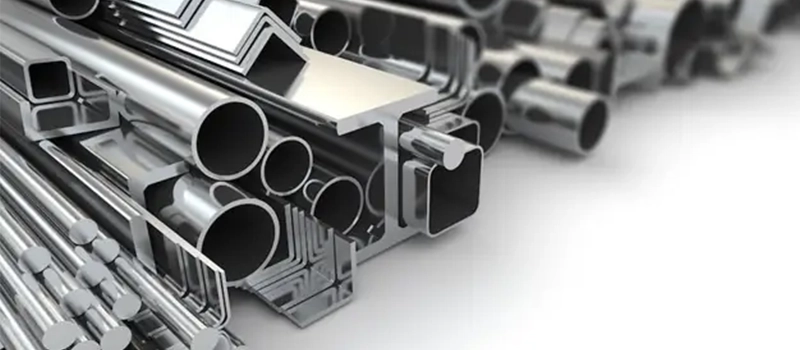
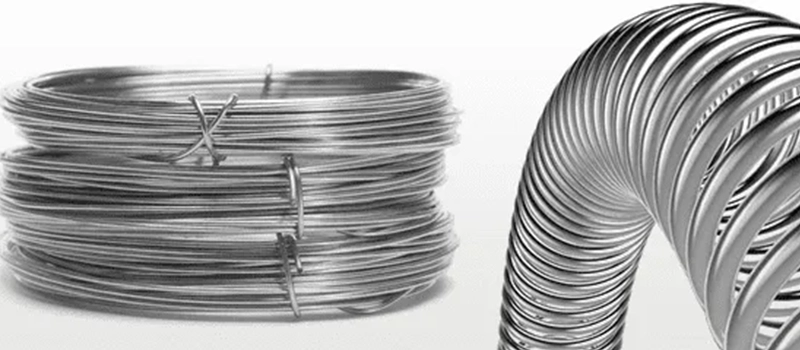
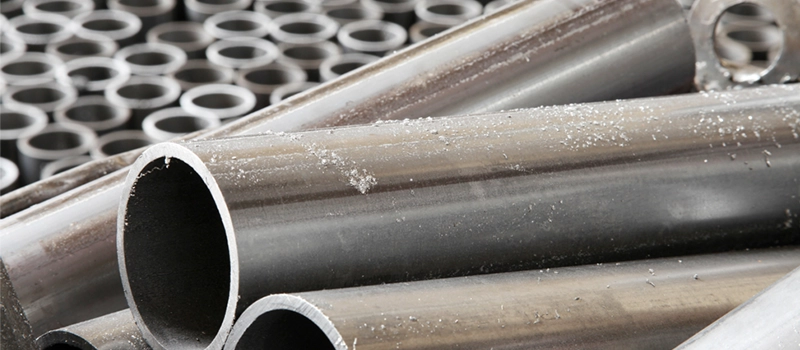
These materials are commonly manufactured into forms such as bars, strips, coils, and precision components, which are then used across multiple industries.
Cutting Tools and Knife Blades
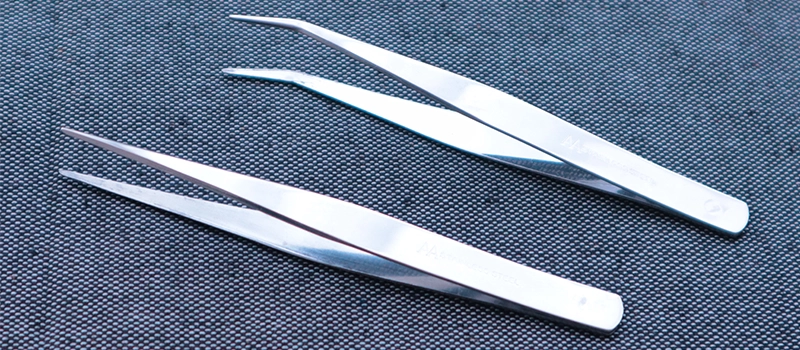
One of the most well-known uses of martensitic stainless steels is in cutting tools and knife blades. The high hardness achieved after heat treatment allows these materials to maintain sharp edges and resist wear during repeated use.
Many industrial knives, surgical instruments, and precision cutting tools are produced from grades such as 420 or 440 series alloys. These materials provide the hardness required for cutting performance while still offering sufficient corrosion resistance for daily use.
Mechanical Components and Fasteners
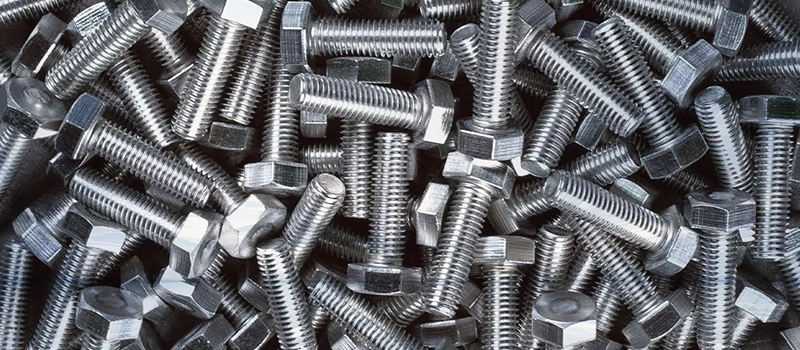
Martensitic stainless steels are also widely used for mechanical parts that require strength and durability. Components such as shafts, pump parts, turbine blades, and industrial fasteners often rely on these alloys.
The combination of hardness and strength allows such parts to operate under mechanical stress without significant deformation. In many mechanical systems, the material’s wear resistance helps maintain dimensional stability over long service periods.
Industrial Equipment
Various types of industrial machinery and equipment incorporate martensitic stainless steel components. Parts that experience friction, repeated motion, or mechanical impact benefit from the strength and durability of these alloys.
Examples include valves, bearings, and structural components used in machinery where both strength and moderate corrosion resistance are required.
Medical and Surgical Instruments
Another important application area is medical and surgical instruments. Many surgical tools require a combination of hardness, corrosion resistance, and the ability to maintain sharp edges.
Martensitic stainless steels are commonly used in manufacturing scalpels, surgical scissors, and other medical cutting instruments, where precise mechanical performance is essential.
Aerospace and Energy Systems
Certain specialized grades, including precipitation-hardening martensitic stainless steels, are used in aerospace and energy industries. These alloys can provide high strength while maintaining reasonable toughness and corrosion resistance.
Applications may include turbine components, aircraft mechanical parts, and equipment used in high-performance engineering systems.
Martensitic Stainless Steel vs Other Stainless Steels
Stainless steels are generally classified according to their metallurgical microstructure. The major categories include austenitic, ferritic, martensitic, and duplex stainless steels, each defined by a distinct crystal structure and alloy composition. These structural differences lead to variations in mechanical strength, corrosion resistance, magnetic behavior, and typical industrial applications.
The following comparison highlights the main differences between martensitic stainless steels and other common stainless steel families.
Martensitic vs Austenitic Stainless Steel
A major distinction between these two groups lies in their heat treatment behavior and mechanical properties. Martensitic alloys can be hardened through quenching and tempering, which allows them to achieve high hardness and strength. Austenitic stainless steels, in contrast, cannot be hardened through heat treatment and are generally strengthened through cold working.
Another important difference is magnetic behavior. Martensitic stainless steels are typically magnetic, while austenitic grades are usually non-magnetic in the annealed condition. In terms of corrosion resistance, austenitic stainless steels generally perform better in highly corrosive environments, whereas martensitic grades prioritize strength and wear resistance.
Martensitic vs Ferritic Stainless Steel
Ferritic stainless steels have a body-centered cubic (BCC) crystal structure and typically contain chromium with little or no nickel. These steels generally provide good corrosion resistance and moderate strength but cannot achieve the same hardness levels as martensitic steels through heat treatment.
Martensitic steels, on the other hand, contain higher carbon levels that allow the formation of martensite during quenching. This structural transformation enables much higher hardness and wear resistance compared with ferritic grades.
Martensitic vs Duplex Stainless Steel
Duplex stainless steels contain a mixed microstructure of austenite and ferrite, which provides a combination of high strength and strong corrosion resistance. These materials are widely used in aggressive environments such as offshore structures and chemical processing plants.
Compared with duplex steels, martensitic stainless steels typically offer higher hardness but lower corrosion resistance. Duplex alloys are usually selected for applications where both strength and corrosion resistance are critical, while martensitic steels are preferred for components that require wear resistance and high hardness.
Advantages and Limitations of Martensitic Stainless Steel
Like all engineering materials, martensitic stainless steel presents both strengths and limitations that must be considered during material selection. Its unique ability to be hardened through heat treatment provides significant mechanical advantages, but certain trade-offs exist in areas such as corrosion resistance and toughness. Understanding these factors helps engineers determine when this material family is the most appropriate choice.
Advantages of Martensitic Stainless Steel
High Hardness and Strength
One of the most significant advantages of martensitic stainless steels is their ability to achieve very high hardness levels after heat treatment. Through processes such as quenching and tempering, the internal structure transforms into martensite, resulting in a material that can withstand heavy mechanical loads and resist deformation.
This property makes the material particularly suitable for tools, mechanical parts, and components that experience frequent friction or stress.
Excellent Wear Resistance
The high hardness of martensitic structures also provides good wear resistance. Components made from these alloys can maintain their surface integrity even under conditions involving abrasion or repeated contact. As a result, the material is commonly used in cutting tools, industrial blades, and other parts where surface durability is essential.
Heat-Treatable Properties
Another key advantage is the ability to tailor mechanical properties through heat treatment. By adjusting heating temperature, quenching conditions, and tempering parameters, manufacturers can control the final hardness, strength, and toughness of the material.
This flexibility allows engineers to optimize the material for different applications without changing its fundamental composition.
Magnetic Characteristics
Martensitic stainless steels are typically magnetic, which can be beneficial in certain industrial applications. Magnetic properties allow components to be detected, separated, or positioned using magnetic systems, which can be useful in manufacturing or mechanical operations.
Limitations of Martensitic Stainless Steel
Lower Corrosion Resistance Compared with Some Stainless Steels
Although these alloys contain chromium and therefore provide corrosion resistance, their performance in highly corrosive environments is generally lower than that of austenitic stainless steels. The higher carbon content required for martensitic transformation can reduce the amount of chromium available to maintain the protective passive layer.
For this reason, these steels are usually selected for environments where mechanical strength is more important than maximum corrosion resistance.
Reduced Toughness at Very High Hardness
When hardened to very high levels, martensitic stainless steels may become relatively brittle. Without proper tempering, excessive hardness can increase the risk of cracking under impact or sudden mechanical loads.
Careful control of heat treatment is therefore necessary to achieve an appropriate balance between hardness and toughness.
More Complex Heat Treatment Requirements
Compared with some other stainless steel types, martensitic alloys often require precise heat treatment processes to achieve optimal properties. Improper heating, quenching, or tempering can negatively affect mechanical performance or lead to internal stresses.
Manufacturing processes must therefore be carefully controlled to ensure consistent material quality.
Conclusion
Martensitic stainless steel is valued for its high hardness, strength, and heat-treatable properties. Although its corrosion resistance is lower than some other stainless steels, its durability and wear resistance make it widely used in tools, mechanical components, and precision engineering applications.