Investment casting surface finish is one of the most important advantages of the lost wax casting process. Compared with many other metal forming technologies, investment casting can produce parts with smoother surfaces, higher dimensional accuracy, and less machining requirements.
For industries such as aerospace, automotive, petrochemical, and industrial equipment, surface quality directly affects performance, assembly accuracy, corrosion resistance, and overall production cost. Understanding the typical surface roughness values, industry standards, and process factors behind investment casting surface finish helps engineers and procurement teams select the right manufacturing solution.
This guide explains everything about investment casting surface finish, including standards, roughness values, comparisons with other casting methods, influencing factors, and practical industrial applications.
What Is Investment Casting Surface Finish
Investment casting surface finish refers to the smoothness and texture of the outer surface of a metal component produced by the investment casting process. In manufacturing terminology, surface finish describes the microscopic irregularities that exist on a material surface after it has been formed. These irregularities determine how smooth or rough a component appears and directly influence the functional quality of the part.
In the context of metal casting, investment casting surface finish is considered one of the most important quality indicators of the process. The investment casting method, also known as lost wax casting, is widely recognized for its ability to produce complex metal parts with relatively smooth surfaces directly from the mold. Because the process uses a precision wax pattern and a fine ceramic mold, the final metal casting can replicate small surface details with high accuracy. As a result, the investment casting surface finish is typically superior to many traditional casting methods.
Surface finish in investment casting is closely related to the concept of surface roughness. Surface roughness describes the small peaks and valleys that exist on a material surface when observed under magnification. Even surfaces that appear smooth to the naked eye contain microscopic irregularities. Engineers evaluate these irregularities using standardized measurement parameters. One of the most commonly used parameters for describing investment casting surface finish is the Ra value, which represents the arithmetic average of the absolute deviations from the mean surface line. A lower Ra value indicates a smoother surface, while a higher Ra value indicates a rougher surface. Detailed explanations of roughness parameters can be found in technical references such as Surface Roughness Measurement Standards.
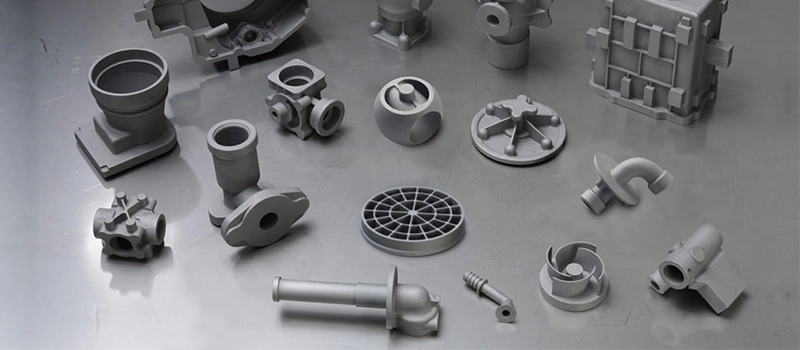
The concept of investment casting surface finish is important because surface quality directly affects the performance of mechanical components. When two parts interact with each other, surface texture influences friction, wear behavior, and lubrication efficiency. A smoother investment casting surface finish can reduce friction between contacting surfaces and improve the overall efficiency of mechanical systems. In addition, surface finish may also affect corrosion resistance and coating adhesion in certain engineering environments.
Another aspect of investment casting surface finish relates to the ability of the casting process to reproduce the geometry of the mold cavity. In investment casting, the manufacturing process begins with the creation of a wax pattern that represents the exact shape of the final component. This wax pattern is then coated with multiple layers of ceramic slurry to form a rigid shell mold. When molten metal is poured into the mold and solidifies, the metal surface reproduces the interior surface of the ceramic shell. Because the ceramic shell can capture extremely fine details, the resulting investment casting surface finish can closely match the quality of the mold surface.
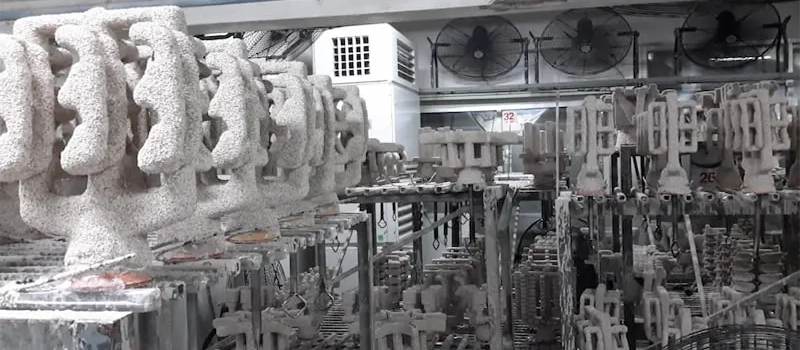
The smoothness of the mold surface plays a key role in determining the final investment casting surface finish. During the shell-building process, the wax pattern is repeatedly dipped into ceramic slurry and coated with refractory particles. The first layer applied to the wax pattern, often called the primary or face coat, is particularly important because it directly defines the surface quality of the final casting. Fine refractory materials are used in this layer to ensure that the ceramic shell can accurately capture the surface details of the wax pattern. This careful mold preparation contributes significantly to achieving a high-quality investment casting surface finish.
In addition to mold characteristics, the investment casting surface finish is influenced by how accurately the wax pattern represents the intended part geometry. The wax pattern acts as the original template for the casting. Any scratches, imperfections, or irregularities present on the wax surface will be transferred to the ceramic mold and eventually appear on the metal casting. Therefore, maintaining a high-quality wax pattern is essential for achieving a consistent investment casting surface finish.
Another defining feature of investment casting surface finish is the ability of the process to produce near-net-shape components. Near-net-shape manufacturing means that the component produced through casting closely matches the final design dimensions and surface condition required for use. Because the investment casting surface finish is already relatively smooth compared with many other casting processes, the amount of additional machining required after casting can often be minimized. This capability makes investment casting an attractive manufacturing method for producing precision components with complex shapes.
The importance of investment casting surface finish extends beyond purely technical considerations. In many industrial products, surface quality also affects the visual appearance of components. A smooth and uniform surface provides a cleaner and more professional appearance, especially for parts that remain visible in the final assembly. For this reason, manufacturers often pay close attention to the investment casting surface finish when producing components used in equipment housings, mechanical assemblies, or high-end industrial products.
Overall, investment casting surface finish represents the surface quality that results from the interaction of several elements within the investment casting process, including the wax pattern, the ceramic shell mold, and the metal solidification behavior. By carefully controlling these aspects of production, manufacturers can achieve a consistent and reliable investment casting surface finish, which is one of the primary reasons the investment casting process is widely used for precision metal components.
Investment Casting Surface Finish Standards and Typical Roughness Values
Understanding investment casting surface finish standards and typical roughness values is essential for engineers, designers, and procurement teams when specifying casting requirements. Surface finish is not only a visual characteristic but also a measurable technical parameter that determines whether a component meets engineering expectations. In the investment casting industry, surface finish is commonly defined using standardized roughness values and internationally recognized measurement systems.
Typical Investment Casting Surface Finish Values
The investment casting surface finish is generally described using the Ra surface roughness parameter, which measures the average deviation of surface irregularities from the mean line. Ra values are expressed in micrometers (μm) and are widely used in engineering drawings and manufacturing specifications. Lower Ra values indicate smoother surfaces and higher surface quality.
In most industrial applications, the typical investment casting surface finish achieved directly from the casting process ranges between Ra 3.2 μm and Ra 6.3 μm. This range is significantly smoother than traditional sand casting surfaces, which typically exceed Ra 12.5 μm. The smooth surface quality is primarily due to the fine ceramic shell molds used in the lost wax casting process.
The following table shows common investment casting surface finish values based on production conditions and post-processing requirements.
| Production Condition | Typical Surface Roughness (Ra) |
|---|---|
| Standard investment casting surface finish | Ra 6.3 μm |
| Precision investment casting surface finish | Ra 3.2 μm |
| Fine shell investment casting surface finish | Ra 1.6 – 3.2 μm |
| Polished investment casting surface finish | Ra 0.8 – 1.6 μm |
These values represent common industrial references rather than strict limits. The actual investment casting surface finish may vary depending on mold material quality, wax pattern accuracy, alloy characteristics, and shell-building technology. Modern foundries using advanced ceramic slurry formulations and high-precision wax injection systems can achieve smoother surfaces than traditional casting operations.
The typical investment casting surface finish also depends on the size and geometry of the part. Components with complex internal cavities or thin walls may experience slight variations in surface quality due to differences in metal flow and solidification behavior. Engineers therefore evaluate investment casting surface finish requirements carefully during the design stage to ensure that the casting process can meet functional and dimensional expectations.
International Surface Finish Standards
To maintain consistency across manufacturing industries, several international organizations define measurement methods and terminology related to surface finish. These standards help engineers communicate precise surface requirements when specifying investment casting surface finish on technical drawings.
One of the most widely used references is the ISO surface texture standard, particularly ISO 4287, which defines surface roughness parameters such as Ra, Rz, and other profile characteristics. These parameters provide standardized methods for measuring the surface finish of investment casting and other manufactured components. A general explanation of surface roughness measurement concepts can be found in the technical reference for Surface Roughness.
In addition to ISO standards, other technical organizations provide guidelines that influence investment casting surface finish standards. For example, the American Society for Testing and Materials (ASTM) publishes several casting-related standards that define testing methods and quality requirements for metal components. Although ASTM standards may not always specify exact Ra values, they provide important frameworks for evaluating casting surface quality and inspection procedures.
Engineering drawings often include surface finish symbols to indicate the required roughness level for a particular surface. These symbols typically specify an Ra value along with machining or finishing instructions. When investment casting surface finish requirements are indicated on a drawing, manufacturers must ensure that the casting process and any secondary finishing operations can achieve the specified surface condition.
How Surface Finish Standards Affect Engineering Design
Surface finish standards play an important role in engineering design decisions. When designers specify a particular investment casting surface finish, they must consider both functional requirements and manufacturing feasibility. For example, parts that require tight sealing surfaces, precision movement, or high fatigue resistance often require smoother surface finishes.
However, specifying unnecessarily low roughness values may increase production complexity and cost. If a component requires an extremely smooth surface, additional finishing processes such as polishing or machining may be required after casting. Engineers therefore aim to select a surface finish of investment casting that balances performance requirements with efficient manufacturing.
Surface finish standards also help ensure consistency between different suppliers and production batches. When a specific investment casting surface finish standard is referenced in a drawing or technical specification, manufacturers can verify surface quality using standardized measurement equipment such as contact profilometers or optical surface analyzers. These tools measure the microscopic surface profile and calculate roughness values according to established standards.
Ultimately, defining the correct investment casting surface finish standards and typical roughness values helps improve communication between designers, manufacturers, and quality control teams. Clear surface specifications reduce misunderstandings during production and ensure that the final casting meets the functional and aesthetic expectations required by modern industrial applications.
Why Investment Casting Creates Better Surface Finish
The investment casting surface finish is widely recognized as one of the main advantages of the investment casting process. Compared with many traditional casting technologies, investment casting is capable of producing metal components with smoother surfaces and finer details directly from the mold. This superior investment casting surface finish is not accidental. It results from several unique characteristics of the lost wax casting process, including precision wax patterns, high-quality ceramic molds, and controlled metal solidification.
Precision Wax Pattern Replication
One of the key reasons why investment casting surface finish is typically superior is the use of highly accurate wax patterns. In the investment casting process, the wax pattern serves as the original template of the final metal component. The surface quality of this wax model is extremely smooth because wax injection molds are usually manufactured using precision machining.
Since the ceramic mold is built directly on the wax pattern, every detail of the wax surface is transferred to the mold cavity. When molten metal fills the mold, it replicates these details with high fidelity. As a result, the final casting inherits the smooth surface characteristics of the wax model, contributing significantly to a high-quality investment casting surface finish.
This replication capability is one of the fundamental reasons why investment casting is often selected for complex components requiring both dimensional accuracy and excellent surface quality.
Fine Ceramic Shell Mold Structure
Another major factor influencing investment casting surface finish is the ceramic shell mold used during the casting process. Unlike sand casting, where the mold surface contains relatively large sand particles, investment casting uses a multi-layer ceramic shell constructed from very fine refractory materials.
The shell-building process typically begins with a primary slurry coating, also known as the face coat. This first layer contains extremely fine ceramic particles designed to capture the exact surface details of the wax pattern. Because of this fine structure, the ceramic mold surface is very smooth, allowing the molten metal to solidify against a refined mold wall.
The smooth mold interior plays a direct role in determining the final investment casting surface finish. A finer mold surface means fewer microscopic irregularities on the casting surface, which results in a smoother final component.
Reduced Mold Parting Lines and Surface Irregularities
Traditional casting methods often require multiple mold sections that meet along parting lines. These mold joints can create visible lines or surface imperfections on the finished casting. In contrast, the investment casting process uses a one-piece ceramic shell mold that closely surrounds the wax pattern.
Because the mold is formed around the pattern rather than assembled from separate sections, the number of parting lines is significantly reduced. This structural advantage helps maintain a cleaner surface profile and improves the overall investment casting surface finish.
Additionally, the ceramic shell mold is highly stable at elevated temperatures. This stability prevents mold deformation during metal pouring and solidification, which further contributes to consistent investment casting surface finish quality.
Controlled Metal Flow and Solidification
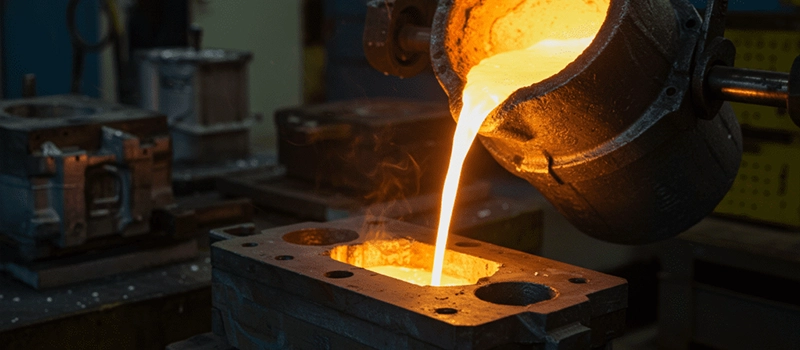
The way molten metal flows into a mold also affects surface quality. In investment casting, gating systems are carefully designed to ensure smooth metal flow into the ceramic shell cavity. Controlled metal flow minimizes turbulence and prevents the formation of surface irregularities that could negatively affect the investment casting surface finish.
Proper mold preheating also plays an important role. When the ceramic mold is heated before pouring, the molten metal can fill the cavity more evenly and reproduce the mold surface more accurately. This improved filling behavior helps maintain a consistent investment casting surface finish across the entire casting surface.
In addition, controlled cooling and solidification reduce the formation of surface shrinkage defects or rough surface textures. By maintaining stable thermal conditions during solidification, manufacturers can preserve the smooth surface characteristics that define high-quality investment casting surface finish.
Near-Net-Shape Manufacturing Advantage
Another important reason why investment casting surface finish is generally superior lies in the near-net-shape capability of the process. Investment casting allows manufacturers to produce complex geometries very close to the final design dimensions without extensive machining.
Because the process already produces a relatively smooth investment casting surface finish, many surfaces can remain in their as-cast condition without additional finishing. This capability not only improves production efficiency but also preserves the original surface quality created by the mold.
For components with intricate geometries, internal passages, or thin walls, achieving a smooth surface through machining alone would be extremely difficult or expensive. The inherent precision of investment casting makes it possible to achieve consistent investment casting surface finish even in geometrically complex areas.
Consistency in Complex Geometries
Modern engineering components often include intricate shapes, curved surfaces, and internal cavities. Maintaining uniform surface quality on such complex geometries can be challenging in many manufacturing processes. However, the investment casting process allows the ceramic mold to completely surround the wax pattern, reproducing its geometry with high accuracy.
Because the mold captures every detail of the pattern surface, the resulting casting can maintain a consistent investment casting surface finish even on complex contours. This ability to reproduce fine surface features makes investment casting especially suitable for precision components used in advanced industrial applications.
Overall, the superior investment casting surface finish results from the combination of precise wax patterns, fine ceramic molds, stable mold structures, and carefully controlled metal flow. These characteristics allow investment casting to produce components with smooth surfaces and accurate details directly from the mold, which is one of the primary reasons the process is widely used in precision metal manufacturing.
Investment Casting Surface Finish vs Other Manufacturing Processes
When evaluating manufacturing options, engineers often compare the investment casting surface finish with other common metal forming processes. Each manufacturing method produces different surface roughness levels due to variations in mold materials, process control, and metal solidification behavior.
The table below summarizes the typical surface finish of investment casting compared with other manufacturing processes.
| Manufacturing Process | Typical Surface Roughness (Ra) | Surface Quality Level | Key Characteristics |
|---|---|---|---|
| Investment Casting | Ra 3.2 – 6.3 μm | Smooth | Fine ceramic shell molds reproduce detailed surfaces with minimal machining |
| Die Casting | Ra 1.6 – 3.2 μm | Very smooth | High-pressure metal injection into steel molds produces fine surfaces |
| Sand Casting | Ra 12.5 – 25 μm | Rough | Sand mold texture transfers to casting surface |
| Permanent Mold Casting | Ra 3.2 – 12.5 μm | Medium | Metal molds provide better surface quality than sand molds |
| CNC Machining | Ra 0.4 – 1.6 μm | Ultra smooth | Material removal process capable of extremely fine finishes |
From this comparison, it can be seen that the investment casting surface finish provides a balanced level of surface quality. It is significantly smoother than traditional sand casting while still allowing the production of complex geometries that would be difficult to achieve through machining alone.
Because of this combination of surface quality and manufacturing flexibility, investment casting surface finish is widely considered an ideal solution for precision metal components that require both detailed shapes and relatively smooth surfaces.
Factors Affecting Investment Casting Surface Finish
The final investment casting surface finish is not determined by a single factor. Instead, it is the result of multiple process variables working together during pattern creation, mold preparation, metal pouring, and solidification. Even small variations in materials or processing parameters can influence the surface finish of investment casting.
Understanding these factors helps engineers control production quality and achieve a consistent investment casting surface finish across different batches and component geometries.
Wax Pattern Quality
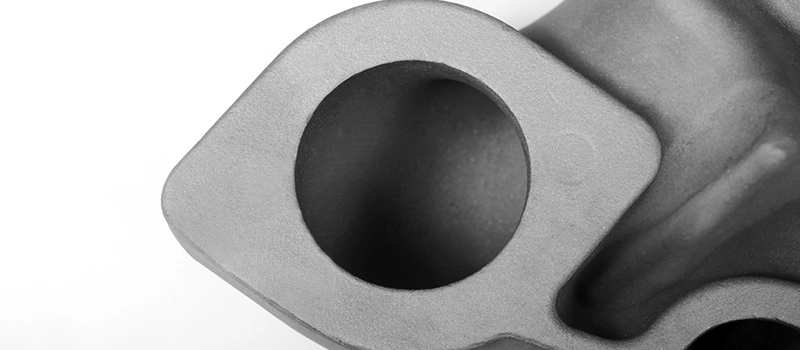
The wax pattern is the starting point of the entire investment casting process, and its surface condition directly affects the final investment casting surface finish. Because the ceramic mold is built directly around the wax model, any imperfections present on the wax surface will be reproduced on the metal casting.
High-quality wax injection molds and controlled injection parameters are therefore essential for achieving a smooth investment casting surface finish. Scratches, air bubbles, or deformation on the wax pattern can lead to surface irregularities that remain visible after casting.
Manufacturers typically maintain strict quality control during wax injection to ensure the wax pattern surface remains smooth and dimensionally accurate.
Ceramic Shell Mold Material
The ceramic shell mold plays a decisive role in determining the investment casting surface finish. The shell is formed by repeatedly dipping the wax pattern into ceramic slurry and coating it with refractory particles.
The primary coating layer, often called the face coat, is particularly important because it directly contacts the molten metal during casting. Fine ceramic particles are used in this layer to ensure that the mold surface remains smooth. A finer mold surface allows the molten metal to reproduce the mold cavity more accurately, resulting in a better investment casting surface finish.
If the ceramic slurry contains coarse particles or uneven coatings, the mold surface may become rough, which will negatively affect the final investment casting surface finish.
Alloy Material Characteristics
Different metals exhibit different fluidity, viscosity, and solidification behavior. These characteristics influence how well molten metal can fill the ceramic mold and reproduce fine surface details.
Metals with good fluidity can flow smoothly into thin sections and complex cavities, which helps maintain a consistent investment casting surface finish. Alloys with poor fluidity may produce incomplete surface replication or small surface irregularities during solidification.
Material selection therefore plays an important role when engineers evaluate the achievable investment casting surface finish for a specific component.
Pouring Temperature and Metal Flow
The temperature of molten metal during pouring also influences the final investment casting surface finish. If the metal temperature is too low, the molten metal may not fully fill the mold cavity, which can create surface imperfections. If the temperature is too high, excessive oxidation or turbulence may occur, potentially affecting surface quality.
Proper gating design and controlled pouring conditions help ensure that the molten metal flows smoothly into the mold cavity. Stable metal flow reduces turbulence and prevents surface defects that could degrade the investment casting surface finish.
Maintaining stable pouring conditions is therefore an essential part of producing castings with consistent surface quality.
Mold Preheating and Solidification Conditions
Before pouring molten metal, the ceramic shell mold is usually preheated to a specific temperature. Mold preheating helps improve metal flow and prevents sudden temperature changes when molten metal enters the mold.
A properly preheated mold allows the metal to fill the cavity more evenly and reproduce the mold surface more accurately. This improves the overall investment casting surface finish.
Solidification behavior also affects surface quality. Controlled cooling conditions reduce thermal stresses and minimize surface irregularities. By managing mold temperature and cooling rates, manufacturers can maintain a stable and uniform investment casting surface finish.
Post-Casting Surface Treatments
Although the as-cast investment casting surface finish is already relatively smooth, additional finishing operations are sometimes used to further improve surface quality.
Common surface treatments include:
- Shot blasting
- Mechanical polishing
- Electropolishing
- Surface passivation
These finishing processes can remove minor surface irregularities and enhance the final investment casting surface finish, especially when components require improved appearance or corrosion resistance.
Overall, the investment casting surface finish is influenced by a combination of pattern quality, mold materials, alloy properties, pouring parameters, and finishing operations. By carefully controlling each of these factors, manufacturers can consistently produce precision components with reliable and high-quality surface characteristics.
How to Improve Investment Casting Surface Finish
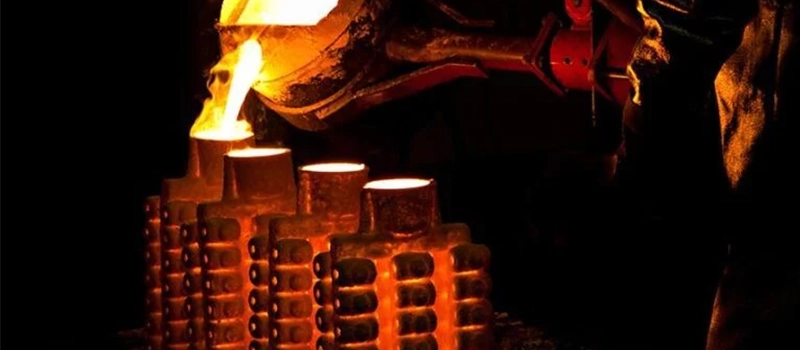
Although the investment casting surface finish produced directly from the casting process is already relatively smooth, manufacturers often apply process optimization techniques to further improve surface quality. Improving investment casting surface finish is important when components require better mechanical performance, tighter sealing surfaces, or higher visual quality.
Several manufacturing practices can significantly enhance the surface finish of investment casting, from pattern production to post-casting finishing operations.
Improve Wax Pattern Precision
The first step in achieving a high-quality investment casting surface finish is producing a smooth and accurate wax pattern. Since the ceramic mold is created directly from the wax model, the surface condition of the wax pattern determines the initial quality of the mold cavity.
Manufacturers improve wax pattern quality by using:
- High-precision wax injection molds
- Controlled wax injection temperature and pressure
- Stable cooling conditions for wax solidification
When the wax pattern has a smooth and defect-free surface, the resulting ceramic mold can replicate these details accurately, which helps achieve a better investment casting surface finish.
Use Fine Ceramic Slurry Materials
The ceramic shell mold is another critical factor influencing the investment casting surface finish. The surface quality of the mold cavity depends largely on the particle size of the refractory materials used in the ceramic slurry.
To improve surface quality, manufacturers typically apply a fine-grain primary coating layer during the shell-building process. This face coat uses very fine ceramic particles that can capture the exact details of the wax pattern.
A smoother mold surface allows molten metal to reproduce the cavity surface more accurately, which directly improves the investment casting surface finish of the final component.
Optimize Pouring Parameters
Pouring temperature, metal flow stability, and gating design all influence the final investment casting surface finish. Proper control of these parameters ensures that molten metal fills the ceramic mold smoothly and reproduces the mold surface accurately.
To maintain a consistent investment casting surface finish, manufacturers typically:
- Maintain stable pouring temperatures
- Design gating systems that minimize turbulence
- Preheat molds to improve metal flow
These process controls help prevent surface irregularities that may appear during casting.
Apply Secondary Surface Finishing Methods
When extremely smooth surfaces are required, additional finishing processes can further enhance the investment casting surface finish after casting.
Common secondary finishing methods include:
| Finishing Method | Purpose |
|---|---|
| Shot blasting | Removes surface scale and improves surface uniformity |
| Mechanical polishing | Produces smoother surfaces for aesthetic or functional requirements |
| Electropolishing | Improves corrosion resistance and creates very smooth surfaces |
| Passivation | Enhances corrosion resistance for stainless steel components |
These finishing operations can significantly improve the final investment casting surface finish, especially for components used in precision mechanical assemblies or corrosion-sensitive environments.
Control Process Consistency
Consistency in production conditions is also important for maintaining stable investment casting surface finish quality. Variations in wax pattern production, ceramic shell preparation, or metal pouring parameters may lead to inconsistent surface results.
For this reason, modern investment casting facilities often use strict process control systems and inspection methods to monitor surface quality. Surface roughness measuring equipment such as profilometers is commonly used to verify whether the required investment casting surface finish has been achieved.
By combining precise pattern manufacturing, high-quality mold materials, optimized casting parameters, and appropriate finishing techniques, manufacturers can consistently produce metal components with improved and reliable investment casting surface finish.
Applications of Different Investment Casting Surface Finishes
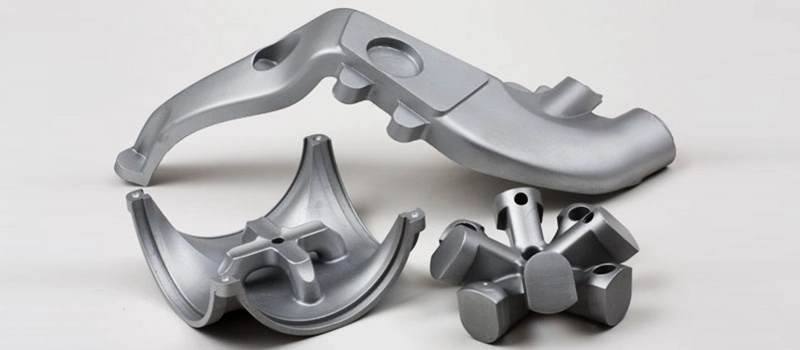
Different industrial components require different levels of investment casting surface finish depending on their functional requirements, operating environments, and assembly conditions. While the typical investment casting surface finish ranges between Ra 3.2 μm and Ra 6.3 μm, certain applications may require smoother surfaces or additional finishing treatments.
Selecting the appropriate surface finish of investment casting helps ensure optimal performance, durability, and manufacturing efficiency. The table below summarizes common application scenarios and the typical surface finish requirements associated with them.
| Application Industry | Typical Surface Finish Requirement | Reason for Surface Requirement |
|---|---|---|
| Aerospace components | Ra 1.6 – 3.2 μm | Smooth surfaces reduce stress concentration and improve fatigue resistance |
| Automotive precision parts | Ra 3.2 – 6.3 μm | Balanced surface quality for durability and cost-effective production |
| Medical equipment components | Ra 0.8 – 1.6 μm | High surface smoothness required for hygiene and precision |
| Industrial machinery parts | Ra 3.2 – 6.3 μm | Standard investment casting surface finish suitable for mechanical operation |
| Pump and valve components | Ra 1.6 – 3.2 μm | Smooth surfaces improve sealing performance and fluid flow |
| Petrochemical equipment parts | Ra 3.2 – 6.3 μm | Surface quality helps maintain corrosion resistance and structural reliability |
In many industrial applications, the standard investment casting surface finish achieved directly from the casting process is already sufficient for functional requirements. For example, many mechanical parts used in industrial machinery can operate reliably with an as-cast investment casting surface finish within the Ra 3.2 μm to Ra 6.3 μm range.
However, certain industries require improved surface smoothness. Aerospace components, for example, often require a finer investment casting surface finish because smoother surfaces help reduce stress concentration points that may contribute to fatigue failure during long-term operation. In these cases, manufacturers may apply additional finishing processes such as polishing or electropolishing.
In fluid-handling equipment such as pumps and valves, the investment casting surface finish also plays an important role in fluid flow performance. Smoother surfaces inside flow passages can reduce turbulence and improve flow efficiency. As a result, these components may require a slightly finer surface finish of investment casting compared with general mechanical parts.
Medical equipment components often require the smoothest investment casting surface finish among industrial applications. A high-quality surface is necessary not only for dimensional precision but also for hygiene and cleanability. In many cases, additional finishing treatments are applied to achieve extremely smooth and corrosion-resistant surfaces.
Overall, the flexibility of the investment casting process allows manufacturers to produce components with different levels of investment casting surface finish depending on application requirements. By selecting appropriate casting parameters and finishing processes, manufacturers can tailor the surface quality to meet the functional needs of various industries while maintaining efficient production.
Conclusion
The investment casting surface finish is one of the most important advantages of the investment casting process. Thanks to precision wax patterns, fine ceramic shell molds, and controlled metal solidification, manufacturers can produce metal components with smooth and consistent surfaces directly from the casting process. Understanding investment casting surface finish standards, typical roughness values, influencing factors, and application requirements helps engineers select the most suitable manufacturing solution for high-quality precision components.