Medium carbon steel is an important category of carbon steel widely used in engineering and industrial manufacturing. In general, medium carbon steel contains approximately 0.25% to 0.60% carbon, which gives the material a balanced combination of strength, hardness, and ductility. Compared with low carbon steel, it provides higher strength and better wear resistance, while still maintaining reasonable toughness and machinability.
Because of this balance of mechanical properties, medium carbon steel is commonly used in the production of mechanical components such as shafts, gears, axles, and machine parts. The material also responds well to heat treatment processes like quenching and tempering, which can significantly improve hardness and strength for demanding applications.
This article explores the key aspects of medium carbon steel, including its composition, properties, advantages, manufacturing processes, common grades, and industrial uses. Understanding these characteristics helps engineers and manufacturers select the most suitable materials for mechanical and structural applications.
Composition and Properties of Medium Carbon Steel
Understanding the composition and properties of medium carbon steel is essential for selecting appropriate materials in mechanical engineering and manufacturing. Medium carbon steel occupies the middle range within the carbon steel classification system and offers a balanced combination of strength, hardness, and toughness. Because of this balance, it is widely used in components that require both mechanical durability and moderate formability.
The performance characteristics of this material are primarily determined by its chemical composition, internal microstructure, and mechanical properties. These factors influence how the steel behaves during manufacturing processes such as forging, machining, and heat treatment.
Chemical Composition of Medium Carbon Steel
Medium carbon steel is primarily composed of iron with a moderate amount of carbon and small quantities of other alloying elements. The carbon content typically ranges from 0.25% to 0.60% by weight, which places it between low carbon and high carbon steels.
Carbon Content
Carbon plays the most important role in determining the mechanical behavior of steel. In medium carbon steel, the increased carbon percentage improves strength and hardness compared with low carbon steel, while still maintaining acceptable levels of ductility.
Typical carbon classifications are shown below:
| Steel Category | Carbon Content |
|---|---|
| Low Carbon Steel | 0.05% – 0.25% |
| Medium Carbon Steel | 0.25% – 0.60% |
| High Carbon Steel | 0.60% – 1.00% |
This intermediate carbon level provides a useful balance between machinability and mechanical performance, making the material suitable for a wide variety of engineering applications.
Additional Alloying Elements
Besides carbon, several other elements are commonly present in small quantities. These elements influence strength, wear resistance, and manufacturing performance.
Typical alloying elements include:
| Element | Function |
|---|---|
| Manganese (Mn) | Improves strength and hardenability |
| Silicon (Si) | Enhances strength and acts as a deoxidizer |
| Phosphorus (P) | Improves machinability but may reduce toughness |
| Sulfur (S) | Improves machinability in controlled amounts |
In some cases, additional alloying elements may be introduced to improve wear resistance or fatigue performance, creating medium carbon alloy steels used in demanding mechanical applications.
Microstructure of Medium Carbon Steel
The internal microstructure of medium carbon steel plays a key role in determining its mechanical behavior. Compared with low carbon steel, this material contains a larger proportion of pearlite along with ferrite.
Ferrite and Pearlite Structure
Ferrite is a relatively soft and ductile phase of iron, while pearlite consists of alternating layers of ferrite and cementite. As carbon content increases, the amount of pearlite within the microstructure also increases.
This combination provides improved strength and hardness compared with ferrite-dominated steels while still maintaining reasonable toughness.
Structural Transformation During Heat Treatment
When medium carbon steel undergoes heat treatment processes such as quenching, the microstructure can transform into harder phases such as martensite. This transformation significantly increases hardness and strength, which is why the material is often heat treated for mechanical components.
Mechanical Properties
Medium carbon steel offers mechanical properties that fall between those of low carbon steel and high carbon steel. It provides higher strength and hardness than low carbon steel while maintaining greater toughness than high carbon steel.
Typical mechanical properties are summarized in the following table.
| Property | Typical Value |
|---|---|
| Density | ~7.85 g/cm³ |
| Tensile Strength | 500 – 800 MPa |
| Yield Strength | 300 – 600 MPa |
| Hardness | 150 – 300 HB |
| Elastic Modulus | ~200 GPa |
These properties make the material suitable for components that must withstand moderate to high mechanical loads.
Heat Treatment Characteristics
One of the key advantages of medium carbon steel is its ability to respond effectively to heat treatment processes. By controlling heating and cooling conditions, engineers can adjust hardness, strength, and toughness to match specific application requirements.
Quenching
Quenching involves heating the steel to a high temperature and then cooling it rapidly in water or oil. This rapid cooling produces a martensitic microstructure, significantly increasing hardness.
Tempering
After quenching, the material may become brittle. Tempering is performed by reheating the steel to a lower temperature and allowing controlled cooling. This process improves toughness while maintaining high strength.
Normalizing
Normalizing involves heating the steel above its critical temperature and allowing it to cool in air. This process refines the grain structure and produces more uniform mechanical properties.
Because of its ability to undergo these treatments, medium carbon steel is commonly used in gears, shafts, axles, and other mechanical components that require improved strength and durability.
Advantages of Medium Carbon Steel
Medium carbon steel is widely used in engineering and manufacturing because it provides a practical balance between strength, hardness, and toughness. While low carbon steel offers excellent ductility and high carbon steel provides extreme hardness, medium carbon steel occupies the middle ground by delivering improved mechanical strength without sacrificing too much toughness or machinability. These characteristics make it particularly suitable for components that must endure mechanical stress while maintaining structural reliability.
Balanced Strength and Toughness
One of the most significant advantages of medium carbon steel is its balanced mechanical performance. The moderate carbon content increases the strength of the material compared with low carbon steel while maintaining sufficient toughness to resist sudden fracture.
This balance is especially valuable in mechanical applications where parts must support heavy loads while still absorbing shocks or impacts. Components such as shafts, axles, and gears often rely on this combination of strength and toughness to function safely under dynamic operating conditions.
Good Wear Resistance
Medium carbon steel also provides improved wear resistance compared with steels that contain lower carbon levels. The higher carbon content promotes the formation of pearlite and cementite within the microstructure, which increases surface hardness and resistance to abrasion.
This property makes the material suitable for components that experience continuous contact or friction, including:
- Mechanical gears
- Industrial machine parts
- Automotive components
- Agricultural equipment
Improved wear resistance helps extend the service life of these components and reduces maintenance requirements.
Heat Treatable Properties
Another important advantage is that medium carbon steel is highly responsive to heat treatment. Through processes such as quenching and tempering, manufacturers can significantly increase hardness and strength while maintaining adequate toughness.
Heat treatment allows engineers to tailor the material’s mechanical properties to match specific performance requirements. For example, a gear may require higher surface hardness to resist wear, while an axle may need a combination of strength and toughness to withstand repeated loading.
Because of this flexibility, medium carbon steel is frequently used for mechanical parts that must operate under demanding conditions.
Suitable for Mechanical Components
The combination of strength, wear resistance, and heat treatability makes medium carbon steel particularly suitable for manufacturing mechanical components and machine parts.
Common products manufactured from this material include:
- Shafts and axles
- Gears and sprockets
- Connecting rods
- Bolts and fasteners
- Industrial machinery components
These components often operate under heavy loads and repetitive stress, requiring materials that provide reliable mechanical performance over long periods of use.
Wide Availability and Versatility
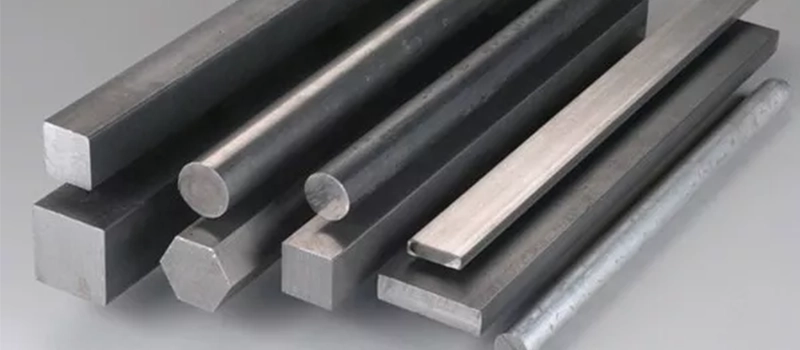
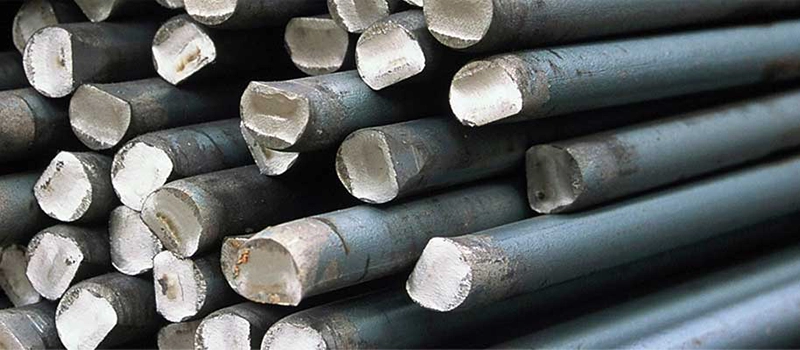
Medium carbon steel is available in many standardized grades and product forms, including bars, plates, and forged components. This wide availability allows manufacturers to select appropriate grades based on specific engineering requirements.
In addition, the material can be processed through several manufacturing methods such as forging, machining, and heat treatment. This versatility makes medium carbon steel an important material in industries such as automotive manufacturing, machinery production, and industrial equipment fabrication.
Manufacturing Processes Involving Medium Carbon Steel
Medium carbon steel is widely used in manufacturing because it provides a balance between mechanical strength and processability. While it is stronger and harder than low carbon steel, it can still be processed through common industrial manufacturing methods. However, due to its higher carbon content, certain processes such as welding and forming require careful control to prevent cracking or excessive hardness.
The production of components made from this material typically involves forging, machining, heat treatment, and controlled welding procedures. Each process plays an important role in shaping the steel and achieving the desired mechanical performance.
Forging Processes
Forging is one of the most common manufacturing methods used for medium carbon steel components. During forging, the steel is heated to high temperatures and shaped using compressive forces from hammers or presses.
Hot forging improves the internal grain structure of the material, which enhances mechanical strength and fatigue resistance. The process also helps eliminate internal defects and produces components with greater structural reliability.
Medium carbon steel forging is commonly used to manufacture:
- Automotive shafts
- Crankshafts
- Mechanical gears
- Industrial fasteners
- Heavy-duty machine parts
Because forging aligns the internal grain flow of the material, forged components often perform better under mechanical stress compared with parts produced through other methods.
Machining Processes
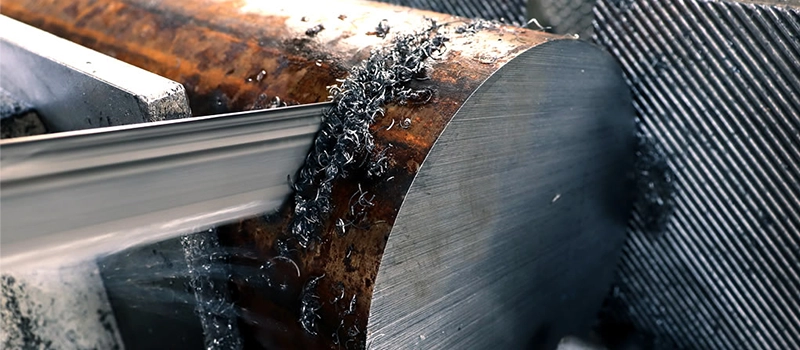
Machining is frequently used to produce precision components from medium carbon steel. Operations such as turning, milling, drilling, and grinding allow manufacturers to achieve accurate dimensions and smooth surface finishes.
Compared with high carbon steel, medium carbon steel generally offers better machinability. However, its hardness is still higher than low carbon steel, which means cutting parameters and tool materials must be carefully selected.
Common machined components include:
- Precision shafts
- Gear blanks
- Machine fittings
- Structural fasteners
In many cases, components are machined in a softer condition and then subjected to heat treatment to achieve the final hardness required for service.
Heat Treatment Processes
Heat treatment is a critical manufacturing step for medium carbon steel because it allows engineers to adjust the material’s mechanical properties. By controlling heating and cooling conditions, manufacturers can significantly improve hardness, strength, and wear resistance.
Several heat treatment methods are commonly used.
Quenching
Quenching involves heating the steel to a high temperature and rapidly cooling it in water, oil, or other cooling media. This process transforms the microstructure into martensite, which greatly increases hardness and strength.
Tempering
After quenching, the steel may become brittle. Tempering is performed by reheating the material to a lower temperature and allowing controlled cooling. This process reduces brittleness and improves toughness while maintaining high strength.
Normalizing
Normalizing is another heat treatment process used to refine the grain structure of medium carbon steel. The steel is heated above its critical temperature and then cooled in air, producing a uniform microstructure and improved mechanical properties.
Through these heat treatment processes, medium carbon steel can be tailored for applications that require specific levels of hardness and durability.

Welding Considerations
Welding medium carbon steel can be more challenging than welding low carbon steel because the higher carbon content increases the risk of cracking in the heat-affected zone.
To reduce this risk, certain precautions are often taken during welding operations:
- Preheating the steel before welding
- Controlling the cooling rate after welding
- Using suitable welding electrodes or filler materials
With proper welding procedures, medium carbon steel can still be successfully used in fabricated structures and mechanical assemblies.
Common Grades of Medium Carbon Steel
Medium carbon steel is available in a variety of standardized grades, each designed to provide specific mechanical properties and performance characteristics. These grades mainly differ in their carbon percentage and alloying elements, which influence strength, hardness, wear resistance, and heat treatment capability. Selecting the appropriate grade is important because different engineering applications require different combinations of mechanical performance and durability.
Many medium carbon steel grades belong to the AISI 1000 series, where the last two digits generally indicate the approximate carbon percentage. For example, steel grade 1045 typically contains about 0.45% carbon, making it one of the most widely used medium carbon steels in mechanical manufacturing.
The following table shows several commonly used grades and their typical characteristics.
Typical Medium Carbon Steel Grades
| Steel Grade | Carbon Content | Key Characteristics | Typical Applications |
|---|---|---|---|
| 1040 Medium Carbon Steel | ~0.40% | Good strength and toughness | Shafts, machinery components |
| 1045 Medium Carbon Steel | ~0.45% | Balanced strength and hardness | Gears, axles, bolts |
| 1050 Medium Carbon Steel | ~0.50% | Higher hardness after heat treatment | Industrial tools, mechanical parts |
| 1060 Medium Carbon Steel | ~0.60% | High strength and wear resistance | Springs, heavy-duty components |
| 4140 Alloy Steel | ~0.40% + alloying elements | Excellent strength and toughness | Automotive and heavy machinery parts |
AISI 1045 Medium Carbon Steel
Among the available grades, AISI 1045 steel is one of the most commonly used medium carbon steels. It offers a good balance of strength, hardness, and machinability, which makes it suitable for a wide variety of mechanical components.
AISI 1045 is frequently used for:
- Machine shafts
- Axles
- Gear components
- Bolts and fasteners
The steel can be heat treated through quenching and tempering to improve hardness and wear resistance, allowing it to perform reliably in mechanical systems.
Medium Carbon Alloy Steel Variants
In addition to plain carbon steels, there are also medium carbon alloy steels that contain additional alloying elements such as chromium, molybdenum, or nickel. These elements enhance properties such as strength, fatigue resistance, and toughness.
Examples include alloy steels used for:
- Heavy-duty machine components
- Automotive suspension systems
- Industrial equipment parts
These alloy steels maintain the strength advantages of medium carbon steel while offering improved mechanical performance in demanding environments.
Applications in Engineering and Industry
Steel with a moderate carbon content is widely used in mechanical engineering because it provides a practical balance between strength, hardness, and toughness. This balance allows the material to perform well in components that must withstand repeated loads, mechanical friction, and moderate impact. As a result, it is frequently selected for machine parts, automotive components, and structural equipment where both durability and reliability are required.
Automotive Components
One of the most important application areas is the automotive industry. Many vehicle parts must support heavy loads while operating under continuous stress and vibration. Materials in this carbon range provide the necessary mechanical strength while still maintaining adequate toughness.
Typical automotive parts manufactured from this material include:
- Crankshafts
- Axles
- Drive shafts
- Suspension components
These parts often undergo heat treatment to improve hardness and fatigue resistance, allowing them to perform reliably in demanding operating conditions.
Gears and Power Transmission Parts
Gears and other power transmission components require materials that can resist wear while maintaining structural strength. Steels with moderate carbon content are commonly used because they can achieve higher surface hardness after heat treatment.
Typical gear-related applications include:
- Industrial gears
- Sprockets
- Gear shafts
- Transmission components
These parts must withstand constant contact and friction during operation, making strength and wear resistance particularly important.
Industrial Machinery Components
Many types of industrial equipment contain mechanical parts made from this type of steel. These components often experience high loads, repeated motion, and mechanical stress during operation.
Examples include:
- Machine shafts
- Mechanical couplings
- Connecting rods
- Heavy equipment components
The material’s combination of strength and toughness helps ensure long service life in industrial machinery.
Structural and Engineering Parts
In addition to machinery components, steels in this carbon range are also used for structural elements in engineering projects. These materials offer greater strength than low carbon steels while remaining more workable than higher carbon steels.
Common structural applications include:
- Structural bars
- Support brackets
- Engineering fasteners
- Equipment frames
These parts benefit from improved mechanical performance while still allowing reasonable machinability and manufacturing flexibility.
Springs and High-Stress Components
Certain grades are also used in the production of springs and other high-stress mechanical parts. Springs must repeatedly compress and expand without losing their elasticity or mechanical integrity.
Because of their ability to be heat treated and strengthened, steels with moderate carbon levels are well suited for:
- Mechanical springs
- Agricultural machinery components
- Heavy-duty fasteners
- Industrial hardware
These applications rely on materials that provide both strength and fatigue resistance.
Comparison with Other Types of Carbon Steel
Carbon steels are generally classified according to their carbon content, which strongly influences their mechanical behavior and industrial applications. The three primary categories are low carbon steel, medium carbon steel, and high carbon steel. Each type offers different levels of strength, hardness, ductility, and manufacturability.
Steel with moderate carbon content occupies the middle position within this classification. It provides greater strength and wear resistance than low carbon steel while maintaining better toughness and machinability than high carbon steel. This balance makes it particularly suitable for mechanical components and industrial equipment.
The following table summarizes the main differences between the three categories of carbon steel.
Comparison of Carbon Steel Types
| Steel Type | Carbon Content | Strength | Ductility | Weldability | Typical Applications |
|---|---|---|---|---|---|
| Low Carbon Steel | 0.05% – 0.25% | Low to moderate | High | Excellent | Structural components, sheet metal, pipes |
| Medium Carbon Steel | 0.25% – 0.60% | Moderate to high | Moderate | Limited | Gears, shafts, axles, machine parts |
| High Carbon Steel | 0.60% – 1.00% | High | Low | Poor | Cutting tools, springs, blades |
Comparison with Low Carbon Steel
Low carbon steel contains a smaller percentage of carbon, which makes it more ductile and easier to weld or form. It is commonly used for structural products, sheet metal, and fabricated components where flexibility and manufacturability are important.
In contrast, steel with moderate carbon content offers higher strength and hardness. While it is not as easy to weld or form, it performs better in applications requiring improved mechanical durability, such as gears, shafts, and machine components.
Comparison with High Carbon Steel
High carbon steel contains a much higher percentage of carbon, which significantly increases hardness and wear resistance. However, this increased hardness also reduces ductility and makes the material more brittle.
Steels in the medium range provide a useful compromise. They deliver higher strength than low carbon steel while maintaining better toughness than high carbon steel. This balance makes them suitable for many mechanical applications where both strength and reliability are required.
Conclusion: The Importance of Medium Carbon Steel in Engineering
Medium carbon steel offers a balanced combination of strength, hardness, and toughness, making it ideal for mechanical components such as gears, shafts, and automotive parts. Its ability to respond well to heat treatment further enhances performance. Because of this versatility, it remains an essential material in modern engineering and industrial manufacturing.