Low carbon steel is one of the most widely used materials in modern industry. With a carbon content typically below 0.25%, low carbon steel offers excellent ductility, good weldability, and reliable formability. These characteristics make low carbon steel suitable for a wide range of manufacturing processes such as forming, machining, and welding.
Because of its balanced mechanical performance and relatively low cost, low carbon steel is widely used in construction, automotive manufacturing, machinery, and infrastructure projects. According to data from the World Steel Association, carbon steels account for a significant share of global steel production due to their versatility and cost efficiency.
This article explores low carbon steel in detail, including its composition, properties, advantages, manufacturing processes, and industrial applications, helping readers better understand why low carbon steel remains essential in modern engineering.
Composition and Properties of Low Carbon Steel
Low carbon steel is one of the most widely used metallic materials in modern manufacturing and engineering. Its popularity comes from a balanced combination of mechanical strength, ductility, formability, and cost efficiency. These characteristics are largely determined by its chemical composition and internal microstructure. Compared with other carbon steels, the relatively low carbon content provides improved workability and excellent weldability, making the material suitable for a broad range of fabrication processes.
Understanding the composition and properties of this material helps engineers and manufacturers choose appropriate grades and processing methods for different industrial applications.
Chemical Composition of Low Carbon Steel
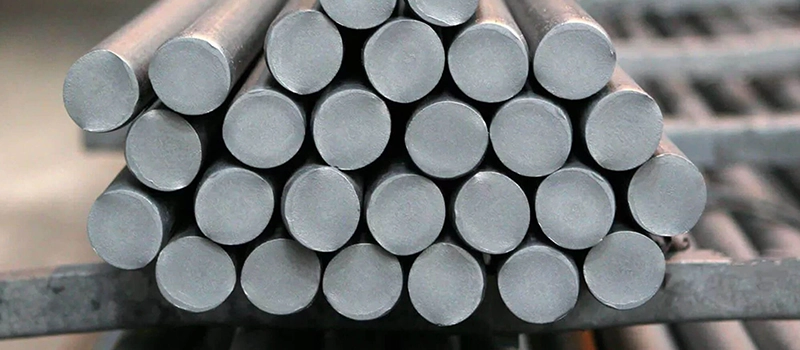
Low carbon steel is primarily composed of iron with a relatively small percentage of carbon and minor alloying elements. The defining feature of this steel category is its carbon content, which typically ranges between 0.05% and 0.25% by weight. This controlled carbon level allows the steel to maintain good ductility and toughness while still providing adequate structural strength.
Carbon Content
Carbon is the most important element influencing the mechanical behavior of steel. In low carbon steel, the carbon level remains intentionally limited to maintain softness and workability. When carbon content increases, steel becomes stronger and harder, but it also becomes more brittle and difficult to weld. The lower carbon percentage therefore helps maintain flexibility and reduces the risk of cracking during fabrication processes such as bending or welding.
Additional Alloying Elements
Although iron and carbon form the basic structure of the material, several additional elements are present in small quantities. These elements influence strength, machinability, and overall performance.
Typical composition elements include:
| Element | Typical Range | Role in Steel |
|---|---|---|
| Carbon (C) | 0.05–0.25% | Increases hardness and strength |
| Manganese (Mn) | 0.25–0.60% | Improves strength and wear resistance |
| Silicon (Si) | 0.10–0.40% | Enhances strength and acts as a deoxidizer |
| Phosphorus (P) | ≤0.04% | Improves machinability but may reduce toughness |
| Sulfur (S) | ≤0.05% | Enhances machinability in controlled amounts |
These elements are carefully controlled during steel production to ensure consistent mechanical properties and reliable manufacturing performance.
Microstructure of Low Carbon Steel
The internal microstructure of low carbon steel plays a crucial role in determining its mechanical characteristics. Metallurgically, the structure is primarily composed of ferrite with small amounts of pearlite.
Ferrite-Dominated Structure
Ferrite is a soft and highly ductile phase of iron. Because low carbon steel contains a limited amount of carbon, ferrite becomes the dominant structural phase. This contributes to the material’s excellent formability and ability to withstand plastic deformation without fracture.
Ferritic structures also allow the steel to absorb energy during deformation, which improves toughness and resistance to cracking.
Presence of Pearlite
Pearlite is a layered microstructure composed of alternating ferrite and cementite. Although it is present in smaller quantities in low carbon steel, it contributes additional strength and hardness compared with pure ferrite.
The balance between ferrite and pearlite allows the material to maintain both flexibility and sufficient structural strength for engineering use.
Mechanical Properties
Low carbon steel offers a well-balanced set of mechanical properties that make it suitable for structural components, machine parts, and fabricated products. The exact values depend on the steel grade, heat treatment condition, and manufacturing process.
Density
The density of low carbon steel is approximately 7.85 g/cm³ (7850 kg/m³). This density is similar to most other carbon steels and provides reliable structural mass for engineering applications.
Strength Characteristics
Strength is commonly evaluated using yield strength and tensile strength.
Typical ranges include:
| Property | Typical Value |
|---|---|
| Yield Strength | 200–350 MPa |
| Tensile Strength | 350–550 MPa |
| Elastic Modulus | ~200 GPa |
The relatively moderate strength level allows the material to withstand structural loads while still remaining easy to form and machine.
Hardness
Low carbon steel generally exhibits lower hardness compared with medium or high carbon steels. This softer condition makes it easier to cut, drill, and machine during manufacturing processes. However, hardness can be improved through surface treatments such as case hardening if increased wear resistance is required.
Ductility and Formability
One of the most valuable properties of low carbon steel is its high ductility. Ductility refers to the ability of a material to deform plastically without breaking.
Because of its ferrite-rich microstructure and limited carbon content, the material can undergo significant deformation before failure. This makes it ideal for manufacturing techniques that require extensive forming.
Sheet Forming and Deep Drawing
Low carbon steel sheets are widely used in deep drawing operations, where flat metal sheets are transformed into complex shapes using mechanical presses. Automotive body panels, appliance housings, and metal enclosures are common examples.
Steel grades such as 1008, 1010, and 1018 are frequently selected for these processes because of their superior forming capability.
Bending and Stamping
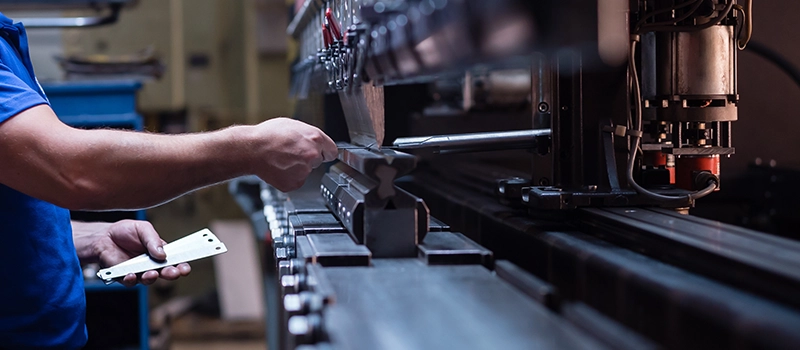
The material can also tolerate significant bending and stamping without cracking. These characteristics allow manufacturers to produce complex metal components efficiently using automated stamping and forming equipment.
Weldability
Low carbon steel is widely known for its excellent weldability. Welding performance is strongly influenced by carbon content. Materials with higher carbon percentages tend to develop brittle microstructures during welding, which increases the risk of cracking.
Because low carbon steel contains minimal carbon, it can be welded using most conventional welding methods without significant difficulty.
Common welding processes include:
- MIG welding (Gas Metal Arc Welding)
- TIG welding (Gas Tungsten Arc Welding)
- Shielded Metal Arc Welding
- Resistance welding
In many cases, preheating or post-weld heat treatment is not required, which significantly simplifies fabrication procedures and reduces production costs.
Thermal and Magnetic Properties
Low carbon steel also exhibits stable thermal and magnetic characteristics that are useful in many industrial applications.
Thermal Conductivity
The thermal conductivity of low carbon steel typically ranges between 45 and 60 W/m·K, allowing it to transfer heat efficiently in structural and mechanical systems.
Magnetic Behavior
Because the material contains a ferritic structure based on iron, it is strongly magnetic. This magnetic property makes it suitable for components used in electrical devices, motors, and magnetic equipment.
Magnetic permeability also contributes to its usefulness in applications that require electromagnetic interaction.
Corrosion Characteristics
Although low carbon steel provides many structural advantages, it does not naturally possess strong corrosion resistance. When exposed to oxygen and moisture, the iron within the material can oxidize and form rust.
For this reason, protective treatments are often applied to improve durability.
Surface Protection Methods
Common corrosion protection techniques include:
- Galvanizing with a zinc coating
- Protective paint systems
- Powder coating
- Oil or anti-corrosion surface treatments
These methods significantly extend the service life of low carbon steel components, especially in outdoor or humid environments.
Advantages of Low Carbon Steel
Low carbon steel has become one of the most widely used materials in modern engineering and manufacturing because it provides a combination of performance, versatility, and economic efficiency. Its relatively low carbon content allows manufacturers to achieve excellent workability without sacrificing the structural reliability required for industrial components. These advantages explain why this material is frequently selected for structural parts, fabricated components, machinery elements, and infrastructure products.
The benefits of low carbon steel extend beyond simple mechanical performance. The material offers advantages in processing, welding, cost control, and large-scale manufacturing, making it particularly attractive for industries that require high production efficiency and consistent quality.
Excellent Formability
One of the most significant advantages of low carbon steel is its excellent formability. Because the carbon content is relatively low, the steel remains soft and ductile compared with medium or high carbon steels. This allows the material to undergo extensive deformation without cracking or losing structural integrity.
Ease of Shaping and Bending
Low carbon steel can be easily shaped through common metal forming processes such as bending, rolling, and pressing. Manufacturers can produce complex geometries with minimal risk of material fracture. This is especially important in industries that require thin sheets or intricate structural parts.
For example, sheet metal components used in automotive bodies, appliances, and industrial enclosures rely heavily on materials that can tolerate repeated deformation during manufacturing. Low carbon steel meets these requirements effectively.
Deep Drawing Capability
Another advantage related to formability is the material’s suitability for deep drawing operations. Deep drawing is a manufacturing process in which flat metal sheets are transformed into three-dimensional shapes using mechanical presses and dies.
Grades such as 1008 and 1010 low carbon steel are widely used for deep drawing because they exhibit high ductility and uniform grain structure. These characteristics allow manufacturers to produce components such as fuel tanks, containers, and structural housings with consistent quality.
Superior Weldability
Weldability is another major advantage of low carbon steel. Welding performance is strongly influenced by carbon content, and steels with higher carbon percentages are more prone to cracking during welding due to the formation of brittle microstructures.
Because low carbon steel contains a relatively small amount of carbon, it can typically be welded without special precautions. This significantly simplifies fabrication procedures.
Compatibility with Multiple Welding Methods
Low carbon steel can be welded using a wide range of conventional welding techniques, including:
- Gas Metal Arc Welding (MIG welding)
- Gas Tungsten Arc Welding (TIG welding)
- Shielded Metal Arc Welding
- Resistance welding
These welding processes allow manufacturers to assemble structural components efficiently while maintaining strong joints and structural integrity.
Reduced Risk of Welding Defects
Another important advantage is the reduced risk of welding defects such as cracking or embrittlement. Since the steel does not harden excessively during cooling, welded joints remain relatively ductile and resistant to failure. This makes the material particularly suitable for large welded structures such as pipelines, bridges, and machinery frames.
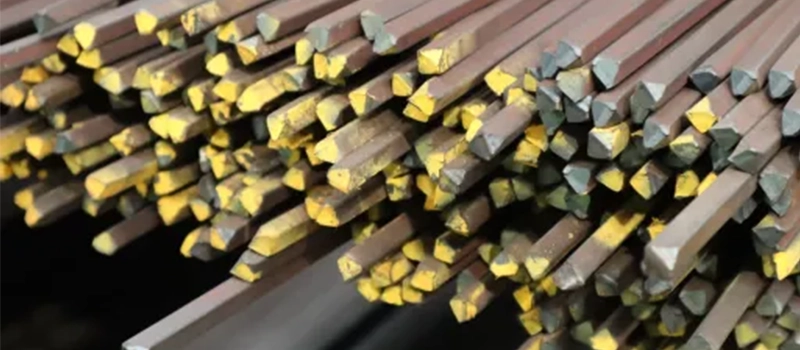
High Ductility and Toughness
Low carbon steel also offers excellent ductility and toughness, which are critical properties for structural materials. Ductility refers to the ability of a material to deform under tensile stress, while toughness describes the ability to absorb energy before fracture.
Because of its ferrite-dominated microstructure, low carbon steel can absorb significant mechanical stress without sudden failure.
Resistance to Fracture
The high ductility of the material allows it to deform rather than fracture when subjected to heavy loads or impact forces. This characteristic improves the safety and reliability of components used in structural applications.
For example, construction frameworks and industrial equipment components often rely on materials that can withstand dynamic loads without catastrophic failure. Low carbon steel performs well in these conditions.
Improved Structural Reliability
The combination of ductility and toughness also enhances structural reliability. When materials are able to deform slightly under stress, they can redistribute loads and reduce the risk of sudden structural collapse.
This property is particularly important in civil engineering and infrastructure projects.
Good Machinability
Machinability refers to how easily a material can be cut, drilled, or shaped using machining processes such as turning, milling, or drilling. Low carbon steel generally provides good machinability compared with many other structural metals.
Efficient Material Removal
The relatively soft nature of the material allows cutting tools to remove material efficiently without excessive tool wear. This helps reduce manufacturing costs and improves production speed in machining operations.
Suitable for Precision Components
Because of its stable mechanical properties and consistent composition, low carbon steel is frequently used for precision machined parts. Components such as shafts, bushings, bolts, and mechanical fittings can be produced with high dimensional accuracy.
Cost Effectiveness
Another key advantage of low carbon steel is its economic efficiency. Compared with many alloy steels and specialty metals, low carbon steel is relatively inexpensive to produce and widely available in global markets.
Abundant Raw Materials
Iron ore, the primary raw material used to produce steel, is widely available worldwide. The production process for low carbon steel is also well established, which helps maintain stable supply and competitive pricing.
As a result, manufacturers can produce large volumes of steel products without significant material cost increases.
Lower Processing Costs
In addition to lower raw material costs, low carbon steel often requires fewer complex processing steps. Its good weldability, machinability, and formability reduce the need for expensive heat treatments or specialized manufacturing techniques.
This makes the material particularly attractive for industries that require large-scale production.
Versatility Across Manufacturing Processes
Low carbon steel is highly versatile and can be used in many different manufacturing processes. Its balanced mechanical properties allow it to adapt to a wide range of fabrication methods.
Common processing techniques include:
- Rolling and cold forming
- Stamping and pressing
- Welding and fabrication
- Machining and drilling
- Laser cutting and plasma cutting
Because the material performs well across so many processes, manufacturers can use it to produce a wide variety of products, from simple structural components to complex industrial machinery parts.
Wide Availability of Standard Grades
Low carbon steel is produced in many standardized grades that meet international engineering specifications. Examples include AISI 1018, AISI 1020, and ASTM A36.
These standardized grades provide predictable mechanical properties and chemical composition, allowing engineers to select materials that match the performance requirements of specific applications.
The widespread availability of these grades also simplifies procurement and ensures compatibility with global manufacturing standards.
Manufacturing Processes Involving Low Carbon Steel
Low carbon steel is widely used in manufacturing because it can be processed through many different fabrication methods. Its balanced mechanical properties, including ductility, moderate strength, and good weldability, allow manufacturers to shape and process the material efficiently. These characteristics make it suitable for both large-scale industrial production and precision component manufacturing.
The manufacturing processes involving low carbon steel range from primary steel production to advanced fabrication methods such as machining, stamping, and welding. Each process contributes to transforming raw steel into functional products used in construction, machinery, transportation, and industrial equipment.
Steel Production and Primary Processing
Before low carbon steel can be used in manufacturing, it must first be produced through steelmaking processes that control the carbon content and chemical composition.
Basic Oxygen Steelmaking
One of the most common production methods is Basic Oxygen Steelmaking (BOS). In this process, molten iron produced in a blast furnace is transferred to a converter where oxygen is blown into the molten metal. The oxygen reacts with carbon and other impurities, reducing the carbon level to the desired range.
By carefully controlling the oxygen flow and refining conditions, manufacturers can produce steel with a carbon content suitable for low carbon steel grades.
Electric Arc Furnace Production
Another important method is the Electric Arc Furnace (EAF) process. This method primarily uses recycled steel scrap as raw material. Electric arcs generate extremely high temperatures that melt the scrap metal, allowing impurities to be removed and alloying elements to be adjusted.
The EAF process is widely used because it allows flexible production and supports sustainable steel recycling practices.
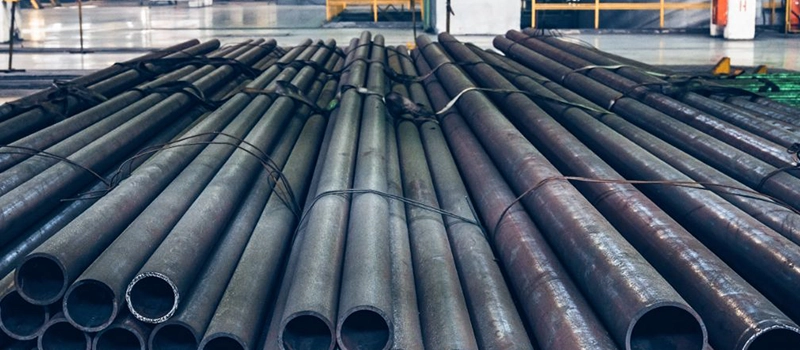
Rolling Processes
After steel has been produced and refined, it is typically processed through rolling operations to create different shapes such as sheets, plates, bars, and coils.
Hot Rolling
Hot rolling is performed at high temperatures, usually above the recrystallization temperature of steel. In this process, heated steel slabs pass through a series of rollers that gradually reduce thickness and shape the material.
Hot rolled low carbon steel is commonly used to produce:
- Structural beams
- Steel plates
- Steel bars
- Large industrial components
Hot rolling improves workability and allows manufacturers to produce large steel sections efficiently.
Cold Rolling
Cold rolling is performed at or near room temperature after hot rolling. This process further reduces thickness and improves surface finish and dimensional accuracy.
Cold rolled low carbon steel products often exhibit improved mechanical strength due to strain hardening. They are commonly used in applications that require smooth surfaces and precise dimensions, such as:
- Automotive body panels
- Household appliances
- Precision metal components
Forming and Stamping
Low carbon steel is particularly well suited for forming and stamping processes because of its high ductility and ability to deform without cracking.
Metal Forming
Metal forming processes reshape steel without removing material. Common forming techniques include bending, rolling, and drawing. These methods allow manufacturers to create complex shapes while maintaining the material’s structural integrity.
For example, low carbon steel sheets can be bent into frames, brackets, and enclosures used in machinery and structural assemblies.
Stamping and Pressing
Stamping is a high-speed manufacturing process in which metal sheets are placed into a die and shaped using a press. This method is widely used in mass production environments because it allows manufacturers to produce large quantities of identical parts with high efficiency.
Low carbon steel stamping is commonly used to produce:
- Automotive components
- Electrical housings
- Machine brackets
- Structural connectors
The material’s ductility ensures that parts can be stamped without cracking or excessive tool wear.
Machining Processes
Machining is another important manufacturing method for low carbon steel components. Machining processes involve removing material using cutting tools to achieve precise dimensions and surface finishes.
Common machining operations include:
- Turning
- Milling
- Drilling
- Thread cutting
Because low carbon steel has relatively low hardness compared with higher carbon steels, it can be machined efficiently with standard cutting tools. This reduces tool wear and improves production efficiency.
Machining is often used to produce precision components such as shafts, bushings, fasteners, and mechanical fittings.
Welding and Fabrication
Welding is one of the most important fabrication methods used with low carbon steel. The material’s low carbon content reduces the risk of brittleness or cracking during welding, making it highly suitable for structural fabrication.
Structural Welding
Large steel structures are often assembled by welding individual components together. Examples include steel frameworks, pipelines, and industrial equipment structures.
Low carbon steel’s ability to maintain ductility after welding helps ensure strong and reliable joints.
Fabricated Assemblies
Fabrication processes often combine multiple manufacturing methods such as cutting, bending, machining, and welding. These processes allow manufacturers to create complex assemblies used in machinery, vehicles, and industrial equipment.
Because low carbon steel is compatible with many fabrication techniques, it is frequently selected for large industrial assemblies.
Cutting Technologies
Modern manufacturing also relies on advanced cutting technologies to shape low carbon steel components with high precision.
Laser Cutting
Laser cutting uses a high-energy laser beam to melt or vaporize metal along a controlled path. This process provides extremely precise cutting and minimal material distortion.
Low carbon steel laser cutting is commonly used for:
- Sheet metal components
- Machine parts
- Industrial enclosures
Plasma Cutting
Plasma cutting uses a high-temperature plasma arc to cut through conductive metals. It is particularly effective for cutting thicker steel plates and structural materials.
Plasma cutting is widely used in heavy fabrication industries such as shipbuilding and construction equipment manufacturing.
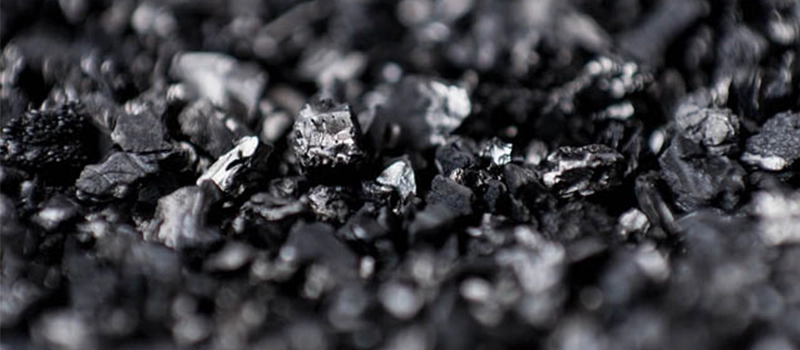
Heat Treatment Processes
Although low carbon steel is generally not hardened through conventional heat treatment, certain processes can still improve its surface properties.
Annealing
Annealing involves heating the steel to a specific temperature and then allowing it to cool slowly. This process reduces internal stresses and improves ductility.
Annealed low carbon steel becomes easier to machine and form.
Case Hardening
Case hardening is often used when a component requires a hard surface and a tough interior. In this process, carbon is diffused into the surface layer of the steel at high temperatures.
The result is a hardened outer surface that improves wear resistance while maintaining a ductile core.
Common Uses of Low Carbon Steel
Low carbon steel is widely recognized for its versatility and practicality in manufacturing and engineering. Because it combines moderate strength, high ductility, and excellent weldability, it can be used to produce a wide variety of structural components and mechanical parts. The material’s relatively low production cost and availability in many forms—such as sheets, plates, bars, and pipes—also contribute to its widespread use.
In many industries, low carbon steel serves as a foundational material for products that require reliability, durability, and ease of fabrication. From construction frameworks to mechanical fasteners, the material plays a critical role in everyday industrial applications.
Structural Components
One of the most common uses of low carbon steel is in structural construction. The material provides sufficient strength for supporting loads while maintaining good flexibility and resistance to sudden fracture. Because of these characteristics, it is frequently used to manufacture structural components such as beams, columns, and support frames.
Low carbon structural steel is commonly used in:
- Building frameworks
- Bridges and infrastructure
- Industrial platforms
- Structural reinforcement components
Steel grades such as ASTM A36 are widely used in structural construction due to their predictable mechanical properties and ease of fabrication. Engineers often select these grades when they need materials that can be welded and formed without difficulty.
Fasteners and Mechanical Hardware
Low carbon steel is also widely used to manufacture fasteners and mechanical hardware. Products such as bolts, nuts, screws, and washers require materials that provide adequate strength while remaining easy to machine or form.
Typical fasteners made from low carbon steel include:
- Low carbon steel bolts
- Machine screws
- Rivets
- Anchors and fastening components
These products are often manufactured using cold forming or machining processes. The relatively soft nature of low carbon steel allows manufacturers to produce threaded components efficiently while maintaining dimensional accuracy.
For improved durability, many fasteners made from low carbon steel are coated or plated with materials such as zinc or nickel to improve corrosion resistance.
Sheet Metal Products
Low carbon steel is widely used in sheet metal fabrication due to its excellent formability. Sheet metal products require materials that can be bent, stamped, or drawn into complex shapes without cracking.
Common sheet metal applications include:
- Appliance housings
- Electrical cabinets
- Metal enclosures
- HVAC components
- Storage tanks and containers
Because the material can be produced in thin sheets with consistent thickness, it is ideal for automated stamping and forming operations used in large-scale manufacturing.
Galvanized low carbon steel sheets are particularly popular in applications that require improved corrosion resistance, such as roofing materials or outdoor equipment housings.
Pipes and Tubing
Another important use of low carbon steel is in the production of pipes and tubing. Steel pipes are widely used to transport fluids, gases, and other materials in industrial systems.
Low carbon steel pipes are commonly used in:
- Water supply systems
- Industrial pipelines
- Mechanical tubing
- Plumbing infrastructure
The material’s weldability allows pipes to be joined easily during installation. In addition, the toughness of low carbon steel helps pipes withstand pressure and mechanical stress during operation.
Protective coatings or galvanization are often applied to steel pipes to extend their service life in corrosive environments.
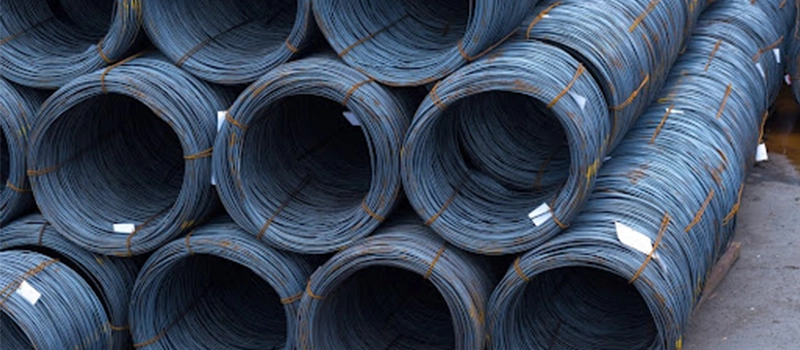
Automotive Components
The automotive industry relies heavily on low carbon steel because of its ability to combine strength with formability. Many vehicle components require materials that can be formed into complex shapes while maintaining structural reliability.
Low carbon steel is frequently used in the production of:
- Automotive body panels
- Chassis components
- Brackets and supports
- Reinforcement structures
Automotive manufacturers often use cold rolled low carbon steel sheets because they provide smooth surfaces and precise thickness control. These characteristics are important for achieving consistent quality during high-volume production.
Wire Products
Low carbon steel is also widely used in the production of steel wire and wire-based products. The material’s ductility allows it to be drawn into thin wires without breaking.
Typical wire products include:
- Steel wire ropes
- Nails
- Mesh and fencing materials
- Springs and reinforcement wires
Steel wire products are used in construction, agriculture, packaging, and industrial equipment. The flexibility and strength of low carbon steel wire make it suitable for applications that require both durability and flexibility.
Industrial Machinery Components
Many industrial machines contain components made from low carbon steel. These parts often require moderate strength, good machinability, and the ability to withstand repeated mechanical stress.
Examples of machinery components made from low carbon steel include:
- Shafts
- Bushings
- Machine brackets
- Structural supports
- Mechanical housings
The material’s machinability allows these components to be produced with precise dimensions and smooth surface finishes.
Everyday Consumer Products
In addition to industrial uses, low carbon steel is also present in many everyday consumer products. Its affordability and versatility make it suitable for mass-produced items.
Examples include:
- Household tools
- Furniture frames
- Storage racks
- Kitchen equipment
- Hardware components
These products benefit from the durability and strength of steel while remaining affordable for large-scale production.
Comparison with Other Types of Steel
Different types of steel are classified mainly according to their carbon content and alloy composition. Low carbon steel is often compared with medium carbon steel, high carbon steel, stainless steel, and low alloy steel because these materials are commonly used in similar engineering environments. Each category provides different mechanical properties, manufacturing characteristics, and cost levels.
Understanding these differences helps engineers and manufacturers select the most suitable material for a specific application. The following table highlights the key distinctions between low carbon steel and several other common steel types.
Comparison of Low Carbon Steel and Other Steel Types
| Steel Type | Carbon Content | Key Properties | Advantages | Typical Applications |
|---|---|---|---|---|
| Low Carbon Steel | 0.05% – 0.25% | High ductility, good weldability, moderate strength | Easy forming, low cost, excellent machinability | Structural parts, sheet metal, pipes, automotive panels |
| Medium Carbon Steel | 0.25% – 0.60% | Higher strength and hardness than low carbon steel | Better wear resistance and strength | Gears, axles, shafts, mechanical components |
| High Carbon Steel | 0.60% – 1.00% | Very high hardness and strength, lower ductility | Excellent wear resistance, can be heat treated | Cutting tools, springs, blades |
| Stainless Steel | Usually <1.2% carbon with chromium ≥10.5% | Strong corrosion resistance, high durability | Resistant to rust and oxidation | Medical equipment, kitchen tools, chemical equipment |
| Low Alloy Steel | Variable carbon with alloy elements | Improved strength, toughness, and heat resistance | Enhanced mechanical performance | Pressure vessels, pipelines, heavy machinery |
Differences in Mechanical Behavior
The main difference between these steels lies in the relationship between carbon content and mechanical properties. As carbon content increases, steel generally becomes harder and stronger, but it also becomes more brittle and more difficult to weld or form.
Low carbon steel occupies an important position in this spectrum because it offers a balanced combination of strength, ductility, and manufacturability. While it may not provide the extreme hardness of high carbon steel, it is significantly easier to process and fabricate.
Differences in Manufacturing and Processing
Another major distinction involves manufacturing flexibility. Low carbon steel can be easily processed through forming, stamping, welding, and machining operations. In contrast, high carbon steel often requires specialized heat treatment and more controlled machining processes due to its hardness.
Stainless steel and alloy steels also tend to require more complex manufacturing procedures and higher production costs because of their alloying elements and specialized performance requirements.
Cost and Availability Comparison
Cost is another important factor in material selection. Low carbon steel is generally one of the most economical steel types due to its simple chemical composition and large-scale production worldwide.
Steels containing higher carbon levels or additional alloying elements typically involve more expensive production processes. As a result, they are usually reserved for applications where specific performance characteristics—such as extreme hardness or corrosion resistance—are required.
This comparison demonstrates that low carbon steel remains a highly practical material choice for many engineering and manufacturing applications where balanced performance and cost efficiency are essential.
Conclusion: The Importance of Low Carbon Steel in Modern Applications
Low carbon steel remains a fundamental material in modern manufacturing. Its balanced strength, ductility, weldability, and cost efficiency make it ideal for large-scale production and structural applications. Because of its versatility and reliability, low carbon steel continues to play a vital role across numerous industrial sectors.