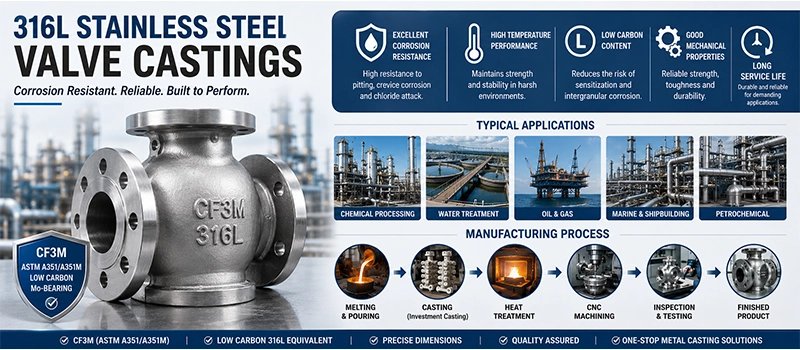
Are casting terms causing confusion between engineers and foundries? Do unclear casting process definitions lead to production defects or quality disputes? Misunderstanding casting terminology can result in shrinkage defects, dimensional deviation, and costly production delays.
A structured Casting Process Glossary eliminates ambiguity and establishes a standardized technical language for casting design, mold development, metal pouring, solidification control, and defect inspection. By clearly defining essential casting process terms, this glossary improves communication, quality control, and manufacturing efficiency across modern metal casting operations.
In this comprehensive Casting Process Glossary, I systematically organize and explain the most important casting process terminology used in industrial foundry production.
Casting Fundamentals Glossary
Casting Fundamentals Glossary terms form the foundation of the Casting Process Glossary. These casting process terms define the essential principles, equipment, and physical phenomena involved in transforming molten metal into solid components. Mastering these Casting Process Glossary fundamentals ensures accurate communication in foundry operations and process control.
Casting: Casting is a manufacturing process in which molten metal is poured into a mold cavity and allowed to solidify into a desired shape. In the Casting Process Glossary, casting represents the core method of producing complex metal components.
Foundry: Foundry is a facility where casting operations are performed. Within the Casting Process Glossary, a foundry includes melting, molding, pouring, and finishing departments.
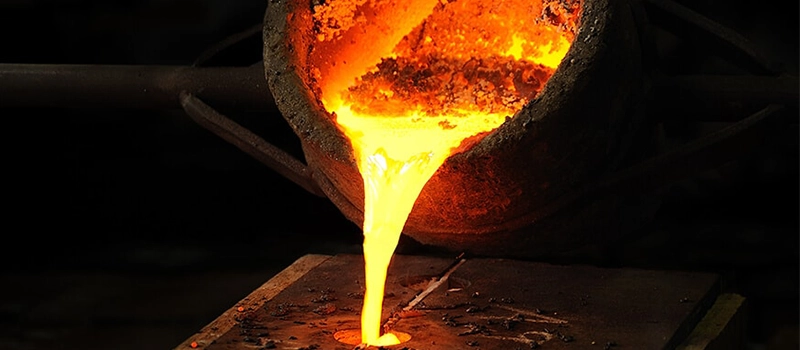
Molten Metal: Molten metal refers to metal heated above its melting temperature, enabling fluid flow into molds during the casting process.
Mold: Mold is the hollow cavity that shapes molten metal during solidification. In the Casting Process Glossary, molds can be expendable or permanent.
Mold Cavity: Mold cavity is the negative impression of the final casting inside the mold assembly.
Core: Core is a sand or ceramic insert placed inside the mold to create internal cavities within the casting.
Core Assembly: Core assembly refers to the positioning and securing of cores before mold closing.
Pattern: Pattern is a replica of the casting used to form the mold cavity.
Flask: Flask is the rigid frame that contains molding sand during mold preparation.
Cope: Cope is the upper half of a sand mold assembly.
Drag: Drag is the lower half of a sand mold assembly.
Parting Line: Parting line is the interface where cope and drag meet.
Gating System: Gating system is the channel network that directs molten metal into the mold cavity.
Sprue: Sprue is the vertical channel through which molten metal enters the gating system.
Runner: Runner distributes molten metal from the sprue to individual mold cavities.
Riser: Riser is a reservoir that feeds molten metal to compensate for shrinkage during solidification.
Pouring Basin: Pouring basin is the entry reservoir at the top of the sprue that controls flow.
Vent: Vent allows trapped gases to escape during mold filling.
Chill: Chill is a metallic insert used to accelerate cooling in localized areas.
Solidification: Solidification is the phase transformation from liquid to solid during casting.
Nucleation: Nucleation is the initial formation of stable solid particles in molten metal.
Cooling Rate: Cooling rate influences grain size and microstructure development in casting.
Shrinkage: Shrinkage refers to volume reduction occurring during solidification.
Solidification Time: Solidification time is the duration required for molten metal to completely solidify.
Feeding: Feeding is the process of supplying molten metal to compensate for shrinkage.
Fluidity: Fluidity is the ability of molten metal to flow and fill mold cavities completely.
Pouring Temperature: Pouring temperature is the temperature at which molten metal is introduced into the mold.
Superheat: Superheat is the temperature above the liquidus point to improve metal flow.
Metal Yield: Metal yield represents the ratio of usable casting weight to total poured metal.
Metallostatic Pressure: Metallostatic pressure is the pressure exerted by molten metal due to gravity.
Flow Turbulence: Flow turbulence describes chaotic metal flow that may trap gases or oxides.
Laminar Flow: Laminar flow is smooth and controlled metal flow during mold filling.
Oxide Film: Oxide film forms on molten metal surfaces and may cause inclusion defects.
Metal Cleanliness: Metal cleanliness refers to the absence of inclusions and contaminants in molten metal.
Contraction: Contraction is dimensional reduction occurring as metal cools to room temperature.
Thermal Gradient: Thermal gradient describes temperature variation within the casting during cooling.
Holding Furnace: Holding furnace maintains molten metal temperature before pouring.
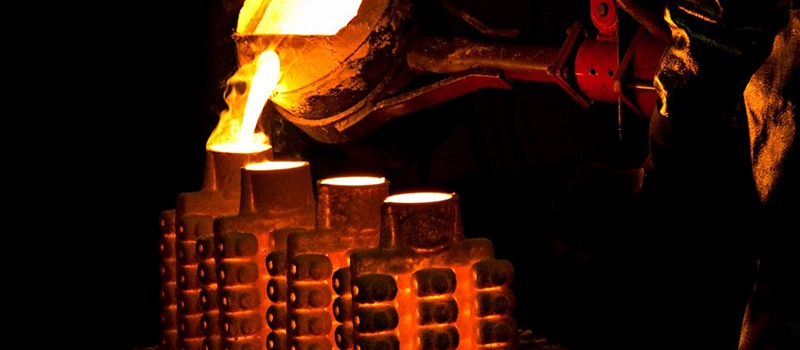
Ladle: Ladle is the vessel used to transport molten metal from furnace to mold.
Slag: Slag is non-metallic material separated from molten metal during refining.
Pattern and Mold Design Glossary
Pattern and Mold Design Glossary terms are critical components of the Casting Process Glossary because mold accuracy directly determines casting quality, dimensional precision, and defect prevention. These Casting Process Glossary terms define how patterns are designed, how molds are prepared, and how shrinkage and deformation are controlled.
Pattern Allowance: Pattern allowance is the intentional dimensional modification added to a pattern to compensate for shrinkage, machining, or distortion in the casting process.
Shrinkage Allowance: Shrinkage allowance accounts for metal contraction during solidification and cooling, ensuring final dimensions meet specification in the Casting Process Glossary framework.
Machining Allowance: Machining allowance is extra material added to casting surfaces that will be machined to achieve final tolerances.
Draft Angle: Draft angle is the slight taper applied to vertical pattern surfaces to facilitate mold removal without damaging the mold cavity.
Core Print: Core print is the projection on a pattern that creates a seat for positioning cores inside the mold.
Core Box: Core box is the tooling used to form sand cores for internal casting cavities.
Split Pattern: Split pattern consists of two halves aligned along a parting line for easier mold formation.
Match Plate Pattern: Match plate pattern mounts both cope and drag halves on a single plate, improving production efficiency.
Loose Piece Pattern: Loose piece pattern includes detachable sections to accommodate undercuts or complex geometry.
Parting Surface: Parting surface is the surface where cope and drag separate in mold assembly.
Mold Assembly: Mold assembly refers to the complete arrangement of cope, drag, cores, and gating components before pouring.
Mold Alignment: Mold alignment ensures accurate positioning between mold halves to prevent dimensional mismatch.
Mold Clamping: Mold clamping secures mold halves during pouring to resist metallostatic pressure.
Mold Hardness: Mold hardness measures the strength of compacted sand to withstand molten metal pressure.
Mold Permeability: Mold permeability defines the ability of sand mold to allow gases to escape during pouring.
Green Sand: Green sand is a moist sand mixture used for mold making in traditional sand casting processes.
Resin Sand: Resin sand uses synthetic binders to improve mold strength and surface finish.
Shell Mold: Shell mold is a thin, hardened sand shell formed using heated metal patterns.
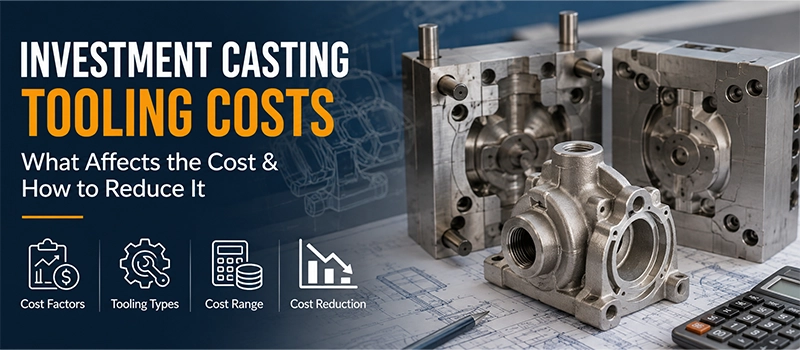
Investment Mold: Investment mold is a ceramic mold formed around a wax pattern in precision casting.
Mold Coating: Mold coating is applied to mold surfaces to improve surface finish and reduce metal penetration.
Refractoriness: Refractoriness refers to the ability of molding material to withstand high temperatures without degradation.
Sand Grain Size: Sand grain size affects surface finish and mold permeability in the casting process.
Binder: Binder is a material that holds sand grains together to form a stable mold.
Binder Ratio: Binder ratio defines the proportion of binder to sand in molding mixtures.
Sand Compaction: Sand compaction is the process of compressing molding sand to achieve sufficient mold strength.
Mold Ramming: Mold ramming is the mechanical packing of sand around a pattern.
Mold Venting: Mold venting involves creating channels for gas escape during metal pouring.
Collapsibility: Collapsibility is the ability of mold material to break down after solidification to prevent hot tearing.
Mold Rigidity: Mold rigidity ensures dimensional stability under molten metal pressure.
Pattern Distortion: Pattern distortion refers to deformation of the pattern due to repeated use or temperature effects.
Pattern Material: Pattern material may include wood, plastic, or metal depending on production volume.
Core Vent: Core vent allows gases generated inside cores to escape safely.
Core Sand: Core sand is specially formulated sand used to produce internal cavities.
Core Strength: Core strength ensures structural stability of cores during mold assembly and pouring.
Core Collapse: Core collapse occurs when insufficient core strength causes internal cavity deformation.
Chaplet: Chaplet is a metal support used to hold cores in position inside molds.
Mold Wash: Mold wash is a refractory coating applied to improve casting surface finish.
Mold Drying: Mold drying removes moisture to prevent steam-related casting defects.
Mold Expansion: Mold expansion refers to dimensional change of mold materials due to heat exposure.
Pattern Wear: Pattern wear describes surface degradation caused by repeated mold production cycles.
Mold Surface Finish: Mold surface finish influences the final casting surface quality.
Casting Materials Glossary
Casting Materials Glossary terms are a core section of the Casting Process Glossary because material composition directly influences fluidity, solidification behavior, mechanical properties, and defect formation. Understanding material-related Casting Process Glossary terminology is essential for selecting alloys, controlling melt chemistry, and ensuring casting performance.
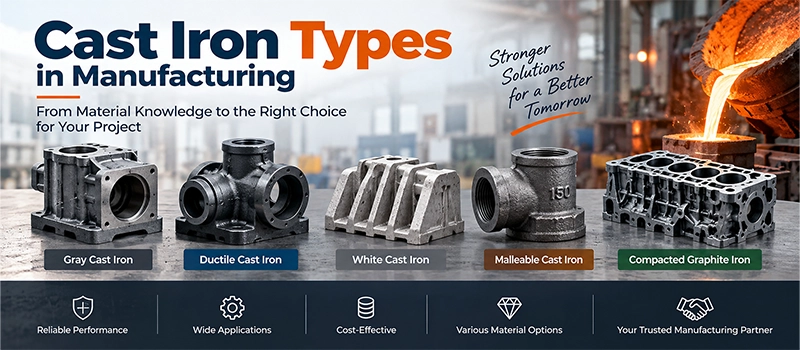
Gray Iron: Gray iron is a cast iron alloy characterized by flake graphite microstructure. In the Casting Process Glossary, gray iron is widely used for engine blocks and machinery bases due to vibration damping properties.
Ductile Iron: Ductile iron contains nodular graphite, improving tensile strength and impact resistance. Within the Casting Process Glossary, ductile iron is preferred for structural cast components.
Carbon Steel: Carbon steel used in casting processes contains varying carbon levels that determine hardness and strength in Casting Process Glossary classifications.
Alloy Steel: Alloy steel casting includes additional elements such as chromium or nickel to enhance mechanical properties and corrosion resistance.
Aluminum Alloy: Aluminum alloy casting materials offer lightweight properties and good fluidity, making them important in the Casting Process Glossary for automotive and aerospace parts.
Copper Alloy: Copper alloy castings provide high thermal and electrical conductivity within the Casting Process Glossary material selection system.
Bronze: Bronze is a copper-based alloy typically containing tin and is frequently referenced in the Casting Process Glossary for wear-resistant applications.
Brass: Brass is a copper-zinc alloy commonly used in precision casting applications due to its machinability.
Magnesium Alloy: Magnesium alloy casting offers extremely low density and is highlighted in the Casting Process Glossary for lightweight structural parts.
Pig Iron: Pig iron is the intermediate product of iron smelting and serves as a primary charge material in many Casting Process Glossary systems.
Charge Material: Charge material refers to the mixture of scrap, pig iron, and alloy additions loaded into the furnace.
Scrap Ratio: Scrap ratio defines the percentage of recycled material used in the melting process within the Casting Process Glossary.
Master Alloy: Master alloy is a pre-alloyed material added to molten metal to precisely control composition.
Alloy Addition: Alloy addition is the controlled introduction of elements to achieve required mechanical properties.
Carbon Equivalent (CE): Carbon equivalent predicts cast iron solidification behavior and crack tendency in the Casting Process Glossary.
Sulfur Content: Sulfur content affects fluidity and machinability but excessive sulfur may reduce toughness.
Phosphorus Content: Phosphorus improves fluidity but can reduce ductility in cast metals.
Hydrogen Content: Hydrogen content must be controlled to prevent gas porosity in aluminum castings.
Degassing: Degassing removes dissolved gases from molten metal to improve casting quality.
Inoculation: Inoculation introduces additives to control graphite formation and grain refinement.
Grain Refinement: Grain refinement improves mechanical properties by producing finer microstructure in casting.
Slag: Slag is a non-metallic byproduct formed during melting that must be removed to maintain metal cleanliness.
Flux: Flux is added to molten metal to assist in removing impurities and oxide films.
Deoxidation: Deoxidation removes dissolved oxygen from molten metal to prevent oxide inclusions.
Metal Cleanliness: Metal cleanliness refers to the absence of inclusions and contaminants in molten metal within the Casting Process Glossary framework.
Liquidus Temperature: Liquidus temperature is the temperature above which the metal is fully molten.
Solidus Temperature: Solidus temperature is the temperature below which the alloy is completely solid.
Superheat: Superheat refers to heating molten metal above liquidus temperature to improve mold filling.
Melt Treatment: Melt treatment includes processes such as degassing, inoculation, and chemical adjustment in the Casting Process Glossary.
Alloy Composition Control: Alloy composition control ensures the final casting meets chemical specifications.
Spectrometer Analysis: Spectrometer analysis is used to verify chemical composition during melting.
Desulfurization: Desulfurization reduces sulfur content to improve casting properties.
Inclusion Control: Inclusion control minimizes non-metallic particles within molten metal.
Oxide Film: Oxide film forms on molten metal surfaces and may lead to casting defects if entrapped.
Refractory Lining: Refractory lining protects furnace walls from high temperatures and chemical attack.
Melt Homogeneity: Melt homogeneity ensures uniform chemical distribution before pouring.
Holding Temperature: Holding temperature maintains molten metal readiness prior to casting.
Melt Oxidation: Melt oxidation occurs when molten metal reacts with atmospheric oxygen.
Alloy Segregation: Alloy segregation refers to compositional variations during solidification.
Melting and Pouring Glossary
Melting and Pouring Glossary terms are essential within the Casting Process Glossary because melting control and pouring stability directly determine casting integrity, defect prevention, and microstructure development. These Casting Process Glossary terms define furnace types, thermal control, and molten metal handling procedures.
Melting: Melting is the process of heating metal above its liquidus temperature to produce molten metal ready for casting operations within the Casting Process Glossary framework.
Induction Furnace: Induction furnace uses electromagnetic induction to heat and melt metal efficiently, widely applied in modern Casting Process Glossary foundry operations.
Cupola Furnace: Cupola furnace is a vertical shaft furnace primarily used for melting cast iron in large-scale Casting Process Glossary production.
Electric Arc Furnace: Electric arc furnace melts metal using high-current electric arcs, offering precise temperature control in advanced Casting Process Glossary systems.
Crucible Furnace: Crucible furnace melts metal inside a refractory container, commonly used for small-batch Casting Process Glossary applications.
Holding Furnace: Holding furnace maintains molten metal temperature before pouring to ensure consistent Casting Process Glossary process stability.
Furnace Atmosphere: Furnace atmosphere refers to the gas environment inside the furnace, which affects oxidation and melt cleanliness in the Casting Process Glossary.
Furnace Lining: Furnace lining is the refractory material protecting furnace walls from thermal and chemical damage.
Tapping: Tapping is the controlled discharge of molten metal from the furnace into a ladle during the Casting Process Glossary melting stage.
Ladle: Ladle is the vessel used to transport molten metal from furnace to mold in Casting Process Glossary operations.
Ladle Preheating: Ladle preheating prevents thermal shock and reduces heat loss during molten metal transfer.
Ladle Treatment: Ladle treatment includes alloy additions, inoculation, or degassing before pouring.
Slag Skimming: Slag skimming removes floating impurities from molten metal surface to maintain Casting Process Glossary metal cleanliness.
Degassing Treatment: Degassing treatment removes dissolved gases such as hydrogen to prevent gas porosity defects.
Inoculation Treatment: Inoculation treatment introduces additives to refine microstructure before pouring.
Pouring Temperature: Pouring temperature is the controlled temperature at which molten metal enters the mold in the Casting Process Glossary.
Superheat Control: Superheat control ensures molten metal is sufficiently above liquidus temperature for proper mold filling.
Pouring Rate: Pouring rate defines the speed at which molten metal enters the mold cavity.
Pouring Time: Pouring time measures the duration required to fill the mold cavity completely.
Pouring Basin: Pouring basin is the funnel-shaped entry point that guides molten metal into the sprue.
Sprue Well: Sprue well reduces turbulence by slowing molten metal before it enters the runner system.
Metal Head Pressure: Metal head pressure is the hydrostatic pressure generated by molten metal height during pouring.
Laminar Flow: Laminar flow refers to smooth metal flow that reduces oxide entrapment in the Casting Process Glossary.
Turbulent Flow: Turbulent flow describes chaotic molten metal movement that may introduce air and defects.
Flow Control Device: Flow control device regulates metal entry speed to improve Casting Process Glossary filling stability.
Pouring Height: Pouring height affects flow velocity and risk of turbulence.
Metal Oxidation: Metal oxidation occurs when molten metal reacts with oxygen during transfer or pouring.
Thermal Loss: Thermal loss describes temperature reduction during molten metal handling.
Metal Filtration: Metal filtration removes inclusions before molten metal enters the mold cavity.
Ceramic Filter: Ceramic filter traps non-metallic inclusions in Casting Process Glossary pouring systems.
Tundish: Tundish is an intermediate vessel used to control metal flow between furnace and mold.
Pouring Practice: Pouring practice refers to standardized procedures ensuring consistent Casting Process Glossary results.
Hot Metal Handling: Hot metal handling involves safety and control measures during molten metal transfer.
Furnace Efficiency: Furnace efficiency measures energy utilization during melting operations.
Energy Consumption: Energy consumption evaluates power usage per ton of molten metal in Casting Process Glossary operations.
Metal Yield Optimization: Metal yield optimization reduces material waste during melting and pouring.
Temperature Monitoring: Temperature monitoring ensures molten metal remains within specified casting range.
Thermocouple: Thermocouple is a temperature measurement device used in Casting Process Glossary melting control.
Pouring Control System: Pouring control system automates molten metal delivery to improve consistency.

Casting Process Methods Glossary
Casting Process Methods Glossary terms define the various industrial techniques used to produce metal castings. This section of the Casting Process Glossary categorizes traditional, modern, precision, pressure-assisted, and advanced casting methods. Understanding these Casting Process Glossary process methods allows engineers to select the optimal manufacturing approach based on geometry, material, cost, and volume.
Sand Casting: Sand casting is the most widely used casting method in the Casting Process Glossary, utilizing expendable sand molds to produce ferrous and non-ferrous components.
Green Sand Casting: Green sand casting uses moist silica sand with clay binder, forming one of the most economical methods in the Casting Process Glossary.
Resin Sand Casting: Resin sand casting uses chemically bonded sand to improve mold strength and surface finish.
Shell Molding: Shell molding forms thin sand shells using heated patterns and resin-coated sand, improving dimensional accuracy in the Casting Process Glossary.
Investment Casting: Investment casting, also known as lost wax casting, uses ceramic molds formed around wax patterns to achieve high precision and smooth surface finish.
Lost Foam Casting: Lost foam casting replaces traditional patterns with foam that vaporizes during pouring in the Casting Process Glossary process sequence.
Vacuum Sealed Casting (V-Process): Vacuum sealed casting uses plastic film and vacuum pressure to stabilize sand molds without binders.
Permanent Mold Casting: Permanent mold casting uses reusable metal molds to improve surface quality and mechanical properties.
Gravity Die Casting: Gravity die casting relies on gravity to fill permanent molds without external pressure.
Low Pressure Casting: Low pressure casting uses controlled gas pressure to push molten metal upward into molds.
High Pressure Die Casting: High pressure die casting injects molten metal into steel dies at high speed and pressure.
Cold Chamber Die Casting: Cold chamber die casting is used for high melting point alloys such as aluminum and copper alloys.
Hot Chamber Die Casting: Hot chamber die casting is suitable for low melting alloys like zinc and magnesium.
Centrifugal Casting: Centrifugal casting rotates molds at high speed to distribute molten metal through centrifugal force.
True Centrifugal Casting: True centrifugal casting produces hollow cylindrical parts without cores.
Semi-Centrifugal Casting: Semi-centrifugal casting uses rotation primarily to improve feeding and density.
Continuous Casting: Continuous casting solidifies molten metal into continuous shapes such as billets or slabs.
Direct Chill Casting: Direct chill casting is widely used for aluminum billet production with water cooling.
Squeeze Casting: Squeeze casting combines casting and forging by applying pressure during solidification.
Thixocasting: Thixocasting is a semi-solid casting process using partially solidified metal slurry.
Rheocasting: Rheocasting produces semi-solid slurry through controlled cooling before mold filling.
Plaster Mold Casting: Plaster mold casting uses gypsum-based molds for improved surface finish in non-ferrous metals.
Ceramic Mold Casting: Ceramic mold casting offers high-temperature resistance and precision.
Counter Gravity Casting: Counter gravity casting fills molds upward to reduce turbulence and inclusions.
Tilt Pour Casting: Tilt pour casting controls metal flow by gradually tilting the mold during pouring.
Vacuum Casting: Vacuum casting reduces air entrapment by performing mold filling under reduced pressure.
Pressure Pour Casting: Pressure pour casting uses controlled pressure to improve mold filling consistency.
Lost Pattern Casting: Lost pattern casting refers broadly to expendable pattern methods within the Casting Process Glossary.
Foam Pattern Casting: Foam pattern casting uses polystyrene patterns that vaporize during metal pouring.
Slush Casting: Slush casting creates hollow parts by draining excess molten metal before complete solidification.
Chill Casting: Chill casting accelerates cooling using metallic mold inserts.
Die Casting: Die casting generally refers to high-speed metal injection into hardened steel dies.
Semi-Solid Casting: Semi-solid casting processes metal in partially solid state to improve microstructure control.
Expendable Mold Casting: Expendable mold casting includes all casting processes where molds are destroyed after each use.
Non-Expendable Mold Casting: Non-expendable mold casting uses reusable molds, typically metal.
Gravity Casting: Gravity casting fills molds solely through gravitational force.
Sand Core Casting: Sand core casting integrates internal sand cores to create hollow features.
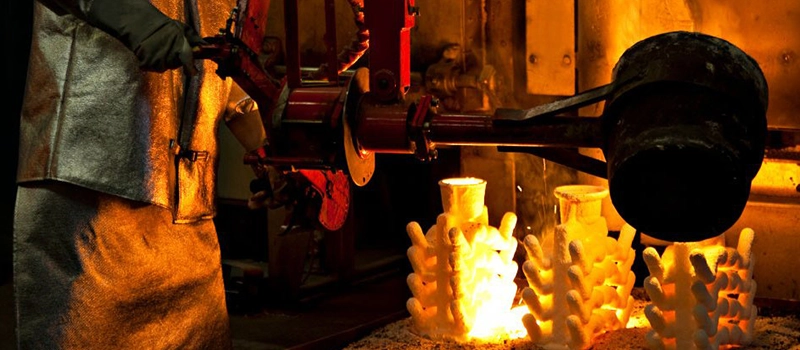
Investment Shell Casting: Investment shell casting refers to ceramic shell mold formation around wax patterns.
Micro Casting: Micro casting produces extremely small and precise components.
Prototype Casting: Prototype casting focuses on low-volume production for design validation.
Production Casting: Production casting emphasizes repeatability and high output within the Casting Process Glossary framework.
Automated Casting Line: Automated casting line integrates molding, pouring, and cooling in continuous production.
Robotic Pouring: Robotic pouring improves precision and safety in molten metal transfer.
Casting Simulation: Casting simulation uses software to predict filling and solidification behavior.
Rapid Prototyping Casting: Rapid prototyping casting integrates additive manufacturing for pattern production.
Hybrid Casting Process: Hybrid casting process combines multiple casting techniques for optimized results.
Vacuum Die Casting: Vacuum die casting reduces gas porosity by evacuating air from dies before injection.
Semi-Gravity Casting: Semi-gravity casting combines gravitational filling with moderate pressure assistance.
Cold Box Process: Cold box process uses chemical curing to produce sand cores.
Hot Box Process: Hot box process uses heat to cure core binders.
No-Bake Process: No-bake process cures sand molds using chemical binders without heat.
CO2 Process: CO2 process hardens sodium silicate bonded sand using carbon dioxide gas.
Precision Sand Casting: Precision sand casting improves dimensional accuracy compared to conventional sand casting.
Large-Scale Casting: Large-scale casting refers to production of heavy industrial components.
Thin Wall Casting: Thin wall casting focuses on reducing wall thickness while maintaining integrity.
High Integrity Casting: High integrity casting emphasizes minimal porosity and improved mechanical properties.
Solidification and Metallurgy Glossary
Solidification and Metallurgy Glossary terms form the scientific core of the Casting Process Glossary. These Casting Process Glossary terms explain how molten metal transforms into solid microstructure, how grain morphology develops, and how shrinkage, segregation, and feeding behavior influence final casting quality.
Solidification Front: Solidification front is the boundary between liquid and solid phases during cooling in the Casting Process Glossary framework.
Solidification Range: Solidification range is the temperature interval between liquidus and solidus temperatures.
Liquidus Temperature: Liquidus temperature is the temperature above which metal is fully molten.
Solidus Temperature: Solidus temperature is the temperature below which the alloy is completely solid.
Cooling Curve: Cooling curve represents temperature variation of molten metal over time during solidification.
Dendrite: Dendrite is a tree-like crystal structure formed during solidification in most casting alloys.
Dendritic Growth: Dendritic growth refers to the branching development of crystals as metal solidifies.
Columnar Grain: Columnar grain forms elongated crystals growing opposite to heat flow direction.
Equiaxed Grain: Equiaxed grain consists of roughly equal-sized crystals formed under controlled nucleation conditions.
Grain Size: Grain size affects mechanical properties and is a key factor in the Casting Process Glossary metallurgical control system.
Grain Refinement: Grain refinement reduces grain size to improve strength and toughness in cast components.
Nucleation: Nucleation is the initial formation of stable solid particles within molten metal.
Heterogeneous Nucleation: Heterogeneous nucleation occurs at mold walls or impurities during casting solidification.
Undercooling: Undercooling is the phenomenon where metal cools below equilibrium freezing temperature before solidification begins.
Supercooling: Supercooling describes similar behavior where solidification is delayed despite temperature drop.
Mushy Zone: Mushy zone is the semi-solid region where liquid and solid phases coexist during solidification.
Feeding Path: Feeding path is the route through which molten metal compensates for shrinkage in the Casting Process Glossary.
Hot Spot: Hot spot is the last region to solidify, often prone to shrinkage defects.
Thermal Gradient: Thermal gradient describes temperature variation across the casting during cooling.
Directional Solidification: Directional solidification controls heat flow to promote progressive solidification from one end to another.
Chvorinov’s Rule: Chvorinov’s Rule predicts solidification time based on casting volume-to-surface ratio.
Thermal Modulus: Thermal modulus is the ratio of casting volume to surface area, used to predict cooling behavior.
Solidification Shrinkage: Solidification shrinkage refers to volume reduction as liquid metal becomes solid.
Contraction Shrinkage: Contraction shrinkage occurs during further cooling of solid metal to room temperature.
Microsegregation: Microsegregation refers to small-scale compositional variations between dendrite arms.
Macrosegregation: Macrosegregation describes large-scale compositional differences within the casting.
Segregation Banding: Segregation banding forms visible compositional layers during solidification.
Phase Transformation: Phase transformation occurs when solid metal changes crystal structure during cooling.
Eutectic Reaction: Eutectic reaction is a simultaneous transformation of liquid into two solid phases at a fixed temperature.
Eutectoid Reaction: Eutectoid reaction occurs when one solid phase transforms into two different solid phases.
Peritectic Reaction: Peritectic reaction involves liquid and solid phases combining to form a new solid phase.
Solid Solution: Solid solution is a single-phase alloy with solute atoms dissolved in the base metal lattice.
Precipitation: Precipitation refers to formation of small particles within solid metal during cooling or heat treatment.
Inclusion: Inclusion is a non-metallic particle trapped inside the casting during solidification.
Porosity Formation: Porosity formation occurs when gas or shrinkage cavities develop during solidification.
Gas Solubility: Gas solubility defines how much gas can dissolve in molten metal before solidification.
Hydrogen Porosity: Hydrogen porosity is common in aluminum casting due to hydrogen solubility differences between liquid and solid phases.
Microstructure: Microstructure refers to the internal arrangement of grains and phases observed under magnification.
Metallographic Structure: Metallographic structure is revealed through polishing and etching for microstructural evaluation.
Phase Diagram: Phase diagram illustrates phase stability as a function of temperature and composition in the Casting Process Glossary.
Heat Transfer Coefficient: Heat transfer coefficient influences cooling rate between mold and molten metal.
Chill Effect: Chill effect accelerates cooling locally, promoting fine-grained structure.
Exothermic Riser Sleeve: Exothermic riser sleeve maintains riser temperature to improve feeding efficiency.
Insulating Sleeve: Insulating sleeve slows cooling of risers to extend feeding time.
Shrinkage Prediction: Shrinkage prediction uses simulation tools to forecast feeding behavior in the Casting Process Glossary.
Casting Defects Glossary
Casting Defects Glossary terms are a critical part of the Casting Process Glossary because defect prevention directly determines casting quality, cost control, and customer acceptance. These Casting Process Glossary defect terms classify surface defects, internal defects, dimensional defects, and metallurgical defects encountered in foundry production.
Porosity: Porosity refers to small cavities within a casting caused by gas entrapment or shrinkage during solidification in the Casting Process Glossary system.
Gas Porosity: Gas porosity forms when dissolved gases are trapped during solidification and cannot escape through mold permeability.
Shrinkage Cavity: Shrinkage cavity is a large void formed when insufficient molten metal feeds the last solidifying region.
Micro Porosity: Micro porosity consists of small shrinkage voids distributed within the microstructure.
Blowhole: Blowhole is a smooth-walled gas cavity usually found near the casting surface.
Pinhole: Pinhole is a very small gas hole often caused by hydrogen in aluminum casting.
Cold Shut: Cold shut occurs when two molten metal streams fail to fuse properly during mold filling.
Misrun: Misrun happens when molten metal solidifies before completely filling the mold cavity.
Hot Tear: Hot tear is a crack formed during solidification due to restrained contraction.
Hot Crack: Hot crack occurs at high temperatures when metal lacks sufficient strength to resist stress.
Cold Crack: Cold crack forms after solidification due to residual stress or improper cooling.
Inclusion: Inclusion defect refers to non-metallic particles trapped inside the casting matrix.
Slag Inclusion: Slag inclusion is caused by improper slag removal during melting in the Casting Process Glossary workflow.
Sand Inclusion: Sand inclusion occurs when mold material becomes embedded in the casting surface.
Oxide Inclusion: Oxide inclusion forms when oxide films are entrapped during turbulent pouring.
Metal Penetration: Metal penetration happens when molten metal infiltrates between sand grains, causing rough surfaces.
Scab: Scab is a rough projection formed when mold surface partially breaks and adheres to the casting.
Drop: Drop defect occurs when loose sand falls into the mold cavity before pouring.
Rat Tail: Rat tail is a linear surface crack caused by mold expansion during pouring.
Buckle: Buckle defect appears as irregular surface depressions due to thermal expansion of mold sand.
Veining: Veining is a raised pattern on casting surfaces caused by sand expansion.
Swell: Swell occurs when mold walls expand under metallostatic pressure, enlarging casting dimensions.
Flash: Flash is excess metal formed at parting lines due to mold separation.
Runout: Runout defect occurs when molten metal leaks from mold assembly before solidification.
Core Shift: Core shift happens when cores move from intended position during pouring.
Mold Shift: Mold shift refers to misalignment between cope and drag halves.
Warpage: Warpage is distortion of casting geometry caused by uneven cooling.
Distortion: Distortion refers to dimensional deformation due to internal stress.
Shrinkage Crack: Shrinkage crack develops when feeding is insufficient during late-stage solidification.
Cold Lap: Cold lap forms when molten metal folds over itself without proper fusion.
Fusion Defect: Fusion defect describes incomplete bonding between two metal streams.
Gas Hole: Gas hole is a cavity formed by trapped air or gas bubbles.
Surface Roughness Defect: Surface roughness defect results from improper sand grain size or metal penetration.
Hard Spot: Hard spot is a localized area of increased hardness due to rapid cooling.
Chill Zone: Chill zone forms when rapid cooling produces hard, brittle microstructure near mold walls.
Segregation Defect: Segregation defect involves uneven distribution of alloying elements in the casting.
Dross Inclusion: Dross inclusion is caused by entrapped oxidized material from molten surface.
Shrinkage Porosity: Shrinkage porosity consists of small internal cavities caused by volume contraction.
Dimensional Deviation: Dimensional deviation refers to casting size variation beyond specified tolerance.
Mismatch: Mismatch occurs when mold halves are not aligned properly.
Core Blow: Core blow results from gas evolution within sand cores during pouring.
Sand Wash: Sand wash occurs when fast-moving metal erodes mold surfaces.
Fins: Fins are thin projections formed due to cracks in mold cavity walls.
Hot Spot Defect: Hot spot defect appears in regions that solidify last and are prone to shrinkage.
Thermal Crack: Thermal crack develops due to high thermal gradients during cooling.
Inadequate Feeding: Inadequate feeding causes shrinkage cavities and internal voids.
Entrapped Air: Entrapped air leads to internal gas defects due to turbulent metal flow.
Mold Erosion: Mold erosion occurs when molten metal damages sand surfaces.
Core Crack: Core crack happens when core fractures before or during pouring.
Casting Inspection and Quality Glossary
Casting Inspection and Quality Glossary terms complete the technical structure of the Casting Process Glossary. These Casting Process Glossary terms define the inspection standards, testing methods, quality verification procedures, and acceptance criteria used to ensure casting reliability and performance.
Visual Inspection: Visual inspection is the initial examination method used to detect surface defects such as cracks, porosity, and flash in the Casting Process Glossary workflow.
Dimensional Inspection: Dimensional inspection verifies casting measurements against engineering drawings and tolerance specifications.
Coordinate Measuring Machine (CMM): CMM is a precision device used to measure complex casting geometries with high accuracy.
Gauge Inspection: Gauge inspection uses calibrated tools to confirm dimensional conformity.
Hardness Testing: Hardness testing evaluates surface resistance to indentation to verify mechanical properties.
Brinell Hardness Test: Brinell hardness test measures hardness using a spherical indenter under controlled load.
Rockwell Hardness Test: Rockwell hardness test determines hardness based on indentation depth measurement.
Tensile Testing: Tensile testing measures ultimate tensile strength, yield strength, and elongation.
Impact Testing: Impact testing evaluates toughness and resistance to sudden loading.
Ultrasonic Testing (UT): Ultrasonic testing uses high-frequency sound waves to detect internal defects in castings.
Radiographic Testing (RT): Radiographic testing employs X-ray or gamma radiation to reveal internal porosity or shrinkage cavities.
Magnetic Particle Testing (MT): Magnetic particle testing identifies surface and near-surface cracks in ferromagnetic castings.
Dye Penetrant Testing (PT): Dye penetrant testing reveals surface-breaking defects using penetrant liquids.
Eddy Current Testing: Eddy current testing detects surface defects using electromagnetic induction.
Non-Destructive Testing (NDT): NDT refers to inspection methods that evaluate casting integrity without damaging the component.
Destructive Testing: Destructive testing involves physically breaking or sectioning castings to evaluate internal structure.
Metallographic Examination: Metallographic examination analyzes microstructure through polishing and etching techniques.
Macro Etching: Macro etching reveals large-scale structural features in castings.
Chemical Analysis: Chemical analysis verifies alloy composition using laboratory methods.
Spectrometer Analysis: Spectrometer analysis determines elemental composition quickly during production control.
Density Testing: Density testing helps detect internal porosity levels in cast components.
Leak Testing: Leak testing checks casting pressure tightness for hydraulic or pneumatic applications.
Pressure Testing: Pressure testing verifies structural integrity under specified operating loads.
Load Testing: Load testing evaluates mechanical performance under simulated service conditions.
Process Capability (Cp, Cpk): Process capability indices measure how consistently casting dimensions meet tolerance requirements.
Statistical Process Control (SPC): SPC uses statistical tools to monitor and control casting quality variation.
Control Chart: Control chart tracks process stability over time within the Casting Process Glossary quality system.
Acceptance Criteria: Acceptance criteria define the allowable defect limits according to standards.
Quality Assurance (QA): Quality assurance ensures systematic control of casting process parameters.
Quality Control (QC): Quality control involves inspection and corrective actions during production.
Calibration: Calibration ensures measuring instruments maintain accuracy in the Casting Process Glossary inspection framework.
Traceability: Traceability records casting batch history, material origin, and inspection data.
Certification: Certification confirms compliance with industry standards and customer requirements.
Heat Treatment Verification: Heat treatment verification confirms proper microstructure and hardness levels.
Residual Stress Measurement: Residual stress measurement evaluates internal stress distribution in castings.
Surface Roughness Measurement: Surface roughness measurement quantifies casting surface texture quality.
Defect Mapping: Defect mapping documents location and severity of detected imperfections.
Rework Procedure: Rework procedure defines corrective actions to repair casting defects.
Scrap Rate: Scrap rate measures percentage of rejected castings in production.
Root Cause Analysis: Root cause analysis identifies fundamental reasons for recurring casting defects.
Continuous Improvement: Continuous improvement applies systematic methods to enhance Casting Process Glossary production efficiency and quality consistency.
Conclusion
This Casting Process Glossary provides a comprehensive and structured technical reference covering casting fundamentals, mold and pattern design, material control, melting and pouring practices, casting methods, solidification theory, defect classification, and quality inspection standards. By clearly defining essential casting terminology, this Casting Process Glossary establishes a standardized professional language for engineers, foundries, and quality teams. Mastering the Casting Process Glossary improves process control, defect prevention, communication efficiency, and overall casting reliability in modern industrial manufacturing.