Process
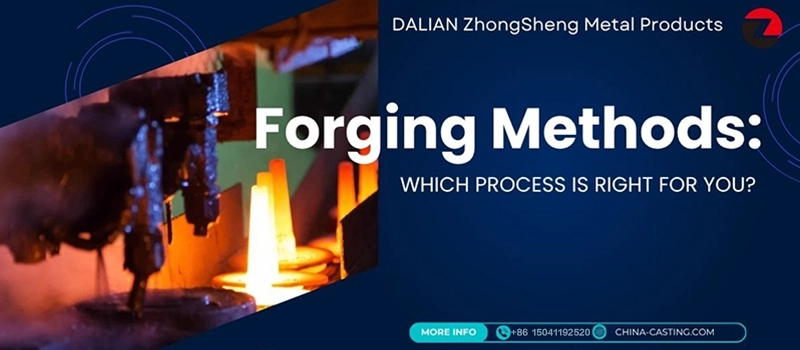
Forging Methods: Which Process Is Right for You?
This article compares the most widely used forging methods—open die, closed die, cold forging, hot forging, and ring forging. I explain each method’s strengths, limitations,

This article compares the most widely used forging methods—open die, closed die, cold forging, hot forging, and ring forging. I explain each method’s strengths, limitations,

Custom machining parts offer unbeatable precision and design flexibility — but they come with costs and risks. This guide helps you weigh the pros and
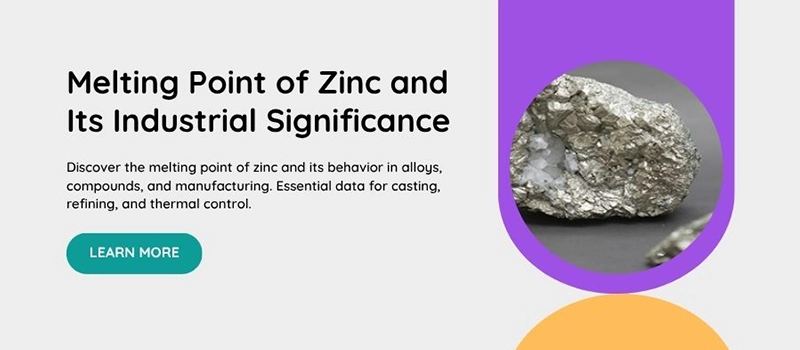
The melting point of zinc is 419.5°C (787.1°F), but this value can vary with purity, alloying, and conditions. This article explores how zinc melts in
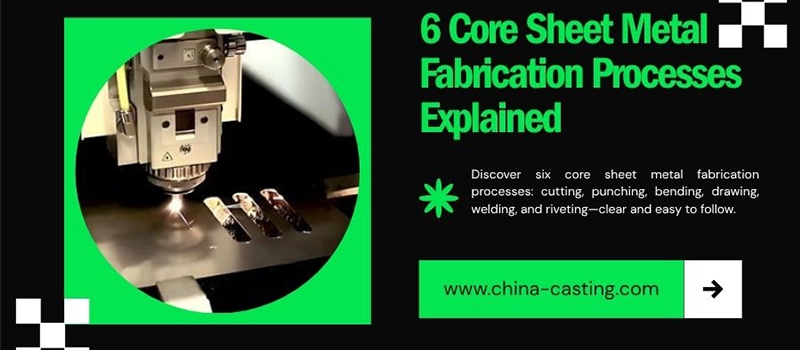
This article introduces the six essential sheet metal fabrication processes: cutting, punching, bending, deep drawing, welding, and riveting. Each process is explained by definition, types,
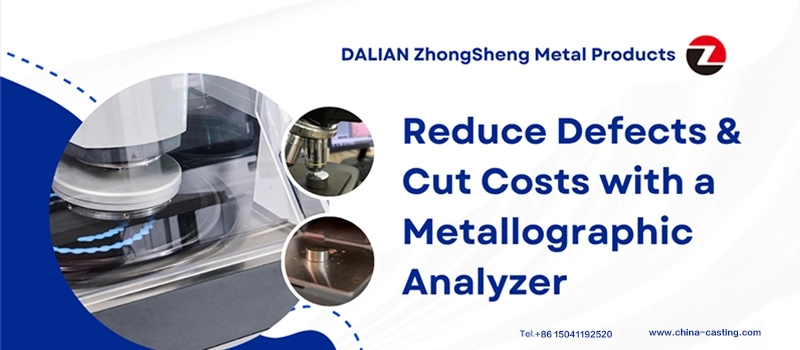
A metallographic analyzer is essential for detecting internal metal defects, optimizing production quality, and reducing failure rates. This guide explains its function, benefits, and how
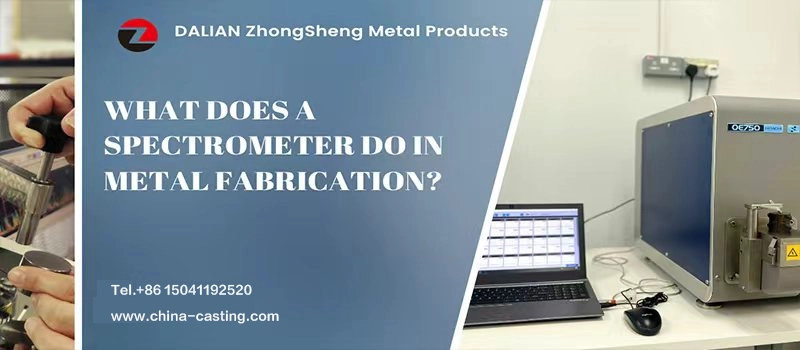
Spectrometers are essential in metal fabrication for analyzing chemical composition, improving casting quality, and reducing defects. This article explains how they support real-time testing, maintain
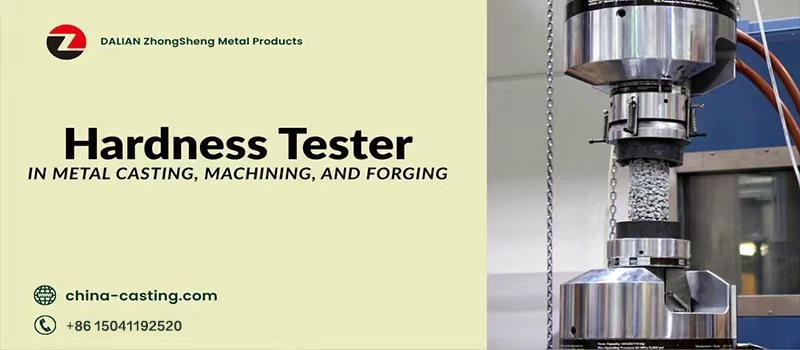
This article explains how to select the right hardness tester for your metal manufacturing needs. From Rockwell to Vickers, we explore their differences, application fields,
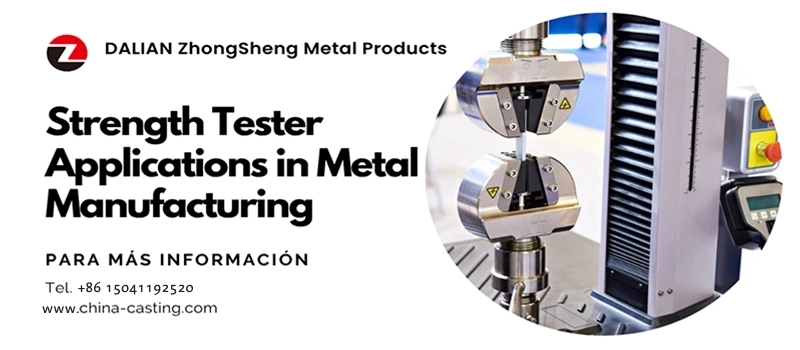
This article explores how strength testers are applied in industrial metal manufacturing. It covers tensile, yield, and compression testing methods, equipment selection, process integration in
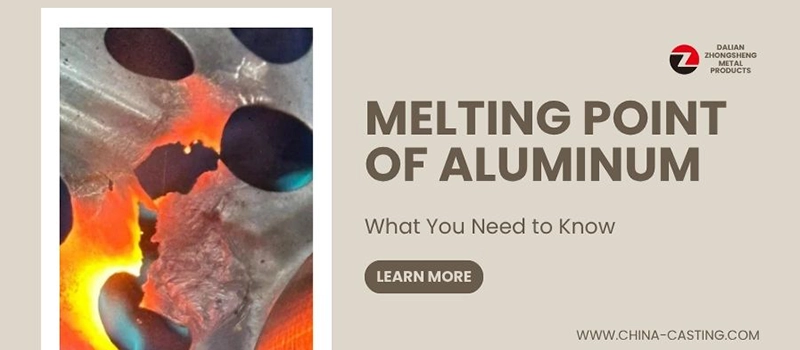
This comprehensive guide explains the melting point and boiling point of aluminum across different alloys and physical forms. It covers real-world factors affecting aluminum’s thermal
