
How CMM Machines Help You Measure Metal Parts Accurately
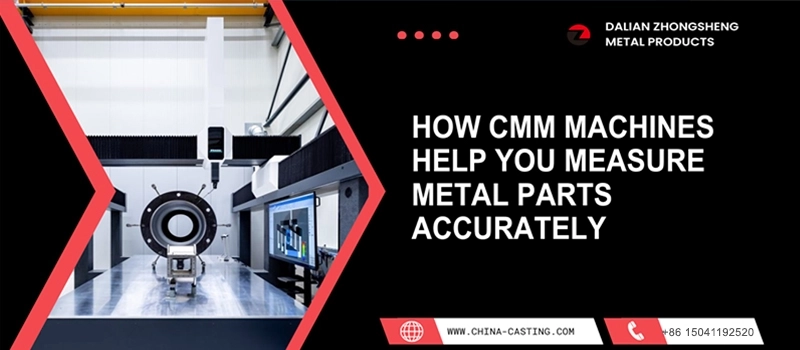
This article explains how CMM machines work, their types, and their benefits in metal part inspection. It covers their application in casting, machining, forging, and sheet metal, and compares CMMs with traditional tools to show why they’re essential for precise, modern manufacturing.
Melting Point of Copper: Essential in Forging and Casting

The melting point of copper—1,085°C (1,984°F)—is a key thermal property that governs how copper behaves in industrial metalworking. In this comprehensive guide, we explore the importance of copper’s melting point in casting, forging, machining, and thermal processing. You’ll learn how factors like impurities, alloys, and form can affect melting behavior, and how copper compares to other metals like aluminum, zinc, and steel. We also present efficient melting techniques such as induction and crucible methods, helping manufacturers maintain precision and reduce energy loss. This article is a must-read for anyone involved in copper component production or sourcing.
A356 Die Casting Process for High-Quality Aluminum Parts
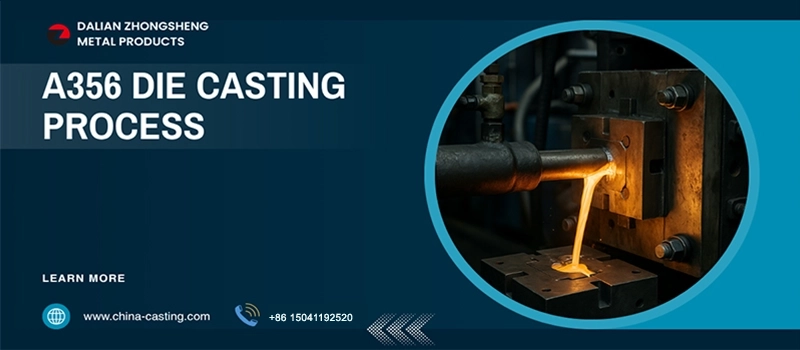
This article provides a clear, step-by-step guide to the A356 die casting process—from alloy preparation to quality inspection. Learn how to optimize melt control, die design, injection parameters, and post-treatment to produce high-quality aluminum castings.
Water Glass Casting Process: Precision Meets Cost Efficiency

This article explores the water glass casting process in depth—from how it works to which materials and industries benefit most. Learn why this method delivers functional strength, mid-level precision, and scalable affordability for industrial metal parts manufacturing.
Nickel Plating Aluminum: How and Why It’s Done
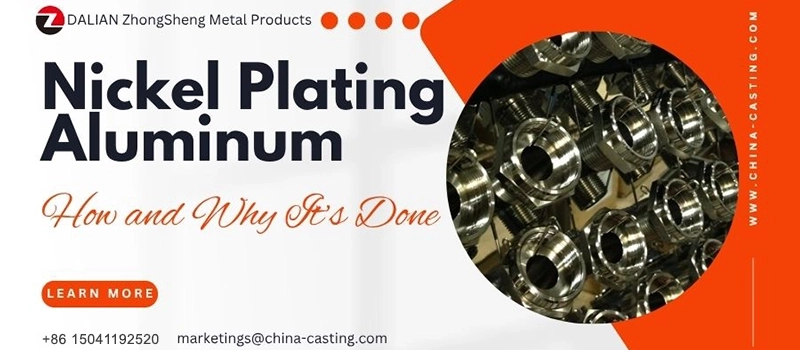
Nickel plating aluminum is essential for industries requiring durability, corrosion resistance, and precision. This guide explains why aluminum needs plating, outlines the complete electroless process, compares it with other coatings, and explores real-world applications across automotive, aerospace, energy, and electronics.
How Shot Blasting Boosts Surface Quality & Durability
Shot blasting is a critical surface treatment process that improves metal surface quality and extends the durability of cast, forged, and machined parts. It removes impurities, strengthens surface texture, and ensures better coating adhesion across industrial applications.
Aluminum Die Casting Machine That Delivers Power & Precision
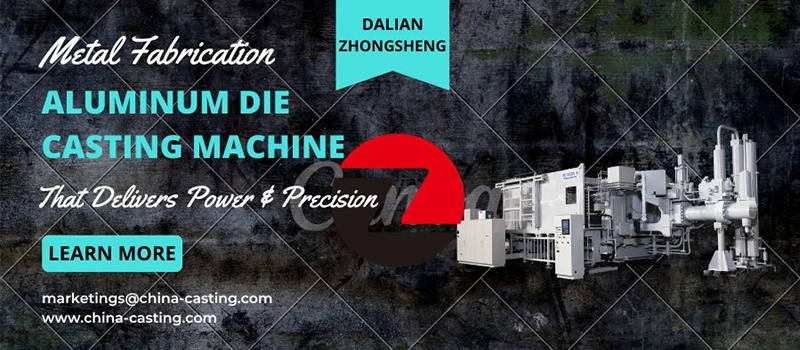
This article dives into how aluminum die casting machines power modern manufacturing. From machine types and performance features to real-world applications, it explains how advanced equipment ensures quality, efficiency, and consistency across industries.
Laser Etching vs Engraving: Key Differences Explained

This guide explains the key differences between laser etching vs engraving, including depth, durability, speed, and material compatibility. Ideal for manufacturers, engineers, and buyers looking to choose the right marking process for metal parts production and traceability.
What Is CNC Milling and Why It Matters in Manufacturing?
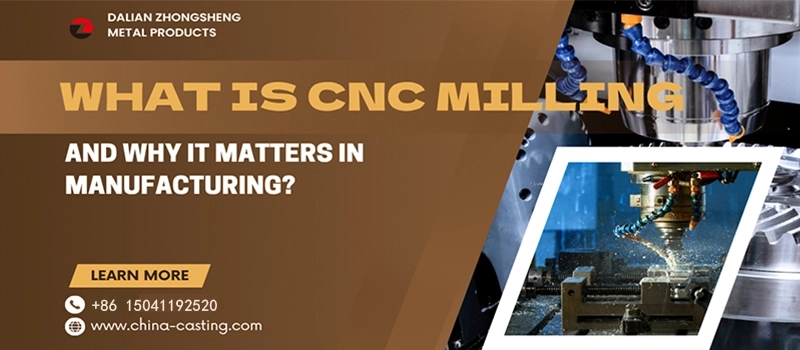
CNC milling is a precision machining method that transforms digital designs into physical components. This article explains how CNC milling works, its machine types, compatible materials, and real-world applications—from aerospace to smartphones—all with industry-level accuracy.
