
Hot Shortness in Steel Alloys: Identification and Prevention
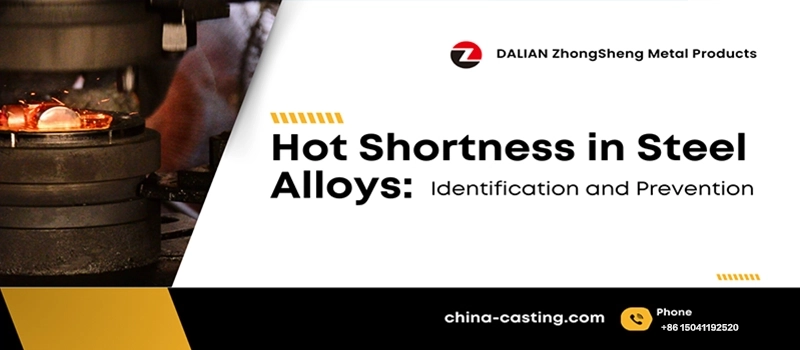
Hot shortness is a brittle fracture issue that occurs in steel alloys at high temperatures due to impurities like sulfur or copper. This guide explains its root causes, real-world effects, and effective ways to identify and prevent it during metal casting and forging.
Cast Tooling Life Extension Methods for Better Efficiency
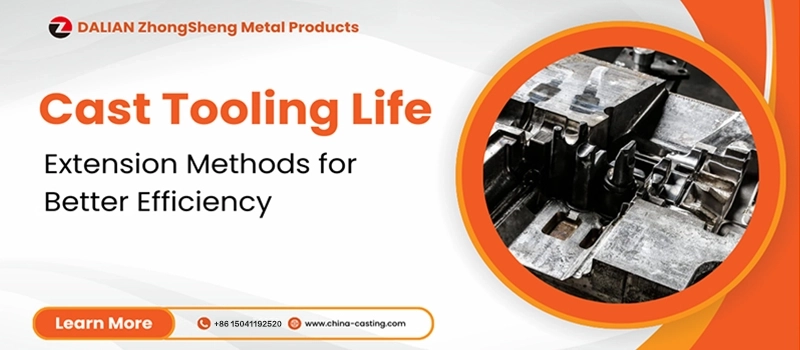
Cast tooling life determines cost, stability, and efficiency in metal manufacturing. By optimizing tooling materials, heat treatment, machining accuracy, production parameters, and maintenance strategies, manufacturers can significantly extend tooling life, reduce downtime, and improve product quality.
Why AlSi12 Alloy Is Best for Complex Cast Components
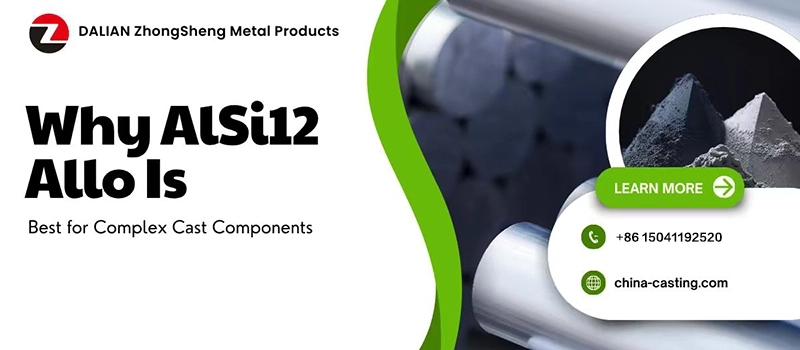
AlSi12 alloy is widely favored in the casting industry for its excellent fluidity, corrosion resistance, and dimensional stability. It enables the production of lightweight, complex, and cost-efficient parts in industries like automotive, construction, and machinery.
Yield Strength of Aluminum Alloys in Manufacturing
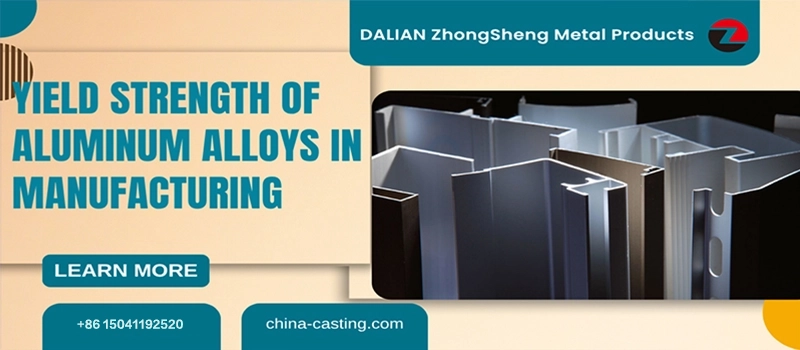
This article explains the yield strength of aluminum alloys in manufacturing, comparing grades, material properties, and heat treatment methods to help manufacturers choose the best alloy for casting, forging, or machining applications.
Magnesium Die Casting Process, Benefits and Applications
Magnesium die casting is revolutionizing lightweight component manufacturing. Learn how the process works, explore its top benefits, and see which industries rely on it—from automotive to aerospace.
Aluminum Chromate Coating: What You Need to Know
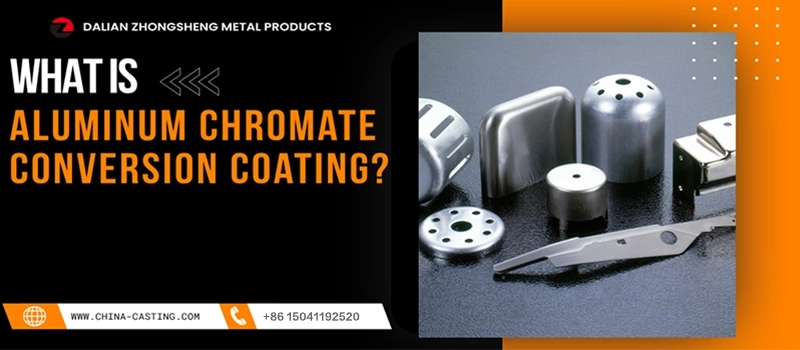
Aluminum chromate coating is a surface treatment used to enhance corrosion resistance, paint adhesion, and conductivity on aluminum parts. This article explains its types, application process, industrial uses, environmental safety, and why it’s ideal for cast and machined components.
Permanent Mold Aluminum Casting: Advantages and Applications

Permanent mold aluminum casting offers exceptional dimensional accuracy, reduced porosity, and economic efficiency. It is ideal for industries requiring reliable, repeatable, and standards-compliant aluminum component production.
5 Core Machining Processes: Pros and Cons Explained

This article analyzes the five core machining processes—turning, milling, drilling, grinding, and EDM. It breaks down the advantages and disadvantages of each method, helping engineers and buyers choose the most efficient, cost-effective process for manufacturing metal parts with precision and confidence.
Ejector Marks in Metal Parts: Causes, Impact, and Solutions
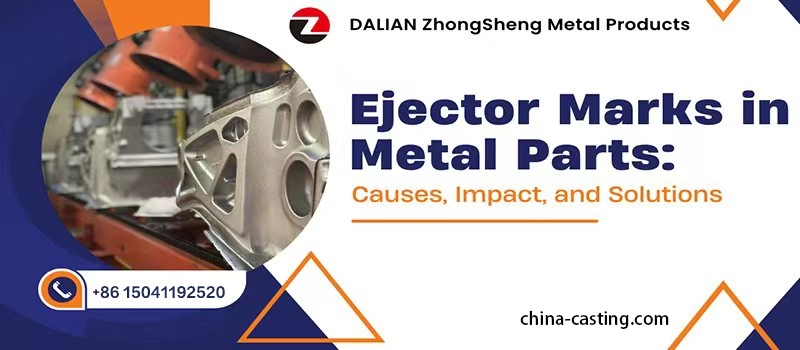
Ejector marks are a common but critical issue in metal parts manufacturing. This article explores their causes, effects on quality, and best practices to prevent them in casting and molding processes.
