
Chamber Casting for Precision Metal Parts in Industry
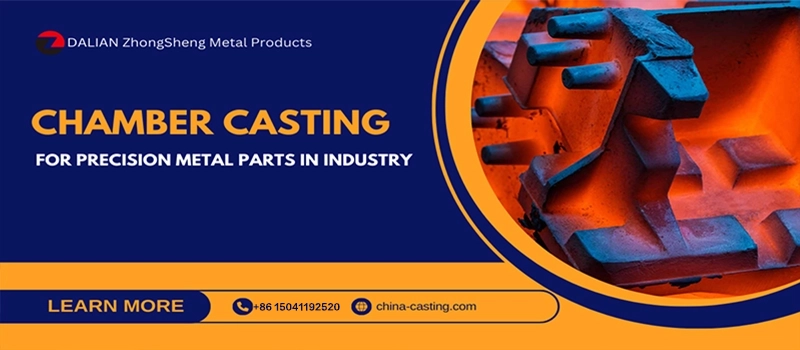
Chamber casting is a precision-focused metal casting process used to produce high-quality, repeatable components for industrial applications. This article explains its process flow, material suitability, manufacturing advantages, and industry-specific use cases.
K-Alloy Die Casting: Properties, Advantages, and Uses
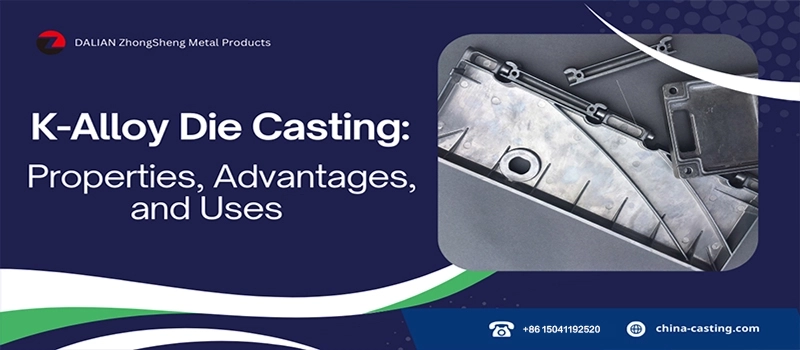
K-Alloy is a modified aluminum-silicon alloy developed for superior corrosion resistance and strength in die-cast parts. Known for surviving salt spray and weather exposure, it’s used in automotive, marine, outdoor lighting, and industrial housings where standard alloys fail.
Understanding Unilateral Tolerances in Machining Design
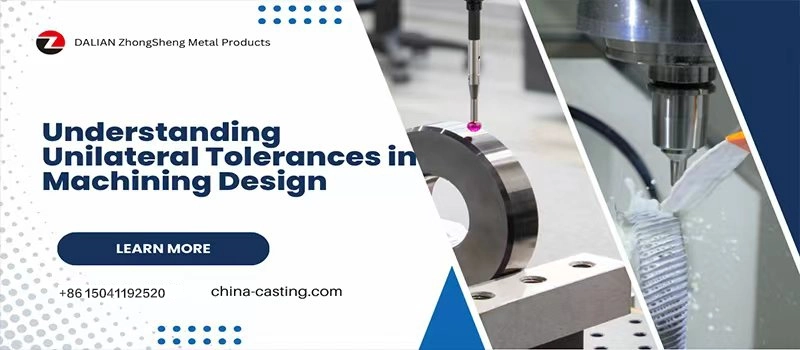
Unilateral tolerances are dimensional limits where deviation is allowed in only one direction—either above or below the nominal size. Used in precision machining, they simplify control, reduce tooling variation, and are critical in assemblies with tight functional constraints.
Aluminum 3xxx Series: Formability and Corrosion Resistance
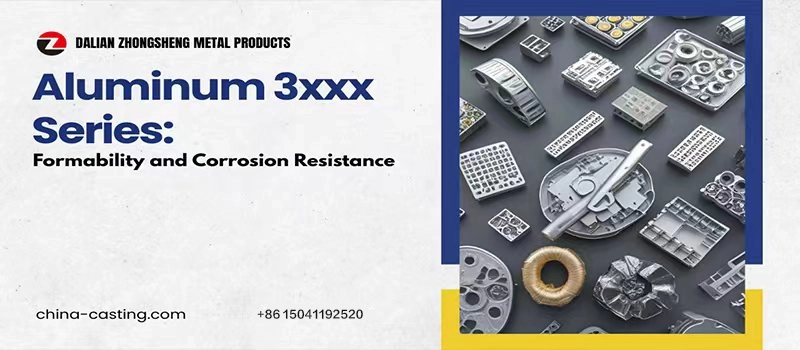
Aluminum 3xxx series alloys are non-heat-treatable and primarily alloyed with manganese. They are valued for their good corrosion resistance, excellent workability, and moderate strength. These alloys are commonly used in roofing sheets, cookware, and automotive heat exchangers.
Aluminum 2xxx Series: High-Strength Structural Alloys
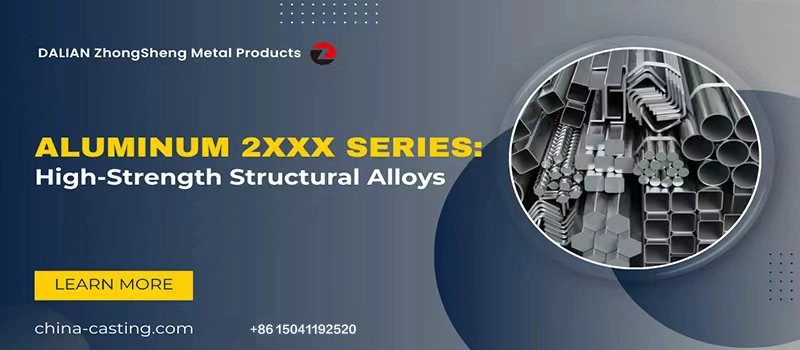
Aluminum 2xxx series alloys are heat-treatable and copper-rich, designed for high strength and excellent fatigue resistance. Commonly used in aerospace, heavy transport, and structural applications, these alloys offer performance under stress but require careful corrosion management.
Aluminum 6xxx Series: Properties and Applications
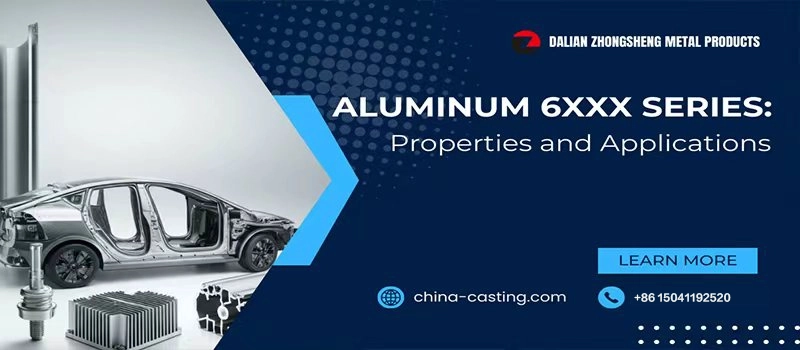
Aluminum 6xxx series alloys offer excellent strength, corrosion resistance, and workability. This article explores their properties, grades like 6061 and 6063, and their widespread industrial applications in construction, automotive, and aerospace sectors.
Aluminum 5xxx Series: Strength and Corrosion Resistance
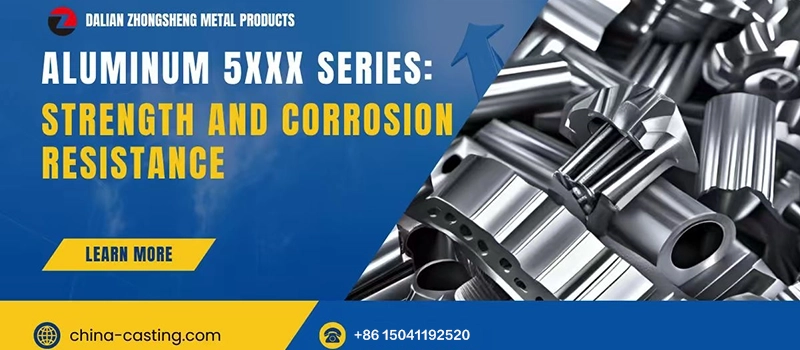
The Aluminum 5xxx series includes non-heat-treatable alloys with magnesium as the primary alloying element. These materials offer high strength, exceptional corrosion resistance, and weldability, making them suitable for marine, transportation, and structural applications.
Aluminum 4xxx Series: Properties and Engineering Uses
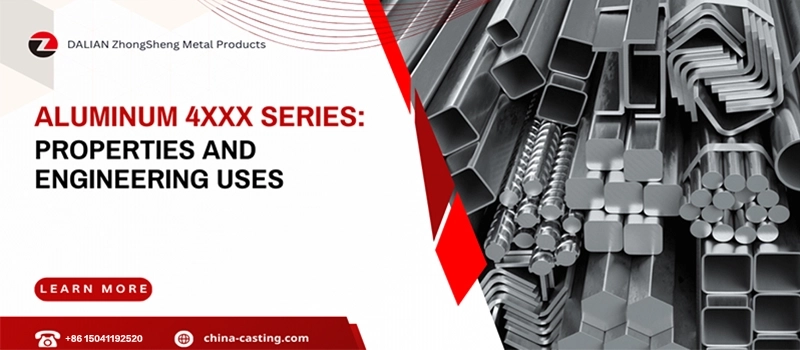
Aluminum 4xxx series alloys contain silicon as the primary alloying element. Known for high wear resistance and low thermal expansion, these alloys are widely used in automotive engine components, welding wires, and cladding layers for heat exchangers and structural panels.
Custom Welding Services for Every Metal Project
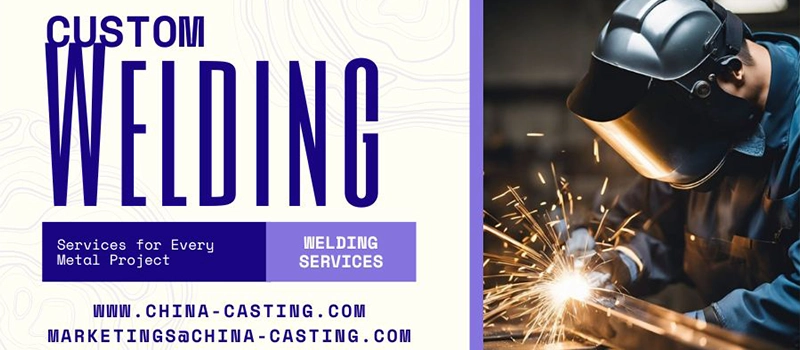
This article dives into custom welding services, exploring different methods and their use across industries like automotive, construction, and aerospace, helping businesses choose the right welding solution for maximum efficiency.
