
What Is CNC Milling and Why It Matters in Manufacturing?
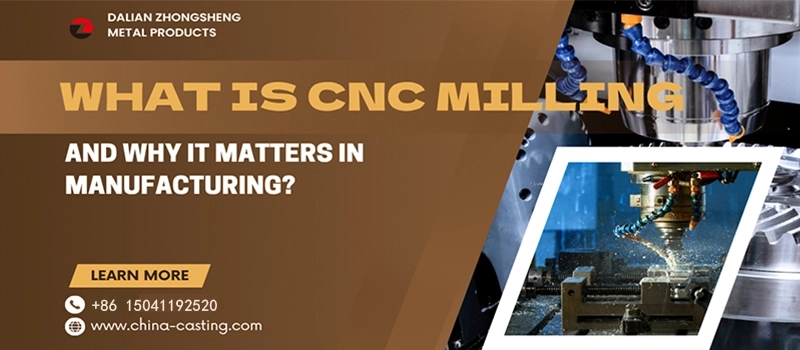
CNC milling is a precision machining method that transforms digital designs into physical components. This article explains how CNC milling works, its machine types, compatible materials, and real-world applications—from aerospace to smartphones—all with industry-level accuracy.
Friction Stir Welding: Key Techniques, Uses, and Advantages
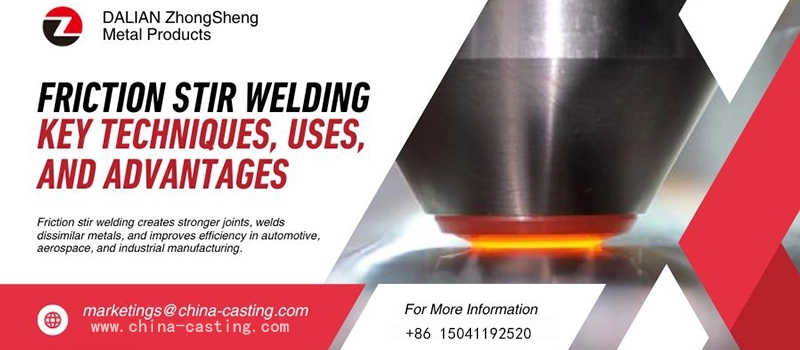
Friction stir welding (FSW) is a solid-state process that creates high-strength, defect-free joints without melting metals. This guide explores how FSW works, its key techniques, industrial applications, compatible materials, and its advantages over traditional welding.
What is 4 Axis CNC Machining and Why It’s Ideal for Parts
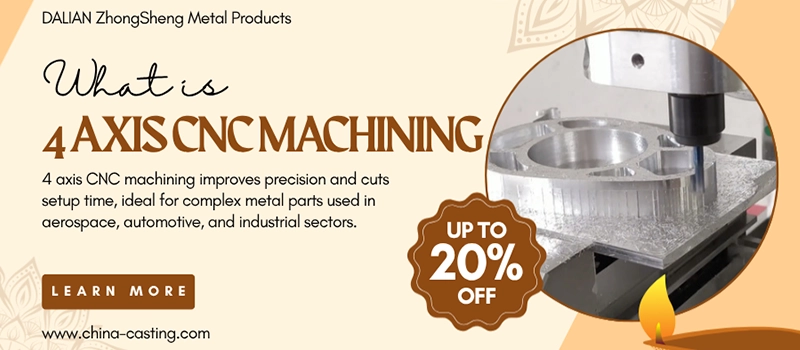
4 axis CNC machining adds a rotational axis to traditional milling, enabling faster, more precise, and cost-effective production of complex metal parts. This guide explores how it works, its core components, key advantages, and why it’s the smart choice for modern manufacturing.
Lost Wax Casting: Process, Materials, and Uses
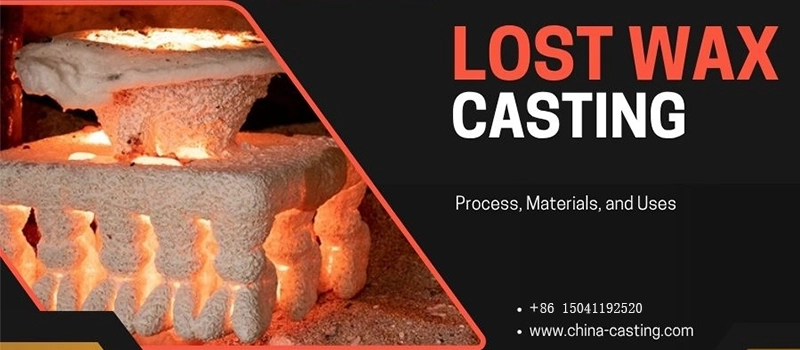
Lost wax casting is a high-precision metal forming technique used to produce complex, accurate parts from aluminum, bronze, steel, and more. This article explains its principles, process, material options, cost factors, and technical advantages for industrial manufacturing.
8 Aluminum Finishes and How to Choose the Right One
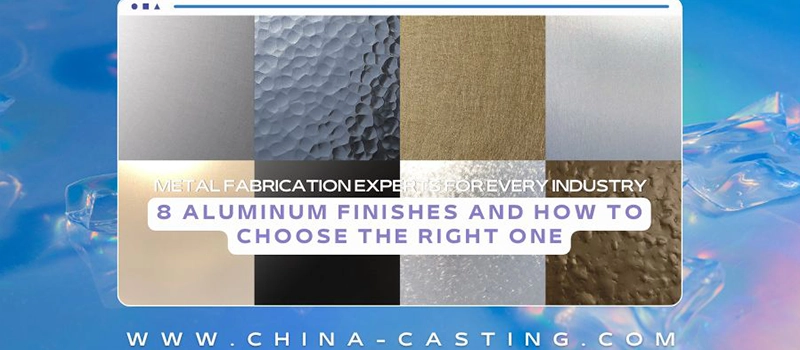
This guide explores 8 key aluminum finishes—anodizing, powder coating, brushed, polished, mill finish, chemical coating, painted, and sandblasted. Learn the pros, applications, and how to choose the right aluminum surface treatment for your industrial or design needs.
Electroless Nickel Plating vs Electroplating: What’s Better?
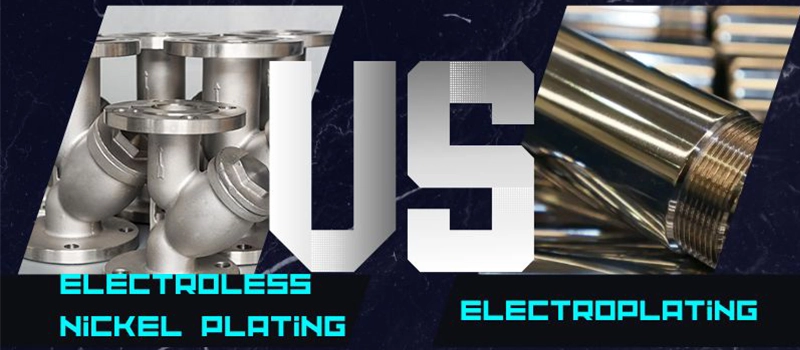
Electroless nickel plating and electroplating are key surface treatment methods in metal manufacturing. This guide explores their differences in process, performance, cost, and use cases—helping engineers and buyers choose the best option for their industrial needs.
Forged Aluminum: Strong, Light, and Built to Perform
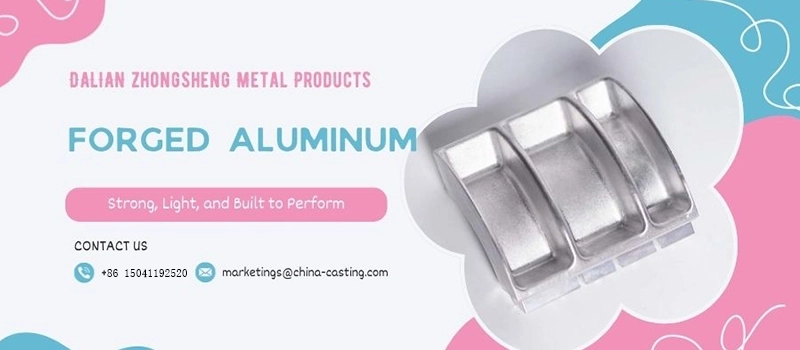
Forged aluminum combines superior strength, reduced weight, and structural reliability, making it the go-to choice for aerospace, automotive, and industrial applications. This article explores the forging process, its benefits, how it compares to cast/machined aluminum, and real-world uses.
Steel Casting Explained: Uses, Differences & Best Techniques
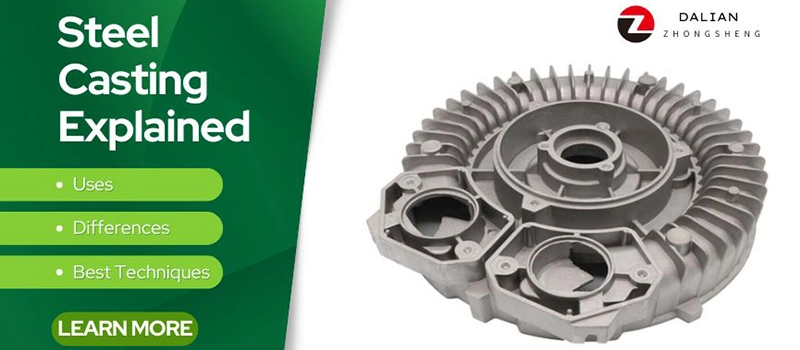
Steel casting is the foundation of modern manufacturing, offering strength, precision, and versatility. This article explains how it works, compares it with cast iron and stainless steel, explores key techniques, and guides you through real-world industrial applications.
Aluminum Die Casting Mold: Expert Guide for Manufacturers
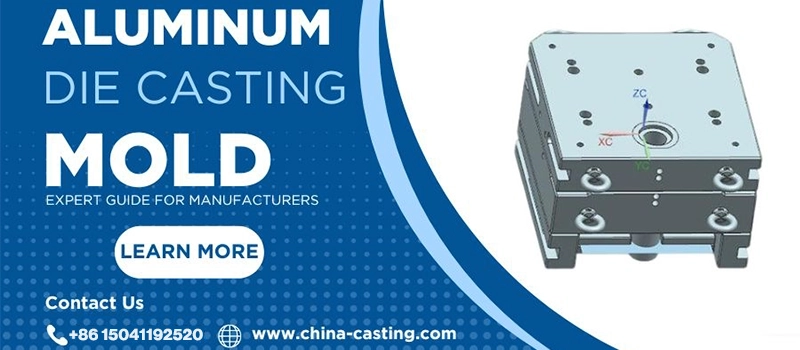
This expert guide dives into the essentials of aluminum die casting molds, covering types, precision design, manufacturing steps, and key advantages of aluminum. Learn how the right mold strategies can improve quality, cut costs, and drive success in high-volume production.
