
K-Alloy Die Casting: Properties, Advantages, and Uses
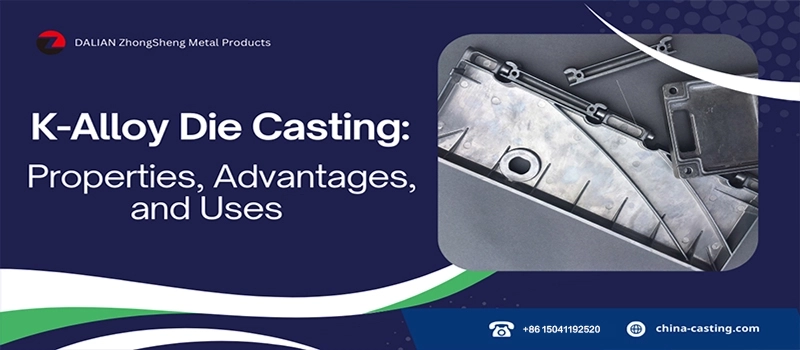
K-Alloy is a modified aluminum-silicon alloy developed for superior corrosion resistance and strength in die-cast parts. Known for surviving salt spray and weather exposure, it’s used in automotive, marine, outdoor lighting, and industrial housings where standard alloys fail.
Aluminum 3xxx Series: Formability and Corrosion Resistance
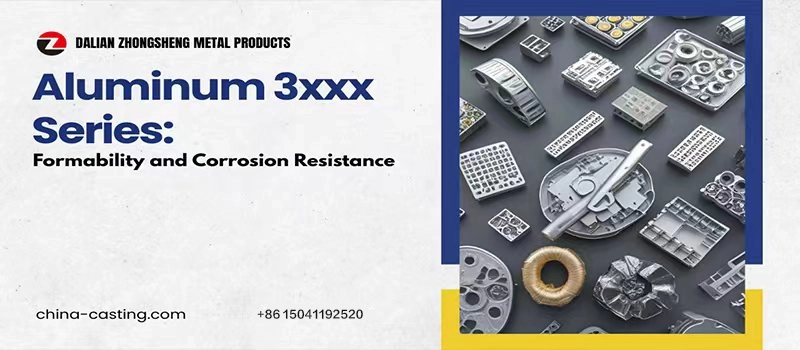
Aluminum 3xxx series alloys are non-heat-treatable and primarily alloyed with manganese. They are valued for their good corrosion resistance, excellent workability, and moderate strength. These alloys are commonly used in roofing sheets, cookware, and automotive heat exchangers.
Aluminum 2xxx Series: High-Strength Structural Alloys
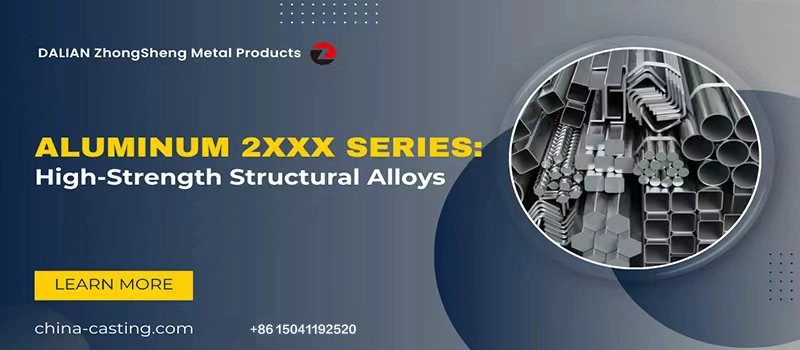
Aluminum 2xxx series alloys are heat-treatable and copper-rich, designed for high strength and excellent fatigue resistance. Commonly used in aerospace, heavy transport, and structural applications, these alloys offer performance under stress but require careful corrosion management.
Aluminum 6xxx Series: Properties and Applications
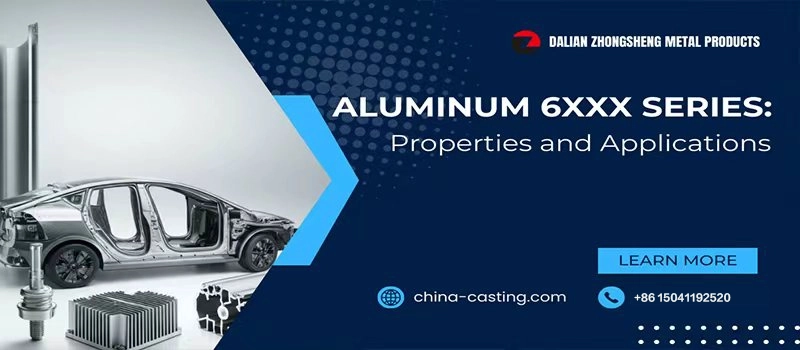
Aluminum 6xxx series alloys offer excellent strength, corrosion resistance, and workability. This article explores their properties, grades like 6061 and 6063, and their widespread industrial applications in construction, automotive, and aerospace sectors.
Aluminum 5xxx Series: Strength and Corrosion Resistance
The Aluminum 5xxx series includes non-heat-treatable alloys with magnesium as the primary alloying element. These materials offer high strength, exceptional corrosion resistance, and weldability, making them suitable for marine, transportation, and structural applications.
Aluminum 4xxx Series: Properties and Engineering Uses
Aluminum 4xxx series alloys contain silicon as the primary alloying element. Known for high wear resistance and low thermal expansion, these alloys are widely used in automotive engine components, welding wires, and cladding layers for heat exchangers and structural panels.
Hot Shortness in Steel Alloys: Identification and Prevention
Hot shortness is a brittle fracture issue that occurs in steel alloys at high temperatures due to impurities like sulfur or copper. This guide explains its root causes, real-world effects, and effective ways to identify and prevent it during metal casting and forging.
Why AlSi12 Alloy Is Best for Complex Cast Components
AlSi12 alloy is widely favored in the casting industry for its excellent fluidity, corrosion resistance, and dimensional stability. It enables the production of lightweight, complex, and cost-efficient parts in industries like automotive, construction, and machinery.
How Aluminum Alloy A380 Performs in Industrial Casting
Aluminum Alloy A380 is widely used in industrial casting for its lightweight, high strength, and excellent castability. This article explores its chemical makeup, mechanical performance, machining behavior, and applications in automotive, electronics, and manufacturing.
