
Lightweight Metals as Critical Manufacturing Materials

Lightweight metals are selected in manufacturing applications to improve efficiency through weight reduction. Their behavior during forming, machining, and joining differs from conventional materials, requiring process-aware material selection to balance strength, manufacturability, and production stability.
Oxygen Free Copper for High-Conductivity Applications
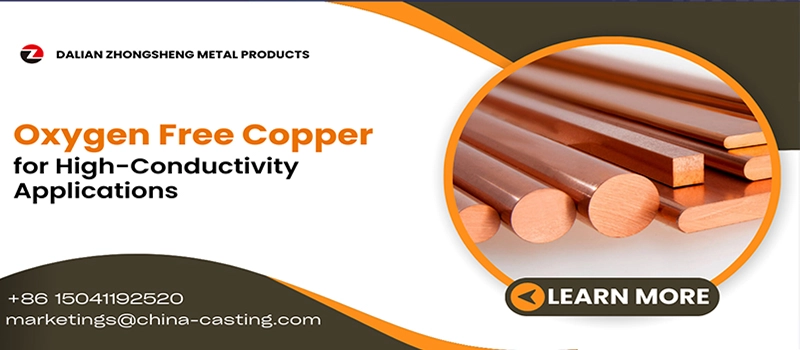
Oxygen free copper is a high-purity copper grade designed to deliver stable electrical conductivity. By minimizing oxygen-related defects, it supports reliable performance in high-current, high-frequency, and thermally demanding applications where standard copper grades show variability.
420 Stainless Steel for Hardened Mechanical Components
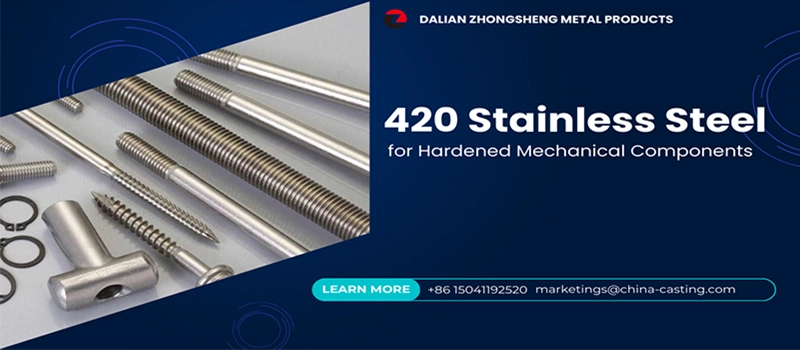
420 stainless steel is a martensitic grade widely used for hardened mechanical components. Its performance depends on controlled heat treatment, stable machining before hardening, and proper application where wear resistance is prioritized over toughness or corrosion resistance.
7cr17 Stainless Steel Manufacturing Behavior and Limits
7cr17 stainless steel is a high-carbon martensitic grade with strong hardness potential but narrow processing margins. Its manufacturing performance depends on strict heat treatment control, limited machining windows, and careful avoidance of forming and welding risks.
Why 555 Stainless Steel Is Trusted in Heavy Industry
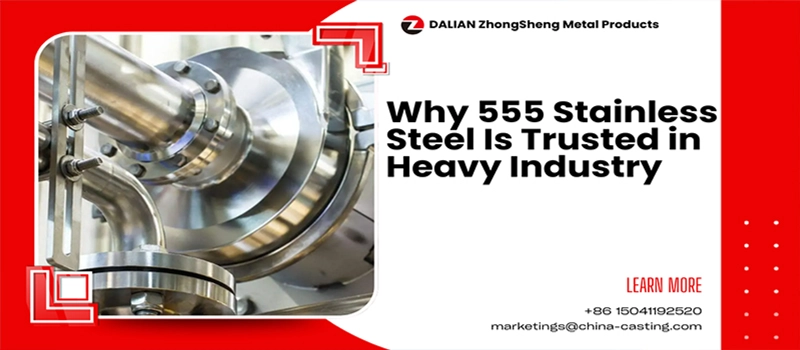
555 stainless steel is a high-performance alloy known for its durability, corrosion resistance, and thermal stability. It is widely used in heavy industry applications where structural integrity and resistance to harsh environments are critical.
Galvanized Steel That Delivers: Durability Meets Value
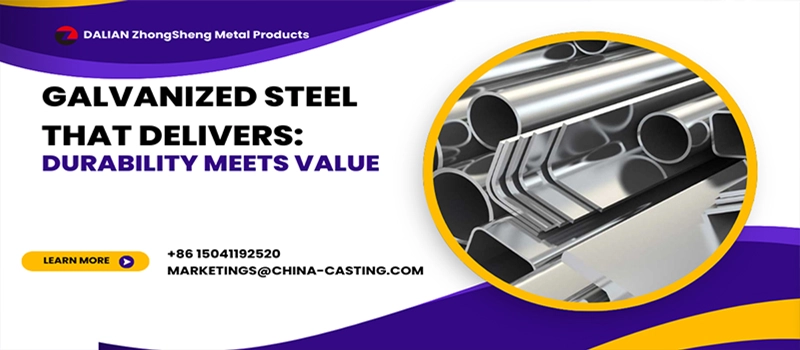
Galvanized steel offers high durability and long-term value in industrial fabrication. Its corrosion resistance and low maintenance make it a preferred choice for cost-sensitive applications across multiple sectors.
Brushed Metal Explained: Uses, Finishes, and Manufacturing
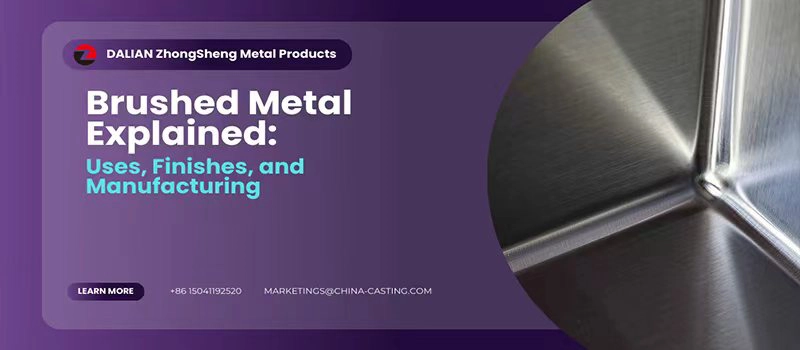
Brushed metal is known for its satin-like texture, corrosion resistance, and aesthetic value. This article covers how it’s made, key applications, and how it compares to other surface finishes in industrial production and consumer goods.
Semi-Solid Die Casting for Precision Metal Components

Semi-solid die casting uses partially solid metal to produce stronger, more precise parts with minimal porosity. This hybrid process bridges casting and forging and is ideal for high-performance aluminum and magnesium applications in automotive, aerospace, and electronics.
Aluminum Foundry Materials for Die, Sand, and Mold Casting

This article explores aluminum foundry materials for die, sand, and mold casting. It compares popular alloys like A356, A380, and 319, helping buyers select the right option for their casting process.
