
How Soldering Complements Casting in Metal Fabrication
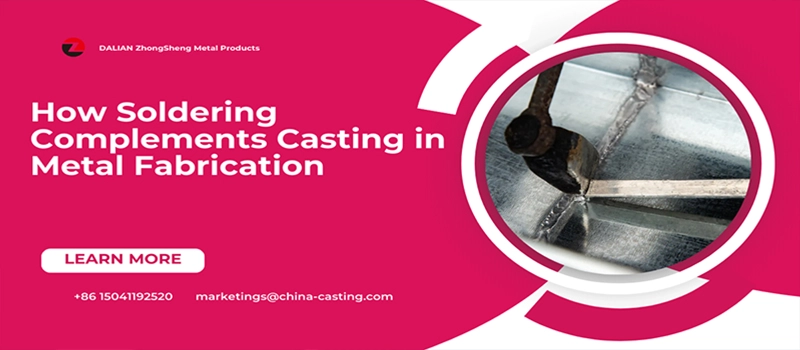
Soldering is often overlooked in metal casting workflows, but it plays a key role in assembling, modifying, or repairing cast parts. This article explores where soldering fits, how it compares to welding or brazing, and what quality factors to consider in casting-related fabrication.
Cold Shortness in Casting: Effects on Strength and Quality

Cold shortness is a metal casting defect that reduces strength and causes brittleness at low temperatures. This article explains its causes, effects on product quality, and how manufacturers can prevent it through better materials, design, and process control.
When to Choose Liquid Painting in Metal Production
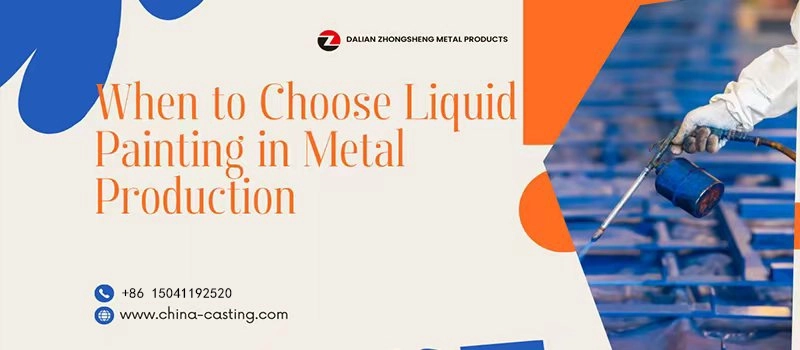
Liquid painting remains a vital finishing method in metal production, especially for heat-sensitive or complex parts. This guide explains when to choose it, its benefits over powder coating, how the process works, and what to consider for quality and cost.
How Powder Coating Improves Industrial Metal Products
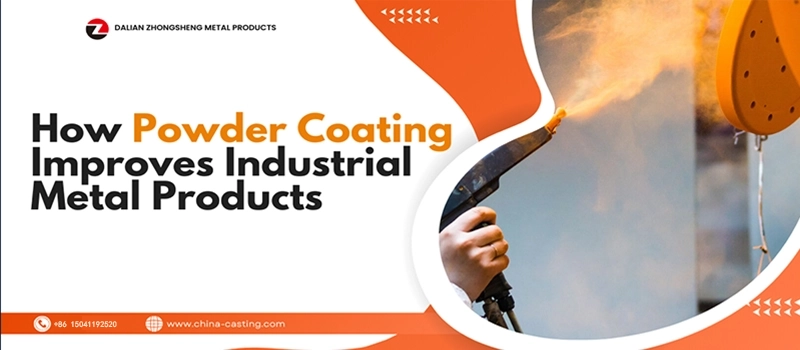
Powder coating offers a high-performance finish for industrial metal products by improving resistance to corrosion, UV damage, and wear. This article explores how the process works, when it should be used, its advantages over other coatings, and key industrial applications.
What Is E-Coat Paint and How Does It Enhance Metal Parts?
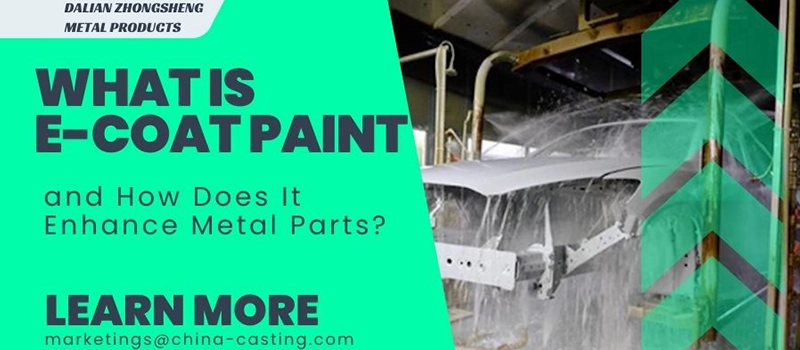
E-coat paint, also known as electrophoretic coating, is a cutting-edge solution in the metal finishing industry. This article explains the full e-coat process, key advantages, common defects, system setup, and its application in mass metal manufacturing.
Aluminum Foundry Materials for Die, Sand, and Mold Casting

This article explores aluminum foundry materials for die, sand, and mold casting. It compares popular alloys like A356, A380, and 319, helping buyers select the right option for their casting process.
Metal Die Cast Enclosure in Industrial Applications
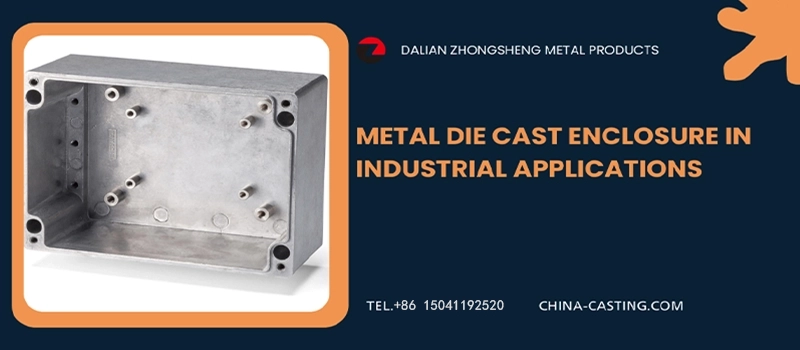
This article explores the role of metal die cast enclosures in industrial applications. It covers the materials, manufacturing processes, performance benefits, certifications, and how they compare to other enclosure technologies in demanding environments.
Best Die Casting Lubricants for Metal Part Quality
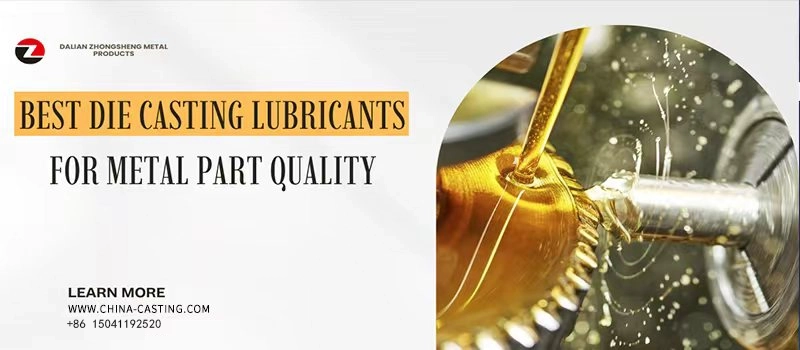
This article explains the essential role of die casting lubricants in improving metal part quality. It covers how proper lubrication supports clean part release, consistent surface finish, and dimensional accuracy. The content outlines key lubricant properties, common application errors, and best practices that reduce defects and extend tool life. By treating lubrication as a critical process parameter, manufacturers can enhance both product consistency and die durability in high-pressure die casting operations.
CNC Machining vs Sheet Metal: What’s the Real Difference?
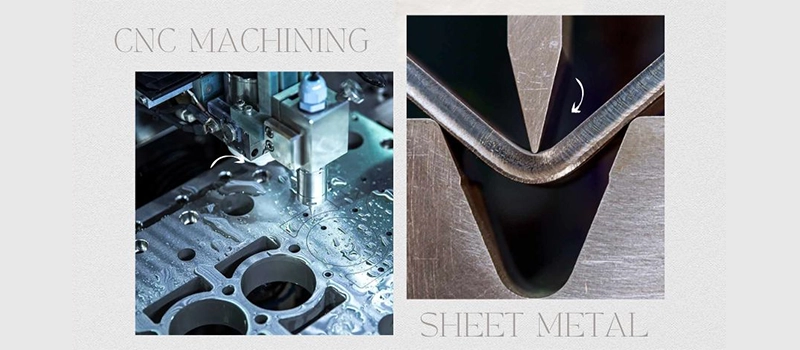
This article explores the real differences between CNC machining and sheet metal fabrication, helping manufacturers and buyers understand when to use each process. It covers key aspects like precision, production volume, material type, cost, and application scenarios.
