
10 Best Sheet Metal Reinforcement Methods for Strength
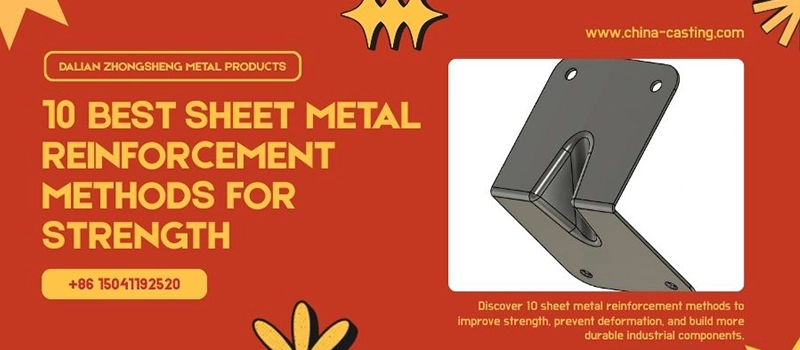
This article introduces the concept and importance of sheet metal reinforcement, then explains 10 common methods to reinforce sheet metal—such as bends, gussets, ribs, and sheet-metal reinforcing bars. It also explores how reinforced sheet metal is used across industries and how to choose the right method based on load, material, and cost. Ideal for designers and engineers looking to enhance strength without increasing material thickness.
MIG vs TIG Welding: Critical Differences & Best Use Cases
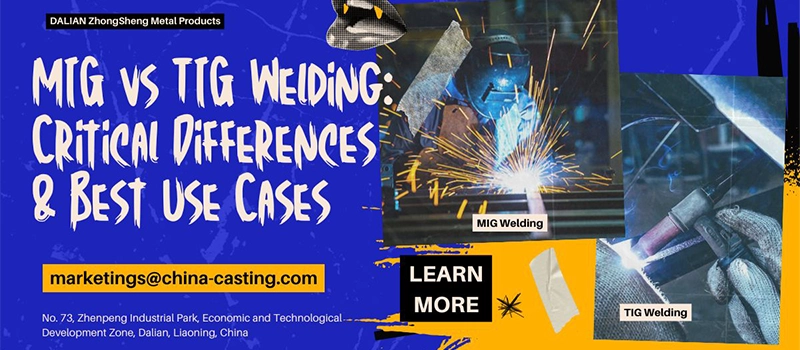
This guide compares mig vs tig welding by exploring their working principles, advantages, limitations, and practical applications. Learn which method is best for your metal type, weld quality expectations, project speed, and budget. Whether you’re fabricating thick steel structures or delicate aluminum components, this article will help you make the right welding decision.
Black Oxide Coating: Superior Protection for Metal Parts
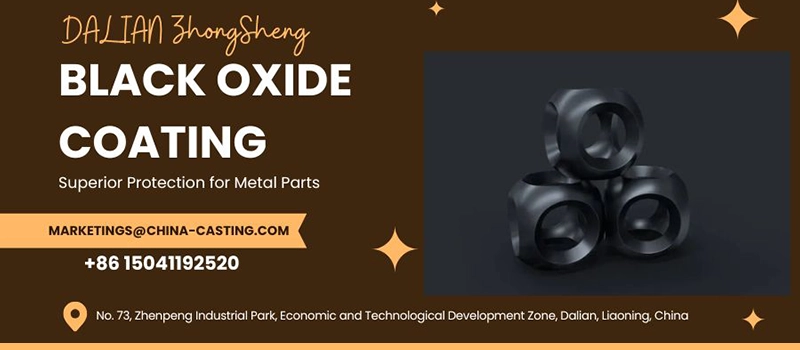
Black oxide coating is a chemical surface treatment for ferrous metals that enhances wear resistance, reduces friction, and improves aesthetics—all without altering dimensions. Ideal for tools, fasteners, and precision parts, it offers a practical balance of protection and cost.
Welding Sheet Metal: Smart Techniques for Flawless Results
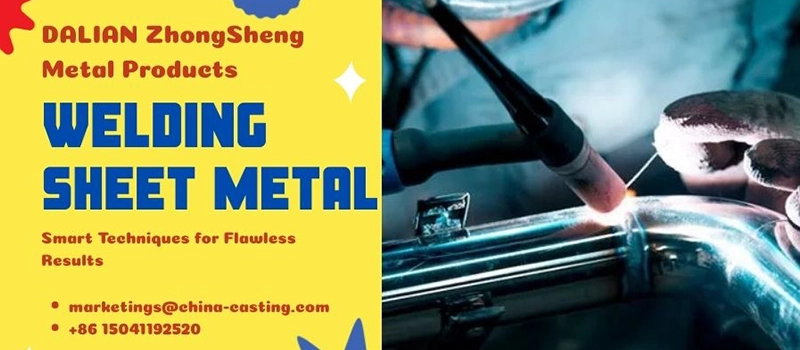
This in-depth guide on welding sheet metal covers essential methods, tools, and tips to achieve high-quality, distortion-free welds. From MIG and TIG welding to spot and plug techniques, it provides professional insights for material selection, heat control, and joint design. Whether you’re working with stainless steel, galvanized panels, or aluminum sheets, you’ll find practical strategies to optimize your welding results and avoid common pitfalls.
Shrinkage in Die-Casting and How to Reduce It Effectively
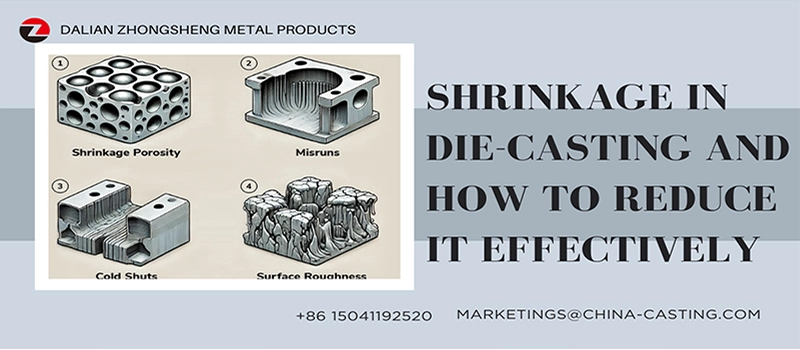
Shrinkage in die-casting is a leading cause of internal defects and dimensional failure. This article explains how alloy selection, die design, cooling control, and process setup can minimize shrinkage risk and improve casting reliability for industrial metal components.
Types of Machining Processes for Reliable Industrial Success
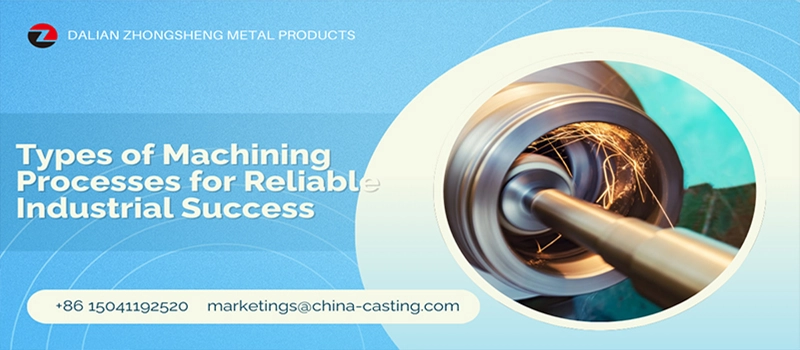
Learn the types of machining processes and how they behave in manufacturing environments. From milling and turning to EDM and waterjet, this guide explains what works, what fails, and how to match process to performance and production goals.
Undercut Machining Explained: Hidden Risks and Smart Solutions
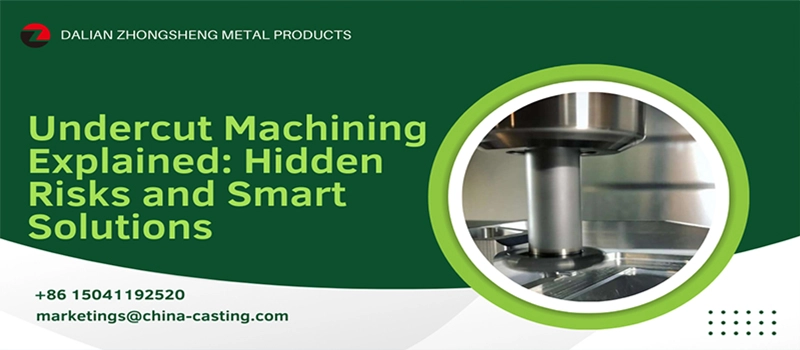
Undercut machining involves hidden or obstructed features that challenge tool access, stability, and inspection. This article explains where undercuts occur, why they exist, how to machine them safely, and the risks they introduce if overlooked during design or setup. With proper planning, these complex features can be controlled without sacrificing precision or process efficiency.
Knurling Made Simple: Powerful Process, Types, and Tools
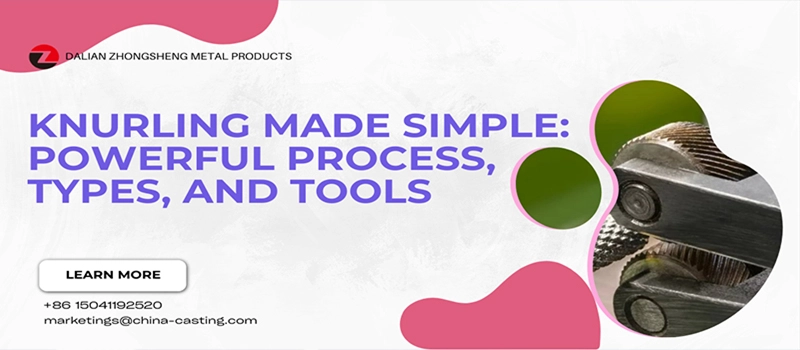
Knurling is a widely used machining technique that forms patterned textures on metal surfaces. This article simplifies the knurling process and covers key types, common patterns, and the tools used to create them. Whether for grip enhancement or decorative finishes, understanding knurling can help manufacturers and engineers make better design and tool choices.
Critical Depth of Cut in Machining: Limits & Effects
The depth of cut in machining isn’t just a number—it directly influences tool wear, material removal rate, and surface finish. This article explores the key effects, limitations, and ways to optimize it for real-world applications.
