
Chamfer vs Fillet: Best Practices for Stronger Components
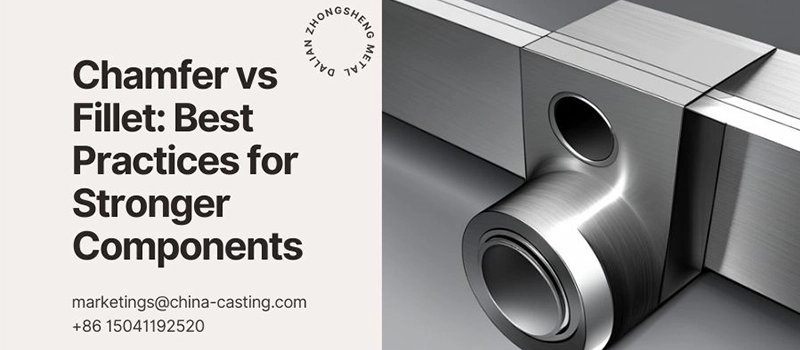
The chamfer vs fillet choice plays a critical role in metal part design. This comprehensive guide compares their geometry, stress behavior, manufacturing impact, and ideal applications—helping engineers make smarter decisions for stronger, more reliable components.
The Surprising Hardness of Titanium: No More Misconceptions
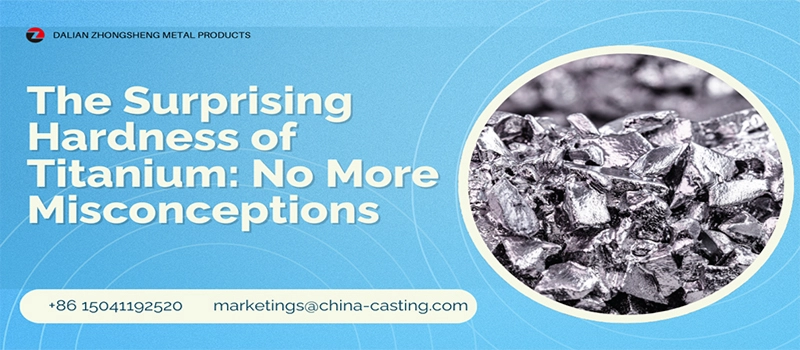
Titanium’s hardness is frequently misjudged in design and procurement stages. This article explains the actual hardness of titanium compared to other metals, highlights how it performs in manufacturing processes, and outlines where hardness becomes a limiting factor. Readers will gain clarity on titanium’s machinability, wear behavior, and inspection concerns.
Steel Beam Types: “W”, “S”, “C”, and “T” Clearly Compared
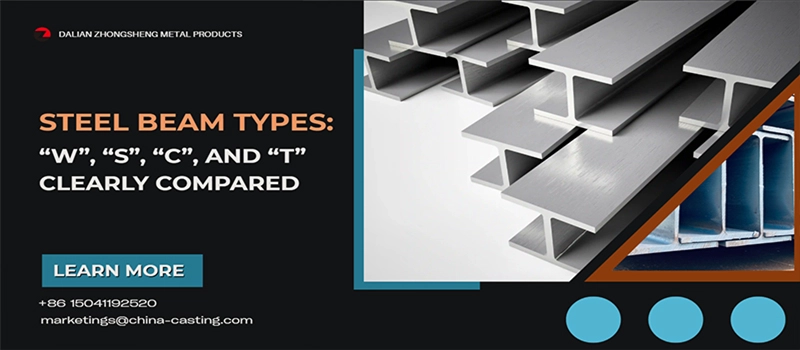
Steel beam types vary in flange width, web thickness, and bending resistance. This guide compares W, S, C, and T beams in terms of structure, performance, and manufacturing limits to support better selection in load-bearing applications.
Density of Carbon Steel: Essential for Smarter Design

The density of carbon steel plays a key role in material selection, structural integrity, machining, and logistics. This article explains how small variations in carbon steel density influence performance, application, cost, and engineering outcomes across industries.
Density of Stainless Steel: Essential Industrial Reference

This in-depth guide explores the density of stainless steel, examining how it varies by grade, what factors influence it, and how it compares to materials like aluminum and carbon steel. Ideal for engineers, designers, and procurement professionals seeking to optimize material choices.
Ductility and Malleability as Critical Manufacturing Factors

Ductility and malleability describe how materials deform under tensile and compressive stress. In manufacturing processes, these properties determine formability, defect risk, and process limits. Proper understanding helps prevent cracking, tearing, and instability during metal forming and fabrication.
Density of Iron: The Essential Yet Misunderstood Property
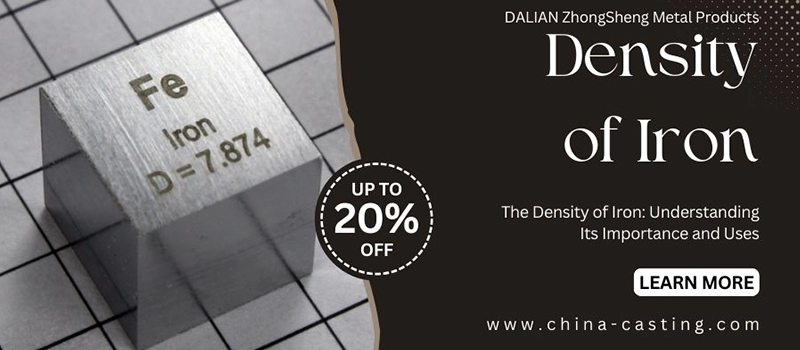
This comprehensive guide explores the density of iron in its various forms—from pure iron to cast iron, ductile iron, iron ore, and iron oxides. It explains how temperature, structure, and composition affect iron’s density and why this matters in engineering design, bulk shipping, and cost management. The article also compares the density of iron with materials like gold, mercury, steel, and water, offering real-world applications in manufacturing, procurement, and material science. Whether you’re sourcing industrial components or designing heavy-duty structures, understanding the density of iron is key to precision and efficiency.
Gold Corrosion Resistance in Engineering Applications
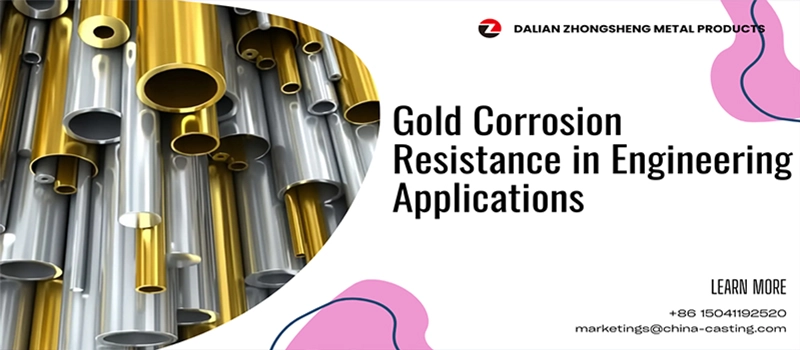
Gold corrosion resistance comes from gold’s noble metal nature and low chemical reactivity. In industrial applications, this property enables reliable performance in electrical contacts, precision components, and plated systems. Effectiveness depends on purity, alloying elements, and application conditions rather than gold presence alone.
Understanding the Density of Copper in Metal Fabrication
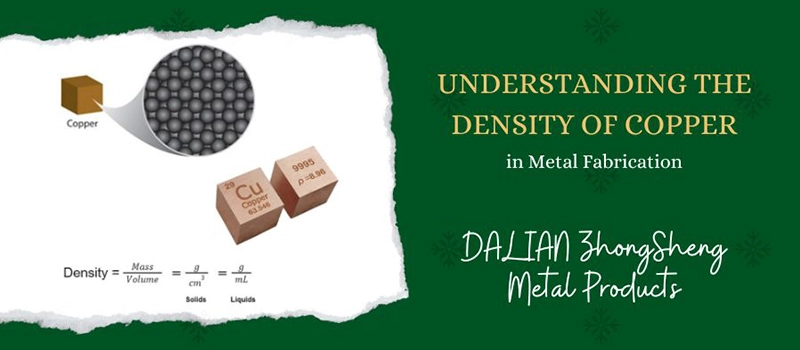
This article explores the density of copper in its pure and alloyed forms, detailing how factors like temperature, purity, and processing impact its real-world application. From weight estimation to fabrication planning, understanding copper density ensures better accuracy and performance in manufacturing.
