
Educational
Density of Stainless Steel: Essential Industrial Reference
This in-depth guide explores the density of stainless steel, examining how it varies by grade, what factors influence it, and how it compares to materials

This in-depth guide explores the density of stainless steel, examining how it varies by grade, what factors influence it, and how it compares to materials

Lightweight metals are selected in manufacturing applications to improve efficiency through weight reduction. Their behavior during forming, machining, and joining differs from conventional materials, requiring

Ductility and malleability describe how materials deform under tensile and compressive stress. In manufacturing processes, these properties determine formability, defect risk, and process limits. Proper
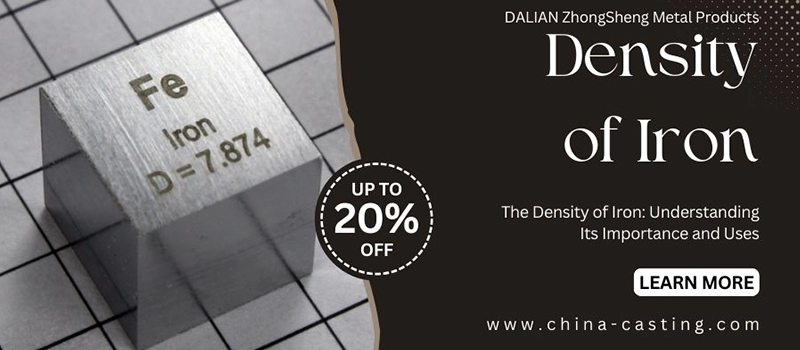
This comprehensive guide explores the density of iron in its various forms—from pure iron to cast iron, ductile iron, iron ore, and iron oxides. It
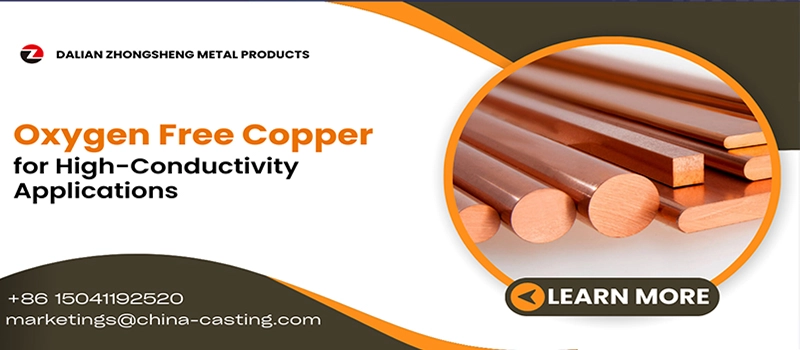
Oxygen free copper is a high-purity copper grade designed to deliver stable electrical conductivity. By minimizing oxygen-related defects, it supports reliable performance in high-current, high-frequency,
Gold corrosion resistance comes from gold’s noble metal nature and low chemical reactivity. In industrial applications, this property enables reliable performance in electrical contacts, precision
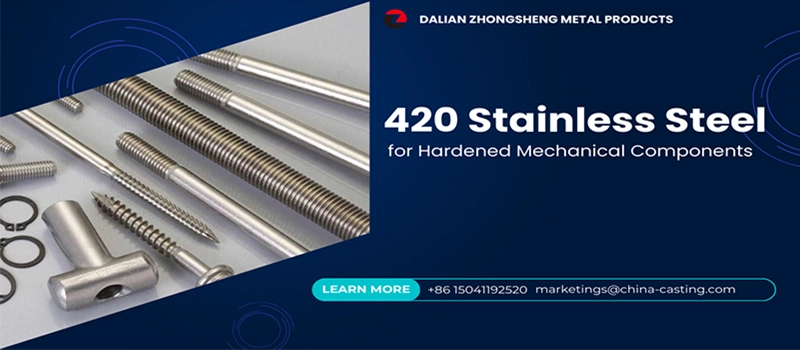
420 stainless steel is a martensitic grade widely used for hardened mechanical components. Its performance depends on controlled heat treatment, stable machining before hardening, and
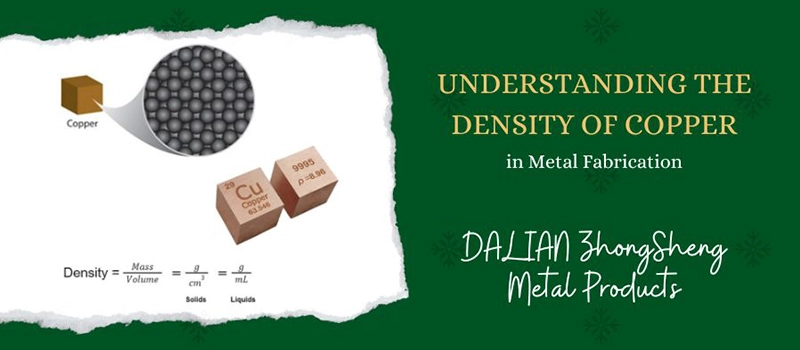
This article explores the density of copper in its pure and alloyed forms, detailing how factors like temperature, purity, and processing impact its real-world application.
7cr17 stainless steel is a high-carbon martensitic grade with strong hardness potential but narrow processing margins. Its manufacturing performance depends on strict heat treatment control,
