
Metal Die Cast Enclosure in Industrial Applications
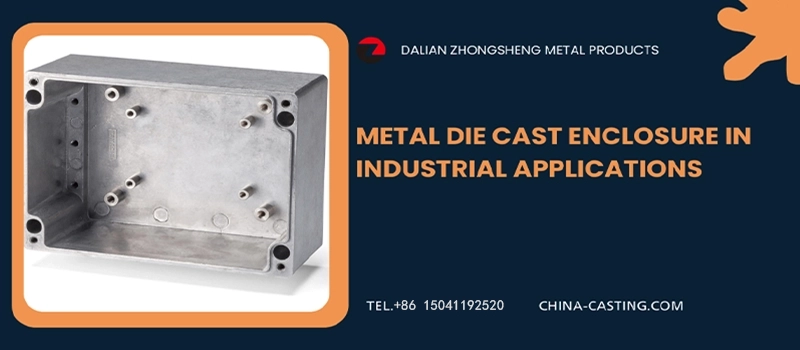
This article explores the role of metal die cast enclosures in industrial applications. It covers the materials, manufacturing processes, performance benefits, certifications, and how they compare to other enclosure technologies in demanding environments.
Best Die Casting Lubricants for Metal Part Quality
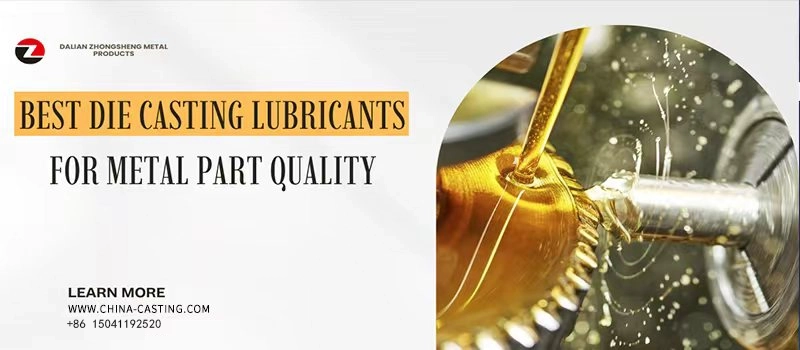
This article explains the essential role of die casting lubricants in improving metal part quality. It covers how proper lubrication supports clean part release, consistent surface finish, and dimensional accuracy. The content outlines key lubricant properties, common application errors, and best practices that reduce defects and extend tool life. By treating lubrication as a critical process parameter, manufacturers can enhance both product consistency and die durability in high-pressure die casting operations.
Understanding Unilateral Tolerances in Machining Design
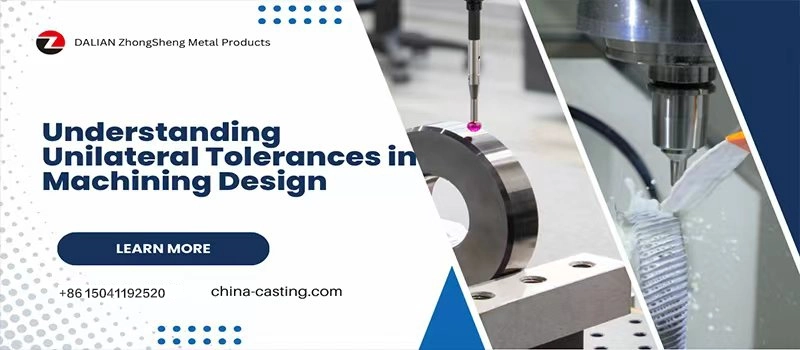
Unilateral tolerances are dimensional limits where deviation is allowed in only one direction—either above or below the nominal size. Used in precision machining, they simplify control, reduce tooling variation, and are critical in assemblies with tight functional constraints.
Cast Tooling Life Extension Methods for Better Efficiency
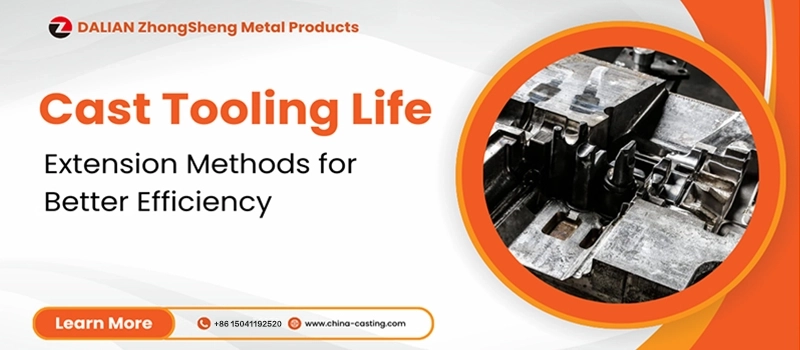
Cast tooling life determines cost, stability, and efficiency in metal manufacturing. By optimizing tooling materials, heat treatment, machining accuracy, production parameters, and maintenance strategies, manufacturers can significantly extend tooling life, reduce downtime, and improve product quality.
Yield Strength of Aluminum Alloys in Manufacturing
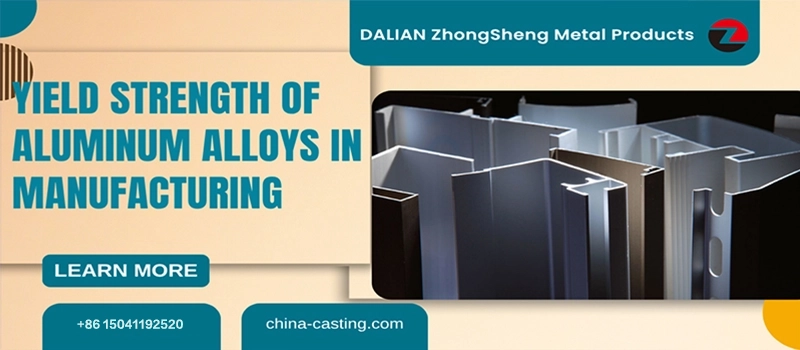
This article explains the yield strength of aluminum alloys in manufacturing, comparing grades, material properties, and heat treatment methods to help manufacturers choose the best alloy for casting, forging, or machining applications.
Ejector Marks in Metal Parts: Causes, Impact, and Solutions
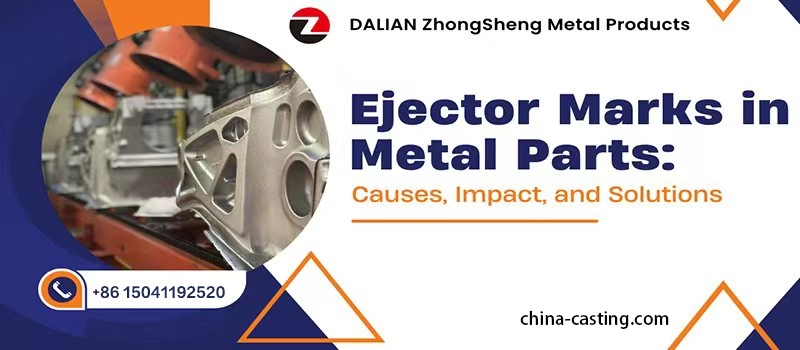
Ejector marks are a common but critical issue in metal parts manufacturing. This article explores their causes, effects on quality, and best practices to prevent them in casting and molding processes.
Melting Point of Aluminum Alloys: A Scientific Guide
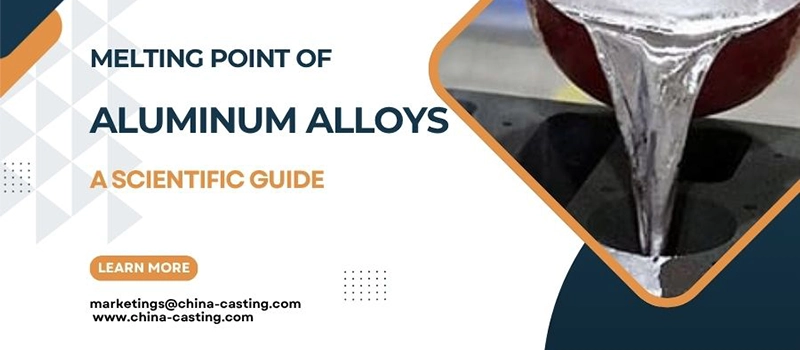
This comprehensive guide examines the melting point of aluminum alloys across alloy families including 6061 and zinc-aluminum systems. It explains how melting behavior impacts processing methods such as casting, welding, and heat treatment, and offers engineers clear insights for material selection in aerospace, automotive, electronics, and energy sectors.
3D Printing Aluminum for Efficient Industrial Production3D
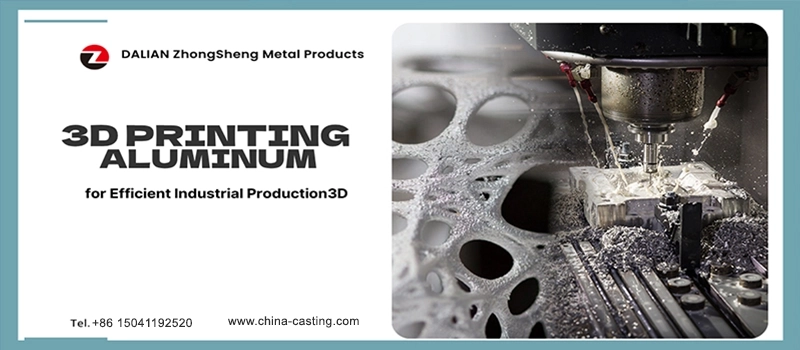
3D printing aluminum combines speed, precision, and cost-efficiency for industrial production. It’s a game-changer for automotive, mining, and manufacturing sectors, offering lightweight, durable parts with shorter lead times and lower costs.
Melting Point of Stainless Steel for Material Selection
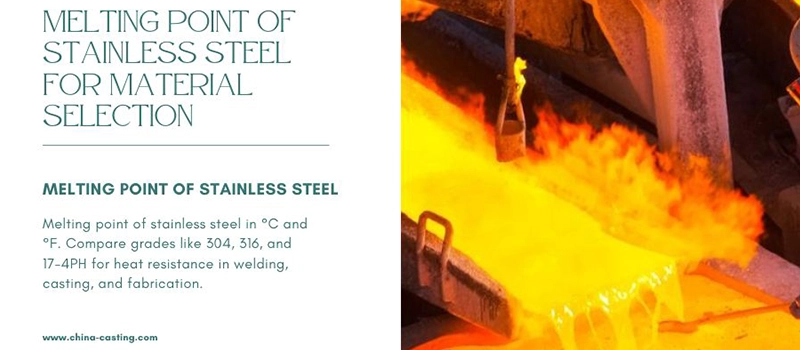
The melting point of stainless steel varies by grade, typically ranging from 1375°C to 1530°C (2500°F to 2785°F). This article explains how chemical composition and metallurgical structure affect melting behavior across common grades like 304, 316, 310, and 17-4PH, providing practical guidance for selecting stainless steel in thermal applications such as power generation, automotive, petrochemical, and manufacturing industries.
