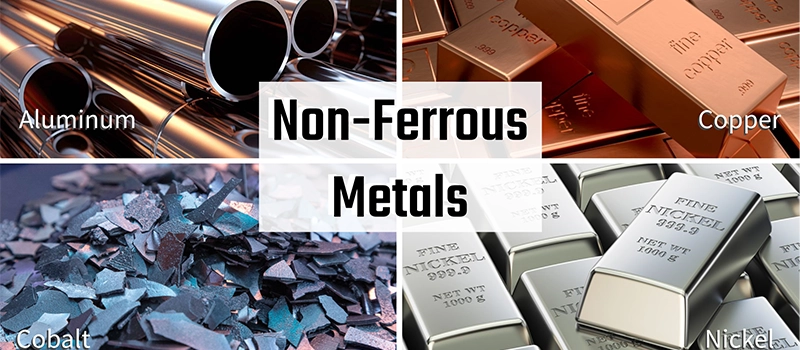
Non ferrous metals are a fundamental category of industrial materials that contain little or no iron.
In modern manufacturing, they are widely valued for their corrosion resistance, electrical conductivity, lightweight properties, and stable performance across demanding applications.
Key Characteristics of Non-Ferrous Metals
Non ferrous metals are industrial metals that contain little or no iron. This fundamental definition is the basis for understanding the physical, chemical, and mechanical behavior of non ferrous metals across manufacturing, processing, and application environments. When compared with ferrous metals, non ferrous metals exhibit a distinct set of characteristics that directly influence material selection and engineering decisions.
Corrosion Resistance of Non-Ferrous Metals
One of the most important characteristics of non ferrous metals is their high resistance to corrosion. Unlike ferrous metals, which are prone to rust due to iron oxidation, non ferrous metals do not corrode in the same manner. This explains why non ferrous metals are commonly used in environments exposed to moisture, chemicals, or extreme weather conditions.
Metals such as aluminum, copper, zinc, and nickel naturally form protective oxide layers that prevent further material degradation. This corrosion resistance is a defining reason why non ferrous metals are preferred in marine applications, chemical processing equipment, outdoor structures, and long-term industrial installations. From an engineering standpoint, this property reduces maintenance requirements and extends service life without additional surface protection.

Magnetic Properties: Are Non-Ferrous Metals Magnetic?
A common question in material selection is whether non ferrous metals are magnetic. In general, non ferrous metals are non-magnetic, which clearly distinguishes them from most ferrous metals. This non-magnetic behavior is a direct result of their chemical composition and atomic structure.
Because non ferrous metals do not contain iron, they typically do not respond to standard magnetic fields. This characteristic is critical in applications involving electrical systems, precision instruments, medical equipment, and sensitive electronic components. While a small number of non ferrous metal alloys may show weak magnetic behavior under specific conditions, non ferrous metals are widely classified as non-magnetic materials in industrial practice.
Electrical and Thermal Conductivity of Non-Ferrous Metals
Another defining feature of non ferrous metals is their excellent electrical and thermal conductivity. Copper and aluminum are widely recognized as benchmark materials in this category and are often cited when explaining what non ferrous metals are used for in electrical and energy-related applications.
Non ferrous metals conduct electricity efficiently while maintaining stable performance under heat and load. This makes them essential in power transmission systems, heat exchangers, electronic components, and industrial equipment where energy efficiency and thermal management are critical. Compared to ferrous metals, non ferrous metals offer superior conductivity with lower energy losses.
Mechanical Properties and Strength-to-Weight Ratio
The mechanical properties of non ferrous metals are another key characteristic that influences their widespread use. Many non ferrous metals offer an excellent strength-to-weight ratio, meaning they provide sufficient mechanical strength while remaining significantly lighter than ferrous metals.
Aluminum, magnesium, and titanium alloys are typical examples of non ferrous metals that combine durability with reduced weight. This characteristic is particularly important in industries where structural efficiency, mobility, and performance optimization are priorities. Unlike some ferrous metals, non ferrous metals can achieve mechanical reliability without excessive mass.
Machinability and Processing Characteristics
Non ferrous metals are also known for their favorable processing characteristics. These metals can be cast, machined, forged, extruded, and formed with a high degree of precision. Their predictable behavior during manufacturing allows for consistent quality and tight dimensional control.
From a production perspective, non ferrous metals often require lower melting and processing temperatures compared to ferrous metals. This contributes to reduced tooling wear, improved surface finish, and efficient manufacturing workflows. These properties explain why non ferrous metals are widely used in precision components and complex industrial parts.
Recyclability as an Inherent Material Characteristic
An often overlooked but fundamental characteristic of non ferrous metals is their high recyclability. Non ferrous metals can be recycled repeatedly without significant loss of physical or chemical properties. This makes them valuable not only as raw materials but also as long-term industrial resources.
Because non ferrous metals retain their performance characteristics after recycling, they play an important role in sustainable manufacturing systems. This recyclability is intrinsic to the material itself rather than dependent on special processing techniques.
Common Types of Non-Ferrous Metals
Non-ferrous metals encompass a broad range of metallic materials, each defined by distinct physical, chemical, and mechanical properties. While they share the common trait of containing little or no iron, different non-ferrous metals are selected for manufacturing based on performance requirements, environmental conditions, and processing feasibility. In industrial practice, these metals are typically grouped according to their base element and alloying behavior.
Aluminum and Aluminum Alloys
Aluminum is one of the most widely used non-ferrous metals in modern manufacturing. It is valued primarily for its low density, good corrosion resistance, and favorable strength-to-weight ratio. In its pure form, aluminum is relatively soft, but when alloyed with elements such as silicon, magnesium, or copper, its mechanical strength and wear resistance increase significantly.
Aluminum alloys are commonly used in casting, extrusion, and machining processes due to their excellent formability and thermal conductivity. Their predictable behavior during processing makes them suitable for producing complex shapes with tight dimensional tolerances. In addition, aluminum’s natural oxide layer provides inherent surface protection without the need for extensive coatings.
Copper and Copper-Based Alloys
Copper is another essential non-ferrous metal, particularly known for its outstanding electrical and thermal conductivity. This property makes copper a benchmark material in electrical systems, heat transfer applications, and energy-related equipment. Compared to many other metals, copper maintains stable performance under both electrical load and thermal stress.
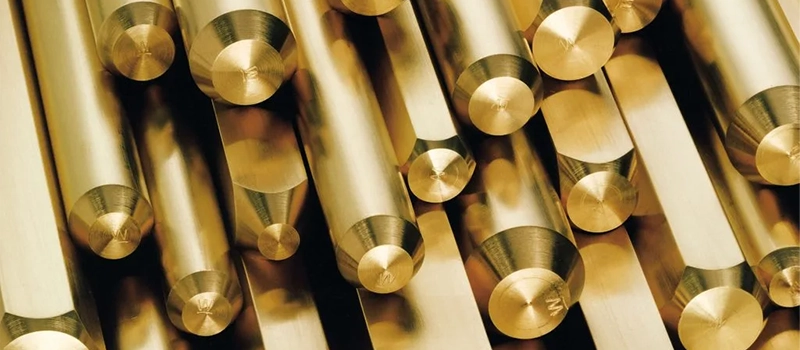
Copper-based alloys, such as brass and bronze, are widely used when improved strength, wear resistance, or machinability is required. By adjusting alloy composition, manufacturers can tailor copper alloys to meet specific mechanical and environmental demands while retaining many of copper’s core conductive properties.
Zinc and Zinc Alloys
Zinc is commonly used as both a structural material and an alloying element. As a non-ferrous metal, zinc offers good corrosion resistance and is frequently employed in die casting due to its low melting point and excellent fluidity. These characteristics allow zinc alloys to fill complex molds with high precision and surface quality.
Zinc-based alloys are often selected for components that require dimensional accuracy, smooth finishes, and cost-effective mass production. In addition, zinc plays a critical role in protective coatings, where it acts as a sacrificial layer to enhance corrosion resistance in other metals.
Nickel and Nickel Alloys
Nickel occupies a unique position among non-ferrous metals due to its strength, thermal stability, and resistance to corrosion and oxidation at elevated temperatures. Nickel is rarely used in pure form; instead, it is commonly alloyed with other metals to enhance mechanical performance and environmental resistance.
Nickel alloys are often chosen for demanding operating conditions, including high temperatures, chemical exposure, and cyclic mechanical stress. Their stability under extreme conditions makes them suitable for specialized industrial components where material failure is not acceptable.
Titanium and Titanium Alloys
Titanium is a high-performance non-ferrous metal characterized by its exceptional strength-to-weight ratio and excellent corrosion resistance. Despite being lighter than steel, titanium alloys can achieve comparable or superior mechanical strength, making them valuable in applications where both durability and weight reduction are critical.
From a manufacturing perspective, titanium requires more controlled processing conditions than many other non-ferrous metals. However, its long service life and stable performance often justify the additional complexity involved in production.
Magnesium and Magnesium Alloys
Magnesium is among the lightest structural metals available. Its low density makes it attractive for applications where weight minimization is a primary design objective. Although magnesium alloys generally offer lower absolute strength than aluminum or titanium, they provide sufficient mechanical performance for components where mass reduction delivers functional benefits.
Magnesium alloys are typically used in carefully controlled environments due to their reactivity. When properly engineered and processed, they offer a balance of lightweight structure and manufacturability that few other metals can match.
Uses of Non-Ferrous Metals in Various Industries
Non-ferrous metals are widely used across multiple industries because their material properties align closely with specific operational and environmental requirements. Rather than serving a single-purpose role, these metals support a broad spectrum of industrial functions, from structural components to high-precision systems. Their applications are determined not by general suitability, but by carefully matched performance characteristics.
Construction and Infrastructure Industry
In the construction and infrastructure sector, non-ferrous metals are primarily selected for their durability, corrosion resistance, and long-term reliability. Aluminum, copper, and zinc are commonly used in structural elements, roofing systems, façades, and architectural components where exposure to weather and environmental stress is unavoidable.
Copper is frequently used in plumbing and electrical installations due to its conductivity and resistance to degradation over time. Aluminum is favored for window frames, curtain walls, and load-bearing elements that benefit from reduced weight without compromising structural integrity. Zinc-based materials are often applied in protective coatings and exterior finishes to extend service life in harsh outdoor environments.
Electrical and Electronics Industry
The electrical and electronics industry relies heavily on non-ferrous metals for their conductive and non-magnetic properties. Copper remains the primary material for power transmission, wiring, and electrical contacts due to its high electrical conductivity and thermal stability.
Aluminum is widely used in power distribution systems where weight reduction and cost efficiency are critical. In electronic devices and control systems, non-ferrous metals help minimize magnetic interference and ensure consistent signal performance. These characteristics make them essential materials in both large-scale energy infrastructure and compact electronic components.
Automotive and Transportation Industry
In automotive and transportation manufacturing, non-ferrous metals are used to balance strength, weight, and efficiency. Aluminum and magnesium alloys are commonly incorporated into vehicle structures, engine components, and chassis systems to reduce overall weight and improve fuel efficiency.
Copper-based materials are used extensively in electrical systems, cooling circuits, and braking components. In rail, marine, and aerospace transportation, non-ferrous metals support performance requirements where corrosion resistance, vibration tolerance, and thermal stability are critical to operational safety and longevity.
Machinery and Industrial Equipment Manufacturing
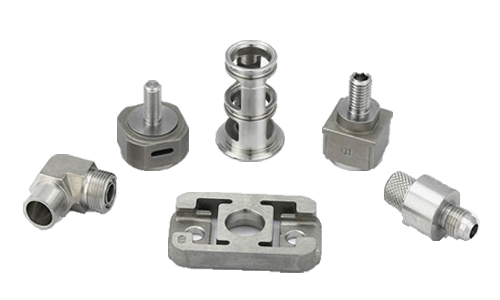
Non-ferrous metals play a key role in machinery and industrial equipment due to their machinability and predictable performance under mechanical stress. Components such as housings, bearings, valves, and precision fittings are often produced from aluminum, bronze, or nickel-based alloys.
These materials are selected not only for strength but also for their ability to maintain dimensional accuracy during operation. In equipment exposed to heat, friction, or chemical agents, non-ferrous metals offer stable performance where ferrous alternatives may suffer from corrosion or excessive wear.
Energy and Power Generation Sector
In the energy sector, non-ferrous metals are integral to both conventional and renewable power systems. Copper and aluminum are fundamental materials in generators, transformers, and transmission networks due to their conductive efficiency.
Nickel and titanium alloys are commonly used in power generation equipment that operates under high temperatures or corrosive conditions, such as chemical processing facilities and thermal power plants. Their resistance to oxidation and material fatigue supports long-term, continuous operation with reduced maintenance requirements.
Aerospace and High-Performance Engineering
In aerospace and other high-performance engineering fields, non-ferrous metals are selected for applications where weight, strength, and reliability must be carefully optimized. Aluminum and titanium alloys are widely used in structural components, fasteners, and load-bearing systems due to their strength-to-weight advantages.
These materials support strict safety standards and performance tolerances while contributing to overall efficiency. Their stable behavior under extreme temperature variations and mechanical loads makes them suitable for highly regulated engineering environments.
Benefits of Using Non-Ferrous Metals
The widespread use of non ferrous metals in modern manufacturing is not accidental. Their adoption is driven by clear, measurable benefits that influence engineering decisions, production efficiency, and long-term operational performance. When manufacturers compare ferrous vs non ferrous metals, these advantages often become decisive factors in material selection.
Long-Term Durability and Corrosion Resistance
One of the most significant advantages of non ferrous metals is their ability to maintain structural integrity over long service periods. Because non ferrous metals do not contain iron, they are naturally resistant to rust and many forms of chemical corrosion. This durability reduces the risk of premature material failure in demanding environments.
In practical terms, this means components made from non ferrous metals require less frequent replacement and maintenance. For manufacturers and end users alike, corrosion resistance translates directly into lower lifecycle costs and more predictable performance over time.
Stable Performance in Challenging Environments
Non ferrous metals are valued for their stability under conditions where ferrous metals may degrade or lose reliability. High humidity, temperature variation, chemical exposure, and outdoor operation can all accelerate wear in ferrous materials.
By contrast, non ferrous metals tend to maintain consistent mechanical and physical properties across a wide range of operating conditions. This stability is particularly important in industrial systems where performance fluctuations can affect safety, efficiency, or product quality.
Lightweight Design and Structural Efficiency
Another key benefit of non ferrous metals is their contribution to lightweight design. Compared to many ferrous metals, non ferrous materials such as aluminum, magnesium, and titanium offer lower density while still providing sufficient strength for structural applications.
This weight reduction improves efficiency in transportation, machinery, and mechanical systems. Lighter components reduce energy consumption, simplify handling during installation, and enable more flexible design solutions without compromising functional requirements.
Improved Electrical and Thermal Performance
Many non ferrous metals offer superior electrical and thermal performance compared to ferrous alternatives. This is a major reason why non ferrous metals are widely used in electrical systems, heat transfer equipment, and energy-related applications.
Efficient conductivity reduces energy loss, improves system responsiveness, and enhances overall operational efficiency. When comparing ferrous and non ferrous metals, these performance advantages are often decisive in applications where heat dissipation or electrical reliability is critical.
Manufacturing Flexibility and Process Efficiency
From a production standpoint, non ferrous metals provide notable advantages in terms of processing and manufacturability. Many non ferrous metals can be cast, machined, formed, or welded with high precision and repeatability.
Their predictable behavior during manufacturing allows for tighter tolerances and more consistent quality control. In addition, lower melting points and favorable machining characteristics can reduce tool wear and energy consumption, improving overall process efficiency.
Material Versatility Across Applications
Non ferrous metals are not limited to a narrow range of uses. Instead, they support a wide spectrum of industrial applications, from structural components to precision parts. This versatility allows manufacturers to standardize material choices while still meeting diverse performance requirements.
When engineers evaluate the difference between ferrous and non ferrous metals, this adaptability often positions non ferrous materials as practical, long-term solutions rather than specialized alternatives.
Environmental Impact of Non-Ferrous Metals
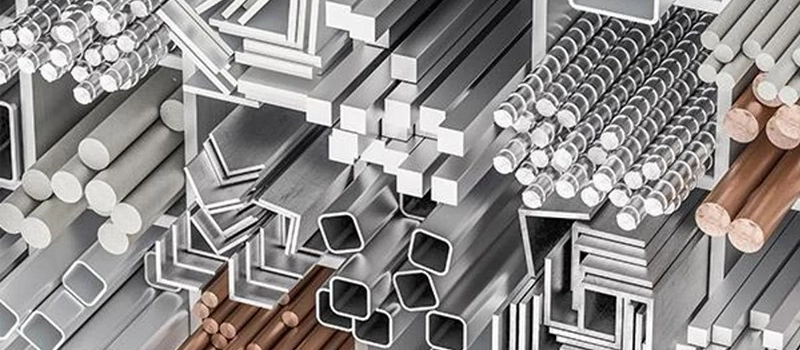
The environmental impact of metallic materials must be evaluated from multiple perspectives, including resource extraction, production processes, material performance during use, and end-of-life behavior. In this context, metals that do not rely on iron as a base element present a distinct environmental profile that differs significantly from traditional ferrous materials.
Resource Extraction and Raw Material Considerations
The extraction of metal ores inevitably affects natural ecosystems, regardless of material type. Many non-iron metals are sourced from bauxite, copper ores, nickel laterites, and other mineral deposits that require energy-intensive mining and refining processes.
However, these materials are often extracted in smaller volumes compared to bulk ferrous materials, and their higher unit value encourages more efficient resource utilization. In industrial practice, this means less material waste during processing and a stronger incentive to recover and reuse valuable metal content.
Energy Consumption During Production
Metal production is closely linked to energy use, and the environmental footprint of a material is heavily influenced by how it is processed. Some non-iron metals require high energy input during primary refining, particularly during smelting and electrolytic processes.
At the same time, many of these materials benefit from lower melting points and improved process efficiency during secondary manufacturing operations such as casting, forming, and machining. This balance means that while initial production may be energy-intensive, downstream processing often offsets part of the environmental cost through reduced operational energy demand.
Durability and Service Life as Environmental Factors
Material longevity plays a critical role in environmental performance. Metals that resist corrosion, fatigue, and degradation contribute to longer product lifecycles and reduced replacement frequency.
Because many non-iron materials maintain stable properties over extended periods, they help reduce the environmental burden associated with frequent maintenance, part replacement, and material disposal. From an environmental perspective, durability is not only a technical advantage but also a sustainability factor that influences total material consumption over time.
Impact on Maintenance and Surface Treatment
Another environmental consideration is the need for surface protection and maintenance. Ferrous materials often require coatings, paints, or chemical treatments to prevent corrosion, all of which introduce additional environmental impact through chemical use and periodic reapplication.
By contrast, many non-iron materials rely on naturally forming protective layers or inherent chemical stability. This reduces the dependence on surface treatments and lowers the long-term environmental footprint associated with maintenance operations.
Emissions and Waste Management
During manufacturing, emissions and by-products must be managed responsibly. Processing metals such as aluminum, copper, and zinc generates slag, dust, and gaseous emissions that require proper control and treatment.
Modern production systems increasingly integrate emission control technologies and waste recovery methods to minimize environmental impact. The high recoverability of metal residues also supports closed-loop material systems, where by-products are reintroduced into production rather than discarded.
Recycling Non-Ferrous Metals: Process and Importance
Recycling plays a central role in the industrial lifecycle of non-ferrous materials. Unlike many other raw materials, these metals can be recovered and reused repeatedly without significant loss of mechanical or chemical properties. This characteristic makes recycling not only feasible, but economically and technically essential across global manufacturing systems.
Collection and Sorting of Non-Ferrous Materials
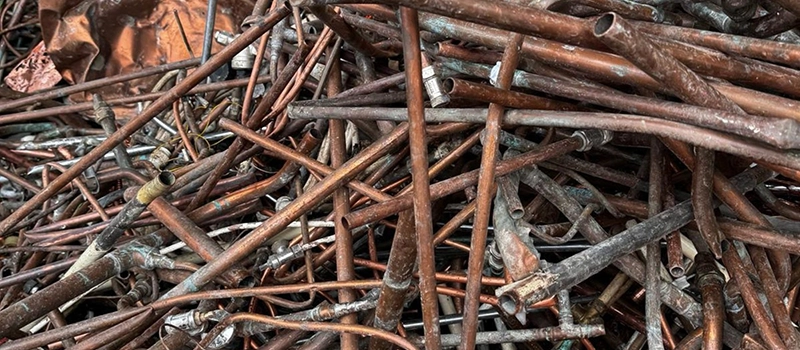
The recycling process begins with collection and sorting. Scrap materials originate from manufacturing offcuts, end-of-life products, construction waste, and obsolete equipment. Accurate separation at this stage is critical, as different metals require different downstream processing routes.
Non-ferrous scrap is typically sorted using a combination of mechanical separation, density-based methods, and sensor technologies. Magnetic separation is often used to remove ferrous contamination, while advanced techniques such as eddy current separation help isolate aluminum and other conductive materials. Effective sorting improves recovery efficiency and preserves material quality.
Processing and Refining Stages
Once sorted, recycled materials undergo processing to remove impurities and prepare them for remelting. This stage may include crushing, shredding, cleaning, and surface treatment to eliminate coatings, oils, or non-metallic residues.
The refined scrap is then melted under controlled conditions. Compared to primary metal production, recycling generally requires significantly less energy, particularly for aluminum and copper-based materials. Careful control of temperature and composition ensures that recycled metal meets required performance standards for industrial reuse.
Quality Control and Material Consistency
Maintaining consistent material quality is a key concern in recycling operations. Chemical composition, impurity levels, and mechanical performance must be closely monitored to ensure that recycled output matches the specifications required for manufacturing.
Modern recycling facilities employ spectrometric analysis and process controls to verify alloy composition before casting or forming. This allows recycled non-ferrous material to be reintroduced into high-value applications rather than being limited to low-grade uses.
Industrial Importance of Recycling Non-Ferrous Metals
From an industrial perspective, recycling is not simply an environmental practice—it is a strategic supply consideration. Many non-ferrous materials rely on limited or geographically concentrated ore resources. Recycling reduces dependence on primary extraction and helps stabilize material supply chains.
In addition, recycled metal often retains a significant portion of its original value. This economic incentive supports well-developed scrap markets and encourages efficient material recovery across industries such as automotive manufacturing, construction, and electronics.
Energy Efficiency and Emissions Reduction
Recycling contributes directly to energy efficiency within the metal industry. Producing metal from recycled feedstock typically consumes far less energy than primary smelting and refining. This reduction in energy demand leads to lower associated emissions and decreased operational costs.
For manufacturers, integrating recycled material into production does not necessarily require sacrificing performance. When properly processed, recycled non-ferrous metals can meet the same functional requirements as primary materials while offering measurable efficiency advantages.
The Future of Non Ferrous Metals in Manufacturing
The role of non-ferrous materials in manufacturing is evolving alongside changes in technology, production systems, and material engineering requirements. Rather than being driven by trends alone, their future importance is shaped by measurable performance needs, supply considerations, and manufacturing efficiency.
Increasing Demand for Lightweight and High-Performance Materials
One of the most persistent drivers influencing material selection is the demand for lightweight structures without compromising mechanical reliability. As manufacturing systems continue to prioritize efficiency, materials that offer favorable strength-to-weight ratios remain highly relevant.
Aluminum, magnesium, and titanium alloys are expected to see continued use in applications where reducing mass improves system performance, energy efficiency, or operational stability. This demand is not limited to transportation industries but extends to machinery, automation equipment, and structural components.
Advances in Alloy Development and Material Engineering
Future progress in manufacturing will rely heavily on improved alloy design rather than entirely new base metals. Advances in metallurgical control, alloying techniques, and process simulation allow engineers to fine-tune mechanical properties, corrosion resistance, and thermal behavior to meet increasingly specific requirements.
These developments expand the functional range of existing materials, enabling them to replace more traditional options in demanding environments. As alloy systems become more specialized, material selection will rely less on general categories and more on performance-driven specifications.
Integration with Modern Manufacturing Processes
Manufacturing technologies continue to evolve toward higher precision and greater automation. Materials that demonstrate consistent behavior during casting, machining, forming, and joining processes are better suited to these production environments.
Non-iron-based metals generally align well with modern manufacturing requirements due to their predictable processing characteristics and compatibility with advanced machining and forming methods. Their adaptability supports integration into digitally controlled and high-repeatability production systems.
Supply Chain Stability and Material Efficiency
Material availability and supply stability are becoming increasingly important considerations in manufacturing planning. Many industries seek to reduce dependency on single-source raw materials and improve the resilience of their supply chains.
The high recyclability and retained value of non-ferrous materials support more flexible sourcing strategies. As recycled feedstock becomes a larger share of material supply, manufacturers gain additional options to manage cost, availability, and production continuity.
Regulatory and Performance Standards Influence
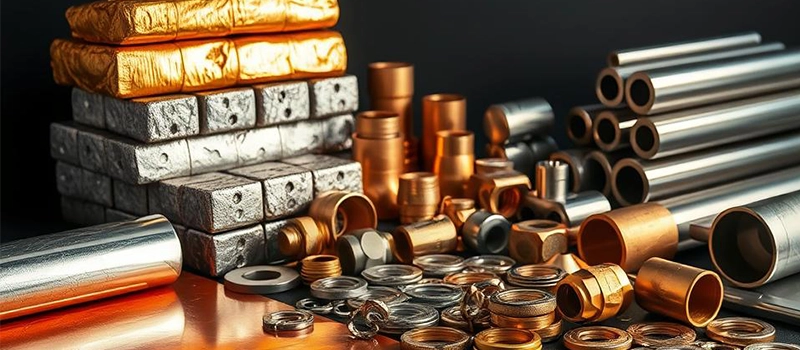
Future material selection will also be shaped by evolving technical and regulatory standards. Requirements related to durability, safety, and efficiency increasingly influence design decisions across industries.
Materials that can meet these standards without extensive secondary treatment or complex protective measures offer practical advantages. This reinforces the continued use of non-ferrous materials in applications where reliability and long-term compliance are essential.
Conclusion: The Importance of Non-Ferrous Metals in Modern Society
Non ferrous metals play a fundamental role in modern manufacturing by supporting durability, efficiency, and material reliability. Their performance characteristics, processing flexibility, and recyclability make them essential materials across a wide range of industrial systems. As manufacturing continues to evolve, these materials remain integral to both current applications and future development.