“Bronze was the first alloy known to man and is still essential in the modern world.” — International Journal of Materials Research
Bronze alloy, known as one of the oldest engineered metals in human history, continues to serve vital roles in today’s manufacturing, from aerospace components to industrial machinery. But what exactly is bronze made of? Why does this ancient alloy remain so relevant in modern industries?
What Is Bronze Alloy?
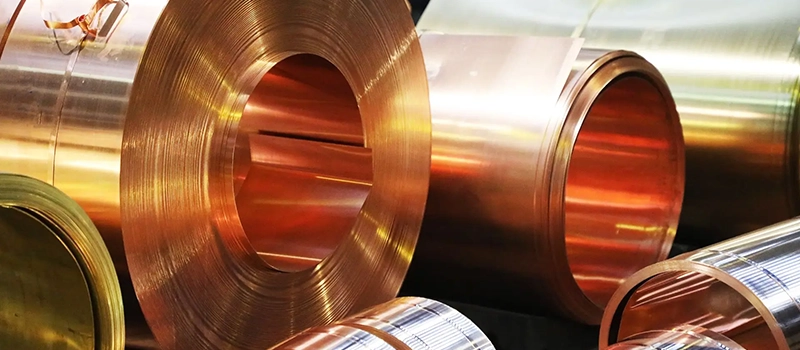
Bronze alloy is a metal made primarily from copper (Cu) and tin (Sn). It is one of the earliest alloys developed by humans, dating back over 5,000 years. Unlike pure metals, an alloy is a mixture of two or more elements, where at least one is a metal. The purpose of alloying is to enhance properties like strength, corrosion resistance, hardness, or workability.
In the case of bronze, copper is the base metal, and tin is the primary alloying element. However, modern bronze alloys may also include elements such as aluminum, silicon, phosphorus, manganese, or nickel, depending on the intended use.
For example:
- Aluminum bronze contains aluminum and offers superior corrosion resistance, especially in marine environments.
- Silicon bronze adds silicon to improve strength and castability.
- Phosphor bronze includes small amounts of phosphorus to enhance wear resistance and stiffness.
In terms of classification, bronze is part of the copper alloy family. While brass (another copper alloy) is made by combining copper with zinc, bronze is specifically defined by its composition with tin or other non-zinc elements.
A typical bronze alloy might contain:
- Copper: 88–95%
- Tin: 5–12%
- With trace additions of aluminum, manganese, phosphorus, or silicon for specialized applications.
Because of its metallurgical structure, bronze is generally harder and more wear-resistant than pure copper, and it resists corrosion better than iron or steel—especially in moist or salty environments.
Its microstructure is typically a substitutional alloy, where atoms of tin or other metals replace some of the copper atoms in the crystalline lattice. This atomic arrangement enhances mechanical strength without drastically reducing ductility.
From a metallurgical perspective, bronze alloy is not just a historic material—it’s a technically engineered solution that remains relevant because of its customizable formulation and performance.
Common Types of Bronze Alloys and Their Compositions
Bronze alloy is not a single, fixed material—it’s a family of copper-based alloys customized through the addition of other elements like tin, aluminum, silicon, or phosphorus. Each type of bronze alloy offers different mechanical, chemical, and physical properties tailored to specific applications.
Below is a detailed breakdown of the most common bronze alloys used in modern manufacturing:
🟤 Tin Bronze
Composition:
- Copper (Cu): 88–95%
- Tin (Sn): 5–12%
Overview:
Tin bronze is the traditional and most historical form of bronze. Adding tin to copper increases strength and hardness while maintaining excellent corrosion resistance.
Typical Applications:
- Bearings and bushings
- Springs
- Sculptures
- Valves and fittings
Notes:
Some grades include small amounts of lead for improved machinability and lubrication (e.g., C93200).
🟤 Phosphor Bronze
Composition:
- Copper: 88–94%
- Tin: 4–8%
- Phosphorus: 0.01–0.5%
Overview:
Phosphorus enhances wear resistance, fatigue strength, and stiffness. It also improves casting and forming performance.
Common Uses:
- Electrical connectors and contacts
- Springs
- Fasteners
- Bushings
Advantages:
Excellent durability and anti-fatigue performance, widely used in high-stress applications.
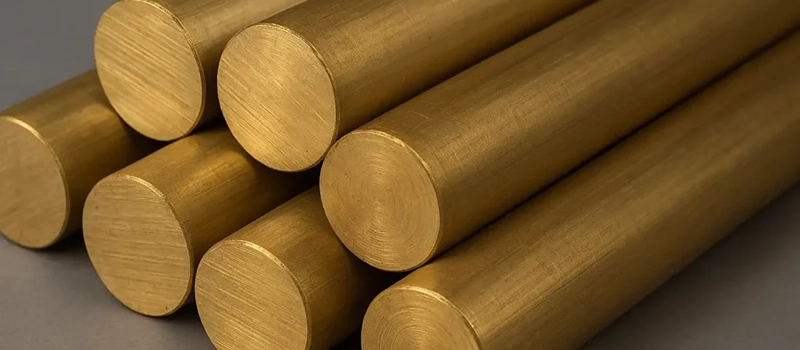
🟤 Aluminum Bronze
Composition:
- Copper: 75–90%
- Aluminum: 5–12%
- Iron, Nickel, Manganese: trace levels
Overview:
Aluminum bronze is known for its high strength and exceptional resistance to corrosion, particularly in saltwater and marine environments.
Applications:
- Ship propellers
- Aerospace bushings
- Pump components
- Valve bodies
Variants:
- Nickel Aluminum Bronze (NAB): adds nickel to enhance toughness and oxidation resistance.
🟤 Silicon Bronze
Composition:
- Copper: 94–96%
- Silicon: 2–4%
- Small amounts of manganese, zinc
Overview:
Silicon bronze is known for its excellent corrosion resistance and weldability. It offers good strength and aesthetic appearance.
Uses:
- Architectural elements
- Fasteners
- Artistic castings
- Marine hardware
- Welding filler metal
Benefits:
Smooth surface finish, high strength-to-weight ratio, and stable conductivity.
🟤 Manganese Bronze
Composition:
- Copper: ~60%
- Zinc: 20–25%
- Manganese: 1–5%
- Iron, Aluminum: small percentages
Overview:
Despite the name, manganese bronze is a high-strength brass with bronze-like properties. It combines the hardness of zinc with the toughness of manganese.
Used In:
- Heavy-duty gears
- Hydraulic equipment
- Thrust washers
- Marine fittings
Note:
Common in industrial applications needing both strength and machinability.
🟤 Leaded Bronze
Composition:
- Copper: 80–90%
- Tin: 4–10%
- Lead: 2–10%
Overview:
Leaded bronze offers superior lubricity and machinability, making it ideal for high-load, low-speed applications.
Used For:
- Bearings
- Bushings
- Wear plates
Caution:
Due to environmental concerns, leaded alloys are restricted in some applications.
🟤 Nickel Bronze (Nickel-Tin Bronze)
Composition:
- Copper: 85–90%
- Tin: 5–8%
- Nickel: 2–5%
Overview:
Nickel boosts strength and corrosion resistance while maintaining good electrical conductivity.
Applications:
- Electrical connectors
- Marine hardware
- Aerospace structures
Highlight:
High resistance to seawater and stress corrosion cracking.
🟤 Specialty Bronzes
These are less common but designed for niche applications:
- Black Bronze: Used in artistic finishes and architectural hardware.
- Silver Bronze: Contains silver to improve electrical conductivity.
- Red Brass (sometimes classified as bronze): High in zinc, good for valves and fittings.
- Bronze-Steel Alloy: A rare combination used in military and structural engineering.
- Bronze-Zinc Alloy: Technically closer to brass, but still used in some bronze-grade specifications.
Common Uses of Bronze Alloys in Various Industries
Bronze alloy has earned its place in modern industry not just because of history, but because of its reliable performance, material versatility, and engineering value. While ancient civilizations used bronze for tools, weapons, and art, today’s bronze alloys are used in highly specialized applications across key industrial sectors.
Here are the major industries where bronze alloys are widely used:
⚙️ Manufacturing & Machinery
Bronze alloys—especially phosphor bronze, leaded bronze, and aluminum bronze—are extensively used in machinery for parts that require low friction, high wear resistance, and durability under load.
Common components include:
- Bearings and bushings
- Gears and worm wheels
- Valve seats and guides
- Hydraulic pump components
Because bronze has self-lubricating properties, it’s ideal for moving parts under heavy load or in applications where regular maintenance is difficult.
🚢 Marine Industry
The marine environment demands materials with exceptional corrosion resistance, especially against saltwater. That’s why aluminum bronze and nickel aluminum bronze are preferred in shipbuilding and offshore platforms.
Used for:
- Propellers
- Pump impellers
- Valve bodies
- Marine shafts
- Heat exchangers
Bronze outperforms steel in these conditions due to its resistance to biofouling, dezincification, and chloride-induced corrosion.
✈️ Aerospace
In aerospace, weight-to-strength ratio and corrosion resistance are critical. Bronze alloys such as aluminum bronze and phosphor bronze are used for:
- Landing gear components
- Bearings and bushings in control systems
- Hydraulic system parts
- Fasteners and brackets
Aerospace-grade bronze alloys are often certified for high fatigue resistance and dimensional stability under thermal stress.
🔧 Automotive and Transportation
Bronze is frequently used in engines, brakes, and transmissions, particularly for its thermal conductivity, wear resistance, and formability.
Examples include:
- Bronze valve guides
- Brake components
- Transmission bushings
- Engine thrust washers
Phosphor bronze and leaded bronze provide ideal solutions where metal-to-metal contact must be minimized.
🏗️ Construction and Architecture
Silicon bronze and red bronze (also known as red brass) are prized in architecture for their visual appeal, resistance to tarnish, and easy casting.
Applications include:
- Door handles and hinges
- Window frames
- Sculptures and statues
- Railings and trim hardware
These bronze alloys also offer excellent weldability, making them suitable for custom fabrications and decorative elements.
⚡ Electrical and Electronics
Bronze is electrically conductive, and phosphor bronze in particular is widely used for:
- Electrical connectors
- Springs
- Terminals
- Fuse clips
- Switch contacts
Phosphor bronze maintains its properties even under continuous stress, making it perfect for connectors that require repeated movement or force.
🧪 Oil, Gas & Chemical Processing
Nickel aluminum bronze and aluminum bronze are frequently used in aggressive environments with chemicals, acids, and extreme temperatures.
Used in:
- Valve stems and bodies
- Pump housings
- Fittings and gaskets
- Heat exchanger tubes
Their resistance to chemical corrosion makes them ideal for critical safety and process equipment.
🎨 Art, Design & Musical Instruments
Artistic and musical applications still rely on bronze for its aesthetic, acoustic, and workable properties.
Examples:
- Bronze sculptures and monuments
- Cymbals, bells, and gongs (often made from tin bronze)
- Cast art pieces with patina finishes
These use cases are not just decorative—they showcase bronze’s versatility even in creative fields.
Advantages of Using Bronze Alloys
Why do engineers, manufacturers, and designers still choose bronze alloy in the age of advanced composites and high-performance steels? The answer lies in its unique balance of properties, adaptability, and centuries of proven performance.
Below are the key advantages of using bronze alloys in industrial and commercial applications:
✅ Excellent Corrosion Resistance
One of the most well-known benefits of bronze alloys—especially aluminum bronze, silicon bronze, and nickel aluminum bronze—is their outstanding resistance to corrosion, including:
- Saltwater (marine environments)
- Acids and industrial chemicals
- Atmospheric oxidation
This makes bronze ideal for parts exposed to moisture, chemicals, or extreme weather over long periods.
✅ Low Friction and Self-Lubrication
Bronze alloy—particularly phosphor bronze and leaded bronze—has a naturally low coefficient of friction. This property reduces wear during metal-to-metal contact and minimizes the need for external lubrication.
This makes it a preferred material for:
- Bearings
- Bushings
- Sliding components
In many cases, bronze bushings last longer and require less maintenance than plastic or steel alternatives.
✅ High Wear Resistance and Strength
Despite being softer than steel, many bronze alloys are extremely durable, especially when alloyed with elements like tin, aluminum, or nickel.
- Tin bronze provides good strength with excellent machinability.
- Manganese bronze is used for high-load, high-wear applications due to its toughness.
Bronze components maintain their shape, surface, and structural integrity even under repeated stress and friction.

✅ Non-Sparking and Safe
Bronze alloys are non-sparking, meaning they do not emit sparks when struck against hard surfaces. This is critical in environments where flammable gases or vapors are present, such as:
- Oil and gas refineries
- Chemical processing plants
- Mining operations
Tools and components made from aluminum bronze are widely used for explosion-proof operations.
✅ Good Electrical and Thermal Conductivity
While not as conductive as pure copper, bronze alloys—especially phosphor bronze—still provide stable electrical performance under stress and corrosion. This is important in:
- Springs
- Terminals
- Connectors
- Circuit components
In addition, bronze’s thermal conductivity helps dissipate heat in mechanical systems, extending the life of parts.
✅ Easy to Cast, Machine, and Weld
Bronze has excellent casting properties, especially silicon bronze, making it easy to form complex shapes with fine detail and minimal porosity.
It also offers:
- Good machinability for high-precision parts
- Strong weld joints (especially with silicon bronze wire)
- Predictable behavior during fabrication
This combination saves time and cost in production—ideal for OEM custom manufacturing.
✅ Long-Term Value and Low Maintenance
Thanks to its corrosion resistance and structural integrity, bronze alloy components often have a longer service life than steel or iron counterparts. This reduces:
- Downtime
- Maintenance costs
- Replacement frequency
In environments where reliability matters—like marine, aerospace, and energy—this long-term value is a major advantage.
✅ Aesthetic Appeal and Surface Finish
Beyond functionality, bronze offers a beautiful finish that ranges from warm gold to deep reddish-brown tones. It ages gracefully and can develop a natural patina that protects the surface while enhancing its look.
This makes it a favorite in:
- Architectural design
- Decorative elements
- Sculptural work
Conclusion
Bronze alloy remains one of the most versatile and reliable materials in modern manufacturing. Its wide range of compositions—whether it’s tin bronze, aluminum bronze, or silicon bronze—allows it to meet the diverse demands of industries like marine, aerospace, automotive, and construction.
Thanks to its exceptional corrosion resistance, low friction, high strength, and castability, bronze is more than just a historical material—it’s a forward-looking solution for today’s engineering challenges.
Whether you’re sourcing OEM bronze parts or exploring custom alloy casting, understanding the types, properties, and advantages of bronze alloys is key to making informed, cost-effective decisions.