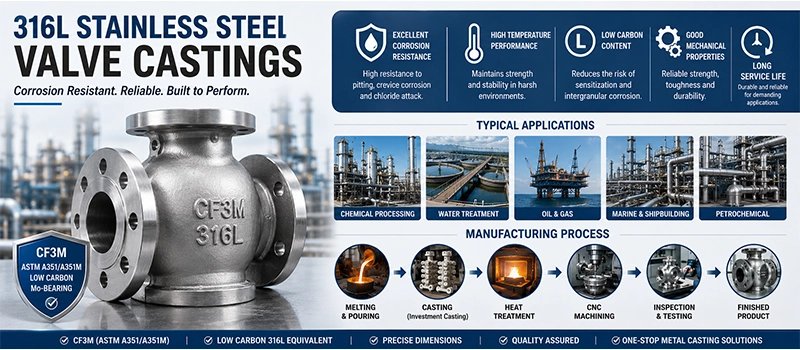
“According to the European REACH regulation, metal components must undergo anti-corrosion treatment before export to avoid oxidation failures during transportation and storage.”
In this article, as the head of a metal manufacturing factory, I will walk you through how we use rust inhibitors during casting, machining, and packaging to prevent corrosion.
With years of export experience, we understand how to apply the right type of rust inhibitor based on material type, shipping duration, and end-use scenario.
If you’ve ever received rusty parts from a supplier, this guide will help you understand how professional factories like ours ensure corrosion-free delivery.
Why Rust Is a Critical Issue in Metal Manufacturing
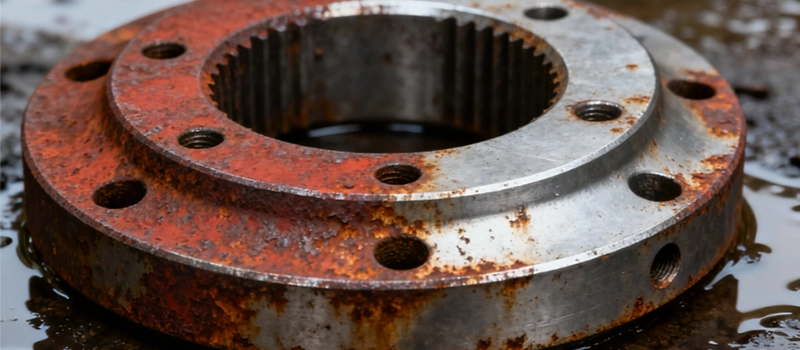
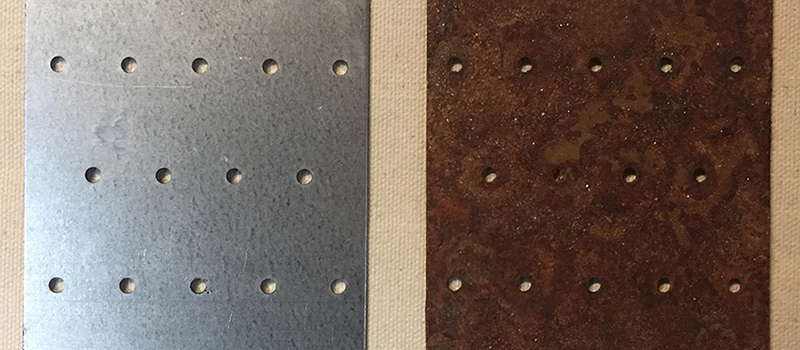
Rust, or iron oxide, forms when iron or steel reacts with oxygen and moisture in the environment. This chemical reaction, known as oxidation, is a persistent challenge in metal manufacturing and can begin at any point—from production to storage, transport, or even during short-term handling. Once rust forms, it compromises not just the surface appearance of the metal but its structural integrity, performance, and lifespan.
In industries where precision, strength, and durability are non-negotiable, rust is more than a cosmetic flaw—it is a failure point. For example, in automotive components, corrosion on a machined surface can prevent proper assembly or reduce fatigue resistance. In construction, a rusted anchor or bracket could degrade faster under load-bearing conditions. In petrochemical equipment, rust could become a serious safety hazard.
The materials most susceptible to rust include carbon steel, low-alloy steels, and unfinished ferrous parts. While stainless steel and coated metals have higher corrosion resistance, they are not immune—particularly in environments with high humidity, salt exposure, or chemical contaminants. Even microscopic surface damage or residual stress can become initiation points for corrosion.
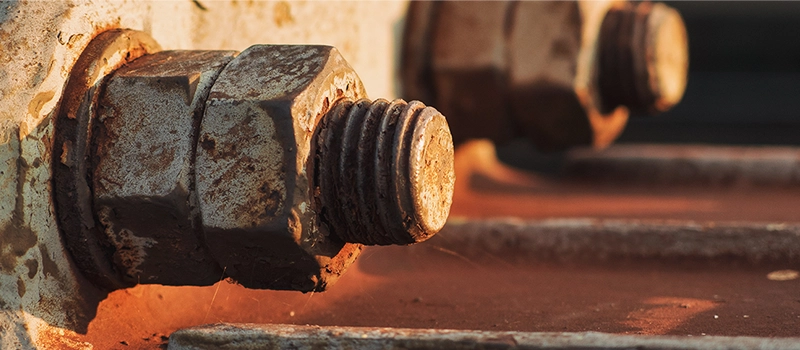
Environmental factors are also a major contributor. Long-distance shipping, particularly by sea, exposes metal parts to salt air, condensation, and fluctuating temperatures. In such conditions, the absence of adequate corrosion protection can lead to oxidation within days or even hours.
This is why rust prevention must be treated as an integral part of the manufacturing process. It’s not a secondary concern or post-production afterthought. From raw material handling to final packaging, every stage presents an opportunity for oxidation to begin. Without consistent, scientifically informed control measures, the risk of corrosion—and the costs it brings—will always be present in metalworking.
What Is a Rust Inhibitor and How Does It Work on Metal Parts?
A rust inhibitor is a chemical substance specifically designed to prevent the oxidation of metal surfaces. It works by forming a protective barrier between the metal and environmental elements such as air, moisture, or corrosive agents. This barrier can be physical, chemical, or both, depending on the formulation of the rust inhibitor and the way it is applied.
There are many types of rust inhibitors, but all share a common goal: to slow down or completely stop rust formation on vulnerable metal components. In the context of industrial metal manufacturing, a rust inhibitor is not a luxury—it is a necessity. From raw steel bars to precision-machined parts, every exposed metal surface is a potential site for corrosion. Using an effective rust inhibitor ensures these surfaces remain stable and uncontaminated throughout handling, storage, and transportation.
Rust inhibitors are particularly valuable in the following situations:
- During interim storage, when metal parts are kept for days or weeks before further processing
- After machining, when newly cut surfaces are especially prone to oxidation
- Before long-distance shipment, especially overseas transport that involves humidity, salt air, and temperature fluctuations
- On bare or uncoated metals, such as untreated carbon steel or exposed weld seams
The action mechanism of a rust inhibitor depends on its type. Oil-based rust inhibitors create a hydrophobic layer that repels water and prevents oxygen penetration. Water-based rust inhibitors often include corrosion-inhibiting compounds that chemically passivate the metal surface. Some rust inhibitors are paintable, offering both corrosion resistance and a primed surface for finishing. Others come as clear rust inhibitor coatings or spray-on rust inhibitors that are easily applied and removed as needed.
It’s important to distinguish a rust inhibitor from a rust converter. A rust inhibitor is preventative—it stops rust from forming in the first place. A rust converter, on the other hand, is used after rust has already appeared, transforming iron oxide into a more stable compound. While both have roles in corrosion control, only a rust inhibitor offers true preventive protection.
The effectiveness of a rust inhibitor also depends on proper application. Surface preparation, concentration, film thickness, and compatibility with the base metal all influence how well a rust inhibitor performs. If applied correctly, a high-quality rust inhibitor can extend the lifespan of metal parts significantly, reduce maintenance costs, and improve product reliability across a wide range of industries.
In industrial practice, choosing the right rust inhibitor is part science, part strategy. It requires understanding the operating environment, material properties, and performance expectations. And most importantly, it requires consistent implementation—not just occasional use.
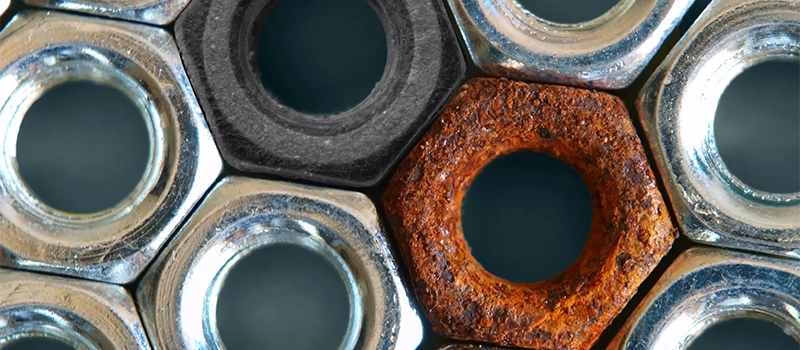
Where Rust Inhibitors Are Applied in the Metal Manufacturing Process
The application of a rust inhibitor is not a single-step action but a coordinated part of multiple stages in the metal manufacturing workflow. Depending on the type of product, material, and destination, rust inhibitors can be applied at several key transition points—each serving a distinct role in corrosion control.
After Casting or Forging
Freshly cast or forged metal components typically have scale, oxide layers, or surface roughness that make them susceptible to moisture retention. Once cleaned or blasted, the bare metal is highly reactive. A rust inhibitor is often applied immediately after surface treatment to protect the part before further machining. This is particularly important for components that may sit in inventory or transit between process stations.
A temporary rust inhibitor at this stage prevents oxidation while allowing for future processing. These inhibitors can later be washed off with alkaline solutions or solvents, leaving the surface clean for downstream treatments like CNC machining or coating.
During CNC Machining or Post-Processing
Precision-machined parts expose raw metal surfaces that are especially vulnerable to flash rusting, especially in humid environments. Machining fluids may contain some anti-corrosive agents, but these are not always sufficient for long-term protection. To address this, a rust inhibitor spray or oil-based rust inhibitor may be applied immediately after machining and cleaning.
For high-precision parts that will be assembled or coated later, it is critical to use rust inhibitors that are non-reactive, residue-free, and easily removable, ensuring compatibility with tight tolerances and clean-room conditions.
Prior to Packaging and Shipment
Shipping is one of the most corrosion-prone phases, especially for international logistics. Long transit times, temperature changes, and exposure to salt-laden air during sea freight all accelerate oxidation. At this stage, a long-lasting rust inhibitor coating—such as a film-forming oil or a water-displacing clear coat—is applied to ensure the metal surface remains protected until it reaches its destination.
In some cases, the rust inhibitor is used in conjunction with vapor corrosion inhibitor (VCI) packaging, which releases anti-rust molecules into the sealed environment. This dual-layer protection is especially useful for rebar, automotive parts, and structural steel intended for export.
Each of these application points serves a unique purpose, and the choice of rust inhibitor must align with the functional and environmental demands of the product. Improper or inconsistent use can result in partial protection, leading to localized rust spots or surface contamination—both of which may compromise the performance or aesthetic quality of the final product.
In modern metal manufacturing, integrating rust inhibitor usage into standard operating procedures is not just best practice—it’s essential for quality assurance, compliance, and customer satisfaction.
Types of Rust Inhibitors Used in Metal Manufacturing
Different industrial environments and product requirements demand different rust inhibitor solutions. Selecting the appropriate type is not just about protection—it’s also about compatibility, removability, environmental impact, and downstream processing. The type of rust inhibitor applied depends on several variables: metal type, expected shelf life, transport conditions, and whether the part will undergo painting, welding, or assembly later.
Oil-Based Rust Inhibitors
Oil-based rust inhibitors are among the most commonly used in heavy industry. They create a robust, hydrophobic film that physically blocks moisture and air from reaching the metal surface. These rust inhibitors are ideal for parts exposed to long-term storage or harsh transport conditions.
They are especially useful on carbon steel and unfinished ferrous metals, where oxidation can occur rapidly. However, one limitation is that they often leave an oily residue that must be removed before further processing, such as coating or welding.
Many oil-based rust inhibitors also include additives that improve penetration into crevices and bolt holes, making them well-suited for complex assemblies.
Water-Based Rust Inhibitors
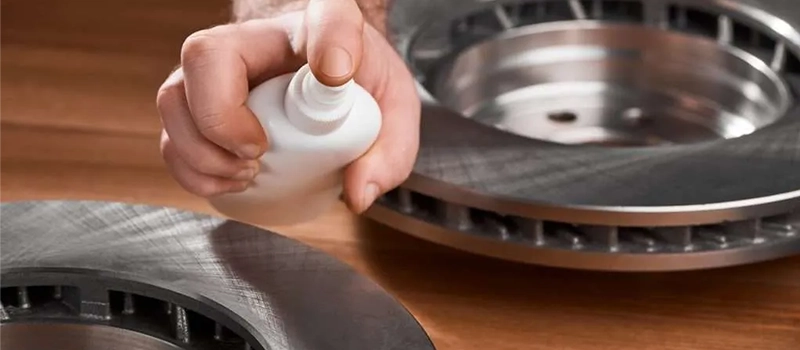
Water-based rust inhibitors offer an environmentally safer alternative. These are typically applied via dipping, spraying, or brushing and dry to a thin protective layer. While they don’t form as thick a barrier as oil-based types, they are easier to clean and compatible with processes that require clean, dry parts after protection.
Water-based rust inhibitors are often used for in-process protection or short-term storage, particularly in clean manufacturing environments where minimal residue is required.
Advanced formulations may also include biodegradable agents or low-VOC compounds to meet strict compliance standards.
Paintable Rust Inhibitors
For parts that require finishing, a paintable rust inhibitor is essential. These formulations not only protect against corrosion but also allow for excellent adhesion of primers or top coats. A paintable rust inhibitor will not interfere with curing or surface bonding and often acts as a pre-treatment primer.
This is common in sheet metal fabrication, automotive parts, and construction brackets, where anti-rust performance and paint compatibility must be balanced.
Clear-Coat and Temporary Rust Inhibitors
Some applications demand clear rust inhibitors, especially when visual inspection or branding markings must remain visible. These inhibitors dry to a transparent film that does not alter the appearance of the metal surface.
Temporary rust inhibitors, meanwhile, are designed for protection over short durations—such as between machining stages or during in-plant movement. These are often applied through mist spray systems and removed easily with water or solvents.
VCI-Enhanced Inhibitor Systems
For packaging and shipment, especially in high-humidity or marine environments, rust inhibitors can be used in combination with vapor corrosion inhibitors (VCIs). These systems slowly release anti-rust molecules in sealed environments, providing invisible yet effective protection for enclosed metal parts.
Some rust inhibitor formulations are even embedded into plastic films, wraps, or paper—used to line crates or cover pallets of steel, cast iron, or finished metal products.
The diversity of rust inhibitor types allows manufacturers to tailor corrosion protection strategies with precision. No single solution fits all applications, which is why understanding the material’s behavior, transit conditions, and final use is critical in choosing the right rust inhibitor.
How to Choose the Right Rust Inhibitor for Each Metal Part
Corrosion protection is not one-size-fits-all. Different metals react uniquely to environmental conditions, and each application comes with its own requirements. Choosing the correct protective treatment involves balancing material properties, handling conditions, storage duration, and post-processing needs.
Metal Type Matters
Mild steel and carbon steel are among the most vulnerable to oxidation. They lack inherent corrosion resistance and require immediate surface protection after machining or finishing. For these metals, film-forming solutions or oil-based protective layers are typically recommended.
Stainless steel, although more resistant, can still corrode—especially if exposed to chlorides or mechanical surface damage. In such cases, using a light, clean-compatible protective layer can help preserve surface integrity without interfering with welding or assembly.
Rebar and other structural steel elements used in construction often face months of outdoor exposure before installation. For these, the coating must be durable, weather-resistant, and able to handle rough handling during transport.
Consider the Shipping and Storage Environment
A major factor in determining the appropriate treatment is the duration and condition of shipping or storage. For export orders involving sea freight or extended warehousing, a more robust and long-lasting protective film is necessary. In contrast, for local delivery and fast-moving inventory, a temporary barrier might be sufficient.
High humidity, salt air, temperature fluctuations, and condensation are common threats during long-distance shipping. Selecting a corrosion-preventive product with proven performance under these conditions is essential to avoid surface deterioration before the parts reach their destination.
Intended Post-Treatment Processes
Another key consideration is whether the protected surface will undergo further processing. Some protective coatings are designed to be easily removed with solvents or alkaline washes, while others are engineered to remain and even serve as primers. If painting, welding, or adhesive bonding is involved, the compatibility of the anti-rust layer with those processes must be tested and confirmed.
In some applications, particularly in the automotive and appliance industries, coatings that are non-reactive and residue-free are a requirement—not an option. In those cases, water-based or clear-coat formulations with low contamination risk are preferred.
Regulatory and Environmental Requirements
Compliance is another growing concern. Protective treatments must meet international standards such as REACH, RoHS, and CE regulations, especially when parts are exported to Europe or North America. Environmental factors such as VOC content, biodegradability, and disposal method also influence the decision-making process.
Some newer formulations offer protection with reduced environmental impact, making them attractive for manufacturers focused on sustainability or operating under strict local policies.
Challenges in Corrosion Protection and How They Are Addressed
Preventing corrosion in industrial metal production involves more than just applying a protective layer. There are real-world challenges that manufacturers must navigate to ensure both surface integrity and downstream compatibility. These challenges often stem from material sensitivity, process integration, shipping conditions, and evolving compliance standards.
Interference with Welding, Painting, or Adhesion
One common issue with surface protection is residue buildup that can interfere with subsequent operations. Oily or waxy coatings, while excellent at moisture resistance, can negatively affect paint adhesion or create problems during welding. If not properly removed, these residues can lead to defects in coated finishes or poor bonding in structural applications.
To address this, many producers opt for temporary treatments that can be easily cleaned prior to finishing. These coatings leave minimal residue and are designed to evaporate, rinse off, or break down with neutral solutions. This ensures surfaces are preserved during transit or storage but remain fully processable when needed.
Overlapping with Packaging Materials
Another complication arises when surface treatment is poorly coordinated with packaging methods. Even a high-quality protective product can be compromised if incompatible packaging materials—such as plastic wraps that trap moisture—are used. Instead of preventing corrosion, this combination can accelerate it.
Modern corrosion control strategies often pair film coatings with vapor-phase protection, such as VCI (vapor corrosion inhibitor) bags or wraps. These materials release harmless vapors that neutralize oxidation triggers inside the package, providing an added layer of defense. Proper integration of coating and packaging helps maintain dryness, cleanliness, and metal stability throughout long shipments.
Environmental and Safety Considerations
Stricter environmental regulations have changed the formulation landscape. Many traditional anti-rust solutions relied on solvents or heavy metals, which are now restricted under REACH and RoHS directives. There is growing demand for low-VOC, biodegradable, and non-toxic alternatives that still offer reliable performance.
The shift toward sustainable options requires careful evaluation of formulation compatibility, longevity, and application methods. Manufacturers must balance performance with environmental responsibility, which often includes investing in updated equipment or changing operating procedures.
Inconsistencies in Application
Manual errors or uneven coverage can result in spot corrosion, especially on complex geometries like flanges, threaded holes, or recessed areas. These micro-environments often trap moisture and are difficult to inspect visually.
To solve this, automated spray systems, immersion tanks, or fogging techniques are increasingly used in large-scale production. These methods improve consistency, minimize missed areas, and reduce human error, particularly in high-volume or high-precision environments.

Conclusion: Corrosion Prevention as a Quality Standard
Corrosion control is not an optional enhancement in metal manufacturing—it’s a critical quality standard. From raw material handling to post-processing and final delivery, protecting metal surfaces against oxidation ensures functional reliability, appearance, and long-term value.
By understanding how different protective strategies work, when they should be applied, and how to select the right approach for each material and application, manufacturers and engineers can significantly reduce risk, costs, and failure rates.
Reliable surface protection is a hallmark of industrial responsibility—and a cornerstone of lasting product performance.