Is cobalt magnetic? Have you ever wondered why it’s used in jet engines, permanent magnets, or precision sensors? Manufacturers working with metals often need to know not just whether a material is magnetic—but how strongly, at what temperatures, and in what form. Getting it wrong could mean faulty performance in high-tech or industrial systems.
Cobalt is one of only three naturally magnetic elements at room temperature, alongside iron and nickel. Its magnetic properties remain stable at high temperatures, which makes it indispensable in specialized applications like magnetic alloys and aerospace components. Cobalt magnetic behavior is not just a physical curiosity—it’s a practical asset across industries.
According to the International Union of Pure and Applied Chemistry (IUPAC), “Cobalt exhibits ferromagnetic behavior and retains its magnetization at elevated temperatures, making it ideal for high-performance applications.” This unique stability sets cobalt apart and drives its wide industrial demand.
What Makes Cobalt Magnetic?
The Atomic Structure Behind Cobalt’s Magnetism
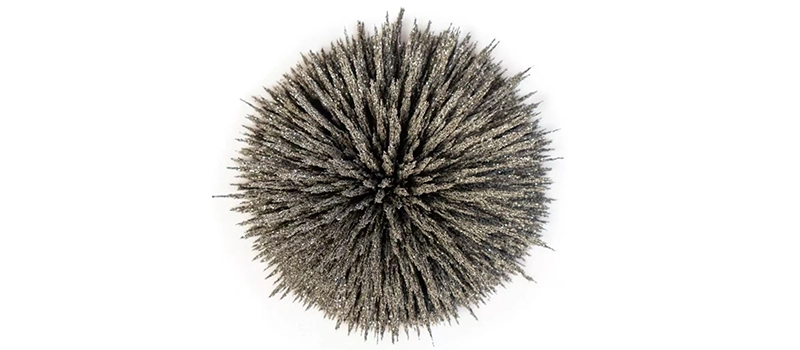
Cobalt’s magnetic nature begins at the atomic level. It is one of only three naturally ferromagnetic elements at room temperature—alongside iron and nickel. This cobalt magnetic property is the result of unpaired electrons in its 3d orbital. These electrons generate a magnetic moment, which aligns in domains within the metal to produce a consistent magnetic field.
Unlike paramagnetic materials, which become magnetic only in the presence of an external field, cobalt remains magnetized without outside influence. The strength and permanence of cobalt magnetic domains give it a valuable place in manufacturing and technology.
Cobalt vs. Iron and Nickel
All three ferromagnetic elements—cobalt, iron, and nickel—share similar traits, but cobalt stands out for its high magnetic stability at elevated temperatures. While iron may lose magnetism at relatively lower temperatures, cobalt retains its magnetic alignment up to its Curie point of approximately 1,121°C. This makes it particularly effective in high-heat environments where stable magnetic behavior is essential.
Compared to nickel, cobalt offers a stronger magnetic field and better thermal resilience. These distinctions often guide engineers to choose cobalt magnetic materials for specialized industrial applications.
Magnetic Domains and Alignment
Within cobalt, magnetic properties arise when regions of aligned electron spins, called magnetic domains, point in the same direction. These domains can be aligned permanently through magnetization, especially in cobalt alloys or engineered structures like samarium–cobalt magnets. The behavior of these domains can be influenced by alloying elements, grain structure, and thermal treatment.
The ability to manipulate cobalt’s magnetic domains during manufacturing is what makes it so useful in precision magnetic components. Proper processing ensures stability, repeatability, and field strength.
Why Cobalt Remains Magnetic at High Temperatures
Cobalt’s crystal structure—a hexagonal close-packed arrangement—helps retain its magnetic ordering at higher temperatures than many other metals. This structure supports strong magnetic interactions between atoms and resists thermal agitation, which usually disrupts domain alignment in lesser materials.
This thermal resistance is crucial in applications such as jet engines, electric motors, and high-performance sensors, where temperature fluctuations are routine. In these settings, cobalt magnetic reliability provides a performance edge over competing materials.
Types of Magnetism in Cobalt-Based Materials
Ferromagnetism: The Primary Magnetic Behavior of Cobalt
Cobalt is primarily known for its ferromagnetic behavior. This means it has a spontaneous and permanent magnetic moment due to the alignment of magnetic domains. Among all magnetic types, ferromagnetism is the strongest and most useful in industrial applications. The cobalt magnetic response in this category includes strong internal magnetization, retention of magnetic properties, and the ability to be permanently magnetized.
In pure form, cobalt’s ferromagnetism is stable up to its high Curie temperature. This stability makes it ideal for permanent magnet production, where other materials might lose strength in demanding environments.
Curie Temperature and Thermal Effects
The Curie temperature defines the point at which a ferromagnetic material loses its magnetism due to thermal energy disrupting domain alignment. For cobalt, this temperature is approximately 1,121°C. This is significantly higher than the Curie temperatures of iron and nickel, placing cobalt magnetic materials at an advantage in high-heat operations.
Materials that operate near or above their Curie temperature tend to become paramagnetic, losing permanent magnetism but still weakly interacting with external fields. In cobalt-based alloys, careful composition adjustments can raise or tune the Curie point to suit specific applications.
Cobalt Alloys and Magnetic Modification
When cobalt is combined with other elements, its magnetic behavior can shift. For example:
- Cobalt–Iron alloys boost saturation magnetization
- Cobalt–Nickel alloys improve corrosion resistance while maintaining magnetic strength
- Samarium–Cobalt magnets offer high coercivity and are resistant to demagnetization at high temperatures
Each of these cobalt magnetic materials is tailored for specific industrial functions. While the base element retains ferromagnetic traits, alloying allows for precise control of performance characteristics.
Cobalt Oxides and Paramagnetism
Cobalt doesn’t always exhibit ferromagnetism. In oxidized forms, such as cobalt(II) oxide (CoO) or cobalt(III) oxide (Co₂O₃), the material displays paramagnetic behavior. This means it is only magnetic when exposed to an external magnetic field, and the effect is relatively weak.
Paramagnetic cobalt oxides are often used in catalysis, ceramics, and battery materials rather than in magnet applications. These variations demonstrate how the same base metal—cobalt—can show different magnetic behaviors depending on its chemical state and structural form.
Antiferromagnetic and Spintronics Potential
Cobalt compounds can also show antiferromagnetic properties in certain structured layers or nanoparticle forms. These are of growing interest in advanced technologies like spintronics, where electron spin is used to transmit data. The study of such cobalt magnetic phases is pushing the frontier of material engineering and electronic miniaturization.
Understanding these various magnetic forms—ferromagnetic, paramagnetic, and antiferromagnetic—allows engineers to select the right cobalt compound or alloy for high-performance roles in electronics, energy, or defense.
Industrial Applications of Cobalt’s Magnetism
Permanent Magnets for High-Performance Use
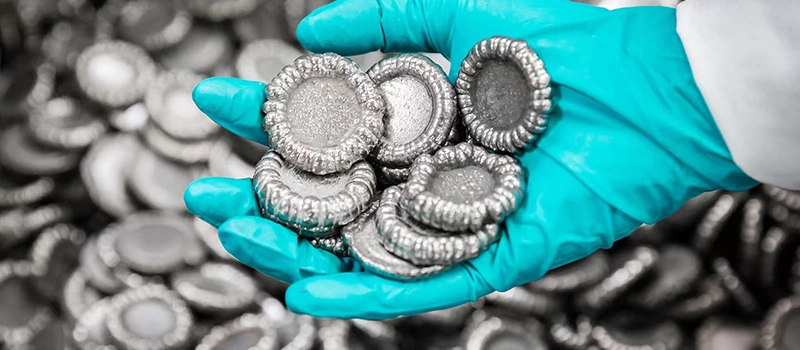
Cobalt magnetic materials are foundational in the production of high-performance permanent magnets. These magnets are known for their strength, stability, and resistance to demagnetization—especially under heat or stress. Two common types of cobalt-based magnets include Alnico (aluminum–nickel–cobalt) and samarium–cobalt (SmCo) magnets.
Alnico magnets were among the earliest commercial magnets and remain in use due to their thermal stability. However, samarium–cobalt magnets provide even better performance, maintaining strong magnetic fields at temperatures above 300°C and resisting corrosion. These magnets are used in:
- Aerospace controls
- High-speed motors
- Magnetic couplings
- Turbine sensors
The ability of cobalt magnetic materials to maintain strength under extreme conditions makes them preferred in demanding engineering environments.
Magnetic Sensors and Precision Actuators
Cobalt-based magnetic alloys are commonly used in sensor systems that detect movement, position, or magnetic field changes. In automotive and aerospace sectors, these sensors must function in wide temperature ranges without losing accuracy. Cobalt’s magnetic reliability under thermal cycling ensures stability and minimal drift.
Precision actuators—used in robotics, automation, and instrumentation—also benefit from cobalt magnetic materials. Their predictable behavior and strong coercivity help produce consistent, repeatable motion in dynamic systems.
EMI Shielding and Signal Stability
Cobalt magnetic properties are exploited in electromagnetic interference (EMI) shielding, particularly in environments with sensitive electronics. High-permeability cobalt alloys, such as permendur, are used in enclosures, transformers, and shielding films.
By guiding magnetic fields through specific paths, these materials reduce noise, improve signal clarity, and prevent equipment malfunction. This is especially critical in communication equipment, control systems, and medical imaging devices.
High-Temperature Magnetic Applications
Few materials can maintain their magnetism in extreme heat. Cobalt’s high Curie point allows it to function where iron or nickel-based materials would fail. Industries that depend on cobalt magnetic stability include:
- Jet engine components
- Turbomachinery feedback systems
- Oil and gas exploration tools
- Energy harvesting devices
In these applications, heat-resistant magnets must continue functioning without dimensional or magnetic distortion. Cobalt alloys, often combined with rare earths or refractory metals, are selected for their unique thermal and magnetic performance.

Cobalt in Medical and Electronic Devices
Cobalt magnetic alloys are also found in medical technology. MRI machines, for instance, use powerful magnets where magnetic integrity and safety are critical. Cobalt-based alloys are biocompatible in certain cases, making them usable in implants, stents, and prosthetics that require magnetic properties.
In consumer electronics, cobalt is used in microphone components, speakers, and vibration systems. Its consistent magnetic behavior ensures long-term product reliability and performance.
Cobalt magnetic materials serve as a backbone in many high-tech sectors. Their strength, heat resistance, and durability make them an irreplaceable resource in magnet-based systems across industries.
Cobalt Alloys and Magnetic Stability
How Alloying Enhances Cobalt Magnetic Performance
While pure cobalt already exhibits strong ferromagnetic behavior, combining it with other elements results in alloys with enhanced magnetic properties, mechanical strength, and corrosion resistance. These cobalt alloys are essential in applications where base metals alone would not meet performance or environmental demands.
Alloying cobalt with iron, nickel, or rare earth elements allows engineers to fine-tune key properties such as coercivity, permeability, and thermal stability. These changes directly affect how well a cobalt magnetic component holds its field strength, especially under load, vibration, or temperature fluctuations.
Common Cobalt Magnetic Alloys in Industry
Several well-established cobalt-based alloys are widely used in magnetic applications. Among them:
- Cobalt–iron alloys (e.g., Hiperco) are known for their high saturation magnetization, making them suitable for motors and transformers.
- Samarium–cobalt (SmCo) magnets provide extremely high coercivity and are preferred in high-heat and corrosive environments.
- Cobalt–nickel alloys combine ductility with moderate magnetism and corrosion resistance, often used in precision components.
These alloys maintain consistent magnetic behavior even in variable industrial environments, giving them a distinct advantage over less stable alternatives.
Thermal and Mechanical Stability
One of the most valuable attributes of cobalt magnetic alloys is their ability to retain magnetic strength at high temperatures. For example, samarium–cobalt alloys maintain magnetic properties at temperatures exceeding 300°C, well above what neodymium-based magnets can tolerate.
Cobalt alloys also demonstrate mechanical resilience, resisting deformation or fatigue in rotating machinery. This is especially important in sectors like aerospace, where magnetic components must perform reliably across thousands of cycles without degradation.
Resistance to Corrosion and Oxidation
In addition to magnetic and mechanical performance, many cobalt alloys offer resistance to corrosion. This is critical in oil and gas, marine, and chemical processing environments. Oxidation resistance at elevated temperatures also ensures long-term field performance in open-air or high-humidity applications.
Unlike some rare earth magnets that require heavy surface coating, cobalt magnetic alloys often remain stable with minimal treatment, reducing processing costs and increasing service life.
Alloy Processing and Heat Treatment
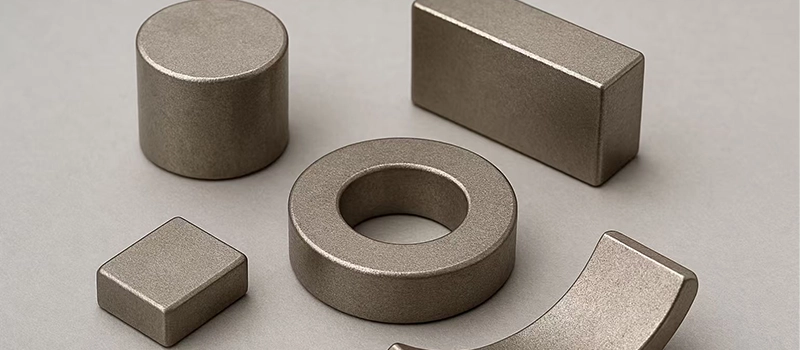
The final magnetic characteristics of cobalt alloys depend not only on composition but also on processing. Heat treatment, cold working, and annealing can all affect domain alignment, grain structure, and coercivity. Proper processing ensures the cobalt magnetic behavior remains stable and meets engineering tolerances.
In high-precision applications, tight control over alloy purity and production conditions is mandatory. This consistency supports critical systems in medical, aerospace, and electronic devices.
Cobalt magnetic alloys deliver unmatched performance where magnetic stability, temperature tolerance, and mechanical durability must coexist. Choosing the right cobalt alloy is often a balance between environmental resistance, magnetic strength, and structural integrity.
Cobalt in Advanced Manufacturing Technologies
Electric Motors and Energy Systems
Cobalt magnetic materials are at the heart of many electric motor designs, especially those requiring compact size and high power density. In brushless DC motors and high-speed rotors, cobalt-based alloys help reduce heat-related performance loss. These motors are found in aerospace systems, robotics, precision tools, and electric vehicles.
Cobalt alloys improve magnetic saturation and coercivity, allowing for efficient field control. This means higher torque output with reduced weight, a key advantage in energy-efficient systems. Their thermal stability also prevents magnetic drift during prolonged operation or under sudden load changes.
Use in Additive and Thin-Film Manufacturing
As additive manufacturing evolves, cobalt magnetic materials are being integrated into 3D printing processes, particularly for custom sensors and miniaturized actuators. Powdered cobalt alloys retain magnetic behavior after sintering, making them compatible with selective laser melting and other metal printing techniques.
Cobalt’s magnetic and structural consistency also makes it suitable for thin-film applications. In magnetic memory devices and spintronic components, ultra-thin cobalt layers provide stable, switchable magnetic fields. These properties are critical in non-volatile memory and microelectronic circuitry.
Magnetic Coatings and Surface Engineering
Cobalt-based magnetic coatings are used to enhance the performance of industrial parts exposed to electromagnetic fields. Thin cobalt magnetic layers improve signal control and reduce interference. In turbine engines or rotating systems, surface-treated cobalt can function as both a wear-resistant layer and a magnetically active interface.
Engineers often combine these coatings with other functional layers—such as thermal barriers or conductors—to build multi-role surfaces in smart devices or energy-harvesting components.
Integration in Aerospace and Defense Systems
The aerospace sector requires magnetic materials that maintain performance under vibration, temperature shifts, and atmospheric extremes. Cobalt magnetic alloys meet these challenges by offering reliable field retention and minimal loss of magnetism over time.
They’re found in inertial navigation systems, flight control actuators, and magnetic locks. In defense applications, cobalt is used in magnetic shielding, proximity sensors, and secure electronics. Its resistance to demagnetization ensures long-term reliability, even after repeated exposure to harsh conditions.
Renewable Energy and Magnetic Efficiency
In wind turbines and advanced energy storage systems, cobalt’s magnetic properties help improve conversion efficiency. Permanent magnets used in turbine generators often rely on cobalt-based designs due to their ability to operate without cooling systems or magnetic degradation.
This extends the life of renewable systems and reduces maintenance, contributing to sustainability goals in modern power grids.
Cobalt magnetic technology continues to evolve in step with modern manufacturing demands. Its compatibility with smart materials, miniaturized electronics, and sustainable systems ensures its long-term role in next-generation industrial design.
Selecting Cobalt for Magnetic Applications
When Is Cobalt the Right Choice?
Choosing cobalt magnetic materials begins with evaluating the application’s thermal, mechanical, and environmental demands. Cobalt is often selected when high magnetic strength must be retained in elevated temperatures or corrosive conditions. Engineers rely on cobalt when neodymium or ferrite magnets would degrade, warp, or lose magnetic force.
If a component must endure thermal cycling, strong mechanical stress, or frequent demagnetization attempts, cobalt magnetic alloys deliver more reliable performance over time. For example, in aerospace control surfaces or energy-sector turbines, cobalt offers predictable magnetic stability with minimal drift.
Engineering Considerations in Magnet Design
The right cobalt magnetic solution depends on more than just magnet strength. Engineers must also assess:
- Dimensional constraints
- Field strength requirements
- Exposure to corrosive media
- Operating temperature range
- Manufacturing method compatibility
Permanent magnets made with samarium–cobalt are preferred for compact designs with minimal cooling. Cobalt–iron alloys are selected for dynamic cores in high-frequency systems. Each form of cobalt use has specific benefits aligned with these factors.
Comparing Cobalt to Other Magnetic Materials
Cobalt is one of a few metals with strong, stable ferromagnetism. Compared to others:
- Versus iron: Cobalt is more thermally stable but costlier
- Versus nickel: Cobalt is stronger magnetically but less ductile
- Versus neodymium: Cobalt performs better under heat and corrosion but with lower magnetic energy density
When budget allows and operating conditions demand it, cobalt is often the superior option. In cost-sensitive or low-heat environments, other materials may suffice, but they often compromise long-term reliability.
Selecting the Right Cobalt Alloy
Not all cobalt magnetic materials are interchangeable. Material choice must match performance goals. Some common selection examples include:
- Samarium–cobalt (SmCo): For high-temperature, high-strength, corrosion-resistant magnets
- Cobalt–iron (e.g., Hiperco): For electrical machines and transformers requiring high permeability
- Cobalt–nickel: For medical sensors and corrosion-resistant electronic parts
Each alloy comes with its own processing requirements and sourcing considerations. Working with suppliers who understand the full range of cobalt alloy behaviors helps reduce material risk and increases efficiency in design and production.
Balancing Performance and Cost
Cobalt’s performance benefits must be weighed against its price and availability. While not as rare as some rare earth elements, cobalt is subject to geopolitical sourcing limitations. This means designers must plan for long-term supply chain stability if cobalt magnetic materials are central to the product.
In high-value systems—where failure is not acceptable—cobalt’s cost is justified by its durability, thermal resilience, and field integrity.
Cobalt magnetic materials are not always the default choice, but when performance matters most, they consistently rise to the top of the specification list.
Conclusion
Cobalt magnetic materials combine strong, stable ferromagnetism with excellent thermal and corrosion resistance. From permanent magnets to advanced alloys, cobalt enables critical performance in aerospace, electronics, and energy systems. Selecting the right cobalt-based material depends on understanding the application’s demands—but when stability and durability are key, cobalt remains a trusted solution.