Dimensional instability, inconsistent material flow, and surface defects are persistent issues in metal part production. These problems increase operational costs, delay delivery, and compromise the structural reliability of components used in sectors such as construction, automotive, and heavy machinery.
“Chamber casting is a proven process that enhances precision, reduces material waste, and supports high-volume production. It is widely applied in industrial manufacturing where dimensional accuracy and structural consistency are critical.”
As demand rises for tighter tolerances and cost-effective manufacturing, chamber casting offers a controlled solution that ensures stability in both quality and output. The process is engineered to manage pressure, temperature, and flow dynamics, resulting in high-repeatability casting for complex, industrial-grade parts.
Introduction to Chamber Casting and Its Industrial Role
In industrial metal manufacturing, maintaining dimensional accuracy, structural reliability, and production efficiency remains a core challenge. Components used in heavy machinery, automotive systems, and petrochemical equipment must adhere to tight tolerances and perform reliably under stress. Yet, traditional casting methods often introduce inconsistencies—leading to porosity, warping, and increased defect rates.
As global demand intensifies for high-volume, precision-manufactured parts, manufacturers are under pressure to adopt casting techniques that ensure both performance and repeatability. Open mold processes, while versatile, frequently suffer from uncontrolled cooling, atmospheric contamination, and variable material flow—factors that compromise structural integrity and surface finish.
Chamber casting addresses these problems through a controlled environment that optimizes molten metal flow, pressure regulation, and cooling behavior. This process significantly reduces defects and allows for faster, more consistent production. It is increasingly recognized as a reliable solution in industries requiring complex geometries, tight dimensional tolerances, and high throughput. Its application supports not only performance-driven outcomes but also lean manufacturing objectives through reduced waste and post-processing requirements.
Chamber Casting Process and Technical Workflow
Hot Chamber vs. Cold Chamber Casting
Chamber casting systems are divided into two primary types: hot chamber casting and cold chamber casting. Each is selected based on the melting point, material characteristics, and production requirements.
Hot chamber casting is typically used for low-melting-point metals such as zinc and magnesium. In this setup, the injection mechanism is submerged directly in the molten metal, allowing for rapid cycling, minimal handling, and efficient material flow.
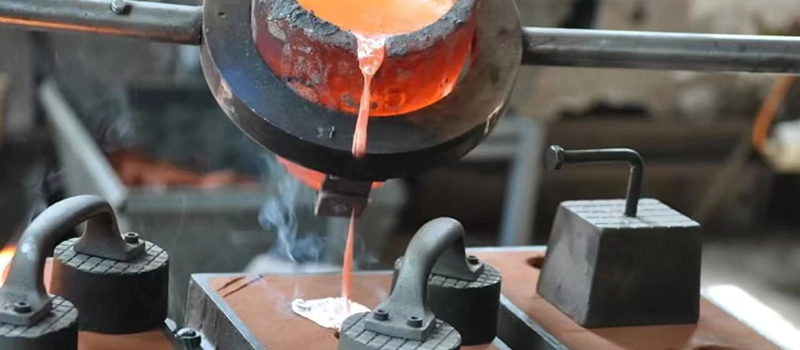
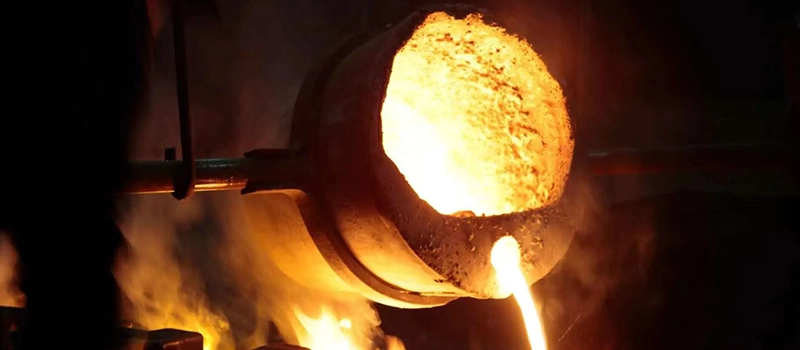
Cold chamber casting, on the other hand, is more suitable for alloys with higher melting points, such as aluminum and copper. Here, molten metal is manually or automatically ladled into the injection chamber, then driven into the mold cavity under high pressure. This method offers improved control for complex parts that require higher strength and heat resistance.
Step-by-Step Process Flow
- Die Preparation – The casting die is cleaned, lubricated, and heated to operating temperature to ensure proper metal flow and release.
- Metal Injection – Molten metal is introduced to the chamber, either directly (hot chamber) or by ladling (cold chamber).
- Cavity Filling – High-pressure injection ensures the mold cavity is completely filled without voids or cold shuts.
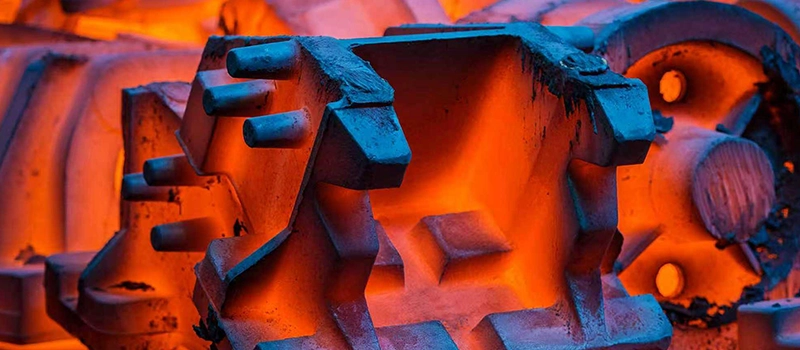
- Solidification and Cooling – The part cools under controlled conditions to maintain dimensional accuracy and internal density.
- Ejection – After solidification, the cast part is released from the die and prepared for inspection or post-processing.
This casting process supports repeatable production with minimal waste and high structural consistency.
Key Control Parameters in Chamber Casting
To maintain stable results, chamber casting relies on controlling several critical parameters:
- Injection Pressure – Affects mold filling speed, completeness, and turbulence.
- Die Temperature – Influences metal flow, cooling rate, and dimensional precision.
- Cycle Time – Impacts production efficiency and the thermal load on tooling.
- Lubrication – Reduces die wear and prevents part adhesion to mold surfaces.
Consistent monitoring of these parameters ensures process reliability and product uniformity, especially in large-scale industrial casting operations.
Equipment and Automation
Modern chamber casting systems are designed for high-speed, precision manufacturing. Equipment typically includes:
- Servo-controlled or hydraulic injection systems
- Precision temperature monitoring units
- Automatic metal feeding (for cold chamber) or integrated reservoirs (hot chamber)
- Robotic arms for die lubrication and part ejection
Automation in the casting process not only boosts throughput but also reduces error rates, making chamber casting ideal for continuous production environments where quality and repeatability are essential.
Suitable Materials and Their Industrial Relevance
Common Alloys Used in Chamber Casting
Chamber casting is compatible with a range of non-ferrous alloys, particularly those used in industrial applications requiring precision, strength, and corrosion resistance. The casting process is most effective with the following materials:
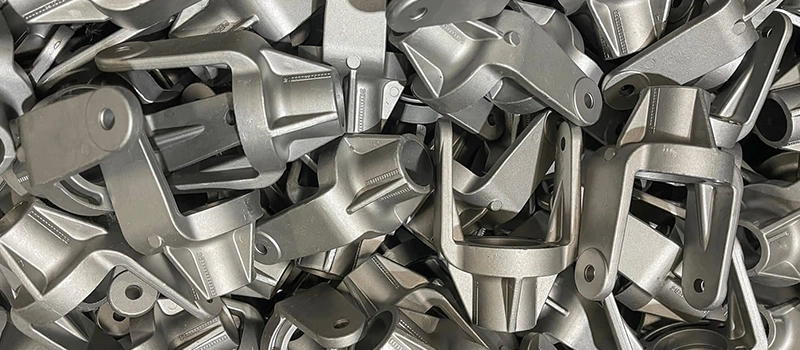
- Zinc Alloys – Ideal for hot chamber casting. Zinc offers excellent fluidity, fast solidification, and good surface finish. It is commonly used in small to medium-sized components where dimensional accuracy and complex geometry are required.
- Magnesium Alloys – Lightweight yet strong, magnesium is also suitable for hot chamber systems. It is favored in industries seeking high strength-to-weight ratios, such as aerospace and automotive.
- Aluminum Alloys – A popular choice for cold chamber casting due to its high melting point. Aluminum provides a balance of strength, corrosion resistance, and machinability, making it suitable for structural parts and housings.
- Copper-Based Alloys – Though less commonly used in chamber casting, certain brass and bronze alloys are compatible with cold chamber methods when higher thermal or wear resistance is needed.
Each material has distinct flow characteristics, solidification behavior, and shrinkage tendencies, which influence mold design and process settings.
Material Selection Based on Casting Requirements
Selecting the right alloy for a chamber casting project depends on multiple factors:
- Melting Point and Casting Temperature – Determines whether hot or cold chamber casting is appropriate.
- Mechanical Properties – Required tensile strength, hardness, and impact resistance for the part.
- Corrosion and Wear Resistance – Important for components used in harsh or outdoor environments.
- Thermal Conductivity and Expansion – Affects dimensional stability during operation.
These considerations are critical in industries such as automotive, construction, and petrochemical, where components must maintain structural integrity under load, temperature variation, and exposure to moisture or chemicals.
Alloy Behavior During the Chamber Casting Process
Each metal reacts differently under pressure, temperature, and cooling conditions. In the context of chamber casting:
- Zinc and magnesium solidify quickly, allowing for shorter cycle times and higher production rates.
- Aluminum, due to its higher casting temperature, requires longer solidification times and more robust tooling to prevent thermal fatigue.
- Copper alloys need precise control of mold temperatures and die coatings to avoid premature wear and surface imperfections.
Understanding how each material behaves in the casting process ensures optimal part quality, reduces the likelihood of internal defects, and extends the lifespan of casting equipment.
Key Advantages of Chamber Casting in Manufacturing
High Dimensional Accuracy and Tolerance Control
Chamber casting offers exceptional dimensional precision, which is critical for industrial components used in assemblies with tight tolerance requirements. By injecting molten metal into a sealed mold cavity under high pressure, the process ensures full cavity fill and minimal shrinkage variation. This level of control allows manufacturers to produce consistent part geometries across large production volumes.
The ability to maintain repeatable tolerances reduces the need for secondary machining and rework, which in turn lowers labor costs and speeds up assembly. For industries such as automotive, petrochemical, and construction, precision in metal casting directly correlates to product reliability and operational safety.
Superior Surface Finish and Reduced Defects
One of the key benefits of chamber casting is its ability to produce parts with smooth, uniform surfaces. The enclosed casting environment limits air contact and turbulence during metal injection, resulting in lower porosity and fewer surface blemishes.
The high pressure applied during the casting process also helps in reducing micro-shrinkage and internal voids, which are common in open mold casting. As a result, chamber-cast components often require little to no surface finishing, making the process highly efficient for functional and visible parts alike.
Efficiency in High-Volume Production
Chamber casting is engineered for scalability. With short cycle times and high-speed automation, it supports continuous, large-batch production with minimal downtime. Hot chamber systems, in particular, can complete a cycle in seconds, making them ideal for small- to medium-sized parts.
The repeatability of the process means manufacturers can predict output volume and delivery timelines with high accuracy. This is especially valuable in supply chains that depend on just-in-time (JIT) production models.
Material and Cost Efficiency
The chamber casting process optimizes material usage by ensuring accurate metal flow with minimal overspill and flash. Because the process produces near-net-shape parts, it also reduces the amount of raw material wasted during machining or trimming.
Moreover, by reducing the number of defects, chamber casting lowers scrap rates and associated material losses. Combined with the lower labor input and fast production cycle, this makes chamber casting a cost-effective choice for both high-precision and high-volume metal parts.
Long-Term Tooling and Production Stability
Although the initial investment in chamber casting dies is higher than that of sand or gravity casting, the longevity and stability of the tooling make it economically viable over the long term. With proper maintenance and optimized cycle parameters, casting molds can produce thousands to millions of consistent parts before replacement.
This extended tool life, paired with automated operation, creates a stable and controlled production environment—minimizing unplanned downtime and supporting long-term manufacturing continuity.
Industry Applications and Use Case Scenarios
Automotive Industry
Chamber casting plays a critical role in the automotive sector, where high precision, weight reduction, and strength are essential. Components such as engine covers, transmission housings, brackets, and structural supports are frequently produced using this casting process. The ability to maintain tight tolerances and deliver consistent surface finishes ensures these parts integrate seamlessly into complex assemblies without the need for extensive machining.
In high-volume vehicle production, chamber casting supports rapid cycle times and repeatability. Lightweight alloys like aluminum and magnesium are often used to reduce vehicle weight and improve fuel efficiency while maintaining structural integrity and performance under operational stress.
Construction Equipment
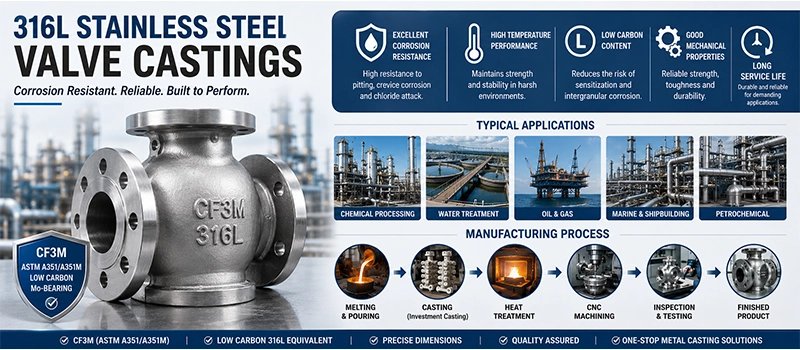
In the construction machinery sector, metal casting must meet the demands of strength, durability, and dimensional consistency. Chamber casting is used to manufacture hydraulic housings, gear components, control levers, and valve bodies. These parts must withstand high mechanical loads and environmental exposure, making the controlled conditions of the chamber casting process particularly beneficial.
The pressure-driven injection ensures dense internal structures and improved mechanical properties. Additionally, the use of corrosion-resistant alloys through cold chamber casting improves service life in outdoor and abrasive conditions commonly encountered in construction environments.
Agricultural Machinery
Agricultural equipment requires components that are both rugged and reliable. Chamber casting enables the production of gear casings, couplers, fittings, and bracket systems that are essential in tractors, harvesters, and irrigation units. The casting process offers the strength needed to withstand high-impact usage in field operations.
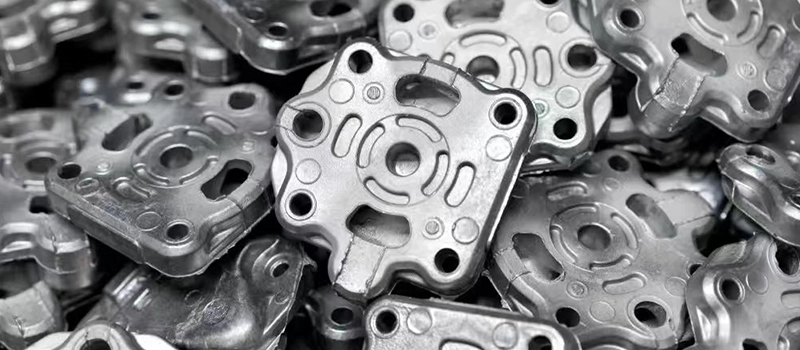
Zinc and aluminum castings offer a balance of weight and performance, with cold chamber casting used for parts requiring structural strength and resistance to seasonal weather conditions. The low porosity and dimensional accuracy reduce failure rates and minimize the need for post-processing, enhancing field reliability and reducing maintenance costs.
Petrochemical and Energy Industries
In high-demand environments such as oil refining, gas distribution, and energy infrastructure, chamber casting is applied to produce components like valve housings, pressure regulators, and flow control parts. These components must operate under high pressure and often in corrosive environments, requiring both material compatibility and internal integrity.
The casting process ensures strong, defect-free structures with smooth internal surfaces, which is critical for fluid dynamics and sealing applications. Cold chamber casting with copper-based or aluminum alloys provides both thermal and chemical resistance, enabling long-term stability in petrochemical systems.
Conclusion
Chamber casting offers a highly controlled and efficient method for producing precision metal components across demanding industrial sectors. Its advantages in dimensional accuracy, repeatability, and cost efficiency make it a preferred solution for high-volume manufacturing. As industries continue to prioritize performance and process stability, chamber casting remains a reliable choice for meeting modern engineering and production standards.