Why do manufacturers rely on aluminum 5xxx in marine, transportation, and structural environments? What makes it ideal for resisting corrosion while maintaining strength? How does it outperform other series in harsh conditions?
Aluminum 5xxx series alloys are known for high magnesium content, providing excellent corrosion resistance and strength without the need for heat treatment. As referenced in industry certifications, these alloys are commonly specified for marine and pressure-bearing applications due to their durability and weldability.
With consistent performance in demanding environments, aluminum 5xxx continues to be a practical material choice across sectors where reliability and resistance to failure are non-negotiable.
Overview of Aluminum 5xxx Series Alloys
Composition and Classification
Aluminum 5xxx series alloys are non-heat-treatable aluminum-magnesium alloys designed for applications where strength, corrosion resistance, and weldability are key performance requirements. The defining element of this series is magnesium, which typically ranges from 3% to 5% of the total composition. This addition enhances the material’s mechanical strength through strain hardening rather than thermal treatment, setting it apart from heat-treatable alloys such as those in the 6xxx or 2xxx series.
Aluminum 5xxx alloys are classified as wrought alloys, meaning they are processed by rolling, extrusion, or forging rather than casting. These alloys are particularly valued for their work-hardened strength and are commonly supplied in various temper conditions, such as H32 or H34, which indicate specific levels of strain hardening and partial annealing.
Common Grades in the 5xxx Series
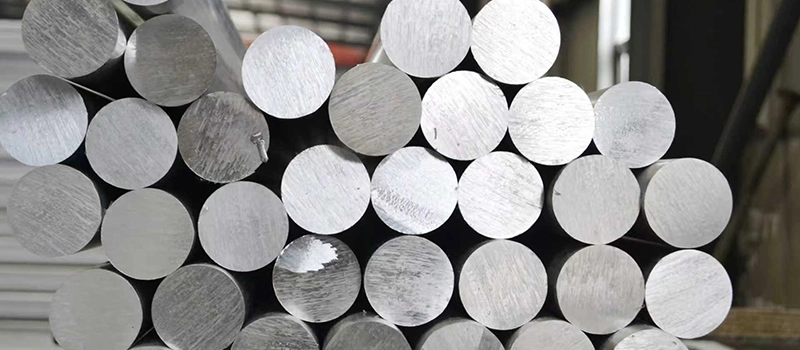
Several grades in the aluminum 5xxx series are widely used in industrial applications. Among them:
- 5052: Known for its high fatigue strength and excellent resistance to saltwater corrosion, 5052 is used extensively in marine, automotive, and sheet metal fabrication.
- 5083: This grade offers higher strength and superior corrosion resistance in seawater and industrial chemicals, making it suitable for shipbuilding, pressure vessels, and tankers.
- 5005: Recognized for its decorative anodizing properties, 5005 is often used in architectural panels and signage where appearance and corrosion resistance are both important.
Each of these grades maintains the core attributes of the 5xxx series—moderate to high strength, excellent corrosion resistance, and good forming behavior—while offering slight variations in mechanical properties, surface finish, and processing behavior.
Characteristics of Non-Heat-Treatable Alloys
Unlike heat-treatable aluminum alloys, aluminum 5xxx gains strength through cold working. Processes such as rolling or stretching introduce dislocations into the metal structure, increasing hardness and tensile strength. As a result, these alloys maintain mechanical stability during welding and fabrication, without the risk of thermal softening that may occur in heat-treatable grades.
The aluminum 5xxx series also demonstrates strong performance in environments with exposure to moisture, salt spray, and industrial contaminants. These characteristics make it a reliable choice for applications in marine engineering, transportation infrastructure, and chemical storage where corrosion resistance is essential.
Mechanical and Corrosion-Resistant Properties
Strength and Work Hardening Behavior
Aluminum 5xxx series alloys exhibit moderate to high mechanical strength, primarily achieved through work hardening. Since these alloys are non-heat-treatable, their strength is developed through cold working processes such as rolling, drawing, or stretching. For example, alloy 5052 in the H32 temper offers a typical tensile strength of around 215 MPa, while 5083 in the H116 temper can reach values exceeding 275 MPa. This makes the 5xxx series suitable for structural applications where high performance is required without the need for thermal treatment.
The strength of these alloys can be adjusted through specific temper designations. Tempers such as H32, H34, and H116 represent different levels of strain hardening and stabilization. These controlled conditions ensure that the alloys maintain their mechanical integrity under load, vibration, or fluctuating temperatures.
Exceptional Corrosion Resistance
One of the most important features of aluminum 5xxx series alloys is their superior corrosion resistance. The high magnesium content contributes to the formation of a stable oxide layer that protects the metal from moisture, salt, and industrial chemicals. This makes the 5xxx series especially effective in marine environments, where long-term exposure to seawater would degrade lesser materials.
Alloys such as 5052 and 5083 are frequently used in boat hulls, offshore platforms, and chemical tanks due to their ability to resist both pitting and crevice corrosion. Even without protective coatings or anodizing, these materials can perform reliably in aggressive environments.
The corrosion resistance of aluminum 5xxx also makes it suitable for use in coastal infrastructure, such as bridges, guardrails, and transportation systems that experience daily exposure to humidity, road salts, and airborne pollutants.
Fatigue and Stress Resistance
In addition to general strength, aluminum 5xxx alloys offer good resistance to fatigue and cyclic stress. This makes them appropriate for use in transportation components, pressure vessels, and marine structures where repeated loading and unloading occur over long service periods. The ability of the alloy to resist fatigue cracking is enhanced by its ductile structure and clean surface properties.
These alloys maintain structural integrity even in welded joints, provided proper filler materials and techniques are used. The low sensitivity to stress-corrosion cracking—especially when compared to higher-strength, heat-treatable series—adds to the reliability of 5xxx materials in critical applications.
Performance in Elevated and Low Temperatures
While not designed for high-temperature service, aluminum 5xxx alloys maintain acceptable mechanical properties up to approximately 65–80°C. At higher temperatures, the alloy may begin to lose strength due to over-aging effects from strain hardening. Conversely, these materials perform well at sub-zero temperatures, retaining toughness and ductility without becoming brittle, which is a key requirement for cryogenic tanks and refrigerated transport.
Differences Between 5xxx and 6xxx Series
Strength and Hardening Mechanism
Aluminum 5xxx and 6xxx series alloys differ fundamentally in how they achieve their mechanical strength. The 5xxx series is strengthened through cold working, a process that increases dislocation density and hardens the material without applying heat. This method produces non-heat-treatable alloys, meaning their strength cannot be further increased by thermal processing.
In contrast, the 6xxx series is heat-treatable. These alloys strengthen through precipitation hardening, where solution heat treatment and artificial aging form fine precipitates that impede dislocation movement. As a result, 6xxx alloys such as 6061 can reach higher peak strengths in T6 temper, though 5xxx alloys like 5083 can outperform 6xxx in specific environments such as marine exposure due to superior corrosion resistance.
Corrosion Resistance
Aluminum 5xxx alloys offer better corrosion resistance than 6xxx alloys, especially in marine and chemical environments. The higher magnesium content in the 5xxx series promotes a stable oxide layer that provides long-term protection against pitting, crevice corrosion, and salt spray. This makes the 5xxx series the preferred choice for shipbuilding, coastal infrastructure, and chemical transport tanks.
While 6xxx alloys exhibit moderate corrosion resistance, they are more prone to localized corrosion, particularly in welded zones and chloride-rich environments. Protective coatings or anodizing are often recommended when using 6xxx alloys in outdoor or corrosive conditions.
Weldability and Fabrication
Both 5xxx and 6xxx aluminum series are weldable, but the 5xxx series generally performs better in terms of post-weld strength and corrosion resistance. Alloys like 5083 are known for their excellent welding characteristics, maintaining good strength and structural integrity across the weld zone. Additionally, 5xxx alloys show minimal susceptibility to hot cracking during fusion welding.
6xxx alloys, such as 6061, are also weldable, but the heat-affected zone (HAZ) can experience a significant drop in strength unless post-weld heat treatment is applied. This makes 5xxx more suitable for large, welded structures where post-treatment is impractical or costly.
Machinability and Surface Finish
Machinability is an area where the 6xxx series has an advantage. Alloys like 6061 exhibit better chip formation, lower tool wear, and higher-speed capability during machining operations. The 5xxx series, while machinable, tends to produce softer chips and can cause more tool buildup, particularly in high-magnesium grades.
Surface finish is another consideration. 6xxx alloys, especially 6063, are often used when anodizing or painting is required, as they yield smoother finishes with better aesthetic results. The 5xxx series can be anodized, but the finish is typically less uniform due to its higher magnesium content.
Summary of Application Differences
- Use aluminum 5xxx when corrosion resistance, weldability, and cold-work strength are critical—especially in marine, transportation, and pressure vessel applications.
- Use aluminum 6xxx when strength-to-weight ratio, machinability, and surface finish are priorities—especially in structural, architectural, and precision-fabricated components.
Welding, Forming, and Fabrication Capabilities
Welding Characteristics of Aluminum 5xxx
Aluminum 5xxx series alloys are widely recognized for their excellent weldability. This advantage stems from their non-heat-treatable nature and magnesium-rich composition, which allows them to retain structural integrity across welded joints. Alloys such as 5052 and 5083 are particularly well-suited for gas tungsten arc welding (GTAW) and gas metal arc welding (GMAW), commonly used in marine, transportation, and tank fabrication.
When welding aluminum 5xxx series materials, the loss of strength in the heat-affected zone is minimal compared to heat-treatable alloys. This makes aluminum 5xxx highly reliable in structural welds that must endure long-term mechanical stress and environmental exposure. The typical filler materials used for these alloys include 5356 and 5183, which ensure compatibility and corrosion resistance in the welded zone.
Welded aluminum 5xxx retains its corrosion resistance, even in saltwater and chemically aggressive environments. This property reinforces the alloy’s position as the preferred material for shipbuilding, offshore platforms, and pressure tanks where joint integrity is critical.
Formability in Cold Working Processes
Aluminum 5xxx series alloys also offer excellent cold formability, particularly in softer tempers such as H32 and H34. These alloys can undergo bending, rolling, and deep drawing operations without cracking, making them suitable for manufacturing complex shapes in automotive panels, fuel tanks, and appliance housings.
The high ductility of aluminum 5xxx enables forming operations that require large plastic deformation, which would be challenging for higher-strength heat-treatable alloys. Additionally, these alloys maintain their corrosion resistance after forming, even when surface oxides are mechanically disrupted during the process.
However, due to work hardening during cold forming, aluminum 5xxx alloys can become less ductile after extensive deformation. In such cases, intermediate annealing may be used to restore formability before proceeding with further shaping.
Fabrication Compatibility
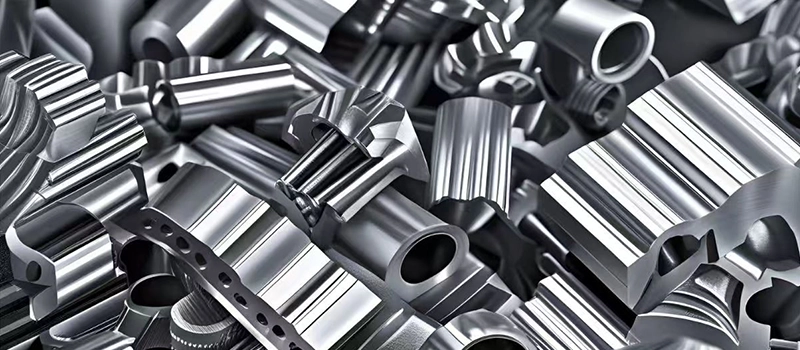
In terms of fabrication, aluminum 5xxx alloys are compatible with a wide range of processes, including shearing, punching, bending, and rolling. Their high strength and corrosion resistance make them a strong choice for both structural and enclosure components. These alloys also respond well to mechanical fastening methods such as riveting and bolting, which are commonly used in transport and structural assembly.
Machining of aluminum 5xxx is less favorable compared to 6xxx series due to the alloy’s softness and tendency to create built-up edges on cutting tools. This requires the use of sharp tooling, optimized feed rates, and effective lubrication to achieve acceptable surface finishes and dimensional accuracy. While machinability is moderate, the alloy’s other advantages—particularly its resistance to corrosion and excellent weldability—make it a preferred material in fabrication scenarios where machining is secondary.
Surface Treatment Considerations
Aluminum 5xxx can be anodized to increase surface durability and improve resistance to wear and corrosion. However, the anodized finish may appear slightly duller than that of 6xxx series alloys, especially in high-magnesium grades. When appearance is not the primary concern, the anodizing process still enhances the material’s suitability for long-term use in outdoor and marine environments.
Overall, the aluminum 5xxx series combines strong forming capabilities, consistent weld performance, and adequate machinability, offering a reliable solution for large-scale industrial fabrication where durability and corrosion protection are required.
Typical Applications in Marine and Transport
Marine Applications
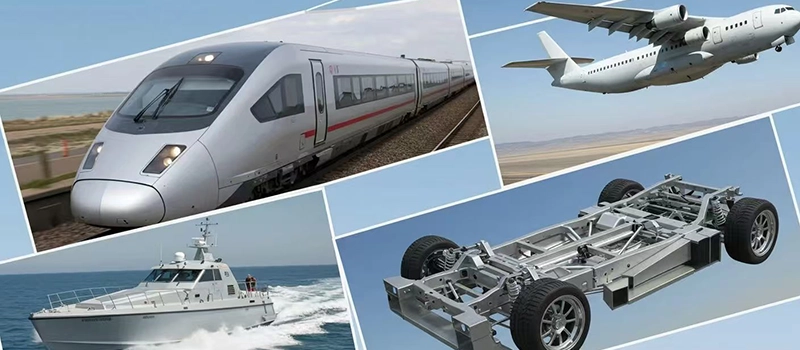
Aluminum 5xxx series alloys are the material of choice in marine engineering due to their excellent resistance to seawater corrosion, high strength-to-weight ratio, and weldability. Alloys such as 5083 and 5052 are commonly used for constructing boat hulls, decks, gangways, and bulkheads. These components are frequently exposed to saltwater and require materials that resist pitting, crevice corrosion, and long-term degradation.
The high magnesium content in aluminum 5xxx alloys forms a stable, self-repairing oxide layer on the surface, providing passive corrosion protection without the need for coatings. This characteristic not only enhances performance in offshore and coastal environments but also reduces long-term maintenance costs. Additionally, the weldability of aluminum 5xxx enables seamless fabrication of large marine structures, improving durability and structural continuity.
Shipbuilding and Offshore Structures
In commercial shipbuilding, aluminum 5xxx series materials are used for superstructures, walkways, and structural reinforcements in passenger ferries, patrol boats, and service vessels. Their resistance to marine corrosion and fatigue from wave action ensures reliable performance over long service intervals. Offshore platforms and oil rigs also benefit from the structural resilience of 5xxx series alloys, especially in pressure-resistant panels, modular deck systems, and support frames exposed to constant moisture and wind loading.
Transport and Automotive Uses
In the transport sector, aluminum 5xxx alloys are applied in the manufacturing of fuel tanks, cargo trailers, dump bodies, and refrigerated truck panels. Their combination of strength and light weight improves fuel efficiency without sacrificing durability. For example, 5052 is commonly used in tankers and trailers, where the material’s ability to withstand mechanical vibration and stress from highway transport is essential.
Bus bodies, truck beds, and floor panels also utilize aluminum 5xxx due to its resistance to road salt corrosion. In commercial and municipal fleets, these properties extend vehicle service life and reduce the need for frequent body repairs.
Rail and Public Transportation
Aluminum 5xxx is used in railcar body panels, structural frames, and undercarriage components, where weight savings contribute to increased payload capacity and lower energy consumption. These applications demand materials that are easy to fabricate, offer long-term corrosion protection, and provide mechanical reliability across varying climate and load conditions.
Pressure Vessels and Storage Tanks
Due to its resistance to chemical corrosion and mechanical stress, aluminum 5xxx is a standard material for storage tanks, silos, and pressurized containers. Alloy 5083, in particular, meets the mechanical and corrosion requirements for liquid and gas containment in industrial and agricultural settings. The material’s weldability and formability support the construction of custom-shaped tanks with complex reinforcement structures.
Summary of Industrial Use
The aluminum 5xxx series serves critical roles in industries that demand materials capable of withstanding environmental exposure, mechanical load, and fabrication demands. From marine vessels to mobile transport systems, the alloy’s performance attributes align with the safety, durability, and cost-efficiency requirements of modern infrastructure and logistics.
Conclusion
Aluminum 5xxx series alloys offer a balanced combination of strength, corrosion resistance, and weldability, making them ideal for use in demanding environments such as marine, transportation, and structural fabrication. Their non-heat-treatable nature provides consistent mechanical performance, while their formability and resistance to chemical exposure make them suitable for large-scale industrial applications. With proven durability in corrosive conditions and excellent fabrication characteristics, aluminum 5xxx remains a reliable material solution where long-term performance and integrity are essential.