Yield strength of aluminum alloys is defined by the Aluminum Association as the stress point where permanent deformation begins and structural integrity can no longer be recovered. This measurement governs how an alloy behaves under machining forces, forming pressure, operational loading, and long‑term service conditions.
When yield strength is misunderstood or incorrectly specified, manufacturing risks increase significantly. Components may distort during CNC operations, lose accuracy after heat exposure, or fail during assembly due to insufficient resistance to applied stress. These issues translate into production delays, scrap rates, and compromised reliability across casting, forging, and precision‑machined applications.
Accurate understanding of yield strength enables engineers and procurement teams to align alloy grade, temper, and manufacturing method with the mechanical demands of the final product, ensuring stable performance and predictable processing behavior.
Understanding Yield Strength in Aluminum Manufacturing
What Is Yield Strength in Aluminum Alloys?
Yield strength is the maximum stress aluminum can withstand before it begins to deform permanently. This value marks the transition from elastic behavior to plastic deformation. Once this point is crossed, the material will not return to its original shape even after the load is removed.
It is expressed in megapascals (MPa) or pounds per square inch (psi), and serves as a benchmark for how an alloy will respond to mechanical loads in manufacturing and operational use.
Why Yield Strength Matters in Manufacturing
Yield strength is not just a number on a datasheet. In casting, machining, and forming operations, it determines how the alloy will behave under tooling pressure, clamping forces, thermal expansion, and operational stress.
Components made from alloys with insufficient yield strength may warp during CNC machining, distort under load, or fail prematurely. This increases rejection rates, leads to misalignment in assemblies, and compromises product reliability—especially in sectors like automotive, construction, and mining.
Manufacturing Considerations
Lower-yield alloys are easier to shape, but they may not hold their geometry after forming or machining. Higher-strength alloys resist deformation but require more robust equipment and slower processing speeds.
Thermal processing, such as heat generation during cutting or welding, can locally reduce yield strength if not properly controlled.
Variation by Alloy and Temper
The yield strength of aluminum varies widely depending on both the alloy composition and its temper designation. For example, 6061 in the O-temper condition has a yield strength of approximately 55 MPa. In contrast, the same alloy in T6 condition can exceed 240 MPa.
This variability makes it critical to specify not just the alloy number but also its full designation when selecting material for production.
Functional Use in Engineering
Yield strength is central to structural calculations, including safety factors, load ratings, and fatigue life predictions. It is also a primary input in simulation environments such as finite element analysis (FEA) for aluminum parts used in assemblies, frames, brackets, and enclosures.
Understanding this property allows engineers and buyers to make informed decisions that minimize risk and optimize performance in real-world production scenarios.
Key Factors Influencing Yield Strength of Aluminum Alloys
Alloy Composition and Strength Behavior
The yield strength of aluminum alloys is primarily influenced by their chemical composition. Different elements are added to pure aluminum to improve its mechanical performance. For example, magnesium increases strength and corrosion resistance, copper improves hardness, and silicon enhances casting flow and reduces melting point.
Each alloying element changes the microstructure of the material. Precipitation-hardened alloys, such as 7075 and 2024, form fine particles that hinder dislocation movement within the metal. This increases the aluminum alloy’s yield strength significantly. On the other hand, alloys like 1100, which are nearly pure aluminum, have very low yield strength and are used where formability is more important than load-bearing performance.
Variations in alloying content can raise or lower the yield strength of aluminum alloys by hundreds of MPa. This makes composition a critical parameter for engineers evaluating structural requirements in manufacturing.
Heat Treatment and Temper Designation
The temper of an aluminum alloy reflects how it has been thermally or mechanically treated, and it directly controls its yield strength. Heat treatments change the internal structure of aluminum, allowing for higher hardness and strength without altering the overall shape of the material.
For example, 6061-T6 aluminum undergoes solution heat treatment followed by artificial aging. This results in a much higher yield strength compared to 6061-O, which is fully annealed. The yield strength of 6061-O is about 55 MPa, while 6061-T6 typically reaches 240 MPa or more.
Other common temper designations include T5, T651, H32, and O. Each of these modifies how the alloy performs under stress. Manufacturers must always refer to both the alloy and the temper when assessing the true yield strength of aluminum alloys in a project.
Grain Structure and Microstructural Control
Grain size and orientation within the aluminum alloy also affect its yield strength. Fine, uniform grains typically offer higher strength and better resistance to plastic deformation. This is especially important in forgings and rolled products, where consistent grain structure supports mechanical stability across all sections of a component.
Microstructure is influenced during casting, rolling, extrusion, and heat treatment. Poor control over cooling rates or deformation processes can lead to larger, inconsistent grains, which lower the yield strength and reduce fatigue resistance.
Proper process control during manufacturing enhances the final mechanical performance of aluminum, ensuring that the desired yield strength is achieved throughout the material.
Manufacturing Method: Casting, Extrusion, and Forging
The manufacturing method used to form the aluminum product also impacts its yield strength. Cast aluminum parts generally have lower yield strength compared to wrought products due to internal porosity and coarse grain structure. Alloys like A356 are commonly used in casting but may require heat treatment to improve strength levels.
Extruded and forged aluminum alloys, such as 6061-T6 or 7075-T73, benefit from work hardening and controlled grain flow. This allows them to achieve higher yield strength and improved consistency in load-bearing applications.
Manufacturers must choose not only the right alloy, but also the correct forming process to ensure that the finished part meets yield strength requirements.
Final Considerations in Process Selection
To meet performance specifications, the yield strength of aluminum alloys must be matched to both the application and the production method. Ignoring key influencing factors—such as alloy chemistry, temper, microstructure, and forming process—can result in material failure, excessive rework, and higher manufacturing costs.
Careful alignment between design requirements and material properties ensures long-term reliability, especially in industries where structural strength and dimensional stability are critical.
Yield Strength vs. Tensile Strength: Engineering Comparison
Core Definitions in Mechanical Performance
The yield strength of aluminum alloys defines the point at which the material begins to deform permanently under stress. In contrast, tensile strength (also known as ultimate tensile strength, or UTS) measures the maximum stress an alloy can withstand before complete fracture.
Both properties are essential in evaluating aluminum alloy performance, but they serve different purposes in engineering design and manufacturing.
Yield strength is used to set functional limits during normal operation, ensuring that components do not deform under expected loads. Tensile strength is primarily referenced for safety margins, especially in failure-mode analysis and extreme loading scenarios.
Why Yield Strength Is More Relevant in Manufacturing
In practical manufacturing environments, the yield strength of aluminum alloys has greater immediate relevance than tensile strength. This is because most industrial parts are designed to stay within the elastic range—where the part can return to its original shape after stress is removed.
If stress exceeds the yield limit, even without reaching the tensile limit, the component will permanently deform. This can cause misalignment, compromised sealing surfaces, or structural instability in assemblies. These outcomes are unacceptable in precision machining, structural fabrication, and mass production environments.
Because of this, yield strength is the governing parameter for selecting aluminum alloys in forming, forging, and machining applications.
Numerical Differences Between Yield and Tensile Strength
The ratio between yield strength and tensile strength varies depending on the aluminum alloy and its temper. For example:
- 6061-T6 has a typical yield strength of around 240 MPa and a tensile strength of 290 MPa
- 7075-T6 offers a yield strength of approximately 500 MPa, with a tensile strength over 570 MPa
- Softer tempers, such as 1100-O, may have a yield strength around 30 MPa with a much higher gap to tensile failure
This ratio is critical for engineers evaluating material ductility, energy absorption, and failure modes.

Common Misinterpretations in Design
Many manufacturing failures occur because engineers or procurement teams misread datasheets, focusing solely on tensile strength and ignoring yield strength. This often results in selecting aluminum alloys that technically survive load testing but fail in practice due to plastic deformation.
Another issue arises when designers assume uniform material properties across all tempers of a given alloy series. For instance, assuming that all 6061 variants offer the same mechanical performance leads to errors in tooling specification, joint design, and safety calculations.
Engineering Judgment and Material Selection
When designing parts with high structural requirements, engineers must prioritize the yield strength of aluminum alloys over tensile strength. Tensile strength should be used to define ultimate load capacity, but yield strength determines functional performance and durability under typical operating conditions.
For mission-critical parts in industries such as aerospace, energy, or off-highway equipment, this distinction plays a central role in long-term reliability and risk control.
Mechanical Properties of Common Aluminum Alloys
Yield Strength of Aluminum Alloys by Grade
Aluminum alloys vary widely in mechanical performance, and the yield strength of aluminum alloys is the primary property engineers evaluate when selecting a grade for manufacturing. Yield strength directly reflects the alloy’s ability to resist deformation under operational load, which is critical in structural components, machined parts, and load-bearing castings.
The most commonly used aluminum alloys in manufacturing include 6061, 7075, 2024, A356, and 5083. Each has distinct yield strength characteristics, influenced by alloying elements and heat treatment condition.
Understanding the yield strength of aluminum alloys across these grades enables more accurate material specification, improved toolpath programming, and tighter quality control during production.
Typical Yield Strength Values of Key Aluminum Alloys
Below is a comparison of the yield strength of aluminum alloys commonly used in casting, machining, and forging:
6061-T6
- Yield Strength: approx. 240 MPa
- Usage: Structural brackets, CNC-machined parts, general-purpose industrial components
- Strength-to-weight ratio is favorable, and it offers balanced weldability and machinability
7075-T6
- Yield Strength: approx. 500 MPa
- Usage: Aerospace frames, high-load structural applications
- One of the highest yield strength aluminum alloys available in commercial use
2024-T3
- Yield Strength: approx. 325 MPa
- Usage: Aerospace fasteners, military equipment, aviation-grade hardware
- Excellent fatigue resistance but limited corrosion resistance
5083-H32
- Yield Strength: approx. 215 MPa
- Usage: Marine structures, pressure vessels, chemical handling equipment
- High resistance to corrosion and good strength under welds
A356-T6 (Cast)
- Yield Strength: approx. 170 MPa
- Usage: Cast housings, automotive suspension arms, pump components
- A common cast aluminum alloy strengthened by heat treatment
These examples illustrate how the yield strength of aluminum alloys directly impacts their suitability for manufacturing roles involving bending, loading, or vibration.
Heat-Treated vs. Non-Heat-Treated Alloys
The yield strength of aluminum alloys increases significantly through proper heat treatment. For instance, non-heat-treated alloys such as 1100 or 3003 typically have very low yield strength—around 35–55 MPa—making them suitable for ductile applications like forming or spinning.
In contrast, heat-treated alloys like 7075-T6 or 6061-T6 achieve yield strength values up to 10 times higher, ideal for structural and precision-machined parts. The temper condition—identified by codes such as T5, T6, or T651—must always be verified when yield strength is a critical performance parameter.
Application-Specific Material Comparison
Each manufacturing application requires a different balance of yield strength, weight, corrosion resistance, and formability. For example:
- For aerospace and defense, high yield strength aluminum alloys like 7075-T6 are required for load-bearing parts.
- For marine applications, 5083-H32 is preferred due to its corrosion resistance and moderate yield strength.
- For general machining or structural work, 6061-T6 provides a balance of yield strength, machinability, and weldability.
- For high-volume castings, A356-T6 provides sufficient yield strength with casting efficiency and dimensional accuracy.
Material selection based on the correct yield strength of aluminum alloys prevents overdesign, minimizes material waste, and improves overall part performance.
Process-Specific Considerations for Casting, Forging, and Machining
Yield Strength of Aluminum Alloys in Casting Applications
The yield strength of aluminum alloys is a defining factor in the casting process. Cast aluminum alloys typically exhibit lower yield strength than wrought alloys due to their coarse grain structure and the presence of casting-related porosity. However, the mechanical performance can be improved through heat treatment.
A356-T6 is a widely used cast aluminum alloy with improved yield strength after thermal processing. In high-load castings such as pump housings, bracket arms, and structural enclosures, the yield strength of aluminum alloys must be sufficient to resist deformation during cooling, handling, and field use.
Designers must evaluate not just the alloy, but its post-casting condition. Yield strength values for cast aluminum alloys can vary significantly depending on the heat treatment used. Poor control of these conditions leads to underperformance in dimensional stability, strength consistency, and mechanical durability.
Choosing the correct aluminum alloy for casting involves balancing fluidity, shrinkage behavior, and the final yield strength of aluminum alloys required for service loading.
Yield Strength of Aluminum Alloys in Forging
Forging operations inherently increase the yield strength of aluminum alloys through plastic deformation and controlled grain alignment. The mechanical strength of forged aluminum components is enhanced by refined microstructure and directional grain flow, which improves stress distribution across the part.
High-performance forged aluminum alloys such as 6061-T6, 7075-T73, and 2024-T851 are selected for their superior yield strength and fatigue resistance. These alloys are used in structural arms, wheel components, and heavy-load connectors where mechanical strength is non-negotiable.
The forging process requires starting with an alloy that already offers high potential yield strength. Post-forging heat treatment is often used to further elevate the aluminum yield strength, ensuring the component meets tight performance tolerances and long-term operational loads.
The ability of forging to increase the yield strength of aluminum alloys makes it ideal for parts subject to continuous stress, bending, and impact. Engineering teams must align alloy grade, temper, and forging method to guarantee final strength levels.
Yield Strength of Aluminum Alloys in Machining
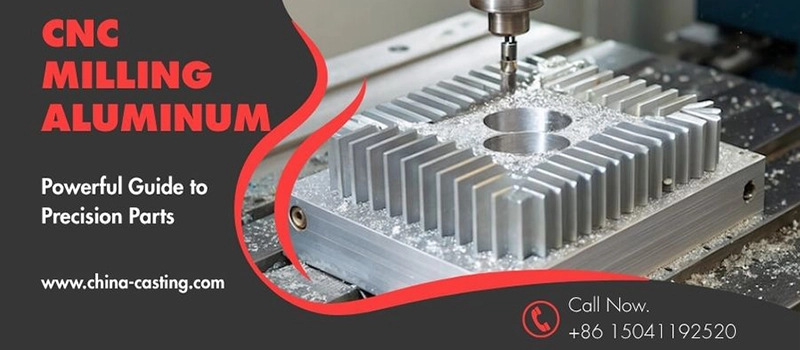
In machining operations, the yield strength of aluminum alloys influences tool selection, machining parameters, and dimensional accuracy. Higher yield strength aluminum alloys resist deformation under tool pressure and maintain geometry under clamping and fixturing stress. This improves the accuracy of complex parts, especially those requiring tight tolerances.
However, machining high-yield-strength aluminum alloys generates more cutting force, elevates tool wear, and increases localized heat. Without proper toolpath planning and thermal management, parts may develop residual stress or post-machining warpage.
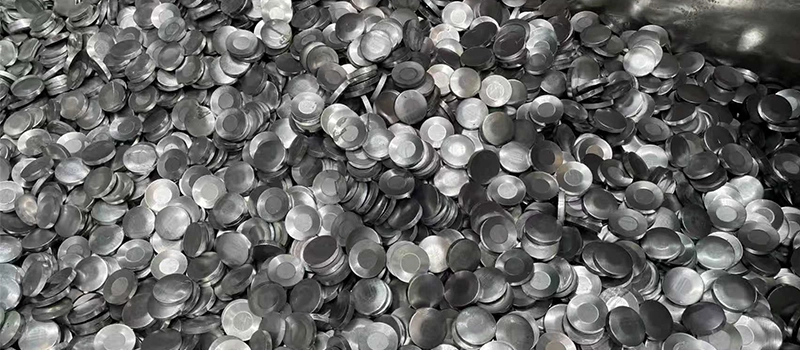
Aluminum grades like 7075-T6, with high yield strength, are commonly used in aerospace and defense machining applications. Meanwhile, 6061-T6 provides a balance of moderate yield strength, good machinability, and stability during multi-axis operations.
The yield strength of aluminum alloys must be evaluated not only for final part performance but also for machinability. Material that is too soft may deform during cutting; too hard, and it may cause tooling failures or microcracks.
Process Planning Based on Aluminum Yield Strength
Each production process—casting, forging, or machining—imposes different demands on the yield strength of aluminum alloys. The key to successful production lies in understanding how each process interacts with the mechanical properties of the chosen alloy.
- In casting, ensure the alloy achieves the required yield strength through controlled heat treatment
- In forging, select aluminum alloys with proven strength gain through deformation and thermal tempering
- In machining, balance yield strength with cutting conditions to avoid deformation, tool wear, and instability
When the yield strength of aluminum alloys is matched properly to the manufacturing process, the result is improved consistency, reduced waste, and enhanced performance across every production stage. Ignoring this alignment can lead to failure points, rejected parts, and excessive process variation.
Material Selection Strategy Based on Yield Strength
Prioritizing Yield Strength of Aluminum Alloys in Specification
Material selection in manufacturing must begin with the yield strength of aluminum alloys. This property determines how an alloy behaves under stress, whether in static load conditions or during dynamic operation. Engineers must use the yield strength of aluminum alloys to define design thresholds, select wall thicknesses, and validate structural performance.
The yield strength of aluminum alloys is the basis for calculating allowable loads and deformation limits in structural parts, enclosures, mechanical linkages, and precision machined components. Choosing the wrong aluminum yield strength leads to permanent distortion, vibration-induced fatigue, or dimensional failure during operation.
Across casting, forging, or machining workflows, no material property is more critical than the yield strength of aluminum alloys when determining application compatibility.
Matching Yield Strength of Aluminum Alloys With Processing Needs
Different manufacturing processes interact differently with the yield strength of aluminum alloys. In casting, alloys must be selected for their ability to develop target yield strength after heat treatment. In forging, base yield strength must support plastic deformation without cracking. In machining, the yield strength of aluminum alloys affects clamping stability, deflection resistance, and post-machining accuracy.
Ignoring the required aluminum yield strength during process planning causes misalignment between design tolerances and material behavior. When selecting aluminum for production, the minimum acceptable yield strength must match the process-induced stresses and the part’s final use conditions.
Careful matching of the yield strength of aluminum alloys to the method of manufacturing reduces risk, rework, and failure rates.
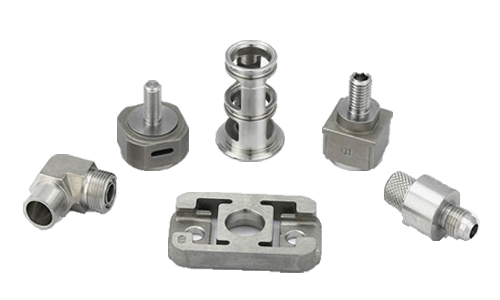
Weighing Yield Strength Against Corrosion, Weight, and Cost
While the yield strength of aluminum alloys is a primary consideration, it must be balanced against corrosion resistance, density, and material cost. For example, 7075-T6 provides extremely high aluminum yield strength but limited corrosion resistance, making it ideal for aircraft structure but unsuitable for chemical environments.
Alternatively, 5083-H32 offers lower yield strength than 7075 but superior corrosion protection, making it the preferred choice for marine and coastal infrastructure.
Material engineers must evaluate not just the peak yield strength of aluminum alloys, but the complete set of physical requirements that influence product lifecycle and operating cost.
Application Categories and Strength Priorities
Every sector has distinct mechanical expectations, and the yield strength of aluminum alloys must align with those operational demands. In aerospace, high-yield-strength aluminum alloys are required to meet stress-to-weight targets. In construction, aluminum yield strength supports load-bearing capacity in frameworks and joints.
In automotive systems, parts must meet crash safety criteria and resist deformation, demanding aluminum alloys with mid-to-high yield strength. For marine structures, alloy selection involves balancing moderate aluminum alloy yield strength with continuous corrosion exposure.
The yield strength of aluminum alloys is central to defining material use across each of these application groups.
Using Yield Strength of Aluminum Alloys to Finalize Decisions
The final selection of an aluminum alloy for manufacturing must rely on verified yield strength values that are appropriate for both the process and the application. The yield strength of aluminum alloys is not optional—it is a requirement for ensuring structural reliability, consistent machinability, and long-term dimensional stability.
Accurate comparison of the yield strength of aluminum alloys across grades, tempers, and formats supports informed purchasing, precise engineering, and production success. Material data without verified yield strength is incomplete and increases the risk of process inefficiencies and product failure.
Procurement teams, design engineers, and production managers must work from the same reference: the certified yield strength of aluminum alloys, matched to real-world stress conditions and fabrication requirements.
Conclusion
The yield strength of aluminum alloys is a fundamental selection criterion in manufacturing. Matching the correct aluminum alloy strength to the application, process, and environment ensures product reliability, structural integrity, and production efficiency. Strength data must guide all decisions from design to delivery.