The types of sand used in casting play a decisive role in metal casting quality and process stability.
In industrial production, most foundries rely on three proven sand casting methods—green sand, resin sand, and silica sand—each designed for different technical requirements, cost constraints, and production volumes.
In this article, I explain how these three casting sand systems work and how to choose the right method for consistent and reliable casting results.
Overview of Sand Casting Process
The types of sand used in casting are inseparable from the sand casting process itself. Before discussing material selection or performance, it is necessary to clearly understand how sand casting works in industrial production. From my experience in metal manufacturing, sand casting is not a single operation, but a sequence of controlled steps that rely heavily on the behavior of molding sand under heat, pressure, and molten metal flow.
Sand casting begins with pattern preparation. A pattern is used to form the cavity that defines the final shape of the metal part. This pattern is placed into a molding box and surrounded by casting sand. The way the sand packs around the pattern, retains its shape, and later collapses after solidification is directly influenced by the types of sand used in casting. Poor sand selection at this stage often leads to dimensional deviation, surface defects, or mold failure.
Once the pattern is removed, the sand mold must maintain sufficient strength while remaining permeable. During metal pouring, high-temperature molten metal enters the cavity and rapidly transfers heat to the surrounding sand. At this moment, the sand must withstand thermal shock without cracking, excessive expansion, or gas generation. These requirements explain why sand casting is fundamentally a balance between strength, refractoriness, and gas permeability—properties that vary significantly among different types of sand used in casting.
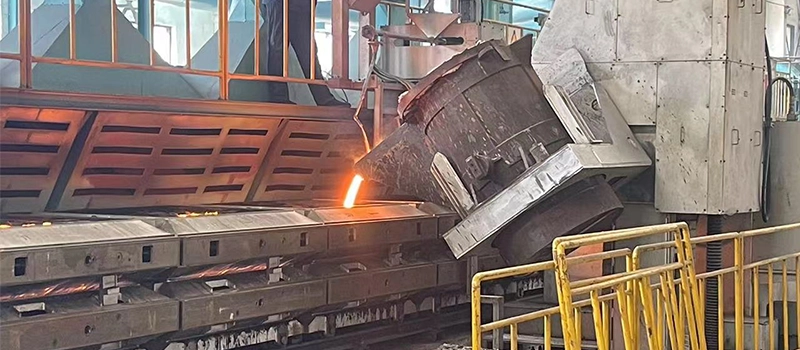
In practical foundry operations, the sand mold also integrates gating systems, runners, and risers. These channels are formed entirely within the sand structure. Any instability in sand composition or moisture control can disrupt metal flow, resulting in misruns or cold shuts. This is why sand casting is often misunderstood as a simple process when, in reality, it is highly sensitive to sand system design and preparation.
From a production standpoint, sand casting remains one of the most widely used metal casting methods because of its adaptability. It supports a wide range of alloys, from cast iron to steel and non-ferrous metals. It also allows flexibility in part size and geometry. However, this adaptability does not come from the process alone—it comes from adjusting the types of sand used in casting to match specific production goals, mold complexity, and quality expectations.
Another defining feature of sand casting is sand reusability. In many foundries, molding sand is continuously recycled through reclamation systems. The ability of sand to be reused without losing key properties depends on its original composition and bonding system. This makes sand casting not only a forming process, but also a material management system where sand performance must remain stable over repeated cycles.
In real manufacturing environments, sand casting is rarely static. Process parameters such as compaction pressure, sand temperature, and moisture content change with production conditions. The sand must respond predictably to these variations. That predictability starts with selecting appropriate types of sand used in casting and understanding how they behave throughout the molding and pouring stages.
At its core, sand casting is a controlled interaction between molten metal and engineered sand. The process succeeds only when the sand mold performs consistently from mold preparation to shakeout. This performance foundation is established long before metal is poured—at the point where sand is chosen, prepared, and conditioned for casting use.
Importance of Sand in Metal Casting
The types of sand used in casting determine far more than mold shape. In real production environments, sand directly controls casting accuracy, surface integrity, defect rate, and overall process stability. From my perspective, sand is not a passive molding material—it is an active process medium that interacts continuously with molten metal, tooling, and production conditions.
In sand casting, every critical outcome is influenced by sand behavior. Whether the goal is dimensional consistency, clean surface finish, or stable batch production, success depends on selecting the correct sand used in sand casting and maintaining it within controlled parameters. This is why experienced foundries treat sand systems as engineered materials rather than raw consumables.
Why Sand Selection Matters in Casting Quality
A common question I often encounter is: what type of sand is used in casting, and why does it matter?
The answer lies in how sand responds during pouring and solidification.
When molten metal enters the mold cavity, sand is exposed to extreme thermal stress. If the sand lacks sufficient refractoriness, it can fuse, burn, or react with the metal surface. If gas permeability is insufficient, trapped gases cause porosity or blowholes. These outcomes are not random defects; they are direct consequences of mismatched types of sand used in casting.
Different casting sand types offer different balances of strength, permeability, collapsibility, and thermal resistance. Choosing the wrong sand casting sand type often leads to increased scrap rates, rework, or unstable production. This is why sand selection is considered a quality decision, not a purchasing decision.
The Role of Sand in Mold Stability and Metal Flow
Another critical reason sand is essential in metal casting is its role in mold stability. During pouring, the mold must resist erosion while guiding molten metal through gates and runners. Any breakdown in sand structure can distort the cavity or contaminate the metal.
This directly relates to the question: what type of sand is used for sand casting in industrial production?
The answer depends on how well the sand maintains shape under load while still allowing controlled collapse after solidification.
Inconsistent sand strength can cause mold wall movement, resulting in dimensional inaccuracy. Excessively strong sand, on the other hand, makes shakeout difficult and increases the risk of hot tearing. The balance between these properties varies across different types of sand casting systems, which is why sand selection cannot be generalized.
Gas Control and Surface Quality
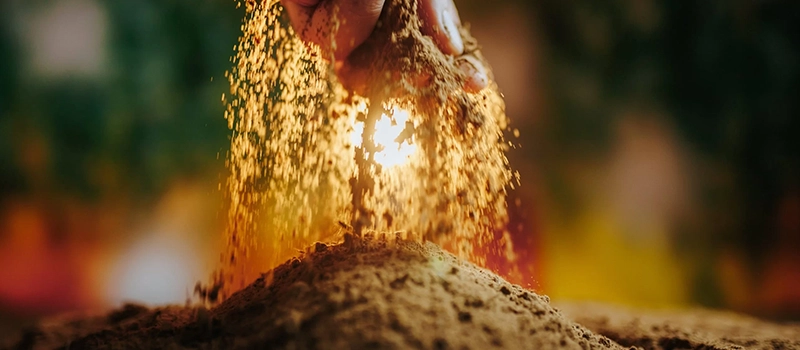
Gas generation is one of the most underestimated factors in sand casting. During pouring, moisture, binders, and organic additives in the sand decompose and release gases. If these gases cannot escape through the sand structure, they enter the molten metal.
This is why engineers frequently ask: why is green sand used in casting, and how does it control gas?
The underlying issue is not the name of the sand, but its gas permeability and moisture behavior.
The types of sand used in sand casting differ significantly in how they manage gas evacuation. Sand with poor permeability increases the likelihood of pinholes and subsurface porosity. Proper sand selection and conditioning reduce these risks and improve surface finish without relying on excessive machining or secondary processing.
Sand Consistency and Process Repeatability
In high-volume casting operations, repeatability is everything. Even small variations in sand properties can cause measurable changes in casting results. This is why many foundries focus heavily on maintaining consistent sand systems rather than frequently changing materials.
From a process control standpoint, the types of sand used in casting must perform predictably across multiple cycles. Parameters such as grain size distribution, binder content, and moisture levels must remain within narrow tolerances. When sand properties fluctuate, defect patterns often fluctuate with them.
This is also where system sand in casting becomes critical. A stable sand system allows foundries to control variables rather than react to defects after they occur. Sand consistency supports predictable mold strength, stable metal flow, and uniform cooling behavior.
Cost, Efficiency, and Production Risk
Sand may appear inexpensive compared to metal alloys, but its impact on production cost is substantial. Scrap, downtime, and rework caused by sand-related defects quickly outweigh material savings from low-quality sand choices.
This is why experienced manufacturers do not ask only what type of sand is used in sand casting, but also how that sand affects long-term operational efficiency. The right sand casting types reduce cleaning time, improve mold handling efficiency, and extend tooling life.
In my experience, foundries that invest in understanding and controlling the types of sand used in casting achieve more stable production, lower defect rates, and more predictable delivery schedules—without increasing material cost.
Types of Sand Used in Metal Casting
The types of sand used in casting are classified based on their bonding mechanism, base sand composition, and performance during mold formation and metal pouring. In sand casting, the sand system must simultaneously provide mold strength, thermal stability, gas permeability, and collapsibility. Different casting requirements lead to the use of different sand casting sand types.
In industrial practice, three sand systems are most widely used and studied in metal casting: green sand systems, resin-bonded sand systems, and silica sand–based systems. Each represents a distinct approach to mold formation and performance control within the sand casting process.
Green Sand: Composition and Advantages
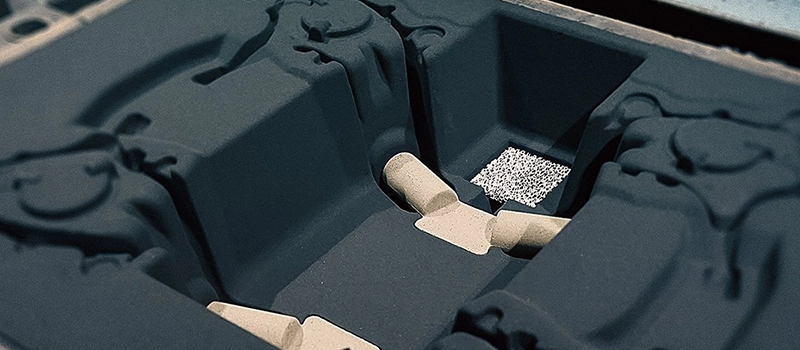
Green sand is one of the most commonly used types of sand used in casting, particularly in ferrous metal casting. The term “green” refers to the presence of moisture and the absence of chemical curing, not the color of the sand.
Composition of Green Sand
A typical green sand system consists of:
- Silica sand as the base material
- Clay binder, most commonly bentonite
- Water, which activates the clay bonding
- Carbonaceous and auxiliary additives for surface finish and defect control
From a materials perspective, green sand is a composite system rather than a single material. This composition explains why green sand is frequently referenced when discussing sand used in sand casting and casting sand types.
Why Green Sand Is Used in Casting
A common technical question is why is green sand used in casting. The answer lies in its balance of performance and process efficiency.
Green sand provides:
- Adequate mold strength under compaction
- Good collapsibility after metal solidification
- High gas permeability when properly controlled
- Compatibility with sand reclamation and reuse
These characteristics make green sand suitable for repetitive molding operations and large-scale production. As a result, green sand is often the default solution when engineers ask what type of sand is used for casting in high-volume applications.
Performance Characteristics of Green Sand Systems
The performance of green sand systems is governed by measurable parameters, including:
- Green compression strength
- Shear strength
- Permeability
- Compactability
- Moisture content
- Active clay content
Variations in these parameters directly affect mold integrity and casting quality. Therefore, green sand systems require continuous monitoring to ensure stability among the types of sand used in casting.
Resin-Sand Casting: Benefits and Applications
Resin-bonded sand systems represent another major category among the types of sand used in sand casting. Unlike green sand, resin sand relies on chemical binders that harden through curing reactions rather than moisture activation.
Resin Sand Composition and Bonding Mechanism
Resin sand typically consists of:
- Base sand (commonly silica sand)
- Organic or inorganic resin binder
- Catalyst or hardener
The chemical bonding mechanism produces higher mold and core strength compared to green sand. This characteristic is central to understanding types of sand casting process that require increased dimensional accuracy.
Advantages of Resin-Sand Casting
Resin-bonded sand systems offer several technical advantages:
- High mechanical strength of molds and cores
- Improved dimensional stability
- Better resistance to metal erosion
- Enhanced surface finish potential
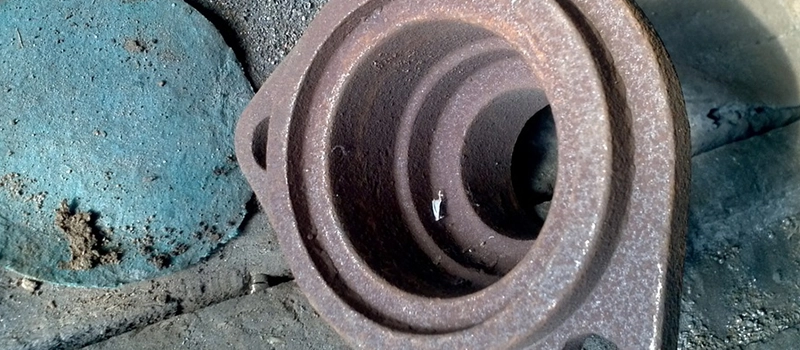
For these reasons, resin sand is frequently cited when addressing different types of sand used in casting for complex or precision components.
Limitations of Resin Sand Systems
Despite their advantages, resin sand systems also present challenges:
- Higher material and processing cost
- Increased gas generation from binder decomposition
- More complex sand reclamation requirements
- Environmental and emission considerations
These factors influence the selection of resin sand among the various sand casting types and must be evaluated in relation to production objectives.
Silica Sand: Properties and Uses in Casting
Silica sand is the most widely used base sand in metal casting and forms the foundation of many types of sand used in casting. Its popularity is due to availability, cost efficiency, and suitable physical properties.
Physical Properties of Silica Sand
Key properties of silica sand relevant to casting include:
- High refractoriness
- Controlled grain size and distribution
- Adequate permeability
- Good bonding compatibility with clays and resins
These properties explain why silica sand is central to many casting sand types, regardless of the binder system used.
Influence of Silica Sand on Casting Performance
Grain size and grain shape of silica sand directly affect:
- Surface finish of castings
- Gas permeability of molds
- Mold strength and compaction behavior
As a result, when engineers ask what type of sand is used in sand casting, the answer often involves silica sand combined with a specific bonding system.
Thermal Expansion Considerations
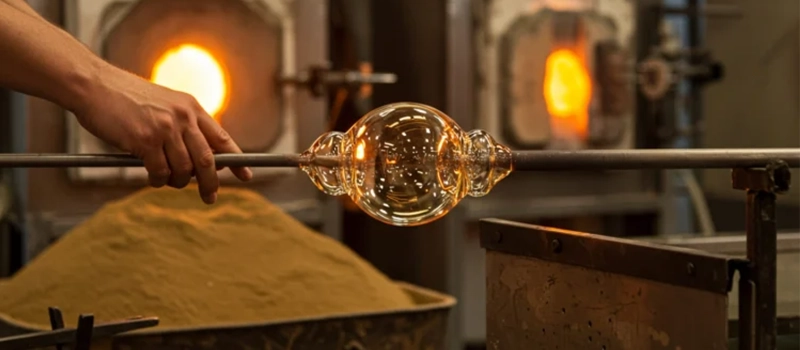
Silica sand undergoes phase transformations at elevated temperatures, leading to thermal expansion. This behavior can influence surface defects such as veining or scabbing if not properly controlled. Therefore, silica sand selection is a critical factor when comparing different types of sand casting systems.
Characteristics of Ideal Casting Sand
Understanding the types of sand used in casting requires more than identifying sand names or classifications. In metal casting engineering, ideal casting sand is defined by a set of measurable physical and chemical characteristics. These characteristics determine whether the sand can perform reliably throughout mold preparation, metal pouring, solidification, and shakeout.
Across different types of sand used in casting, the same fundamental performance requirements apply. Regardless of whether the sand system is moisture-bonded or chemically bonded, casting sand must satisfy specific criteria to ensure mold integrity and casting quality.
Refractoriness and Thermal Stability
Refractoriness is a primary requirement for all types of sand used in casting. Casting sand must withstand high pouring temperatures without melting, fusing, or reacting with molten metal.
Inadequate refractoriness can result in:
- Sand fusion
- Burn-on defects
- Metal penetration
- Degraded surface finish
The refractoriness requirement becomes more critical as alloy pouring temperature increases. Therefore, when evaluating types of sand used in casting, the base sand material and its thermal resistance are always considered first.
Strength and Mold Integrity
Mold strength is another essential characteristic of ideal casting sand. Among different types of sand used in casting, sufficient strength is required to maintain mold shape during handling and pouring.
Casting sand must provide:
- Adequate green or cured strength
- Resistance to erosion by molten metal
- Stability under compaction forces
Insufficient strength leads to mold collapse, sand inclusion, and dimensional distortion. Excessive strength, however, may reduce collapsibility. This balance is a defining factor when comparing sand casting sand types.
Gas Permeability
Gas permeability refers to the ability of sand to allow gases to escape during pouring and solidification. It is one of the most critical performance indicators across all types of sand used in casting.
Poor permeability often causes:
- Blowholes
- Pinholes
- Subsurface porosity
Permeability is influenced by grain size, grain distribution, binder content, and compaction level. Therefore, when discussing what type of sand is used in casting, permeability is evaluated as a system property rather than an isolated sand feature.
Collapsibility After Solidification
Collapsibility describes how easily the sand mold breaks down after metal solidification. Ideal collapsibility is required across different types of sand used in casting to prevent cracking, hot tearing, and excessive residual stress in castings.
Casting sand with poor collapsibility may:
- Restrict casting contraction
- Increase risk of internal stress
- Complicate shakeout and cleaning
As a result, collapsibility is a key factor when comparing types of sand used in sand casting, especially for alloys with high shrinkage characteristics.
Grain Size and Grain Shape
Grain characteristics strongly influence the performance of types of sand used in casting. Grain size and shape affect mold packing density, surface finish, and gas permeability.
- Coarse grains improve permeability but reduce surface quality
- Fine grains improve surface finish but reduce permeability
- Rounded grains improve flowability
- Angular grains increase strength
Optimizing grain characteristics is essential when selecting casting sand types for specific quality requirements.
Chemical Compatibility with Molten Metal
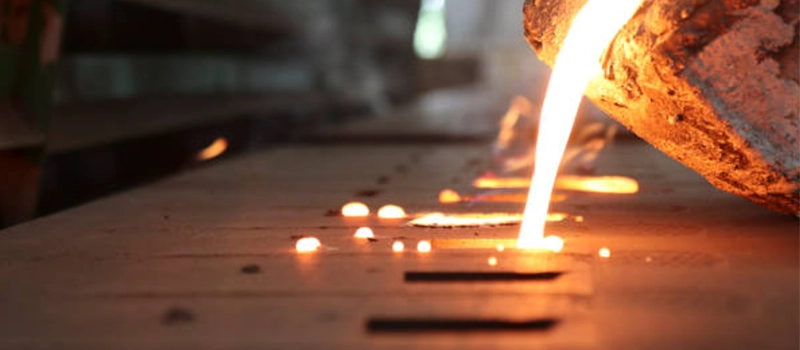
Chemical stability between sand and molten metal is a fundamental requirement for all types of sand used in casting. Reactive interactions can cause surface defects, metal penetration, or inclusion formation.
An ideal casting sand must:
- Resist chemical reaction at high temperature
- Minimize metal-sand adhesion
- Maintain structural stability during contact with molten metal
This requirement explains why base sand purity and binder selection are central to discussions about what type of sand is used for sand casting.
Reusability and System Stability
In modern foundries, most types of sand used in casting are part of a recycling loop. Reusability and stability over multiple cycles are therefore essential characteristics of ideal casting sand.
Key considerations include:
- Resistance to degradation during reuse
- Control of fines accumulation
- Stability of bonding performance
- Predictable behavior over time
System stability ensures that the selected types of sand used in casting deliver consistent results rather than variable quality across production runs.
Consistency and Process Control
Finally, consistency is the defining characteristic of ideal casting sand. Across all types of sand used in casting, performance must remain predictable under changing production conditions.
Consistent casting sand enables:
- Stable mold properties
- Repeatable casting quality
- Reduced defect variability
Without consistency, even technically suitable types of sand used in casting can lead to unreliable production outcomes.
Conclusion: Choosing the Right Sand for Successful Metal Casting
The types of sand used in casting directly determine mold performance, defect formation, and production consistency. Understanding casting sand characteristics allows objective selection based on thermal stability, strength, permeability, and system control, ensuring reliable and repeatable results in sand casting operations.