What makes tin bronze one of the most trusted engineering materials in industrial history? Why does the alloy of copper and tin continue to outperform many modern alloys? And how does the percentage of tin in bronze influence strength, wear resistance, and durability in real manufacturing environments?
Tin bronze is an alloy of copper and tin that has defined industrial durability for centuries. From early metallurgy to modern tin bronze casting, the controlled combination of copper and tin creates a bronze alloy with exceptional mechanical strength, corrosion resistance, and wear performance. The ratio of copper to tin in bronze directly determines hardness and load capacity, making tin bronze one of the most reliable materials in demanding industrial applications.
Understanding tin bronze composition, properties, and industrial advantages allows manufacturers to choose the right alloy with confidence and long-term performance assurance.
Composition and Properties of Tin Bronze
When we talk about tin bronze, we are referring to one of the most established copper-based alloys in metallurgy. At its core, tin bronze is a bronze alloy of copper and tin. The interaction between copper and tin defines its mechanical behavior, structural stability, and industrial reliability.
Bronze is copper and tin. More precisely, bronze is an alloy of copper and tin in carefully controlled proportions. While small variations in composition may appear minor, even a slight adjustment in the percentage of tin in bronze significantly changes hardness, tensile strength, and wear resistance. This is why composition control is fundamental in every serious manufacturing environment.
Bronze Is an Alloy of Copper and Tin
From a metallurgical standpoint, bronze is made of copper and tin through a controlled melting and solidification process. When copper and tin make bronze, the tin atoms dissolve into the copper matrix, strengthening the structure through solid-solution hardening.
This is not a simple mixture. Bronze is a mixture of copper and tin at the atomic level, forming a stable crystalline structure. Because bronze is an alloy of copper and tin, its internal grain structure is tighter and stronger than pure copper. That structural refinement increases resistance to deformation and improves fatigue performance under repeated load.
The ratio of copper to tin in bronze determines its classification. In most industrial grades, copper content typically ranges between 85% and 95%, while tin content varies between 5% and 15%. The exact copper to tin ratio for bronze depends on the intended application.
For example:
- Lower tin content improves ductility and machinability.
- Higher tin content increases hardness and wear resistance.
- Excessive tin reduces toughness and may cause brittleness.
Understanding how much tin is in bronze is essential. The percentage of copper and tin in bronze directly affects casting behavior, shrinkage rate, and final mechanical properties.
Tin Bronze Composition and Microstructure
The composition of tin bronze is not limited to copper and tin alone. While copper and tin bronze forms the base alloy, trace elements are sometimes introduced to refine performance.
Common additions include:
- Phosphorus (in tin phosphor bronze) for improved wear resistance
- Lead (in leaded tin bronze or high leaded tin bronze) for enhanced machinability
- Nickel (in nickel tin bronze) for improved strength and corrosion resistance
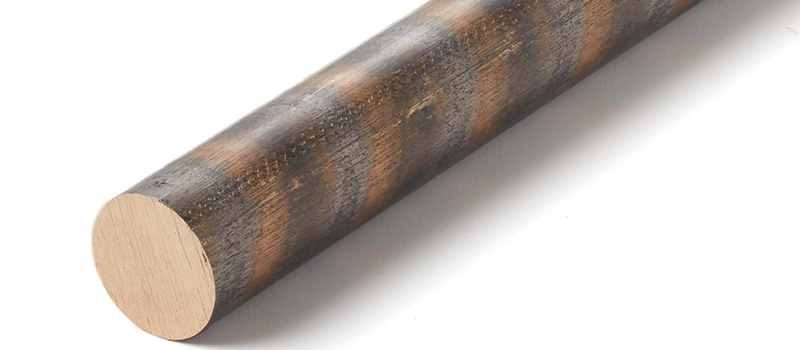
However, the defining feature remains the copper and tin relationship. Tin in bronze acts as the strengthening element. As tin content increases, the alloy transitions from a more ductile alpha phase to a harder alpha-plus-delta phase structure. This microstructural transformation explains why high tin bronze exhibits greater hardness but reduced elongation.
The melting point of tin bronze also varies according to composition. Pure copper melts at approximately 1085°C, while tin melts at around 232°C. When combined into a copper tin bronze alloy, the melting range drops slightly compared to pure copper, generally between 950°C and 1050°C depending on composition. This controlled melting range supports efficient tin bronze casting processes.
Mechanical Properties of Tin Bronze
The mechanical performance of tin bronze is the reason it remains widely used in engineering. Because bronze is made up of copper and tin, it inherits copper’s corrosion resistance and thermal conductivity while gaining strength from tin addition.
Key properties include:
- High wear resistance
- Good corrosion resistance, especially in marine environments
- Moderate to high tensile strength
- Excellent fatigue resistance
- Low friction coefficient
Compared to pure copper, copper tin bronze demonstrates significantly higher hardness. Compared to many other bronze alloys, properly formulated tin-bearing bronze maintains dimensional stability under load.
The ratio of copper and tin in bronze determines yield strength and elongation. For example, increasing tin content from 6% to 10% can raise hardness substantially while reducing ductility. This balance must be carefully engineered to match load requirements and service conditions.
In industrial practice, selecting the correct tin bronze alloy requires precise control of:
- Percentage of tin in bronze
- Cooling rate during casting
- Grain refinement
- Post-processing such as machining or heat treatment
Because bronze is an alloy of copper and tin, any deviation in copper to tin ratio in bronze may lead to inconsistent mechanical performance. That is why professional manufacturing environments treat composition control as a core quality parameter.
Benefits of Using Tin Bronze in Manufacturing
Material selection in manufacturing directly affects durability, maintenance cycles, and long-term operating cost. In industrial environments where friction, pressure, and corrosion coexist, copper–tin alloys continue to provide a balanced and stable solution.
Wear Resistance and Friction Performance
One of the most important advantages of tin bronze is its exceptional wear resistance. The interaction between copper and tin forms a hardened matrix that resists surface deformation during sliding contact. This makes the material highly suitable for bushings, bearings, thrust washers, and guide components.
Under continuous friction, softer metals may gall or seize. In contrast, properly formulated bronze alloys maintain a stable contact surface. The relatively low friction coefficient helps reduce heat generation, which in turn lowers the risk of premature component failure. In heavy mechanical systems, this characteristic significantly extends service life.
Corrosion Resistance in Harsh Environments
Copper naturally provides resistance to oxidation, and the addition of tin enhances this property further. As a result, the alloy performs reliably in humid, marine, and mildly acidic environments.
In seawater applications, structural stability is critical. Many ferrous materials require coatings or frequent replacement due to corrosion. Copper–tin alloys, however, develop protective surface layers that slow further degradation. This makes them practical for marine hardware, pump housings, and fluid-handling systems exposed to saltwater.
Mechanical Strength and Fatigue Stability
Compared to pure copper, tin bronze exhibits higher tensile strength and improved fatigue resistance. The presence of tin strengthens the crystalline structure, enabling the alloy to withstand repeated mechanical stress without cracking.
In rotating machinery, cyclic loading is unavoidable. Shafts, sleeves, and support components must endure vibration over extended periods. Materials that maintain dimensional stability under these conditions help prevent alignment issues and unexpected downtime. The structural integrity of copper–tin alloys supports consistent performance in such demanding scenarios.
Machinability and Production Efficiency
Manufacturing efficiency is another key benefit. Certain grades, especially those containing controlled additions of lead, offer improved machinability. Cutting forces are reduced, tool wear is minimized, and surface finish quality improves.
For production facilities, this translates into lower machining costs and higher throughput. Precision tolerances are easier to achieve, particularly for complex geometries. Reliable machining behavior also reduces scrap rates and improves overall quality consistency.
Casting Fluidity and Process Reliability
The casting performance of this alloy system is well suited to industrial production. During melting and pouring, the material demonstrates good fluidity, allowing molten metal to fill detailed mold cavities effectively.
Stable solidification characteristics reduce internal porosity and shrinkage defects. As a result, manufacturers can produce components with predictable mechanical properties and structural soundness. This consistency is essential in large-scale production environments.
Long-Term Economic Value
While raw material pricing depends on composition and market conditions, lifecycle cost often tells a more important story. Extended service life, lower maintenance frequency, and reduced replacement rates contribute to overall cost efficiency.
When components remain functional for longer periods without failure, equipment uptime increases. In sectors such as construction, mining, and agriculture, minimizing downtime directly impacts operational profitability. Materials that combine wear resistance, corrosion stability, and mechanical strength support this objective effectively.
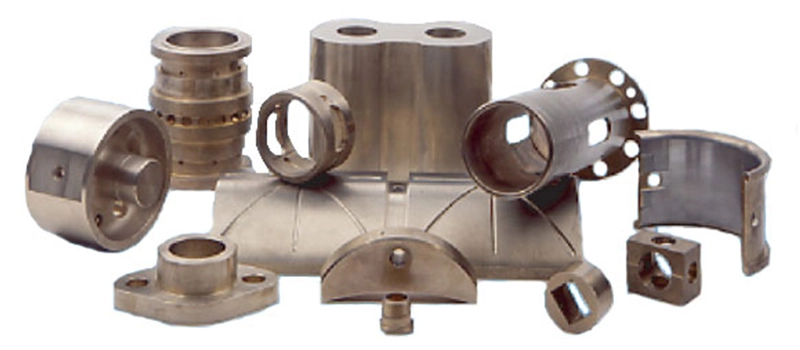
Common Applications of Tin Bronze
Across modern industry, material reliability determines equipment lifespan and operational safety. Because bronze is an alloy of copper and tin, it combines structural strength with corrosion resistance, making it suitable for demanding mechanical environments. Its balanced properties allow it to function under friction, load, and environmental exposure without rapid degradation.
Bearings and Bushings
One of the most widespread uses of tin bronze is in bearings and bushings. These components operate under continuous sliding contact and must withstand both pressure and motion. The alloy’s wear resistance and low friction characteristics make it ideal for such applications.
In heavy equipment, bushings absorb shock and reduce vibration between moving parts. A stable copper–tin matrix prevents surface scoring and minimizes seizure risk. This is especially important in construction and mining machinery, where equipment operates for extended hours under high load conditions. Consistent material performance reduces downtime and extends maintenance intervals.
Gears and Worm Wheels
Mechanical transmission systems often rely on bronze components for durability and noise reduction. Worm gears, in particular, benefit from the alloy’s anti-friction properties. When paired with hardened steel shafts, the bronze gear acts as a sacrificial yet durable surface that reduces overall system wear.
The strength provided by tin improves load-bearing capacity, while the copper base ensures heat dissipation during operation. This balance allows gear systems to operate smoothly even under variable torque conditions. Stability under repeated stress cycles is essential in industrial automation systems and power transmission equipment.
Marine Hardware and Pump Components
In marine environments, corrosion resistance becomes a primary concern. Because bronze is made of copper and tin, it demonstrates strong resistance to seawater corrosion compared to many ferrous materials. This makes it suitable for propeller components, pump housings, valve bodies, and marine fittings.
Saltwater exposure accelerates oxidation in ordinary metals. However, copper–tin alloys form protective surface films that slow corrosive attack. This self-protecting behavior supports long service life in coastal and offshore equipment. Marine reliability depends heavily on materials that resist both corrosion and mechanical wear.
Valve Bodies and Industrial Fittings
Fluid control systems require materials that tolerate pressure, temperature variation, and chemical exposure. Tin bronze is frequently used in valve seats, valve bodies, and pipeline fittings because it maintains dimensional stability under internal pressure.
In petrochemical and water treatment systems, the combination of corrosion resistance and mechanical integrity is critical. Components must endure both static load and flow-induced vibration. The alloy’s structural strength helps prevent cracking or deformation during long-term operation.
Electrical and Conductive Components
Although not as conductive as pure copper, copper–tin alloys still retain moderate electrical conductivity. This allows their use in certain electrical connectors, switch components, and conductive mechanical parts where added strength is required.
The addition of tin strengthens the structure without completely sacrificing conductivity. In applications where mechanical durability is as important as electrical performance, this balance becomes valuable. Structural rigidity reduces deformation that could otherwise disrupt electrical contact.
Heavy Machinery and Structural Parts
In agricultural, mining, and construction equipment, components often face abrasive particles, shock loads, and outdoor exposure. Materials used in these environments must resist surface wear and maintain strength under impact.
Tin bronze performs well in thrust plates, sliding rails, and load-bearing supports. The alloy’s ability to maintain dimensional accuracy under pressure ensures stable alignment within mechanical assemblies. This reliability is especially important in systems where precision affects safety and operational continuity.
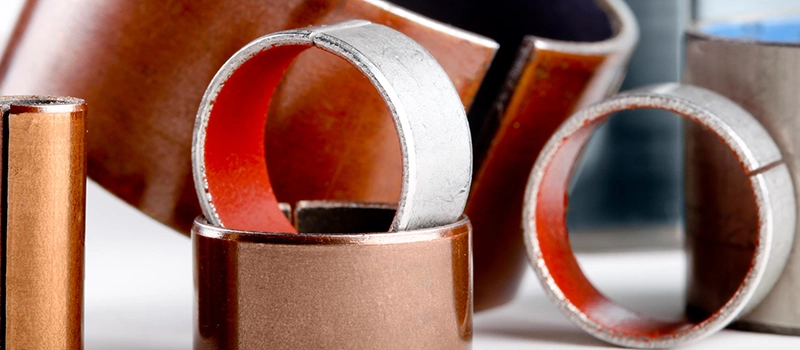
Custom Casting Components
The casting behavior of copper–tin alloys supports complex geometries. Manufacturers frequently produce custom-designed parts for industrial machinery using controlled casting processes. Good fluidity during pouring allows molds to fill completely, reducing internal voids.
After casting, the material can be machined to tight tolerances. This combination of castability and machinability makes it suitable for specialized industrial components that require both structural integrity and precise finishing.
Tin Bronze vs. Other Alloys: A Comparison
When selecting an industrial alloy, engineers rarely look at strength alone. They evaluate wear resistance, corrosion behavior, casting characteristics, machinability, and long-term stability. To better understand material positioning, it is helpful to compare copper–tin alloys with other common bronze and copper-based systems.
Below is a structured comparison highlighting key performance differences.
Tin Bronze vs Aluminum Bronze
| Property | Tin Bronze | Aluminum Bronze |
|---|---|---|
| Main Alloying Element | Tin | Aluminum |
| Strength | Moderate to high | Very high |
| Wear Resistance | Excellent | Excellent |
| Corrosion Resistance | Strong, especially marine | Superior in seawater |
| Machinability | Good to very good | Moderate |
| Casting Performance | Stable and reliable | More sensitive to control |
| Cost Stability | Relatively stable | Often higher due to alloying elements |
Aluminum bronze is known for extremely high strength and superior resistance to seawater corrosion. However, it can be more difficult to machine and requires stricter casting control. Copper–tin alloys offer a more balanced combination of strength, machinability, and production reliability, making them widely used in general industrial applications.
Tin Bronze vs High Leaded Tin Bronze
| Property | Standard Tin Bronze | High Leaded Tin Bronze |
|---|---|---|
| Lead Content | Low or none | High |
| Wear Resistance | High | Very high in sliding |
| Machinability | Good | Excellent |
| Load Capacity | Strong | Slightly reduced at extreme load |
| Friction Behavior | Stable | Superior anti-friction |
High leaded tin bronze introduces lead to improve machinability and anti-friction properties. It performs exceptionally well in bearing applications where lubrication is critical. However, excessive lead content may reduce structural strength under extreme pressure. Standard grades maintain a better balance between load-bearing capacity and wear resistance.
Tin Bronze vs Nickel Tin Bronze
| Property | Tin Bronze | Nickel Tin Bronze |
|---|---|---|
| Strength | High | Higher |
| Corrosion Resistance | Good | Improved |
| Hardness | Moderate to high | Higher |
| Cost | Moderate | Higher |
| Application Focus | General industrial | Heavy-duty, marine, high stress |
Nickel additions improve strength and corrosion resistance further. This makes nickel-containing grades suitable for high-stress marine and offshore environments. However, the increased alloying cost must be justified by performance requirements.
Tin Bronze vs Arsenic Bronze
| Property | Tin Bronze | Arsenic Bronze |
|---|---|---|
| Primary Strengthening Element | Tin | Arsenic |
| Industrial Use Today | Very common | Limited modern use |
| Safety Considerations | Safe industrial alloy | Restricted due to toxicity |
| Mechanical Strength | Stable and reliable | Historically strong |
Arsenic bronze was used historically but is rarely chosen in modern industry due to health and safety concerns. Copper–tin systems provide comparable strength without toxicity risks, making them the preferred solution today.
Tin Bronze vs Bismuth Bronze
| Property | Tin Bronze | Bismuth Bronze |
|---|---|---|
| Machinability | Good | Improved |
| Environmental Compliance | Established | Often used as lead-free option |
| Wear Resistance | High | Moderate to high |
| Structural Strength | Reliable | Slightly lower in some grades |
Bismuth-containing bronze alloys are sometimes selected as environmentally friendly alternatives to leaded grades. While machinability improves, mechanical strength may vary depending on formulation. Material choice depends on regulatory requirements and performance priorities.
Tin Bronze vs Phosphor Bronze
| Property | Tin Bronze | Tin Phosphor Bronze |
|---|---|---|
| Additional Element | None or minimal | Phosphorus |
| Fatigue Resistance | Strong | Very strong |
| Wear Performance | Excellent | Improved |
| Elasticity | Moderate | Higher |
Phosphorus enhances wear resistance and fatigue life. Tin phosphor bronze is often used in springs and electrical contacts where elasticity is important. Standard copper–tin alloys remain common in load-bearing mechanical parts.
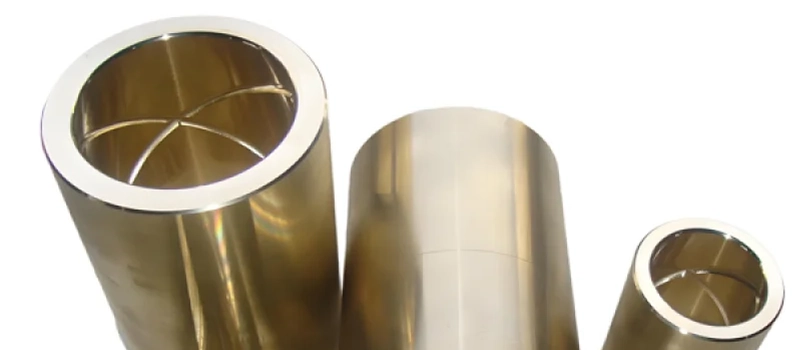
Overall Positioning in Industrial Alloys
When compared across alloy systems, tin bronze offers a balanced combination of:
- Mechanical strength
- Wear resistance
- Corrosion stability
- Machinability
- Predictable casting behavior
Some alternative alloys exceed it in specific properties, such as extreme strength or corrosion resistance. However, few provide the same equilibrium between performance, production efficiency, and cost control.
This balanced profile explains why copper–tin systems remain widely selected in bearings, gears, marine components, and structural machinery parts across global industries.
Conclusion: The Future of Tin Bronze in Industry
Tin bronze remains a reliable and adaptable alloy in modern engineering. Its balanced combination of strength, wear resistance, corrosion stability, and machinability ensures continued relevance across industrial sectors. As manufacturing standards evolve and performance expectations rise, copper–tin alloys will continue to provide dependable solutions for demanding mechanical and structural applications.