According to the International Journal of Refractory Metals and Hard Materials, refractory metals are characterized by exceptionally high melting points, superior mechanical strength at elevated temperatuhttps://en.wikipedia.org/wiki/Molybdenumres, and remarkable resistance to wear and corrosion. These materials occupy a critical position in modern high-temperature engineering, where conventional metals fail to maintain structural stability.
Refractory metals typically include tungsten, molybdenum, tantalum, niobium, and rhenium. Their unique atomic structure and strong metallic bonding provide outstanding thermal stability, high modulus of elasticity, and excellent creep resistance. As a result, they are widely applied in aerospace propulsion systems, high-temperature furnaces, nuclear technology, advanced tooling, and precision industrial equipment.
This article examines the powerful properties and advantages of refractory metals, exploring their key characteristics, common types, industrial applications, and manufacturing processes. By understanding their material behavior and engineering performance, industries can better evaluate why refractory metals remain indispensable in extreme service environments.
Characteristics of Refractory Metals
Refractory metals are defined by a combination of physical and mechanical characteristics that distinguish them from conventional structural metals such as steel, aluminum, and copper alloys. Their performance is governed primarily by atomic bonding strength and crystal structure, which contribute to their exceptional behavior under extreme thermal and mechanical conditions. These characteristics are not isolated traits; rather, they form an interconnected system of properties that enable reliable operation in demanding industrial environments.
Exceptionally High Melting Points
One of the most defining characteristics is an extraordinarily high melting temperature. Most materials classified in this category exhibit melting points above 2,000°C, significantly exceeding those of common engineering metals. Tungsten, for example, possesses one of the highest melting points among all metallic elements.
This thermal stability allows components to maintain structural integrity in environments involving intense heat flux, arc discharge, or sustained high-temperature exposure. Unlike lower-melting-point alloys, these metals resist softening and phase instability when subjected to prolonged thermal cycling. The ability to endure extreme temperatures without deformation is fundamental to their industrial relevance.
Superior High-Temperature Strength
Another critical characteristic is the retention of mechanical strength at elevated temperatures. Many conventional metals lose load-bearing capacity as temperature rises due to increased atomic mobility and grain boundary sliding. In contrast, refractory materials exhibit high modulus of elasticity and strong interatomic bonding, which help preserve stiffness and tensile strength under thermal stress.
This resistance to thermal softening reduces the likelihood of creep deformation. Creep, defined as time-dependent plastic deformation under sustained load at high temperature, can compromise structural safety in critical systems. The inherent creep resistance of these materials makes them suitable for components exposed to continuous thermal and mechanical loads.
Excellent Creep and Fatigue Resistance
Creep resistance is closely linked to grain structure stability and diffusion mechanisms. These metals typically demonstrate slow diffusion rates at high temperatures, limiting microstructural degradation. As a result, they perform reliably in applications where dimensional stability is essential over long service periods.
In addition to creep performance, fatigue resistance under thermal cycling is another key characteristic. Repeated heating and cooling cycles can induce thermal expansion and contraction, leading to stress accumulation. The strong lattice structure and high recrystallization temperatures of refractory materials help mitigate crack initiation and propagation under such cyclic conditions.
High Density and Structural Stability
Many refractory metals possess relatively high density compared to lighter structural metals. While this may increase overall component weight, it contributes to enhanced radiation shielding capacity and mechanical damping in specific applications. Structural stability under stress is supported by their body-centered cubic crystal structure, which provides resilience against slip deformation at elevated temperatures.
The combination of density, strength, and thermal stability creates a material profile suited to environments where both mechanical robustness and thermal endurance are mandatory.
Corrosion and Wear Resistance
Resistance to corrosion and surface degradation is another notable trait. In controlled atmospheres or vacuum environments, these metals exhibit excellent chemical stability. Although some are susceptible to oxidation at very high temperatures in open air, protective coatings or controlled environments effectively mitigate this limitation.
Wear resistance is also enhanced by high hardness and strength. Under abrasive conditions or high-pressure contact, surface integrity is better preserved compared to softer alloys. This reduces maintenance frequency and prolongs service life in precision tooling and high-temperature assemblies.
Thermal and Electrical Conductivity
Despite their extreme melting points, many refractory materials maintain favorable thermal and electrical conductivity. This combination is particularly valuable in applications requiring efficient heat dissipation or stable electrical performance under elevated temperatures.
For example, certain members of this material group are used in electrical contacts and heating elements because they can withstand intense current flow without significant degradation. The balance between conductivity and thermal resistance distinguishes them from ceramics, which may offer high-temperature resistance but lack comparable electrical performance.
Recrystallization Behavior and Microstructural Stability
Recrystallization temperature is a critical factor in determining long-term stability. Refractory metals typically possess high recrystallization temperatures, meaning they maintain their cold-worked strength over a broader temperature range. This characteristic helps preserve mechanical performance even after prolonged exposure to heat.
Microstructural stability directly influences dimensional accuracy and mechanical reliability. Fine-grained structures can be maintained at temperatures that would cause significant grain growth in other metals. This stability contributes to consistent performance in precision-engineered components.
Common Types of Refractory Metals
Refractory metals are generally classified as metallic elements with melting points above approximately 2,000°C and the ability to retain strength at elevated temperatures. Although definitions may vary slightly in academic literature, five primary elements are universally recognized as the core members of this category: tungsten, molybdenum, tantalum, niobium, and rhenium. In advanced materials science, several additional high-melting-point elements and their alloys are also discussed within the broader refractory metal family.
Tungsten
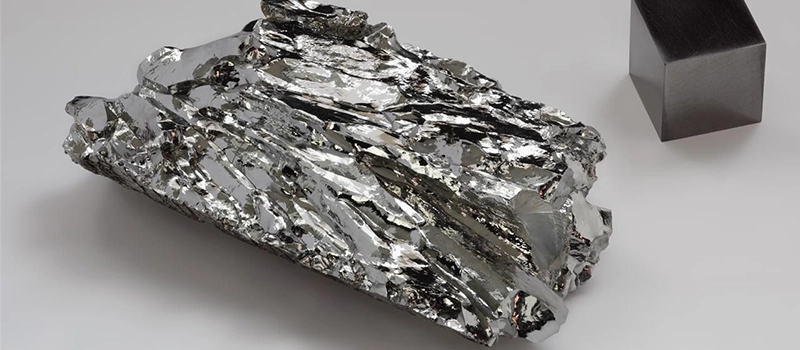
Tungsten is widely regarded as the most heat-resistant metallic element. It has the highest melting point of all pure metals and exhibits exceptional hardness and strength at elevated temperatures. Its high density and low vapor pressure make it particularly suitable for extreme thermal environments.
Tungsten maintains structural integrity under intense heat loads and resists deformation during prolonged exposure to high temperatures. Because of these properties, it is frequently used in high-temperature tooling, heating elements, aerospace components, and radiation shielding systems. Its strong resistance to erosion under arc discharge conditions also supports its use in electrical and plasma-based applications.
Molybdenum
Molybdenum combines a high melting point with comparatively lower density than tungsten, offering a balance between thermal performance and weight reduction. It demonstrates excellent creep resistance and stable mechanical behavior under vacuum or controlled atmospheres.
Unlike some other high-melting-point metals, molybdenum is relatively easier to machine when properly processed. Its thermal conductivity and moderate coefficient of thermal expansion make it suitable for structural components subjected to cyclic heating. It is often selected for furnace components, high-temperature molds, and advanced industrial tooling.
Tantalum
Tantalum is distinguished by its outstanding corrosion resistance in addition to its high melting temperature. It forms a stable oxide layer that protects against chemical attack in many aggressive environments.
This unique chemical stability allows tantalum to perform reliably in environments involving strong acids or reactive media. It also exhibits excellent ductility compared to other refractory elements, which facilitates fabrication into complex geometries. Its combination of heat resistance and chemical inertness broadens its applicability in specialized industrial systems.
Niobium
Niobium offers a comparatively lower density among the primary refractory elements while still maintaining strong thermal and mechanical performance. It demonstrates good formability and weldability relative to other members of this material group.
Its superconducting characteristics at low temperatures add another dimension to its material profile. In addition, niobium enhances alloy systems by improving strength and high-temperature stability when added to other refractory metals or superalloys. Its versatility makes it valuable in both structural and advanced technological applications.
Rhenium
Rhenium is less abundant but plays a critical role in high-performance alloys. It has one of the highest melting points among metallic elements and exhibits exceptional creep resistance.
When alloyed with tungsten or molybdenum, rhenium significantly improves ductility and fatigue resistance. These improvements are especially valuable in environments where thermal shock and cyclic loading are common. Due to its scarcity and cost, rhenium is typically used in small proportions to enhance overall material performance.
Advanced Refractory Metals
Beyond the five primary elements, advanced refractory materials include high-melting-point metals such as hafnium and certain platinum-group metals when evaluated in extreme-temperature contexts. While not always classified strictly within the traditional list, these materials demonstrate comparable thermal endurance and are sometimes discussed in extended material classifications.
Hafnium, for instance, offers excellent resistance to oxidation and high neutron absorption capacity, making it valuable in specialized high-temperature or nuclear-related systems. Such advanced materials expand the functional boundaries of refractory metal technology.
Refractory Metal Alloys
Pure elements are often modified to enhance performance. Refractory metal alloys combine two or more high-melting-point elements to optimize strength, ductility, oxidation resistance, or machinability.
Common alloy systems include tungsten–rhenium, molybdenum–lanthanum oxide, and niobium-based high-temperature alloys. Alloying can reduce brittleness, improve thermal shock resistance, and increase resistance to grain growth at elevated temperatures.
These alloy systems are critical in applications where pure metals alone cannot meet the full range of mechanical and environmental demands.
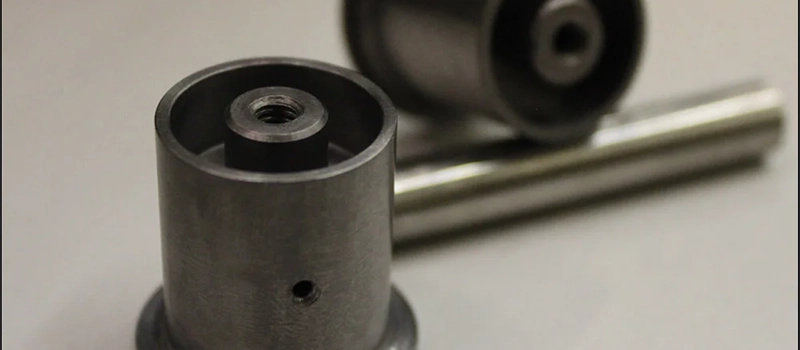
Refractory Metals and Hard Materials
In some industrial classifications, refractory metals are discussed alongside hard materials such as carbides and nitrides. While ceramics and carbides differ in bonding structure, the comparison highlights the role of high-temperature stability and hardness in material selection.
For example, tungsten carbide combines the heat resistance of tungsten with ceramic-like hardness, providing exceptional wear resistance. Although carbides are technically composite materials rather than pure refractory metals, their relationship illustrates how high-melting-point elements contribute to advanced hard material systems.
Applications of Refractory Metals in Industry
Refractory metals are indispensable in industries where extreme temperature, high pressure, and aggressive environments exceed the limits of conventional engineering materials. The unique properties of refractory metals—especially their high melting points, creep resistance, and structural stability—allow them to function reliably in applications that demand long-term thermal endurance. Their performance characteristics directly influence safety, efficiency, and durability in advanced industrial systems.
Aerospace and Defense Systems
In aerospace engineering, refractory metals play a critical role in high-temperature propulsion and structural components. Rocket nozzles, thrust chambers, heat shields, and guidance system components often operate under intense thermal loads. Under such conditions, standard alloys may soften or deform, whereas refractory metals maintain dimensional stability and mechanical strength.
Tungsten- and rhenium-based refractory metals are frequently selected for rocket engine parts due to their ability to resist thermal erosion and high-velocity gas flow. Molybdenum alloys are also used in structural assemblies exposed to cyclic heating. The high modulus of elasticity and low creep rate of refractory metals ensure reliable performance in flight-critical environments.
High-Temperature Furnaces and Thermal Processing
Industrial furnaces rely heavily on refractory metals for heating elements, structural supports, and shielding components. In vacuum furnaces and controlled-atmosphere systems, refractory metals such as molybdenum and tungsten provide stable thermal conductivity while maintaining strength at elevated temperatures.
Heating elements manufactured from refractory metals can operate at temperatures far exceeding those tolerated by conventional alloys. Their low vapor pressure and resistance to thermal fatigue make them ideal for long-duration heat treatment cycles. As a result, refractory metals are central to sintering, annealing, brazing, and powder metallurgy processes.
Nuclear and Energy Applications
The nuclear industry requires materials capable of withstanding radiation exposure, high temperatures, and mechanical stress. Refractory metals meet these demands due to their high melting points and structural resilience.
Certain refractory metals demonstrate low neutron absorption or, in some cases, high neutron capture properties depending on the application. Their stability under irradiation makes them suitable for reactor components, shielding elements, and specialized energy systems. In advanced energy research, refractory metals and alloys are also investigated for use in fusion-related technologies, where extreme thermal conditions are routine.
Electronics and Electrical Systems
Refractory metals contribute significantly to high-performance electrical and electronic systems. Their stable electrical conductivity at elevated temperatures makes them suitable for contacts, electrodes, and filament applications.
Tungsten filaments, for example, have historically been used in lighting technology due to their ability to sustain incandescence without melting. In modern electronics, refractory metals serve as diffusion barriers, sputtering targets, and semiconductor processing materials. The combination of thermal stability and electrical reliability supports precision manufacturing in microelectronics.
Chemical and Petrochemical Processing
In chemically aggressive environments, certain refractory metals provide resistance to corrosion and chemical degradation. Tantalum, in particular, is valued for its protective oxide layer that shields against acid attack.
Equipment components used in petrochemical refining, high-pressure reactors, and specialty chemical processing may incorporate refractory metals to ensure long-term stability. The ability of refractory metals to endure both thermal stress and corrosive exposure expands their relevance beyond purely high-temperature mechanical applications.
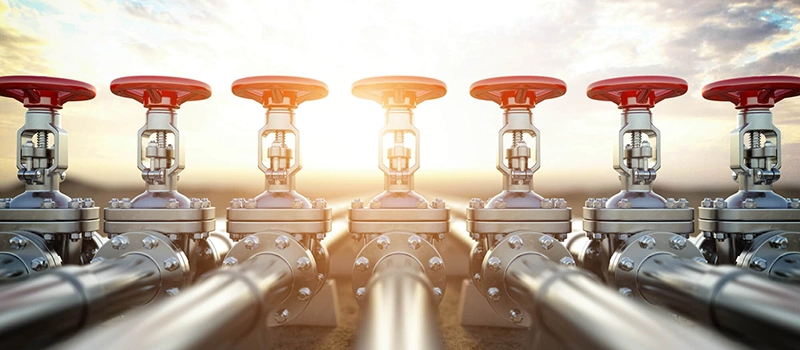
Tooling and Hard Material Systems
Refractory metals are frequently integrated into tooling systems designed for cutting, forming, and high-pressure operations. Their hardness and wear resistance contribute to improved service life in dies, molds, and high-stress tooling assemblies.
When combined with carbides or other hard materials, refractory metals enhance structural reinforcement and thermal tolerance. These composite systems enable machining processes that generate significant frictional heat without compromising dimensional accuracy. In advanced manufacturing environments, refractory metals support precision tooling solutions where reliability under thermal stress is essential.
Medical and Specialized Industrial Uses
Certain refractory metals also appear in specialized medical and high-tech industrial applications. Their biocompatibility, chemical stability, and mechanical strength allow them to be used in surgical instruments and implantable devices when properly processed.
In addition, refractory metals are utilized in vacuum technology, X-ray equipment, and specialized instrumentation where dimensional precision and thermal stability are mandatory. These niche applications further demonstrate the versatility of refractory metals across diverse technological fields.
Advantages of Using Refractory Metals
The advantages of refractory metals arise directly from their extreme thermal tolerance, mechanical reliability, and long-term structural stability. In environments where conventional alloys rapidly degrade, refractory metals continue to perform with minimal loss of strength or dimensional integrity. These advantages explain why refractory metals are selected for mission-critical components across high-temperature industries.
Exceptional Thermal Resistance
One of the most significant advantages of refractory metals is their ability to operate at temperatures far beyond the capabilities of common engineering materials. With melting points typically above 2,000°C, refractory metals maintain structural cohesion under sustained heat exposure.
This thermal endurance reduces the risk of catastrophic failure in systems exposed to flame, plasma, or intense radiant energy. Unlike traditional steels or superalloys that may soften or creep under prolonged heating, refractory metals preserve their mechanical properties over extended service cycles. This stability ensures predictable performance in high-temperature operations.
Superior Mechanical Strength at Elevated Temperatures
Another critical advantage of refractory metals is their retention of mechanical strength at high temperatures. Many metals experience rapid strength degradation as temperature rises due to increased atomic diffusion and grain boundary movement. Refractory metals, however, exhibit strong interatomic bonding and high elastic modulus, which allow them to resist deformation under load.
This strength retention reduces creep deformation and enhances structural reliability in load-bearing components. Equipment that must endure sustained stress at elevated temperatures benefits significantly from the mechanical resilience provided by refractory metals.
Extended Service Life and Reduced Maintenance
Durability is a major operational advantage. Refractory metals resist wear, deformation, and thermal fatigue more effectively than many alternative materials. Their resistance to creep, grain growth, and structural softening contributes to prolonged service intervals.
Extended component lifespan reduces maintenance frequency and downtime. In industrial environments where shutdowns are costly, the long-term reliability of refractory metals translates directly into operational efficiency and cost control. Although refractory metals may involve higher initial material cost, their durability often results in lower total lifecycle expenditure.
Dimensional Stability Under Thermal Cycling
Refractory metals demonstrate excellent dimensional stability during repeated heating and cooling cycles. Thermal cycling can generate expansion and contraction stresses that lead to cracking or distortion in less stable materials.
Because refractory metals possess high recrystallization temperatures and stable microstructures, they resist structural degradation during such cycles. This stability supports precision applications where tight tolerances must be maintained even after prolonged thermal exposure.
Resistance to Corrosion and Chemical Attack
Certain refractory metals offer strong resistance to corrosive environments. Tantalum, for example, forms a protective oxide layer that shields against aggressive chemicals. Other refractory metals perform well in vacuum or inert atmospheres, where oxidation risks are minimized.
This chemical resilience expands the operational range of refractory metals beyond purely thermal applications. In chemically demanding industrial systems, refractory metals provide both heat resistance and corrosion protection.
High Density and Radiation Shielding Capability
Some refractory metals possess high density, which provides advantages in radiation shielding and high-energy environments. Tungsten, in particular, offers significant radiation attenuation properties due to its atomic mass.
This density, combined with thermal stability, makes refractory metals suitable for environments involving both high heat and radiation exposure. The dual resistance to thermal and energetic stress strengthens their value in specialized industrial sectors.
Compatibility with Advanced Manufacturing
Refractory metals can be processed through forging, extrusion, powder metallurgy, and precision machining when handled under appropriate conditions. Although they require controlled manufacturing techniques due to hardness and brittleness at room temperature, their workability under elevated temperatures enables precise component fabrication.
The ability to tailor refractory metals through alloying and controlled processing further enhances their performance advantages. Engineers can optimize mechanical strength, ductility, and oxidation resistance to meet specific operational requirements.
Manufacturing Processes for Refractory Metals
The manufacturing of refractory metals presents unique technical challenges due to their extremely high melting points, strong atomic bonding, and limited ductility at room temperature. Conventional casting methods are often impractical because processing temperatures would exceed the limits of standard melting equipment. As a result, specialized forming and fabrication techniques are required to transform these high-performance materials into usable industrial components.
Powder Metallurgy Processing
Powder metallurgy is one of the most widely used methods for producing components from high-melting-point metals. Instead of melting the raw material, fine metal powders are compacted into a desired shape and then sintered at elevated temperatures below the melting point.
This approach minimizes thermal stress while enabling precise dimensional control. The sintering process promotes diffusion bonding between powder particles, creating dense and mechanically stable structures. Powder metallurgy is particularly effective for producing complex geometries and near-net-shape parts while reducing material waste.
Controlled atmospheres, such as vacuum or hydrogen environments, are often required during sintering to prevent oxidation and contamination.
Forging and Hot Working
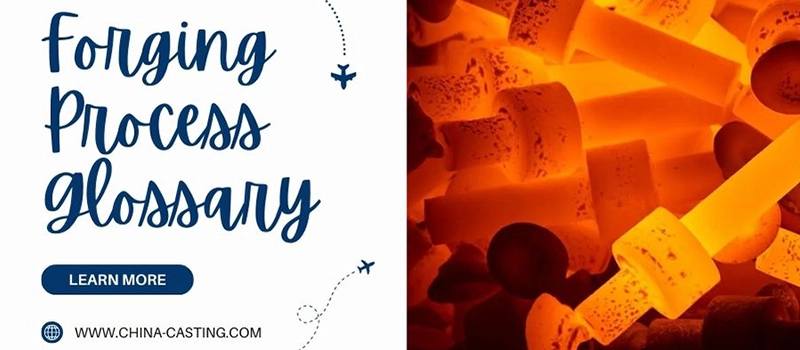
Forging refractory metals typically requires elevated temperatures to improve ductility and reduce brittleness. At room temperature, many of these metals exhibit limited plastic deformation capability. However, when heated appropriately, they can be shaped through controlled deformation processes.
Hot forging enhances grain structure uniformity and improves mechanical properties such as strength and toughness. Careful temperature control is essential to avoid cracking or microstructural instability. Properly executed hot working processes contribute to enhanced creep resistance and long-term structural reliability.
Extrusion Techniques
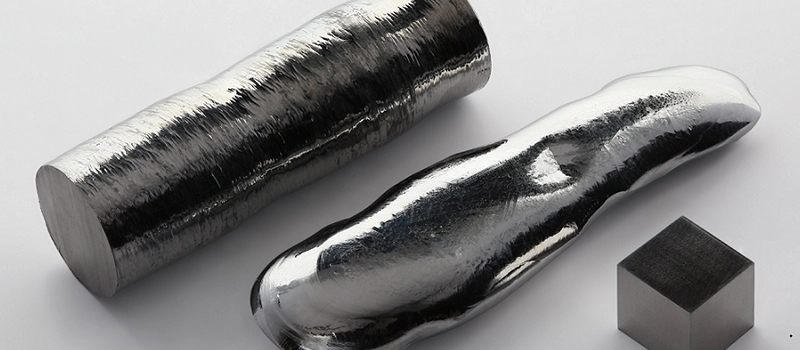
Extrusion is another effective forming method, particularly for producing rods, bars, and specialized profiles. The process involves forcing heated material through a die to achieve the desired cross-sectional shape.
Because of the high strength and hardness of these materials, extrusion must be performed under carefully regulated temperature and pressure conditions. Lubrication systems and protective atmospheres are often employed to reduce surface defects and oxidation.
Extrusion improves material density and refines grain structure, supporting consistent mechanical performance in high-stress applications.
Precision Machining
Machining refractory metals requires advanced tooling and process control due to their hardness and high strength. Standard cutting tools may experience rapid wear if not properly selected.
Carbide or diamond-based cutting tools are commonly used to achieve precise tolerances. Low cutting speeds, adequate cooling, and rigid machine setups help minimize vibration and surface damage.
Although machining these materials can be more demanding than processing conventional alloys, modern CNC systems enable accurate shaping of complex components. Surface finishing techniques further enhance dimensional accuracy and structural integrity.
Welding and Joining Methods
Joining processes must account for the thermal characteristics and oxidation sensitivity of high-melting-point metals. Welding is typically performed in vacuum chambers or inert gas environments to prevent contamination.
Electron beam welding and laser welding are frequently applied due to their ability to generate concentrated heat with minimal distortion. Proper joint design and preheating strategies reduce the risk of cracking during cooling.
Successful joining techniques preserve mechanical strength and maintain structural continuity, ensuring reliable performance in assembled systems.
Surface Treatment and Coating
Surface modification techniques improve oxidation resistance and extend service life in aggressive environments. Protective coatings can shield components from high-temperature oxidation or chemical attack.
Diffusion coatings, plasma spraying, and chemical vapor deposition are among the methods used to enhance surface performance. These treatments are especially important when components operate in open-air high-temperature conditions.
Quality Control and Certification
Manufacturing processes for these advanced materials require strict quality control measures. Dimensional inspection, microstructural analysis, and mechanical testing ensure compliance with performance standards.
Non-destructive testing methods, including ultrasonic inspection and radiographic examination, are often used to verify structural integrity. Certification systems and documented technical files further support traceability and regulatory compliance in international markets.
Conclusion and Key Takeaways
Refractory metals represent a unique class of high-performance materials defined by exceptional melting points, superior strength at elevated temperatures, and long-term structural stability. Their characteristics, diverse types, wide-ranging industrial applications, and specialized manufacturing processes collectively demonstrate why they remain essential in extreme environments. When reliability under heat and stress is critical, refractory metals provide unmatched performance and durability.