Are your cast aluminum parts looking dull, uneven, or difficult to finish? Have you tried polishing only to be disappointed by cloudy results, exposed defects, or inconsistent shine? These are common frustrations many manufacturers face when polishing cast aluminum — and they often stem from underestimating the surface challenges this material presents.
As the Aluminum Association states, “Surface finishing is often the final step that determines the performance and aesthetics of aluminum components.” Unlike billet or extruded aluminum, cast parts contain unique issues like porosity, oxide layers, and casting marks that can prevent a clean polish. Without proper preparation, polishing cast aluminum can waste time, resources, and even damage the part.
Fortunately, there are proven methods to overcome these obstacles. With the right tools, surface prep, and polishing compounds, polishing cast aluminum becomes a repeatable, effective process — whether for functional components or decorative finishes. In this guide, I’ll walk you through each step to help you get professional, lasting results.
Understanding Cast Aluminum Before Polishing
Why Polishing Cast Aluminum Requires a Different Approach
Polishing cast aluminum demands more care than working with other aluminum types. Because cast aluminum is made by pouring molten metal into molds, it often contains surface flaws like porosity, rough textures, and casting lines. These characteristics make polishing cast aluminum a specialized process that requires additional steps in preparation and finishing.
The Challenge of Surface Texture in Cast Aluminum
Most cast aluminum parts have uneven surfaces due to the mold’s texture. These irregularities must be removed before polishing cast aluminum can begin. Without proper surface leveling, polishing efforts may result in a cloudy or inconsistent finish. This is especially true for sand-cast parts, which are rougher than die-cast surfaces.
Porosity and Its Effect on Polishing Results
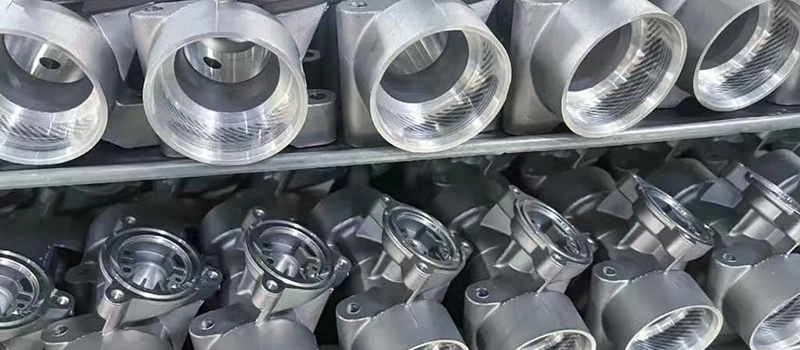
Porosity is a common issue in cast aluminum that directly affects how polishing cast aluminum turns out. Small holes or gas pockets formed during casting can lead to dull spots or uneven reflections. These defects often become more visible after the first polishing stage and may require extra smoothing or filling before final polishing.
Oxidation and Surface Reactivity
Once exposed to air, cast aluminum develops a thin oxide layer that interferes with the polishing process. To achieve a uniform result when polishing cast aluminum, this oxidation must be fully removed. Surface cleaning, light sanding, or chemical treatments are essential preparation steps before any compounds or buffing tools are applied.
Essential Surface Preparation for Polishing Cast Aluminum
Why Surface Prep Is Critical Before Polishing Cast Aluminum
Polishing cast aluminum is only as effective as the surface preparation that comes before it. Cast parts often arrive with contaminants, casting residue, sharp edges, or oxidation—all of which can interfere with polishing performance. Without properly cleaning and smoothing the surface, polishing cast aluminum can lead to poor adhesion of compounds, uneven gloss, or swirl marks that are hard to correct once they appear. Preparation is not a preliminary step; it is part of the polishing process itself.
Cleaning and Degreasing the Surface
Removing oil, dirt, and foundry residue
Before any sanding or buffing, the surface must be cleaned thoroughly. Most cast aluminum parts retain oils from mold-release agents, fingerprints, or packaging residue. These contaminants reduce the effectiveness of polishing compounds. Using a degreasing solution or mild solvent, such as isopropyl alcohol, ensures the surface is fully exposed and ready for further preparation.
Drying the surface correctly
After degreasing, the part should be rinsed and dried with compressed air or a lint-free cloth. Water spots or hidden moisture can cause oxidation or polishing defects. A dry, clean surface is the ideal foundation for polishing cast aluminum.
Sanding and Leveling the Surface
Starting with coarse grit to flatten imperfections
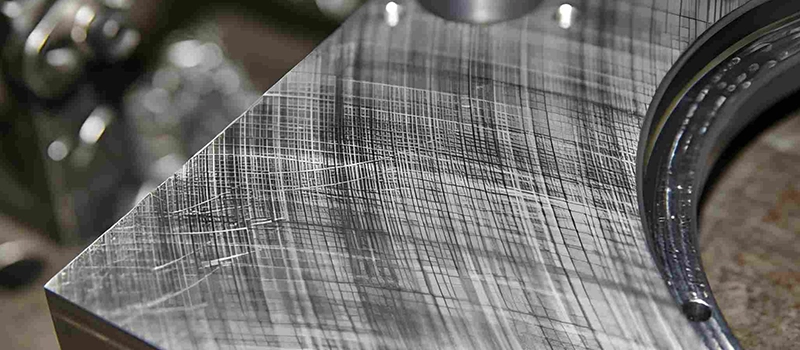
Sanding is the most crucial step in preparing cast aluminum for polishing. Begin with 120–180 grit sandpaper to remove casting lines, bumps, or irregular textures. Use firm, even pressure to level the surface without creating gouges.
Advancing through finer grits
Gradually move through 240, 400, 600, and 800 grit levels. This progression is essential to reduce visible scratch patterns that could remain even after polishing. Wet sanding at finer stages also helps cool the surface and reduce dust, which improves polishing cast aluminum with consistent clarity.
Addressing Surface Defects
Dealing with pits and casting flaws
Inspect the surface closely after sanding. Cast aluminum often contains micro-defects like pits or bubbles that polishing alone cannot remove. In high-visibility parts, these may be filled with aluminum-safe fillers or smoothed out further with abrasive pads.
Smoothing sharp edges and transitions
Sharp ridges and angular features can polish differently from flat areas, creating an uneven finish. Lightly beveling or blending these features allows for more uniform polishing cast aluminum results, especially when using rotary tools or buffing wheels.
Tools and Materials Used in Polishing Cast Aluminum
Choosing the Right Tools for Polishing Cast Aluminum
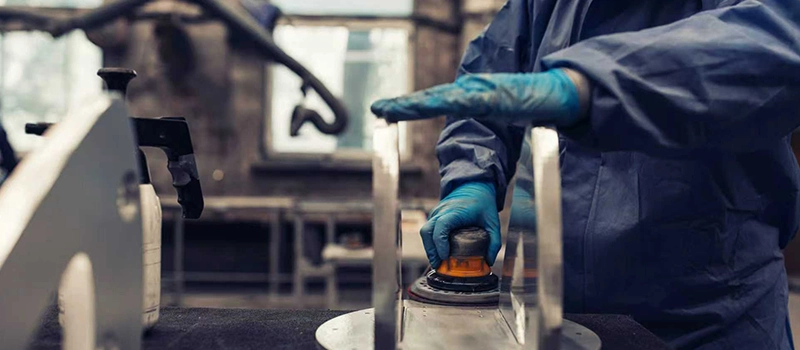
After preparing the surface, the next step in polishing cast aluminum involves selecting the appropriate tools. Unlike basic aluminum finishing, cast aluminum often needs variable-speed equipment to handle the surface variation. Rotary polishers, bench grinders, and flexible shaft tools are common in both workshop and industrial settings.
A bench polisher fitted with a buffing wheel is ideal for larger or flatter castings. It provides consistent surface contact and even pressure distribution. For parts with curves, recesses, or internal features, smaller rotary tools or hand-held polishing machines offer greater control. Choosing the right tool not only improves efficiency but helps maintain even polishing across the entire surface.
Selecting Polishing Compounds for Cast Aluminum
Polishing cast aluminum requires compounds suited for soft, non-ferrous metals. The process typically involves two or more stages, starting with a cutting compound followed by a finishing polish.
Tripoli compound is widely used in the initial stage to remove fine scratches left by sanding. It’s aggressive enough to cut through minor oxidation and smooth the metal without damaging the surface. Once the roughness is gone, a finishing compound like white rouge or a high-luster aluminum polish is applied to enhance the shine.
Choosing the wrong compound can result in residue buildup, low reflectivity, or inconsistent results. It’s important to use clean, separate buffing wheels for each compound stage to prevent contamination — a simple rule that significantly improves the results when polishing cast aluminum.
Buffing Wheels and Abrasive Attachments
Different buffing wheels serve different roles. A firm spiral-sewn wheel works best with cutting compounds to level the surface quickly. For final finishing, softer wheels — such as loose cotton or flannel — are more effective at bringing out reflectivity without introducing new marks.
Some parts may benefit from abrasive-embedded flap wheels or polishing cones, especially in tight areas where traditional pads don’t reach. These are particularly useful when polishing cast aluminum components with detailed or irregular shapes.
Safety Equipment and Handling Practices
Polishing cast aluminum generates heat, dust, and metal particles. For safe operation, protective gear should include safety glasses, gloves, and a respirator or dust mask. Long polishing sessions can also cause the aluminum to heat up, especially at edges. Allowing the part to cool periodically prevents surface warping or compound smearing.
Additionally, it’s essential to secure the part before polishing. Unstable components can shift under pressure, resulting in inconsistent contact or even tool damage. Simple measures like padded clamps or non-slip mats make the process safer and more controlled.
Step-by-Step Process for Polishing Cast Aluminum
Stage 1 Surface Review Before Polishing
Before beginning the actual polishing process, examine the prepared surface under strong lighting. Look for any remaining casting flaws, deep scratches, or oxidation. Polishing cast aluminum without verifying the surface quality may result in uneven shine or highlight defects that should have been corrected earlier. If the surface is not completely clean, dry, and smooth, repeat the necessary preparation steps.
Stage 2 Cutting and Smoothing the Surface
This first active polishing stage is called the cutting phase. Use a firm buffing wheel with Tripoli compound to begin cutting through any remaining microtexture left by sanding. Polishing cast aluminum at this stage is about removing the final layer of roughness — not yet achieving full shine.
Maintain a steady motion to avoid overheating. The wheel should glide over the surface without dwelling too long on any area. The metal will begin to develop a dull shine, signaling that it’s evenly cut and ready for the next stage.
Stage 3 Refining the Shine
Once the cutting is complete, change to a softer buffing wheel and switch to a finishing compound, such as white rouge or aluminum polish. This stage of polishing cast aluminum is where the clarity and depth of the shine really develop.
Use light to moderate pressure, allowing the compound and wheel to do the work. Polishing too aggressively at this point can leave swirls or remove the finish achieved during cutting. The goal is a uniform, reflective surface with consistent light response from all angles.
Stage 4 Final Buff and Inspection
After the final polishing pass, wipe the surface clean using a soft microfiber cloth. Inspect under direct light to check for haze, streaks, or leftover residue. If needed, lightly re-polish problem areas with a finishing compound.
This final stage of polishing cast aluminum is also the moment to decide whether a protective layer will be applied. If so, the surface should be completely free of compound and dust before proceeding.
Common Issues in Polishing Cast Aluminum and How to Avoid Them
Swirl Marks and Cloudy Finishes
A frequent problem during polishing cast aluminum is the appearance of fine swirl marks or a cloudy, uneven finish. This typically results from skipping sanding grits, using worn-out buffing wheels, or applying too much compound. These marks are especially noticeable under strong lighting or on flat surfaces.
To avoid this, use clean, designated buffing wheels for each compound. Polishing cast aluminum should involve slow, even passes and gradual pressure reduction toward the final stages. If haze remains after polishing, it’s often caused by compound residue — wipe with a clean microfiber cloth and inspect again before applying any protective coatings.
Inconsistent Gloss Across the Surface
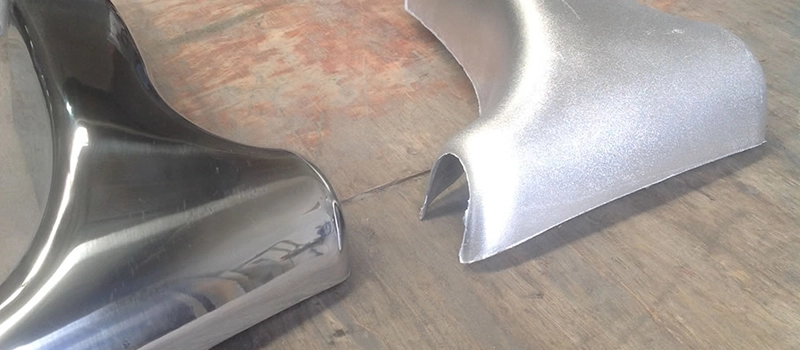
Some areas of a cast aluminum part may polish to a brilliant shine, while others remain dull or blotchy. This uneven gloss often stems from porosity or differences in pressure and angle during polishing. It can also occur if the surface wasn’t fully leveled during sanding.
Polishing cast aluminum requires a consistent approach — always overlap passes, maintain uniform wheel contact, and avoid pressing harder on problem areas. In some cases, re-cutting the surface with a mild abrasive compound may be necessary to bring lagging areas up to the same level.
Overheating the Metal During Polishing
Polishing generates friction, and cast aluminum tends to retain heat. Overheating can lead to compound smearing, discoloration, or even softening of thin-walled sections. This is especially risky when using high-speed rotary tools on small or curved parts.
To prevent this, keep the polishing tool moving and pause periodically to allow the metal to cool. If the surface becomes too warm to touch comfortably, stop polishing cast aluminum until it cools. Using variable-speed machines and soft buffing pads also reduces the risk of thermal distortion.
Compound Contamination and Residue
Reusing the same polishing wheel for multiple compounds is a common mistake that leads to cross-contamination and poor results. Dirty wheels can also leave behind streaks or abrasive particles that scratch the surface instead of refining it.
Always use a dedicated wheel for each compound and clean wheels with a rake tool before reuse. When polishing cast aluminum, wiping the surface between stages with a clean cloth prevents buildup and improves the final shine. Compound should enhance the finish — not interfere with it.
Protecting and Maintaining a Polished Aluminum Surface
Why Protection Is Essential After Polishing Cast Aluminum
After investing time and effort into polishing cast aluminum, it’s important to protect the finish from environmental exposure, oxidation, and physical wear. Aluminum is reactive to air and moisture, and a polished surface—while attractive—is especially vulnerable. Without protection, the finish may lose its gloss, develop stains, or require frequent re-polishing.
Applying a protective layer immediately after polishing helps preserve clarity and shine. Whether for decorative pieces, mechanical components, or consumer goods, maintaining a polished cast aluminum surface means less labor and better long-term results.
Options for Protective Coatings
There are several effective options for protecting polished aluminum surfaces:
- Wax coatings: Easy to apply and remove, wax offers short-term protection from oxidation and fingerprints. It’s ideal for indoor or light-use parts and can be reapplied frequently.
- Clear coatings: Acrylic or ceramic-based clear coats form a more durable, long-lasting barrier. They prevent tarnish and reduce the need for ongoing maintenance. For parts exposed to sunlight or outdoor conditions, this is the preferred option.
- Metal sealants: Specialized aluminum sealants create an invisible layer that enhances gloss and slows oxidation. These products are common in the automotive and architectural sectors where visual quality is a priority.
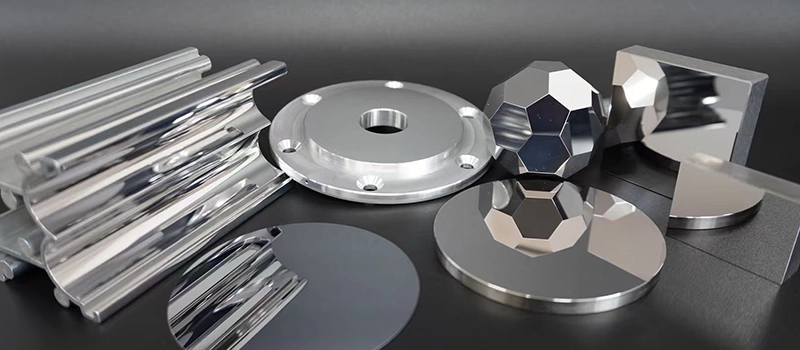
When polishing cast aluminum for commercial or industrial use, coating choice should align with the part’s function and environment.
Handling and Storage Guidelines
Even after polishing and coating, cast aluminum can be damaged by improper handling. Always use gloves when touching finished surfaces to avoid leaving fingerprints or oils. Store polished parts in clean, dry environments. Avoid stacking or allowing hard contact with other metals or tools that could scratch or dent the surface.
For long-term storage, wrapping each part in a soft cloth or foam sheet will help prevent abrasion. These precautions are especially important for components that will be shown, assembled, or painted after polishing.
Maintenance and Re-polishing
Polished aluminum will require periodic care, even with coatings. A soft cloth and non-abrasive cleaner can remove dust or fingerprints. Avoid harsh chemicals or scouring pads, as they can strip coatings or scratch the metal.
If the surface begins to lose its luster over time, a light repolish using a soft buffing wheel and finishing compound will restore clarity without requiring a full rework. Regular maintenance is key to extending the life and appearance of polished cast aluminum surfaces.
Conclusion
Polishing cast aluminum is both an art and a science. From understanding the material’s structure to selecting the right tools and techniques, every step matters. With proper surface preparation, controlled polishing methods, and protective maintenance, it’s possible to achieve a durable, mirror-like finish that meets both functional and visual standards. Whether you’re restoring, manufacturing, or finishing parts, mastering the process of polishing cast aluminum ensures lasting quality and performance.