Does nickel rust in seawater? What about in acidic gases or industrial fluids? Will it corrode over time like other metals? These questions are critical in applications where reliability and durability are non-negotiable.
Nickel is widely recognized for its corrosion resistance under many conditions, but that does not imply total immunity. Its surface behavior can vary depending on purity, environment, temperature, and the presence of corrosive agents.
Understanding how nickel reacts in real-world industrial settings can help prevent early material failure and unnecessary maintenance costs. The following breakdown presents clear insight into nickel’s rust resistance, oxide formation, and long-term stability in demanding environments.
What Does “Rust” Really Mean for Nickel?
Defining Rust vs. Corrosion in Metals
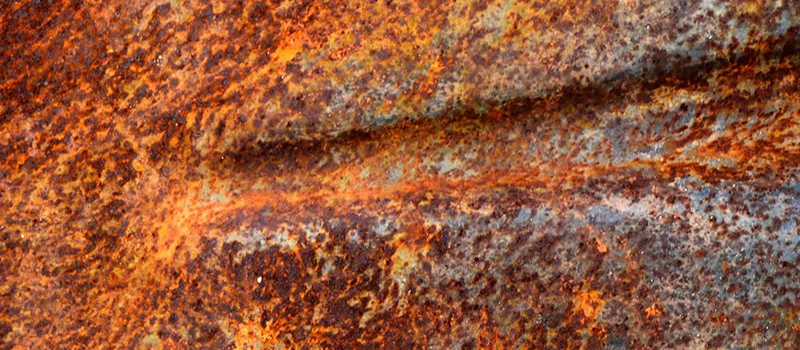
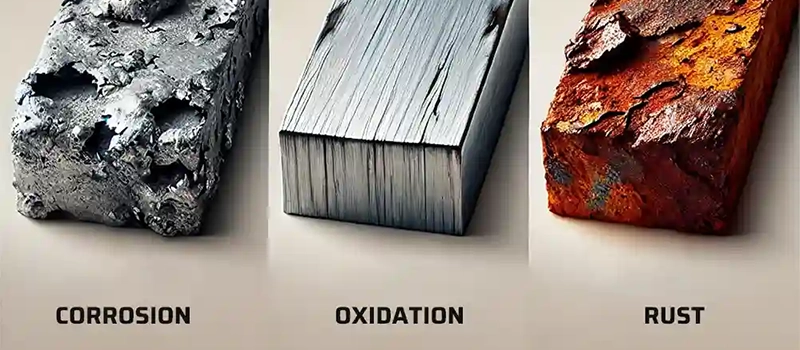
In most engineering contexts, rust refers specifically to the reddish-brown iron oxide that forms on the surface of carbon steel or iron when exposed to oxygen and moisture. It is the result of a specific electrochemical reaction involving iron, water, and air. Nickel, however, is a non-ferrous metal and contains no iron, so it cannot form traditional rust. Instead, what may appear as discoloration or dullness on nickel surfaces is actually a different form of surface reaction—commonly oxidation or corrosion, not rust in the strictest sense.
Nickel’s reaction to oxygen and environmental exposure leads to the formation of a thin layer of nickel oxide. This oxide layer acts as a passive film that protects the underlying metal from further attack. This is significantly different from rust on iron, which tends to flake and continue reacting, weakening the metal over time.
Why Nickel Forms Oxide but Not Rust
Nickel develops a stable, adherent oxide film when exposed to air or moisture, particularly in neutral or mildly alkaline environments. This passive layer is what gives nickel its well-known corrosion resistance. Unlike rust, which spreads and degrades the substrate, nickel oxide remains compact and acts as a barrier against further corrosion.
This passivation behavior is similar to that of stainless steel and aluminum. The oxide film limits the movement of ions between the metal and its environment, slowing down corrosion reactions. Under normal atmospheric conditions, this layer is sufficient to keep nickel components intact for years without degradation.
Surface Conditions Affecting Oxide Formation
The effectiveness of the oxide film can depend on surface conditions. A smooth, clean surface promotes uniform oxide formation, while rough or contaminated surfaces can lead to inconsistent passivation. In such cases, localized corrosion such as pitting may occur if the protective film is broken or incomplete.
Additionally, temperature, humidity, and the presence of pollutants can all influence how the oxide layer behaves. High humidity, combined with acidic or saline contaminants, may compromise the passive film and lead to surface staining, though not rust in the true sense. This sometimes leads to confusion when users observe discoloration and assume rust is present.
How Pure Nickel Reacts to Environmental Exposure
General Oxidation Behavior in Air and Moisture
Pure nickel has a natural tendency to resist aggressive corrosion thanks to its ability to form a protective oxide layer on its surface. When exposed to clean, dry air at room temperature, it develops a thin film of nickel oxide (NiO) that stabilizes and limits further interaction between the metal and its environment. This passive film is dense, adherent, and generally self-healing, which helps prevent deterioration over time.
In humid air or when exposed to occasional moisture, this passive film continues to provide protection. The result is not nickel rust in the traditional sense, but rather a slow, stable form of surface oxidation that does not flake or compromise the structure of the metal.
Nickel’s Behavior in Water and Humid Environments
When submerged in distilled water or exposed to high humidity, nickel still demonstrates strong resistance to corrosion. Unlike metals that rust due to unstable oxide layers, nickel maintains passivation. However, in stagnant water with low oxygen or in environments with fluctuating pH levels, the passive film may be weakened.
Nickel does not rust in these conditions, but pitting or localized surface attack can occur if aggressive ions—like chlorides—are present. These disruptions usually begin in microscopic flaws or crevices where the passive film is thinner or unstable.
Influence of Temperature and Exposure Time
Temperature has a direct effect on nickel’s oxidation rate. At higher temperatures, especially above 400°C, the oxide film thickens and can become more brittle. In long-term elevated exposure, oxidation may accelerate slightly, but again, this does not result in nickel rust. Rather, the surface may darken or develop scale, especially in industrial environments containing sulfur or chlorine-based compounds.
With extended exposure, the metal may lose its visual brightness, which is sometimes mistaken for corrosion failure. However, the structural integrity of pure nickel generally remains stable unless exposed to chemically aggressive media.
Acidic and Alkaline Conditions
Nickel is generally resistant to mildly acidic or alkaline environments, but its performance depends on concentration, temperature, and contact duration. In low-concentration sulfuric or nitric acid, nickel passivation holds. In strong acids or under high heat, the passive film may break down.
In alkaline solutions, nickel performs even better, making it a popular choice in caustic soda production and handling systems. Once again, even in cases where surface changes occur, they are typically oxidation reactions—not nickel rust in the classical sense.
Summary of Environmental Response
In summary, pure nickel does not rust like iron-based metals. It oxidizes slowly, forming a thin, stable protective layer. Its corrosion behavior depends heavily on the environment—stable in air and water, more reactive under high temperatures, or when exposed to aggressive chemicals. Proper understanding of these conditions allows for the correct use of nickel in sensitive applications where long-term resistance is required.
Corrosion Behavior in Aggressive and Industrial Environments
Nickel Rust Risks in Industrial Settings
In most environments, pure nickel resists corrosion effectively. However, under aggressive industrial conditions, certain factors can compromise its protective oxide layer. These include prolonged exposure to seawater, high-chloride environments, acidic gases, and industrial chemicals. While nickel rust does not occur in the traditional sense, surface degradation and localized corrosion can still happen if the passive film becomes unstable.
Nickel rust, or more accurately, oxidation-related surface breakdown, is most likely in chemical plants, marine equipment, or high-temperature processing environments. This is where aggressive ions like chlorides or sulfides attack weak points on the metal surface, leading to corrosion that may resemble rust to the untrained eye.
Performance in Seawater and Chloride Exposure
Seawater contains high levels of chloride ions, which pose a risk to nickel’s passive layer. Prolonged contact can lead to pitting corrosion, especially in areas where oxygen is limited or fluid movement is restricted. In heat exchanger tubing, valves, or submerged components, signs of surface discoloration or roughening may appear.
Though nickel rust does not form, the damage is still critical in function-sensitive applications. Chloride attack initiates in small areas and spreads slowly, compromising the metal over time. This form of attack is not visible as typical rust but is just as damaging if left unaddressed.
Role of Flow and Stagnation
Nickel components in flowing seawater perform better than those in stagnant systems. Flow helps maintain oxygen levels at the metal surface, which supports passive layer regeneration. In contrast, stagnant areas are more prone to breakdown and can show symptoms often confused with nickel rust.
Behavior in Acidic Industrial Fluids
Nickel’s corrosion resistance varies by acid type. It holds up well in dilute nitric or phosphoric acid but degrades in hydrochloric, hydrofluoric, or sulfuric acids under elevated temperatures or concentrations. In these conditions, the oxide film is stripped away, making the surface vulnerable to rapid attack.
Nickel rust, if it’s seen at all, appears here in the form of surface etching, dulling, or black oxide deposits—not red-brown iron oxide. In factories where strong acid vapors are present, airborne corrosion on nickel surfaces may also occur.
Chemical Vapor Environments
Nickel used in gas scrubbers, reaction chambers, or acid storage systems may be exposed to corrosive vapors. In these high-temperature, chemically reactive atmospheres, nickel rust-like degradation can appear as tarnish or surface film buildup. These surface changes may seem cosmetic at first but indicate a weakening oxide barrier.

Stress and Crevice Corrosion Risks
Mechanical stress, combined with corrosive environments, increases the risk of stress corrosion cracking (SCC). Nickel alloys can suffer from this in ammonia-rich or caustic solutions under load. Similarly, crevice corrosion may occur under gaskets, joints, or deposits where fluid becomes stagnant.
Although still not true nickel rust, the damage mechanism is progressive and potentially dangerous. It targets areas hidden from view and can cause failures in pressure systems or structural assemblies.
Preventing Localized Attack
To minimize risks, nickel components should be properly sealed, insulated from incompatible materials, and kept clean. In especially aggressive environments, switching to a high-performance nickel alloy may be necessary. Design adjustments to avoid fluid stagnation or sharp crevices also reduce the potential for corrosion.
Nickel Alloys vs. Pure Nickel – Rust Resistance in Practice
Why Alloys Improve Resistance to Corrosion
While pure nickel performs well in many environments, industrial applications often demand enhanced corrosion protection. This is where nickel alloys come into play. By adding elements like copper, chromium, molybdenum, or iron, these alloys significantly improve resistance against specific threats, such as chloride attack or high-temperature oxidation.
Nickel rust remains unlikely even in pure form, but nickel alloys extend that resistance further, allowing use in harsher environments. Each alloy is designed to target particular weaknesses—whether it’s resistance to seawater, acids, or high stress.
Common Nickel Alloys and Their Anti-Rust Behavior
Several high-performance nickel alloys are widely used in metal fabrication and chemical processing:
Monel Alloys
Monel is a family of nickel-copper alloys known for excellent resistance to seawater and hydrofluoric acid. It retains the anti-corrosion characteristics of nickel while offering better mechanical strength. Monel shows no signs of nickel rust, even after long-term marine exposure.
Inconel Alloys
Inconel combines nickel with chromium and other elements for exceptional high-temperature and oxidation resistance. It’s ideal for aerospace, turbines, and exhaust applications. Even when exposed to oxidizing environments above 1000°C, Inconel resists scaling and maintains structural integrity—without forming anything resembling nickel rust.
Hastelloy and C-Series Alloys
Hastelloy includes nickel-molybdenum and nickel-chromium-molybdenum combinations. These alloys are used in chemical reactors, heat exchangers, and acidic processing lines. The molybdenum content blocks localized attack and eliminates the risks of pitting that could lead to mistaken assumptions of nickel rust.
When Pure Nickel Is Not Enough
In certain industrial environments—such as concentrated sulfuric acid, acidic chlorides, or rapid temperature cycling—pure nickel may lose its protective oxide layer too quickly. This can result in corrosion rates too high for long-term reliability. While still free of nickel rust, the surface may degrade or discolor, compromising performance.
In these cases, switching to a targeted nickel alloy ensures better life expectancy and lower maintenance. Engineers often select alloys not just for general corrosion resistance, but for resistance to stress corrosion cracking, pitting, and erosion—all forms of degradation that pure nickel may not withstand alone.
Mechanical and Thermal Performance
Nickel alloys often outperform pure nickel in strength, fatigue resistance, and thermal stability. This matters in moving parts, joints, or pressure-bearing applications where both corrosion and mechanical failure are possible. Again, while nickel rust isn’t the main concern, general corrosion and material loss can be just as damaging.
Common Misconceptions About Nickel and Rust
Mistaking Oxidation for Nickel Rust
One of the most frequent misconceptions in industrial and consumer settings is confusing surface oxidation or discoloration with nickel rust. Since nickel does not contain iron, it cannot produce the reddish-brown flakes typically associated with rust. However, when nickel is exposed to air or moisture, it can develop a thin oxide layer that darkens the surface. This is not a sign of material failure but a natural and often protective process.
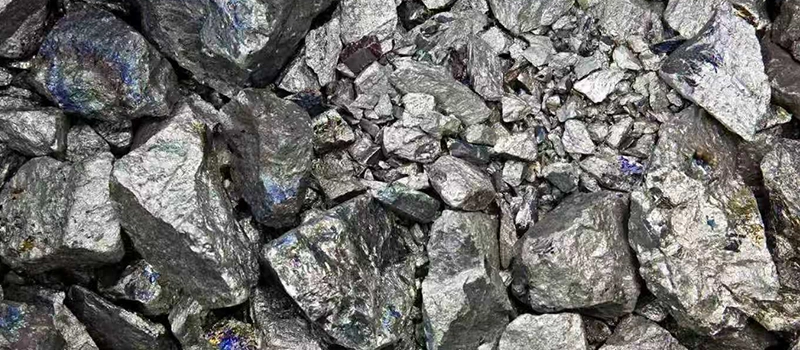
Nickel oxide may appear as a gray, greenish, or black film. Though the color change can alarm those unfamiliar with the metal’s properties, this is not nickel rust. In fact, the oxide film acts as a passive barrier that helps prevent deeper corrosion.
Surface Staining and Discoloration
In environments with high humidity, pollutants, or chemical exposure, nickel surfaces may stain or dull more noticeably. These stains are often mistaken for rust, especially in equipment that includes both nickel-plated and iron-based parts. If water drips from rusted steel onto a nickel-plated component, it can leave a rust-colored stain, leading users to wrongly attribute it to nickel rust.
Discoloration may also come from reactions with sulfides or chlorides in the air, particularly in industrial or marine environments. Though unsightly, these surface changes are not structural failures and typically do not indicate active corrosion.
Nickel Plating vs. Solid Nickel
Another source of confusion arises when nickel plating is used over a different base metal, such as steel. If the plating becomes scratched or worn, the underlying steel may begin to rust. In such cases, rust can bleed through cracks in the nickel surface, making it seem like nickel rust is occurring. In reality, the failure is with the plating’s integrity or thickness, not the nickel itself.
This issue is common in decorative or thin electroplated finishes, where the purpose is cosmetic rather than protective. In industrial applications, electroless or thicker nickel coatings are preferred to ensure continuous protection and to prevent these types of failures.
Overestimating Nickel’s Corrosion Resistance
While nickel is highly corrosion-resistant, it is not invincible. Some users believe that once nickel is used, no further maintenance or inspection is needed. In reality, certain chemicals, high heat, or improper design can still cause localized corrosion. Although this is not nickel rust in form or chemistry, it can lead to pitting, cracking, or material weakening.
Assuming nickel is rust-proof under all conditions is another common mistake. Awareness of its limitations ensures that engineers and buyers make more informed decisions about when to use pure nickel, when to use alloys, and how to protect surfaces in aggressive environments.
Key Considerations When Using Nickel in Harsh Conditions
Choosing the Right Grade and Form of Nickel
Selecting the correct form of nickel is essential for long-term performance in corrosive environments. Pure nickel, when used in moderate conditions, offers sufficient resistance to oxidation and does not develop nickel rust. However, in more aggressive industrial settings—such as chemical plants or offshore systems—nickel alloys are preferred due to their enhanced corrosion protection.
The decision between pure nickel, nickel plating, or a nickel-based alloy should be based on factors such as operating temperature, presence of chlorides, mechanical stress, and fluid pH. Where high corrosion resistance is needed over time, Inconel, Monel, or Hastelloy may be more suitable than pure nickel.
Environmental Assessment Before Application
To avoid surface degradation or assumptions of nickel rust, it’s critical to understand the specific chemical and environmental conditions that a component will face. Saline conditions, acidic vapors, and high thermal cycling all influence the performance of nickel-based materials.
Before selecting nickel for a system, conduct a corrosion analysis that includes fluid chemistry, exposure duration, and the risk of contamination. This allows for accurate material selection, especially in systems where failure would lead to safety or production issues.
Controlling Surface Conditions and Stress Points
Surface finish plays a direct role in nickel’s corrosion resistance. A smooth, defect-free finish reduces the likelihood of pitting and allows the passive oxide layer to remain intact. Crevices, welds, and areas under mechanical stress are more prone to localized corrosion.
To prevent damage that could be mistaken for nickel rust, design components with uniform surfaces and minimal fluid retention zones. Use appropriate welding techniques and avoid dissimilar metal contact that could promote galvanic corrosion.
Maintenance, Inspection, and Surface Treatments
Even though nickel does not rust, periodic inspection is necessary—especially in high-risk systems. Look for signs of discoloration, pitting, or breakdown in coatings. Where applicable, apply protective sealants or treatments that enhance the durability of the oxide layer.
In some cases, electropolishing or passivation treatments can be used to further stabilize the surface and reduce the risk of attack. These procedures do not prevent oxidation but optimize the natural formation of nickel’s protective film, minimizing misinterpretations of nickel rust or corrosion failure.
Final Recommendations
Nickel is a durable and reliable material, but it must be applied correctly to avoid premature degradation. By understanding its real behavior in aggressive environments—and by avoiding assumptions based on visual cues—engineers and buyers can prevent failures and extend the service life of critical components.
Conclusion
Nickel does not rust in the traditional sense but can oxidize or corrode under harsh conditions. With proper selection, surface treatment, and environmental awareness, nickel and its alloys provide long-term reliability in even the most demanding industrial applications.