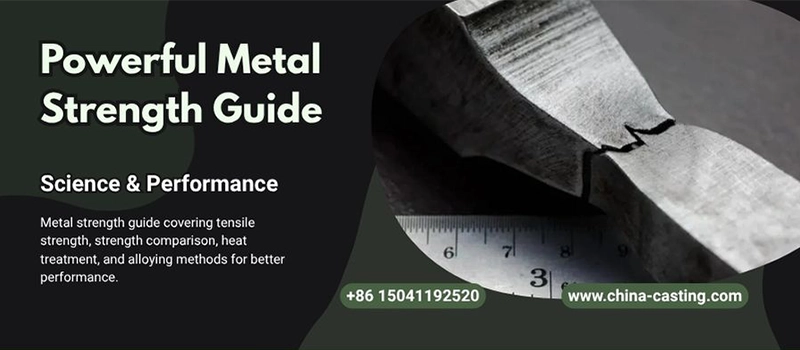
Metal strength is a critical factor in engineering and manufacturing. It determines how materials perform under stress, load, and long-term use. From construction to automotive and heavy equipment, the reliability of products depends on the strength of metals.
Different applications require different types of metal strength. Properties such as tensile strength of metals, yield strength, and fatigue resistance define how a metal reacts under force. High tensile strength metal materials are used for load-bearing structures, while other metals are selected for flexibility or impact resistance.
Understanding metal strength allows engineers and buyers to select the right material, reduce failure risks, and improve overall performance.
The Science Behind Metal Strength
The performance of any metal begins at the atomic level. Inside a metallic material, atoms are arranged in a structured lattice and held together by metallic bonding. This bonding allows atoms to share electrons freely, creating both strength and flexibility. The nature of this atomic arrangement directly determines how a material responds to external forces such as tension, compression, and impact.
At a microscopic scale, the structure is not perfectly uniform. Metals contain grains, which are small crystalline regions with different orientations. The boundaries between these grains play a critical role in determining mechanical behavior. Finer grain structures generally improve resistance to deformation, while larger grains may reduce overall durability. This is why grain refinement is widely used in industrial production to enhance performance.
Another important factor is dislocation movement. Dislocations are tiny defects within the crystal structure that allow layers of atoms to slide under stress. When dislocations move easily, the material deforms more readily. When their movement is restricted, the material becomes stronger but less ductile. Controlling dislocation behavior is a key principle in material engineering.

Temperature also influences internal structure. At higher temperatures, atomic vibrations increase, making it easier for dislocations to move. This reduces resistance to deformation. At lower temperatures, movement becomes more difficult, increasing strength but also raising the risk of brittleness. This balance is critical in applications exposed to extreme environments.
In addition, impurities and alloying elements can alter internal bonding and structure. By introducing different atoms into the lattice, engineers can disrupt dislocation movement and improve mechanical performance. This is the foundation of alloy design and one of the most effective ways to optimize material properties for specific uses.
Understanding these scientific principles provides a clear basis for evaluating materials. It allows engineers to predict how metals will behave under real working conditions and supports more accurate material selection in manufacturing and design.
Key Factors Influencing Metal Strength
Metal strength is not determined by a single variable. It is the result of multiple interacting factors that influence how a material performs under different conditions. Understanding these factors is essential for evaluating the strength of metals in practical applications.
The first key factor is chemical composition. Pure metals often have lower performance compared to alloys. By adding elements such as carbon, chromium, or nickel, the internal structure is modified, which directly improves metal strength. For example, increasing carbon content in steel significantly enhances hardness and tensile resistance, but may reduce ductility. This balance must be carefully controlled in engineering design.
Grain size is another critical factor. Metals with finer grains generally exhibit higher resistance to deformation. Grain boundaries act as barriers to dislocation movement, which increases overall strength of metals. This is why processes like controlled cooling and mechanical working are used to refine grain structure in manufacturing.
Processing methods also play a major role. Techniques such as forging, rolling, and casting affect internal density and structural uniformity. Forged components usually have better metal strength due to improved grain flow and reduced internal defects. In contrast, poorly controlled casting may introduce porosity, which weakens the material.
Heat treatment is equally important. Processes such as quenching and tempering are widely used to adjust hardness and toughness. Rapid cooling can increase hardness and tensile strength of metals, while tempering helps reduce brittleness and improve overall performance. The combination of these treatments allows manufacturers to tailor materials for specific requirements.
Another influencing factor is temperature during service. At elevated temperatures, materials tend to lose strength as atomic movement becomes more active. At very low temperatures, some metals become brittle. This makes it essential to consider working conditions when evaluating metal strength for industrial use.
Finally, external conditions such as corrosion and cyclic loading also affect long-term performance. Repeated stress can lead to fatigue failure even if the initial metal strength is high. Protective coatings and proper material selection are necessary to maintain durability over time.
By analyzing these factors together, engineers can better understand metal strength comparison and select materials that meet both performance and cost requirements.
Types of Metal Strength: Tensile, Compressive, and Shear
In engineering and manufacturing, different types of loading conditions require different definitions of metal strength. Understanding these categories helps in selecting the right material for specific applications and ensures structural reliability. The most commonly analyzed types include tensile strength, compressive strength, and shear strength. Each reflects how a material behaves under a particular form of force.
Tensile Strength of Metals
Tensile strength refers to the ability of a material to resist being pulled apart. It is one of the most widely used indicators when evaluating the strength of metals. During testing, a sample is subjected to increasing tension until it fractures. The maximum stress it can withstand before failure is known as ultimate tensile strength.
Materials with high tensile performance are essential in structures that experience pulling forces, such as bridges, fasteners, and support cables. Steel alloys and titanium are commonly chosen for such applications due to their excellent metal tensile strength and reliability under load.
In addition to ultimate values, yield strength is also important. It defines the point at which permanent deformation begins. Together, these indicators provide a more complete understanding of how a material performs under tension.
Compressive Strength of Metals
Compressive strength describes a material’s ability to withstand forces that attempt to reduce its size. Unlike tensile stress, compression pushes atoms closer together. Most metals perform well under compression, making them suitable for load-bearing components such as columns, frames, and heavy machinery parts.
The internal structure plays a key role here. Dense and uniform materials tend to have higher resistance to compressive forces. Cast iron, for example, has excellent compressive properties, even though its tensile performance is relatively lower. This difference highlights the importance of evaluating metal strength from multiple perspectives rather than relying on a single metric.
Shear Strength of Metals
Shear strength measures the ability of a material to resist forces that cause internal sliding between parallel planes. This type of stress is common in fasteners, rivets, and sheet metal connections. When shear forces exceed the material’s capacity, failure occurs along a plane rather than through complete separation.
In practical applications, shear resistance is critical for joint integrity. For example, in sheet metal assemblies, the shear strength of metals determines how well screws or welds can hold components together under load. Engineers often calculate shear limits to ensure safety in dynamic or high-load environments.
The Role of Alloying Elements in Enhancing Strength
The improvement of metal strength is closely linked to the use of alloying elements. Pure metals often lack the mechanical performance required for industrial applications. By introducing additional elements into the base metal, engineers can significantly enhance the strength of metals while also improving hardness, wear resistance, and durability.
How Alloying Improves Metal Strength
Alloying works by altering the internal structure of a material. When different atoms are added into the crystal lattice, they disrupt the regular arrangement of atoms. This interference makes it more difficult for dislocations to move, which directly increases metal strength. The greater the resistance to dislocation movement, the higher the strength and hardness of the material.
There are two primary mechanisms involved. The first is solid solution strengthening, where alloying elements dissolve into the base metal and create lattice distortion. The second is precipitation strengthening, where small particles form within the structure and block dislocation movement. Both methods are widely used to enhance tensile strength of metals in engineering materials.
Common Alloying Elements and Their Effects
Different elements contribute to metal strength in different ways. Carbon is one of the most important elements in steel. Increasing carbon content significantly improves hardness and tensile properties, but excessive amounts can reduce toughness.
Chromium is another widely used element. It enhances strength while also improving corrosion resistance, making it essential in stainless steel. Nickel contributes to toughness and impact resistance, especially in low-temperature environments. Molybdenum increases high-temperature strength and helps maintain stability under stress.
Aluminum alloys often include elements such as magnesium and silicon. These additions improve the strength of metals while keeping the material lightweight, which is critical in aerospace and automotive applications.

Balance Between Strength and Ductility
While alloying improves metal strength, it also affects other properties. Increasing strength often reduces ductility, making the material more brittle. This trade-off must be carefully managed. Engineers aim to achieve an optimal balance where the material has sufficient strength without compromising its ability to deform without failure.
For example, high-strength steels are designed to maintain both strength and toughness through controlled alloy composition and processing. This balance is essential in applications where both load-bearing capacity and impact resistance are required.
Alloy Design in Modern Engineering
Modern material engineering focuses on precise control of alloy composition. Advanced techniques allow manufacturers to tailor metal strength for specific applications. By adjusting the type and amount of alloying elements, materials can be optimized for extreme environments, heavy loads, or lightweight structures.
This level of control has made alloy design one of the most powerful tools in improving metal strength comparison across different materials. It enables industries to move beyond traditional materials and develop high-performance solutions that meet increasingly demanding requirements.
Types of Metals and Their Strength Characteristics
Different metals exhibit different levels of metal strength due to variations in composition, structure, and processing methods. Understanding these differences is essential for effective material selection in engineering and manufacturing.
Metal Strength Comparison Table
| Metal Type | Tensile Strength (MPa) | Yield Strength (MPa) | Strength-to-Weight Ratio | Key Characteristics |
|---|---|---|---|---|
| Carbon Steel | 400–800 | 250–600 | Medium | High strength, low cost, widely used |
| Stainless Steel | 500–1000 | 200–600 | Medium | Corrosion resistant, durable |
| Titanium Alloy | 900–1200 | 800–1100 | Very High | Excellent strength-to-weight ratio |
| Aluminum Alloy | 200–600 | 150–500 | High | Lightweight, good corrosion resistance |
| Copper | 200–400 | 70–300 | Low | High conductivity, lower strength |
| Cast Iron | 150–400 | 100–300 | Low | Excellent compressive strength |
| Tungsten | 500–1500 | 400–1000 | High | Extremely high melting point and hardness |
| Magnesium Alloy | 150–350 | 100–250 | Very High | Ultra-lightweight, moderate strength |
Analysis of Strength Differences
From the table, it is clear that metal strength comparison depends not only on tensile values but also on weight and application context. Titanium alloys stand out due to their exceptional balance between strength and weight, making them ideal for aerospace and high-performance applications.
Steel remains one of the most widely used materials because of its stable metal strength, cost-effectiveness, and versatility. By adjusting composition and processing, steel can achieve a wide range of mechanical properties.

Aluminum and magnesium alloys are preferred in industries where reducing weight is critical. Although their absolute strength of metals is lower than steel or titanium, their high strength-to-weight ratio provides significant advantages.
On the other hand, materials like copper and cast iron are selected based on specific functional requirements rather than maximum metal strength. For example, copper is valued for conductivity, while cast iron is used for its compressive performance.
Heat Treatment Processes and Their Impact on Metal Strength
Heat treatment is one of the most effective methods to improve metal strength. By carefully controlling heating and cooling processes, manufacturers can significantly alter the internal structure of metals, resulting in enhanced hardness, durability, and overall performance. This makes heat treatment a critical step in achieving the desired strength of metals for industrial applications.
Common Heat Treatment Methods
| Process | Description | Effect on Metal Strength | Typical Applications |
|---|---|---|---|
| Annealing | Slow heating and cooling | Reduces hardness, improves ductility | Sheet metal forming, machining |
| Quenching | Rapid cooling in water or oil | Increases hardness and metal strength | Tools, high-strength components |
| Tempering | Reheating after quenching | Reduces brittleness, improves toughness | Structural parts, machinery |
| Normalizing | Air cooling after heating | Refines grain structure, improves uniformity | Steel components |
| Case Hardening | Hardens surface while keeping core tough | Improves wear resistance and surface metal strength | Gears, shafts |
How Heat Treatment Affects Internal Structure
Heat treatment changes the arrangement of atoms and grain structure inside a material. During heating, atoms gain energy and move more freely. Controlled cooling then locks the structure into a new configuration. For example, quenching transforms the internal structure into a harder phase, significantly increasing metal tensile strength.
Tempering is often applied after quenching to adjust the balance between hardness and toughness. Without tempering, materials may become too brittle despite high metal strength, leading to failure under impact or dynamic loads.
Strength vs. Toughness Balance
Improving metal strength through heat treatment often involves trade-offs. Increasing hardness can reduce ductility, while improving toughness may slightly lower strength. The goal is to achieve an optimal balance based on application requirements.
For example, components used in heavy machinery require both high metal strength and resistance to shock. This is achieved through a combination of quenching and tempering, ensuring the material can withstand both static and dynamic forces.
Industrial Importance of Heat Treatment
In modern manufacturing, heat treatment is essential for producing high-performance components. It allows standard materials to meet demanding specifications without changing the base composition. This reduces cost while still achieving high levels of metal strength.
Industries such as automotive, aerospace, and construction rely heavily on heat-treated metals to ensure safety and durability. Without proper heat treatment, even high-quality materials may fail to deliver the required performance.

Applications of Strong Metals in Various Industries
The practical value of metal strength is most evident in its wide range of industrial applications. Different industries rely on specific types of metal strength to ensure safety, durability, and performance under demanding conditions. Selecting the right material is not only a technical decision but also a critical factor in cost control and product reliability.
Construction and Infrastructure
In construction, metal strength is essential for load-bearing structures such as beams, columns, and reinforcement systems. Steel is the most widely used material due to its stable strength of metals and predictable performance. High tensile and compressive properties allow structures to withstand heavy loads and environmental stress.
Bridges and high-rise buildings require materials with consistent metal strength to prevent deformation and structural failure. Engineers often rely on high-strength steel and alloyed materials to meet strict safety standards while maintaining long service life.
Automotive Industry
The automotive industry depends heavily on optimizing metal strength while reducing weight. High-strength steels and aluminum alloys are commonly used to improve fuel efficiency without compromising safety.
Components such as chassis, suspension systems, and safety frames require high tensile strength of metals to absorb impact and protect passengers. At the same time, lightweight materials with good strength-to-weight ratios help reduce overall vehicle mass.
This balance between weight and metal strength is a key factor in modern vehicle design.
Aerospace Industry
In aerospace applications, metal strength must be combined with low weight and high reliability. Titanium alloys and advanced aluminum alloys are widely used due to their excellent strength-to-weight ratios.
Aircraft structures experience extreme stress, temperature variation, and cyclic loading. Materials must maintain consistent metal strength under these conditions to ensure safety and performance. Fatigue resistance is particularly important, as repeated stress cycles can lead to failure over time.
Manufacturing and Heavy Equipment
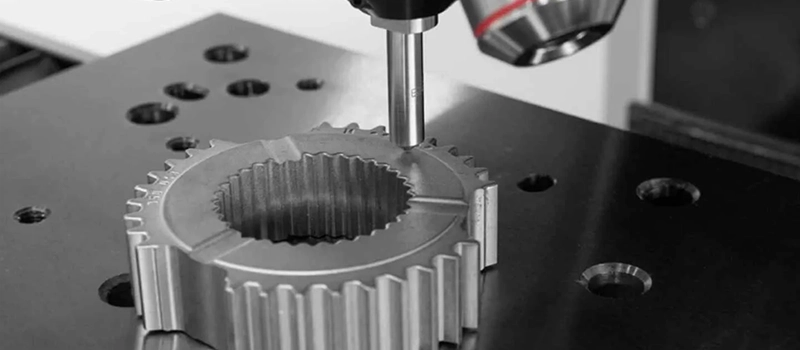
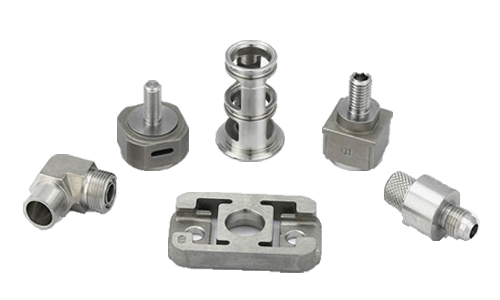
Industrial machinery and heavy equipment require materials with high metal strength to withstand continuous operation and heavy loads. Components such as gears, shafts, and bearings are often made from heat-treated steel to achieve the required durability.
Wear resistance and impact strength are also critical in these environments. Materials must resist deformation and surface damage while maintaining structural integrity. This makes metal strength a key factor in equipment lifespan and maintenance costs.
Energy and Petrochemical Industry
In energy production and petrochemical applications, materials are exposed to high pressure, temperature, and corrosive environments. Strong metals are required to maintain performance and prevent failure.
Pipelines, pressure vessels, and drilling equipment rely on materials with stable metal strength and resistance to environmental degradation. Alloy steels and specialized metals are often used to meet these demanding conditions.
Sheet Metal and Fabrication Applications
Sheet metal components are widely used in enclosures, panels, and structural assemblies. The sheet metal strength determines how well these components resist bending, deformation, and fastening forces.
Properties such as sheet metal tensile strength and shear resistance are critical when designing joints, especially for screws and fasteners. Proper material selection ensures that components maintain their shape and function under load.
Conclusion: The Importance of Metal Strength in Modern Engineering
Metal strength remains a fundamental factor in ensuring safety, performance, and efficiency across industries. By understanding material properties, processing methods, and application requirements, engineers can make better decisions and achieve reliable, long-lasting results.