Do your coated metal parts peel, fade, or corrode faster than expected? Are you struggling to choose between powder coating and liquid painting for intricate components? When dealing with demanding production needs—tight tolerances, custom finishes, or complex geometries—your surface treatment decision can make or break the final product.
Liquid painting remains one of the most adaptable and effective finishing solutions in industrial metal production, particularly for parts that require fine detailing, superior color options, or temperature-sensitive processing. It’s often overlooked in favor of powder coating, but the truth is: liquid paint offers unmatched control and flexibility when used in the right scenarios.
As the European Coatings Journal confirms: “Liquid coatings remain irreplaceable for detailed parts and flexible applications where powder simply cannot perform.” If you’re wondering when liquid painting is your smartest move, this guide will help you decide with confidence.
What is Liquid Painting and How Does It Work in Metal Production
Understanding the Basics of Liquid Painting
Liquid painting is a surface finishing process where a liquid coating is applied to a metal surface to enhance its corrosion resistance, improve durability, and create a visually appealing finish. The coating is typically composed of pigments, binders, solvents, and performance-enhancing additives. This method is widely used in various metalworking industries due to its adaptability across different types of metal substrates and its ability to deliver a smooth, consistent finish.
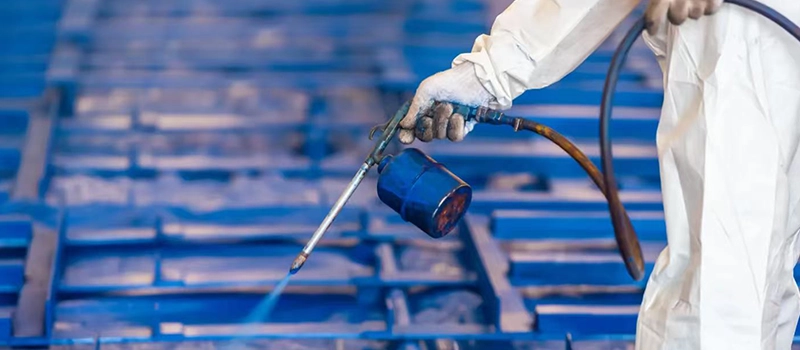
Unlike powder coating, which requires electrostatic application and high-temperature curing, liquid painting is applied using conventional spray guns and can often be cured at lower temperatures. This makes it especially suitable for parts that are heat-sensitive or have thin walls. It is also more flexible in terms of color matching and gloss control, allowing manufacturers to meet highly specific design requirements.
Comparing Liquid Painting with Other Coating Methods
While powder coating has grown in popularity for high-volume, automated lines, liquid painting continues to be the preferred choice in several applications. It is easier to apply on parts with complex shapes, narrow cavities, or deep recesses, where powder may fail to reach uniformly. Additionally, liquid paint systems allow for easier spot repair and touch-up work, both in the factory and in the field, which is particularly useful for large or custom-fabricated components.
Another advantage of liquid painting is its versatility in handling varying batch sizes. It is well-suited for small-batch production, prototype development, or projects that require frequent color changes. This makes it an ideal solution for industries where flexibility and customization are critical.
Step-by-Step Breakdown of the Liquid Painting Process
Surface Preparation
Proper surface preparation is essential for achieving strong adhesion and long-term performance. This step usually involves degreasing to remove oil and contaminants, followed by mechanical or chemical cleaning methods such as sandblasting or phosphating.
Primer Application
Once the surface is clean, a primer layer is applied to improve bonding and provide additional corrosion protection. The choice of primer depends on the type of metal being coated—for example, aluminum may require an etch primer, while steel might need a zinc-rich base coat.
Topcoat Spraying
The topcoat is applied over the primer to deliver the final color, gloss level, and surface texture. This is typically done using spray guns, which allow for controlled and even application across all areas of the part, including edges and hard-to-reach spots.
Drying and Curing
After application, the coated part undergoes a drying or curing process, depending on the type of paint used. Some systems are air-dried at room temperature, while others may require baking at low to moderate heat. Proper curing ensures that the coating hardens and achieves its intended mechanical and chemical resistance.
Top Scenarios Where Liquid Painting Is the Best Choice
Complex Geometries and Detailed Surfaces
One of the most common reasons to choose liquid painting in metal production is when dealing with parts that have complex geometries or fine surface details. Liquid paint, when sprayed, can flow into deep recesses, narrow crevices, and sharp edges more effectively than powder coating. This ensures complete coverage and even film thickness, reducing the risk of uncoated areas that could lead to corrosion or surface defects later in service.
Components such as brackets, housings, or connectors often feature intricate designs or assembly features that require precise coating. Liquid painting’s ability to penetrate these areas makes it the preferred choice when a consistent, high-quality finish is required on every visible and non-visible surface of a part.
Heat-Sensitive and Thin-Walled Metal Components
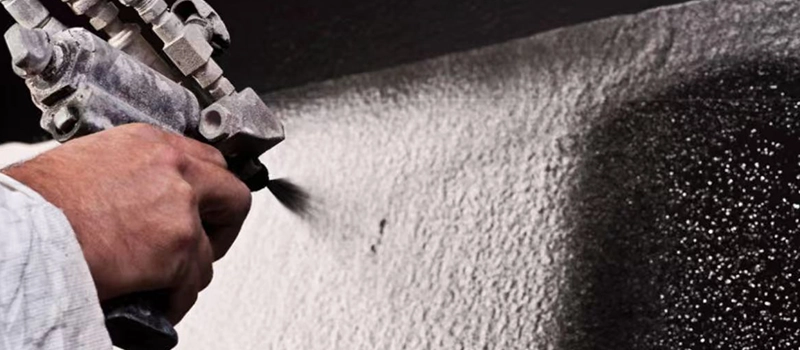
Liquid painting is also the right solution for metal parts that cannot tolerate the high curing temperatures required by powder coating. Powder coating typically requires oven curing at temperatures above 180°C, which can warp or damage thin-walled parts, aluminum extrusions, or components assembled with rubber seals or plastic inserts.
In contrast, liquid coatings can be formulated to air-dry at room temperature or cure at much lower heat settings, preserving the dimensional stability and integrity of sensitive components. This makes it particularly valuable in industries like electronics, automotive interiors, or tooling systems where thermal distortion must be avoided.
Small-Batch Production and Frequent Color Changes
When a production line involves custom runs, frequent design changes, or small order volumes, liquid painting offers greater flexibility and efficiency. Changing colors or formulations in a liquid paint line is faster and involves less waste compared to powder systems, which often require cleaning of enclosed powder booths and reclaim units.
This makes liquid painting ideal for manufacturers producing a wide range of SKUs or handling just-in-time orders. It also reduces downtime between jobs and simplifies scheduling, which can have a direct impact on lead times and operating costs.
On-Site Touch-Ups and Field Repairs
Another scenario where liquid painting is especially useful is in post-production or field environments. If a metal part is scratched or damaged during transport or installation, it’s nearly impossible to perform an effective powder coat repair without returning the item to a coating facility.
Liquid paint, however, can be easily matched and applied by hand on-site, allowing for fast, localized touch-ups that restore appearance and protection without costly delays. This is an important consideration in construction, agriculture, and mining industries where equipment is assembled or maintained in the field.
Multi-Coat Systems and Aesthetic Demands
In applications where parts require multiple coating layers for performance or visual reasons, liquid painting supports a greater range of system builds. It allows the application of specialized primers, intermediate barrier coats, and decorative topcoats in controlled thicknesses, ensuring that both function and form are achieved.
This capability is essential for projects where parts must meet both protective and cosmetic requirements, such as visible architectural components, automotive trim pieces, or branded enclosures in industrial machinery.
Performance Benefits of Liquid Painting for Industrial Parts
Superior Corrosion Resistance in Harsh Environments
Liquid painting provides excellent corrosion resistance, making it a trusted finishing solution for metal parts exposed to moisture, chemicals, and fluctuating environmental conditions. When applied correctly with proper primers and surface preparation, liquid painting forms a uniform barrier that shields the substrate from rust, oxidation, and chemical degradation. This makes it an effective choice for metal parts used in coastal, industrial, or underground applications where environmental stress is high and longevity is essential.
In comparison to other coating methods, liquid painting offers better control over film build, allowing critical surfaces to be protected without adding excessive thickness. This balance is key in ensuring performance without compromising part tolerances or assembly requirements.
Reliable UV and Weather Resistance for Outdoor Use
For parts that are constantly exposed to sunlight and outdoor conditions, liquid painting offers strong UV resistance and long-term weatherability. High-quality liquid coatings can be formulated to resist fading, chalking, or peeling when subjected to prolonged ultraviolet exposure. This makes them ideal for outdoor industrial equipment, enclosures, railings, and agricultural machinery.
Unlike some coating systems that degrade quickly under sun and rain, liquid painting maintains both color integrity and surface performance over time. This durability translates into reduced maintenance and repainting costs for customers operating in open environments.
Smooth Finish and Visual Consistency on Complex Surfaces
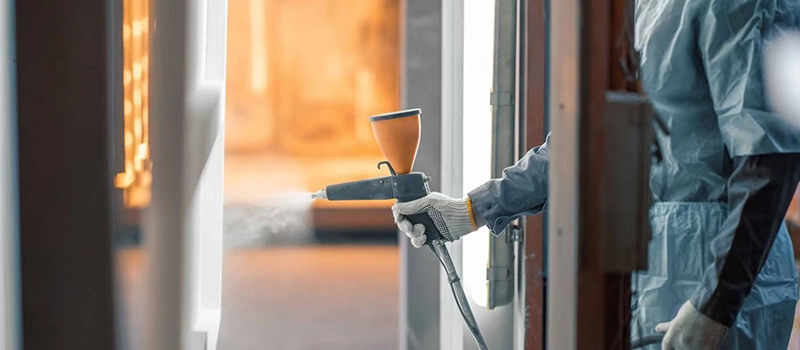
One of the standout advantages of liquid painting is its ability to produce a smooth, even finish across all types of surfaces, including those with complex shapes or fine design details. Spray-applied liquid coatings naturally level out during application, which helps hide minor imperfections and provides a visually appealing surface.
This feature is especially beneficial for parts that serve a dual function—structural integrity and aesthetics. Whether it’s a control panel, a visible bracket, or an automotive component, liquid painting allows manufacturers to achieve both a protective and decorative result in a single process.
Coating Flexibility for Mixed Assemblies and Welded Parts
Liquid painting adapts well to metal components that are welded, bolted, or assembled from different materials. Since it does not rely on electrical conductivity or high-heat curing, it can be applied uniformly to parts that contain both metal and non-metal sections, including gaskets, fasteners, or pre-installed seals.
This flexibility allows liquid painting to be used at later stages of production, even after subassemblies are complete. It reduces the need for disassembly and rework, streamlining the finishing process and preserving product integrity.
Proven Performance Across Critical Industries
Industries such as mining, construction, oil and gas, and heavy equipment manufacturing continue to rely on liquid painting because of its track record in delivering consistent performance. Whether exposed to vibration, chemical splashes, abrasion, or temperature changes, liquid-painted components can meet the rigorous demands of field service.
Because liquid painting is a well-understood and widely supported technology, spare parts, maintenance paints, and repair procedures are easily accessible. This ensures long-term serviceability, a key factor for sectors where downtime directly impacts operational costs.
Surface Preparation and Quality Control in Liquid Painting
The Role of Surface Preparation in Coating Durability
Before any liquid painting process begins, surface preparation is critical. Proper surface treatment ensures that the coating adheres uniformly to the metal and performs well under environmental stress. Without effective preparation, even the best liquid painting systems can fail prematurely due to flaking, bubbling, or poor adhesion.
Surface preparation methods vary depending on the type of metal, the operating environment, and the required coating durability. Contaminants such as oil, grease, rust, and old paint must be removed completely to prevent adhesion failures.
Degreasing and Cleaning
The first step typically involves degreasing the metal using chemical cleaners or aqueous detergents to eliminate oils and machining residues. This is essential in ensuring that no barrier exists between the metal surface and the liquid coating.
Abrasive Blasting or Mechanical Cleaning
After degreasing, abrasive blasting (such as sandblasting or shot blasting) is used to create a uniform profile on the surface. This roughness improves mechanical adhesion of the liquid paint. For sensitive parts, manual sanding or brushing may be used instead.
Chemical Pretreatment
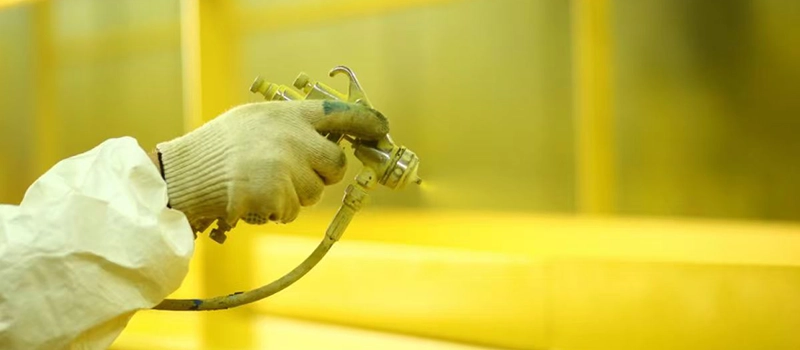
For specific metals like aluminum or galvanized steel, chemical pretreatment such as phosphating or chromating is often applied. This process further enhances corrosion resistance and coating adherence.
Primer Application and Material Compatibility
Primers serve as the base layer in a liquid painting system, designed to improve adhesion and extend the lifespan of the topcoat. The selection of primer depends on the metal type and the intended application environment.
For example, zinc-rich primers are often used on steel parts exposed to harsh environments, while epoxy-based primers may be preferred for chemical resistance. Proper compatibility between primer and topcoat is essential to avoid issues like delamination or discoloration during service.
Applying the primer requires controlled film thickness to ensure even coverage without excessive buildup. Operators must monitor viscosity, spray pattern, and drying time to achieve optimal results.
Coating Thickness and Film Uniformity
In liquid painting, controlling the thickness of each coating layer is essential. Too thin a layer can lead to insufficient protection, while too thick a coat may cause runs, sagging, or cracking during curing.
Coating thickness is typically measured using dry film thickness (DFT) gauges. Specifications often vary depending on the part’s function, with decorative parts requiring thinner coats and industrial parts needing heavier protection. Ensuring film uniformity across edges, corners, and recessed areas is one of the key advantages of liquid painting over other methods.
Quality Inspection and Testing Standards
Once the painting process is complete, quality control is carried out using a variety of inspection methods. These tests ensure that the liquid painting finish meets performance and visual standards before parts are approved for shipment.
Adhesion Testing
Cross-hatch or pull-off adhesion tests verify how well the paint adheres to the substrate. Poor adhesion can lead to peeling or flaking during handling or in service.
Salt Spray Testing
This accelerated corrosion test exposes coated parts to a saline mist environment to simulate long-term exposure to harsh conditions. It is widely used to validate the anti-corrosive performance of liquid painting systems.
Impact and Hardness Testing
Impact resistance and surface hardness are measured to assess the coating’s mechanical durability. This is particularly important for parts subjected to vibration or physical contact during operation.
Visual and Gloss Inspection
For customer-facing components, visual inspection is conducted to check for defects such as orange peel texture, pinholes, or color mismatches. Gloss levels are also measured to confirm the appearance matches design requirements.
Ensuring Process Consistency in Production
In professional metal fabrication environments, maintaining consistent results in liquid painting is achieved through standardized procedures, trained personnel, and regular equipment calibration. Paint viscosity, air pressure, spray distance, and environmental conditions like humidity and temperature are closely monitored during application.
Production teams also conduct in-process checks and maintain batch records to trace quality. This traceability helps resolve any issues quickly and supports continuous improvement in the coating process.
Limitations of Liquid Painting: When It’s Not the Right Choice
Situations Where Liquid Painting May Not Be Ideal
Although liquid painting offers many advantages in metal production, it is not always the most efficient or economical solution. In certain production environments, other coating technologies may offer better performance, cost savings, or process efficiency. Understanding these limitations is just as important as knowing where liquid painting excels.
High-Volume Production with Automation Requirements
For large-scale operations with continuous production lines, powder coating is often the preferred choice. Powder systems are easier to automate and allow for faster processing with minimal manual intervention. Liquid painting, by contrast, requires more setup time, skilled operators, and controlled spray environments, making it less suitable for high-speed, high-volume production lines.
In industries such as appliance manufacturing or automotive OEMs, where thousands of identical parts are coated daily, powder coating provides higher throughput, better overspray recovery, and lower material waste.
Projects Requiring Extremely Thick Coatings
Liquid painting performs well within standard dry film thickness ranges, but when a part requires exceptionally thick or multi-functional protective layers, powder coating or specialized epoxy systems may be more appropriate. Applying thick layers of liquid paint can result in sagging, uneven curing, or solvent entrapment, especially if multiple coats are applied too quickly.
This makes liquid painting less effective for applications such as heavy-duty structural steel components or marine-grade coatings that demand exceptionally thick film builds for long-term performance.
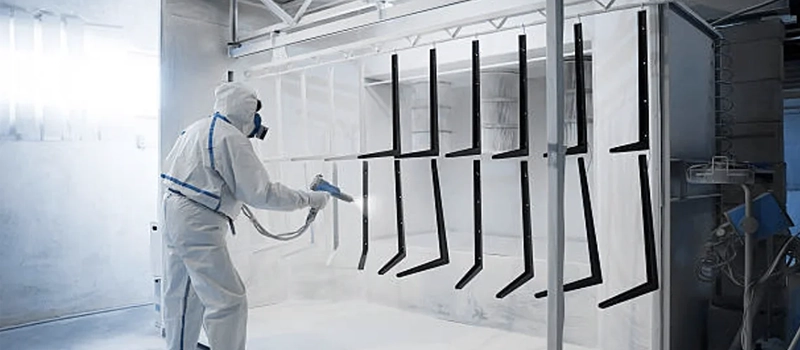
Environments with Strict Environmental Regulations
One of the main drawbacks of liquid painting is the use of solvents that release volatile organic compounds (VOCs) into the air during application and drying. In regions with strict environmental regulations, such as the European Union or parts of North America, VOC emissions are heavily restricted.
To remain compliant, facilities using liquid paint must install air filtration, fume extraction, and proper waste management systems. These measures increase operational costs and may make powder coating or water-based alternatives more attractive from a compliance perspective.
Longer Drying and Handling Time
Unlike powder coating, which can be cured quickly in a high-temperature oven, liquid painting may require extended drying or curing times depending on the coating type and environmental conditions. This slows down the overall production cycle and increases the risk of handling damage before the coating is fully cured.
For time-sensitive projects or just-in-time manufacturing workflows, these delays can lead to production bottlenecks unless properly managed.
Higher Maintenance and Operator Dependency
Liquid painting systems rely heavily on operator skill and routine maintenance. Factors such as spray technique, equipment cleanliness, air pressure, and environmental controls all affect the final coating quality. Inconsistent application can lead to common defects such as orange peel texture, pinholes, or uneven coverage.
Maintaining consistent quality in liquid painting operations requires more training, frequent calibration of equipment, and strict process monitoring—something that may not be feasible in all manufacturing environments.
Industry Applications That Depend on Liquid Painting
Construction Industry
In the construction industry, liquid painting is widely used for structural steel, aluminum railings, and decorative metal components that require both protection and appearance. Because these parts are often exposed to the elements, coatings must resist corrosion, UV radiation, and surface degradation. Liquid painting provides excellent edge coverage and aesthetic consistency, which are critical for architectural visibility and compliance with safety standards.
It’s also ideal for handrails, staircases, window frames, and signage where detailed work or custom colors are specified. When construction components are fabricated off-site and assembled later, liquid painting allows for easy on-site touch-up without the need for large-scale recoating operations.
Mining and Petrochemical
Mining equipment and petrochemical components operate in some of the harshest conditions found in any industry. These environments often involve abrasive particles, moisture, chemical exposure, and extreme temperatures. Liquid painting remains a trusted choice here because of its ability to bond well to rugged, irregular surfaces and provide a tough, protective barrier against corrosion and chemical attack.
Heavy-duty primers and high-performance topcoats can be layered using liquid painting methods to meet specific environmental challenges. Additionally, the flexibility of liquid systems allows for coating repair or reapplication directly in the field when equipment cannot be easily removed or disassembled.
Agricultural Equipment
Agricultural machinery, such as seeders, tillers, and harvesters, often features complicated shapes and assemblies that benefit from the flexibility of liquid painting. Many of these components are made from thin metal that would distort under the heat of powder coating ovens. Liquid painting solves this issue by allowing low-temperature or air-drying finishes that preserve the part’s geometry and function.
Farms also require robust coatings that can withstand mud, fertilizer, and weather cycles. Liquid painting supports multi-layer systems with primers and corrosion-resistant topcoats tailored for the rigors of agricultural operation.
Automotive and Aftermarket Parts
Liquid painting plays a critical role in the automotive industry, particularly for aftermarket parts, interior trim, and components that demand a precise finish. Many of these parts require special effects such as metallic flake, custom gloss, or color matching, which are more achievable with liquid coatings than with powder.
Interior parts that should not emit odors or tolerate high heat during processing are also better suited to liquid paint. Additionally, liquid painting allows refinishing of individual components without disassembling entire units—ideal for custom vehicle builders or repair shops.
Marine and Offshore Structures
Marine and offshore environments are among the most challenging for any metal surface. Constant exposure to saltwater, high humidity, and UV rays demands a high-performance coating system. Liquid painting is frequently used for boats, docks, rigging components, and offshore platforms due to its ability to seal edges and reach into recessed areas.
Special marine-grade primers and topcoats are formulated to resist blistering, rusting, and surface erosion caused by prolonged exposure to harsh conditions. In this context, the adaptability of liquid painting ensures that even complex welded structures are fully coated and protected.
Conclusion
Liquid painting continues to play a vital role in modern metal production, especially when flexibility, surface detail, and environmental adaptability are required. While it may not be the ideal solution for every application, it offers clear advantages in projects involving complex geometries, heat-sensitive parts, or strict visual and protective standards. Understanding when to choose liquid painting ensures better performance, cost efficiency, and long-term value across a wide range of industrial applications.