“Rust never sleeps.” – Neil Young
In the world of metal manufacturing, rust isn’t just a nuisance—it’s a silent killer. According to industry data, corrosion costs the global economy over $2.5 trillion USD annually.
If you work with steel, iron, aluminum, or stainless steel, knowing how to prevent rust is not optional—it’s essential. In this guide, I’ll break down rust prevention techniques for each commonly used metal in manufacturing, giving you practical, proven, and professional solutions.
What Is Rust and Why Does It Form on Metal?
Rust is a common form of corrosion that primarily affects iron and its alloys, including carbon steel and cast iron. For anyone working with metal products, understanding how rust forms is the first step in learning how to prevent rust effectively.
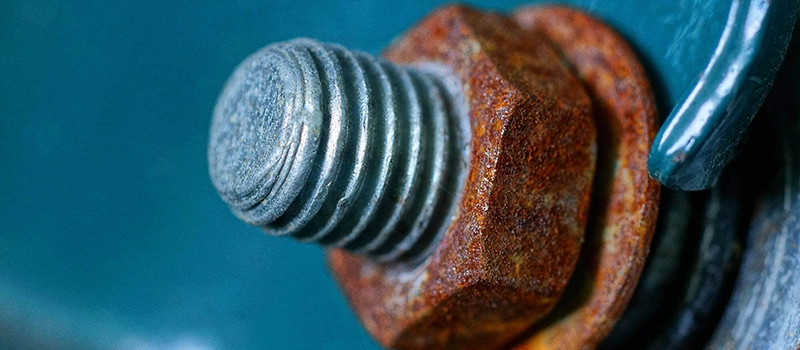
Rust occurs when metal is exposed to moisture and oxygen, triggering a redox reaction. In this process, iron atoms lose electrons and combine with oxygen, forming iron oxide (Fe₂O₃)—the flaky, reddish-brown substance known as rust.
But rust is not just a chemical issue; it’s also driven by environmental factors. When water, even in vapor form, contacts exposed metal surfaces, it acts as an electrolyte, accelerating the corrosion process. The presence of salt, acidic pollutants, or industrial contaminants further speeds up oxidation. This is why knowing how to prevent rust is especially important in coastal regions, high-humidity zones, or polluted industrial areas, where conditions make metal components more vulnerable.
If you don’t implement a strategy for how to prevent rust, even the highest-quality iron-based metals will deteriorate rapidly.
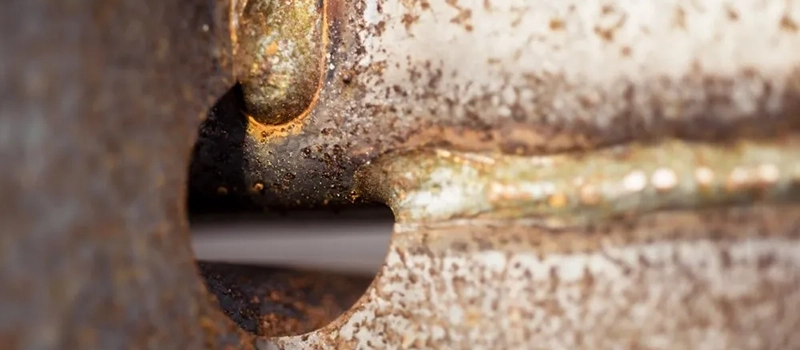
While the term “rust” specifically refers to iron oxide, people often use it more broadly to describe visible surface degradation on various metals. However, technically:
- Iron, steel, and cast iron rust.
- Aluminum oxidizes, forming a hard oxide layer.
- Copper and brass develop patina or tarnish.
- Zinc and galvanized metals corrode through sacrificial oxidation.
Despite these differences, the end result is the same: weakened structural integrity, aesthetic damage, and potential failure in function. In industrial manufacturing, rust is not just a cosmetic issue. It leads to:
- Loss of product value
- Failed inspections and rejections
- Increased rework and scrap rates
- Delays in assembly or delivery
- Safety risks in critical applications
Rust can begin forming within just a few hours of exposure to air and moisture, especially on bare metal surfaces. Once started, the process continues until it is mechanically or chemically stopped. This is why knowing how to prevent rust is essential for every manufacturer working with metal.
Effective rust prevention starts with understanding these three core elements:
- Material composition – Some metals are more reactive than others.
- Environmental conditions – High humidity, salt, and industrial chemicals accelerate corrosion.
- Surface exposure – Bare or unprotected surfaces are most vulnerable.
Without a protection strategy, even high-quality parts can fail in storage, shipping, or early use. For manufacturers, rust prevention is not optional—it’s a built-in responsibility of quality control and long-term performance.
How to Prevent Rust on Carbon Steel
Carbon steel is the backbone of modern manufacturing—strong, versatile, and widely available. But despite its advantages, it has one major weakness: it rusts quickly. Without protection, carbon steel—whether it’s mild steel sheets or heavy structural beams—can begin rusting within hours of exposure to air and moisture.
To understand how to prevent rust on carbon steel, we need to look at its composition. Unlike stainless steel, carbon steel contains little or no chromium, which means it lacks inherent corrosion resistance. This makes it highly susceptible to oxidation, especially in humid, coastal, or industrial environments.
In industrial manufacturing, rust on carbon steel can lead to:
- Material waste and rework
- Assembly delays
- Surface contamination during painting or welding
- Rejection due to failed inspections
Whether you’re working with mild steel, structural steel, or high-carbon steel, the strategies to prevent rust are essentially the same—but must be implemented consistently.
Best Practices: How to Prevent Rust on Carbon Steel
Here are proven methods that every manufacturer should apply to protect carbon steel surfaces before rust begins:
1. Apply Industrial Coatings
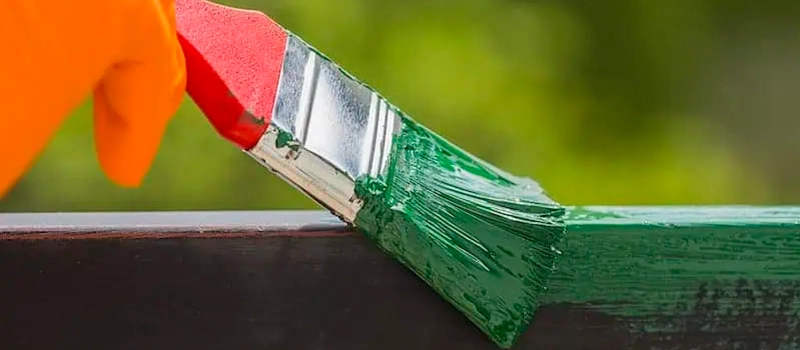
One of the most effective ways to prevent rust on carbon steel is by using protective coatings. Options include:
- Epoxy primers
- Powder coatings
- Zinc-rich paints
These coatings form a barrier against moisture and oxygen, stopping the corrosion process before it starts.
2. Use Hot-Dip Galvanization
Galvanizing carbon steel adds a layer of zinc that acts as a sacrificial shield. The zinc corrodes first, protecting the steel underneath. This is especially important for structural steel used outdoors, such as in bridges, frames, supports, and fences.
3. Control the Storage Environment
Improper storage is a major cause of rust. Keep carbon steel:
- Indoors or covered
- Elevated from the ground
- Away from condensation or leaks
Use desiccants, climate-controlled warehouses, or VCI films during transport or long-term storage.
4. Apply Rust Inhibitors
For steel that will be coated or welded later, use temporary anti-rust oils or VCI sprays. These protect the surface without interfering with downstream processes.
5. Phosphate Surface Treatment
Phosphating prepares the surface for painting while adding a thin corrosion-resistant layer. It is commonly used on mild steel components before powder coating or wet painting.
How to Prevent Rust on Cast Iron
Cast iron is widely used in heavy machinery, automotive parts, construction components, and industrial equipment. It offers strength, wear resistance, and excellent castability. But when it comes to corrosion, cast iron is highly prone to rust—especially in humid or unprotected environments.
That’s why understanding how to prevent rust on cast iron is essential for manufacturers and industrial buyers. If left untreated, cast iron components can quickly degrade, leading to surface flaking, internal weakness, and functional failure. Whether you’re storing raw castings or shipping finished parts, effective rust prevention is non-negotiable.
Why Cast Iron Rusts So Easily
Cast iron is composed primarily of iron with a high carbon content. The microstructure of cast iron includes graphite flakes (in gray iron) or nodules (in ductile iron), which create microscopic surface irregularities that trap moisture. These imperfections accelerate rust formation.
Once moisture and oxygen interact with the exposed surface, a chemical reaction forms iron oxide, the visible rust layer. Unlike stainless steel or aluminum, cast iron does not naturally form a passive protective film. This makes it highly reactive to environmental exposure.
How to Prevent Rust on Cast Iron Components
To effectively prevent rust on cast iron, here are the most reliable and industry-approved methods:
1. Apply Anti-Rust Oils or Greases
For raw or semi-finished cast iron parts, anti-rust oils form a protective layer that blocks moisture. This is ideal during storage, shipping, or waiting periods before machining or coating.
- Use water-displacing oils that repel condensation
- Choose easy-to-remove oils for parts that require further processing
2. Store Cast Iron in Controlled Environments
The easiest way to prevent rust is by eliminating the conditions that cause it:
- Keep castings in dry, indoor warehouses
- Use pallets or shelves to elevate parts off concrete floors
- Avoid contact with cardboard or wood, which absorb moisture
- For international shipping, use VCI film wrapping or sealed containers with desiccants
3. Apply Surface Coatings for Long-Term Use
For finished cast iron components, protective coatings are essential to prevent rust over time:
- Zinc-rich primers provide excellent protection for outdoor exposure
- Powder coatings or epoxy paints add both aesthetic and barrier benefits
- For heat-exposed components (like engine blocks), use high-temperature ceramic coatings
4. Use Rust Inhibitors in Coolants and Fluids
During machining or operation, cast iron parts may be exposed to liquids. To prevent rust, it’s important to use coolants and cutting fluids with rust inhibitors. These prevent flash rust during processing and protect critical surfaces between operations.
5. Seasonal Maintenance for Outdoor Cast Iron
For structural or decorative cast iron installed outdoors, regular maintenance is key. Clean off debris, inspect coating integrity, and reapply sealants annually to prevent rust from forming or spreading.
How to Prevent Rust on Stainless Steel
Stainless steel is known for its corrosion resistance—but rust can still happen. And when it does, it’s often more dangerous because it’s unexpected. Many manufacturers and users wrongly assume stainless steel is “rust-proof,” but in reality, knowing how to prevent rust on stainless steel is just as important as with any other metal.
Whether you’re producing stainless steel valves, brackets, housings, or kitchen equipment, surface rust can occur under certain conditions—and fast. Especially in marine, industrial, or high-humidity environments, stainless steel can lose its protective layer and begin corroding without warning.
Why Stainless Steel Rusts
Stainless steel contains chromium, which reacts with oxygen to form a thin, invisible passive layer that prevents rust. But this layer can be damaged.
Rust on stainless steel is often caused by:
- Chloride exposure (salt spray, sweat, bleach)
- Mechanical damage (scratches, welding heat)
- Chemical contamination (iron particles from tools)
- Lack of oxygen flow (crevice corrosion)
Once the passive layer breaks down, the metal becomes vulnerable—especially in aggressive environments. So if you’re wondering how to prevent rust on stainless steel, the answer is not to assume it’s immune, but to proactively protect and maintain it.
How to Prevent Rust on Stainless Steel Surfaces
Here are the most reliable and professional methods used to prevent rust on stainless steel in industrial and commercial applications:
1. Passivation Treatment
Passivation is the process of using nitric or citric acid to remove surface contaminants (like free iron) and enhance the chromium oxide layer. This is one of the most effective ways to prevent rust on new or machined stainless steel parts.
2. Use Proper Cleaning Techniques
Never clean stainless steel with carbon steel tools or brushes. Cross-contamination introduces iron particles that rust and spread. Instead:
- Use non-metallic brushes or stainless steel-specific tools
- Wipe surfaces regularly to remove salt, dirt, or chemicals
- Avoid harsh cleaners that damage the passive layer
3. Apply Surface Coatings or Sealants
In harsh environments, stainless steel may need additional protection:
- Use clear anti-corrosion coatings
- Apply protective waxes for indoor parts
- For outdoor or marine use, use polymer sealants or nano-coatings to repel water and salt
4. Design with Corrosion in Mind
When designing stainless steel components:
- Avoid crevices that trap moisture
- Allow for ventilation to keep oxygen levels high
- Use welded joints over fasteners when possible, and treat weld zones to restore passivity
5. Choose the Right Stainless Steel Grade
Not all stainless steels offer the same corrosion resistance. For example:
- 304 is common but vulnerable to chloride
- 316 contains molybdenum, making it more resistant to rust in saltwater or chemical exposure
Understanding the application environment helps you choose the right material—and prevents unexpected rust problems.
How to Prevent Rust on Aluminum
Aluminum doesn’t technically “rust” in the same way iron does, because it doesn’t contain iron. But it still corrodes, and in many cases, this corrosion can be just as damaging. That’s why understanding how to prevent rust on aluminum—or more accurately, how to prevent aluminum corrosion—is essential in manufacturing.
From automotive parts and electronics housings to industrial panels and structural components, aluminum is valued for its light weight and resistance to corrosion. But under certain conditions, especially outdoors or in marine environments, aluminum can oxidize and deteriorate fast.
Why Aluminum Corrodes
Aluminum forms a natural oxide layer when exposed to air. This oxide layer actually protects the metal underneath—unlike rust, it adheres tightly and prevents further corrosion. However, in aggressive environments, this passive layer can break down.
Aluminum is particularly susceptible to:
- Salt spray (marine or deicing roads)
- Acid rain
- Galvanic corrosion when in contact with steel, copper, or brass
- Chemical exposure
- Improper storage with moisture buildup
When this happens, white powdery spots or pitting may appear—early signs of aluminum corrosion.
How to Prevent Rust on Aluminum (Corrosion Protection)
To prevent rust on aluminum surfaces, manufacturers should implement the following proven strategies:
1. Anodizing
Anodizing is an electrochemical process that thickens the natural oxide layer on aluminum. This hard, corrosion-resistant surface:
- Improves resistance to wear and oxidation
- Can be dyed or sealed for added protection
- Is ideal for outdoor and high-traffic use
2. Powder Coating or Painting
Another effective way to prevent rust on aluminum is by applying a powder coat or industrial-grade paint. These coatings provide:
- A moisture-proof barrier
- UV protection
- Long-term surface durability
Use polyester or epoxy-based coatings specifically formulated for aluminum parts.
3. Use of Sealants and Protective Films
In applications where the aluminum is exposed but not coated, wax-based sealants, clear acrylic coatings, or protective films can be applied to reduce oxidation.
This method is especially useful for:
- Trim parts
- Decorative surfaces
- Electronic housings
4. Avoid Contact with Dissimilar Metals
Galvanic corrosion happens when aluminum touches a more noble metal (like copper or stainless steel) in the presence of an electrolyte (like water). To avoid this:
- Use plastic or rubber spacers
- Apply dielectric coatings at contact points
- Keep aluminum parts dry during storage and transport
5. Store in Dry, Covered Areas
To prevent aluminum corrosion, store parts in:
- Covered, indoor facilities
- Elevated positions (off concrete or wet wood)
- VCI packaging if long-distance shipping is involved
Even though aluminum corrodes more slowly than steel, moisture and salt can still cause major surface damage over time.
How to Prevent Rust on Galvanized Steel
Galvanized steel is widely used in construction, agriculture, and industrial manufacturing because of its corrosion resistance. It’s essentially carbon steel that has been coated with a layer of zinc—a process designed specifically to prevent rust. However, while galvanization is highly effective, it’s not foolproof. Even galvanized metal can corrode over time without proper care.
So, if you’re asking how to prevent rust on galvanized steel, the answer is this: galvanizing is the first line of defense—but not the last.
Why Galvanized Steel Still Needs Rust Prevention
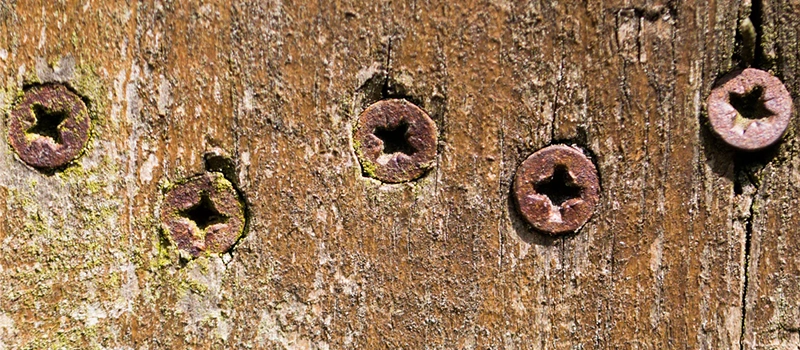
The zinc coating on galvanized steel acts as a sacrificial layer. It corrodes first, protecting the underlying steel. But once that layer is compromised—by scratches, acid exposure, or prolonged moisture—rust can begin to form on the steel below.
Common causes of rust on galvanized steel include:
- Deep scratches or impact damage
- Standing water or high humidity over long periods
- Chemical exposure, such as acid rain or concrete runoff
- Improper storage (especially outdoors)
- Galvanic corrosion from contact with dissimilar metals
Even small coating failures can create rust spots, and once they start, they spread—defeating the purpose of galvanization.
How to Prevent Rust on Galvanized Steel Surfaces
Here’s how to prevent rust on galvanized steel and extend its performance life in industrial or outdoor applications:
1. Inspect and Maintain the Zinc Coating
The first step in how to prevent rust is regular inspection. If any scratches, chips, or discoloration appear:
- Apply zinc-rich paint or galvanizing repair spray to restore protection
- Ensure the coating remains continuous and intact
2. Store in Dry, Ventilated Areas
Improper storage is a leading cause of early rusting. Always:
- Store galvanized steel under a roof
- Avoid contact with damp surfaces or wet packaging
- Use pallets or plastic separators to keep steel elevated
Moisture trapped between stacked sheets or inside bundles is especially dangerous.
3. Avoid Contact with Dissimilar Metals
Galvanic corrosion can occur if galvanized steel touches copper, stainless steel, or brass in the presence of moisture. To prevent rust, use:
- Nylon washers
- Rubber pads
- Dielectric barriers at joints and fasteners
4. Use Protective Coatings for Harsh Environments
In coastal or chemical-heavy areas, consider applying:
- Clear acrylic sealants
- Powder coatings over galvanization
- Paint systems designed for galvanized surfaces
This double-layer protection ensures rust won’t form even if the zinc layer begins to degrade.
5. Clean Regularly
Dust, bird droppings, and industrial fallout can all erode the protective zinc. Clean galvanized steel regularly with mild soap and water to maintain its corrosion resistance.
How to Prevent Rust on Copper, Brass, and Chrome
Copper, brass, and chrome are often praised for their natural corrosion resistance and shiny appearance. However, while they don’t “rust” like iron-based metals, they can still suffer from corrosion, tarnish, and surface degradation—especially in moist or polluted environments. So understanding how to prevent rust (or corrosion) on these metals is critical, especially for decorative fittings, plumbing parts, fasteners, and electrical components.
Even though these metals are less reactive than steel or iron, ignoring surface protection leads to problems like:
- Oxidation discoloration
- Verdigris (green corrosion on copper/brass)
- Pitting or flaking (especially on chrome-plated parts)
- Functional damage in connectors or moving parts
Let’s break down how to prevent rust (corrosion) on each of these materials.
How to Prevent Rust on Copper
Copper forms a patina when exposed to oxygen and humidity. While some applications intentionally allow this (e.g., architectural roofing), most manufacturers and users want to prevent copper corrosion to retain conductivity, appearance, and dimensional accuracy.
To prevent rust (oxidation) on copper:
- Apply clear protective lacquer or wax on the surface
- Avoid handling with bare hands—skin oils accelerate corrosion
- Store in low-humidity environments
- For electronics, use conformal coatings or anti-oxidation compounds
How to Prevent Rust on Brass
Brass, an alloy of copper and zinc, corrodes in similar ways. It tarnishes over time and can develop green spots due to moisture and air pollution.
To prevent rust on brass:
- Apply UV-stable lacquer or microcrystalline wax
- Polish regularly with non-abrasive compounds
- Store wrapped in anti-tarnish paper or dry sealed bags
- Use protective sleeves or VCI foam during transport
Brass components used in marine, plumbing, or decorative applications should be treated before exposure.
How to Prevent Rust on Chrome
Chrome is typically used as a plating layer on steel, brass, or plastic. It offers high shine and corrosion resistance—but once the surface is scratched, peeling and rust can begin, especially if the substrate underneath is steel.
To prevent rust on chrome surfaces:
- Clean frequently using mild soap and water
- Dry surfaces immediately after cleaning or exposure to moisture
- Apply a thin coat of automotive wax or WD-40 for outdoor or wet environments
- Avoid abrasive cleaning tools that damage the chrome layer
If chrome rust has already started, it should be removed carefully with chrome polish or aluminum foil and vinegar, followed by sealing to prevent recurrence.
How to Prevent Rust on Zinc and Zinc-Coated Metals
Zinc plays a crucial role in metal protection, especially as a sacrificial coating on steel in galvanizing. It’s often assumed that zinc can’t corrode—but under the wrong conditions, even zinc can oxidize and degrade. That’s why it’s still essential to understand how to prevent rust on zinc and zinc-coated metals to ensure lasting protection in industrial applications.
Zinc doesn’t rust in the traditional sense. Instead, it undergoes oxidation to form zinc oxide, which later converts to zinc carbonate in the presence of carbon dioxide. This chalky white layer acts as a passive shield. However, this process can be disrupted by:
- Acid rain or industrial pollution
- Saltwater exposure
- Trapped moisture during storage
- Physical abrasion or chemical cleaners
If the protective carbonate layer is compromised, rust can form underneath—especially if the underlying metal is iron or steel.
How to Prevent Rust on Zinc and Galvanized Surfaces
To effectively prevent rust on zinc-coated materials, manufacturers and users must apply a combination of protective practices and maintenance routines.
1. Ensure Proper Ventilation and Drainage
Moisture is the enemy of any metal. Even for zinc, trapped water between surfaces can cause corrosion. To prevent rust:
- Store parts in ventilated and dry spaces
- Avoid stacking flat panels without airflow
- Design parts with drainage holes to release condensation
2. Avoid Harsh Chemical Exposure
Zinc reacts with acids, ammonia, and strong alkalis. To prevent rust:
- Do not clean zinc-coated parts with vinegar or bleach
- Use pH-neutral cleaners
- Rinse thoroughly after washing
If zinc carbonate is eroded, the surface becomes vulnerable.
3. Apply Protective Sealants
In high-risk environments, zinc-coated parts can be sealed with:
- Acrylic topcoats
- Water-repellent waxes
- Polyurethane or powder coatings
These layers act as a secondary defense to prevent rust even if the zinc layer begins to wear.
4. Use Post-Galvanizing Treatments
To enhance resistance, some manufacturers apply:
- Chromate conversion coatings
- Duplex systems (paint over galvanizing)
These treatments dramatically extend the corrosion-free life of zinc-coated parts.
5. Regular Inspection and Spot Repair
Even zinc can suffer from surface wear. If you spot corrosion, act immediately:
- Clean the area with a soft brush
- Apply zinc-rich repair paint
- Reseal with a protective topcoat
Conclusion: How to Prevent Rust Is a Long-Term Strategy, Not a One-Time Fix
Rust is not just a chemical reaction—it’s a persistent threat to quality, performance, and cost control in metal manufacturing. Whether you’re working with carbon steel, cast iron, stainless steel, aluminum, galvanized steel, or non-ferrous metals like copper and brass, knowing how to prevent rust must be part of your core production and logistics strategy.
Throughout this guide, we’ve seen that how to prevent rust is not a one-size-fits-all solution. Each metal requires its own protection method—coatings, treatments, careful storage, or material selection. The key is to act before rust starts, not after. Once corrosion sets in, the damage is often irreversible.
If you want to ensure long-term success in metal fabrication, you must:
- Design with corrosion in mind
- Choose materials wisely
- Apply the right protective measures
- Maintain and inspect regularly
How to prevent rust is a process built on consistency, knowledge, and discipline. The earlier you take control, the longer your products will perform in the field—and the fewer surprises you’ll face with quality complaints or costly returns.
Protect your metals. Protect your reputation. Start with the mindset that rust is preventable—always.