Hot bending is a metal forming process in which materials are heated to a specific temperature and then shaped using controlled mechanical force. By increasing the temperature, the metal becomes more ductile, allowing it to be bent into complex shapes with reduced risk of cracking or failure.
Compared to room-temperature forming, hot bending enables the deformation of thicker and stronger materials that would otherwise be difficult to shape. It is widely used in applications requiring large bending angles, heavy sections, or precise curvature control.
Understanding how hot bending works, especially the role of temperature and material behavior, is essential for achieving consistent results and selecting the right forming method.
What Is Hot Bending
Hot bending is a metal forming process in which a material is heated to an elevated temperature and then deformed into a desired shape through the application of mechanical force. Unlike room-temperature forming methods, hot bending relies on thermal energy to reduce the resistance of the material, making it easier to reshape without causing structural failure.
At its fundamental level, hot bending is based on the principle that metals become more ductile when heated. As temperature increases, the atomic structure of the material gains energy, allowing atoms to move more freely within the lattice. This increased mobility reduces internal resistance to deformation, enabling the material to undergo larger shape changes without cracking. The process therefore combines thermal softening with mechanical force to achieve controlled deformation.
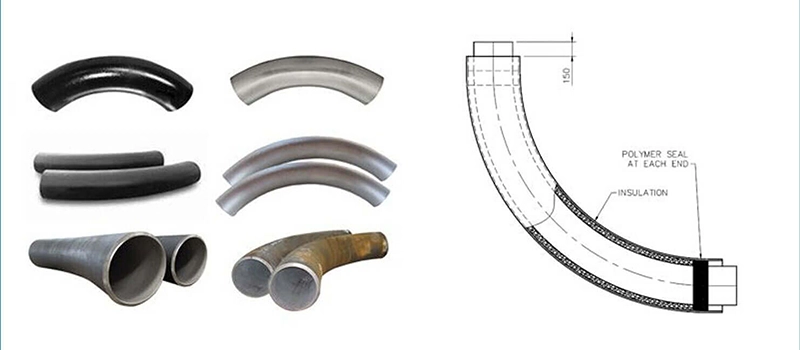
During hot bending, the material transitions through different deformation stages similar to other forming processes. Initially, it may still exhibit elastic behavior, but due to the elevated temperature, the transition to plastic deformation occurs more easily and requires less force. Once in the plastic state, the material can be reshaped permanently. Because the deformation occurs at high temperature, internal stresses are reduced, and the material is less likely to experience sudden failure during bending.
Another defining characteristic of hot bending is that it typically occurs above the material’s recrystallization temperature. At this level, the internal grain structure of the metal can reorganize during deformation. This means that, unlike cold forming, the material does not accumulate the same level of internal strain. Instead, new grain structures can form as deformation progresses, which helps maintain ductility throughout the process.
The interaction between heat and force is the core of hot bending. Temperature determines how easily the material can be deformed, while mechanical force controls the final geometry. If the temperature is insufficient, the material may resist deformation or develop defects. If it is too high, the material may lose stability or surface quality. Therefore, hot bending requires a balance between thermal input and mechanical control.
In essence, hot bending is defined by its use of elevated temperature to facilitate metal deformation. It allows materials to be reshaped more easily than at room temperature by reducing internal resistance and enabling continuous plastic flow. This fundamental principle forms the basis for all hot bending operations and distinguishes it from other metal forming methods.
Hot Bending Process
The hot bending process is a controlled sequence of operations in which metal is heated and then shaped under mechanical force to achieve a desired geometry. Unlike cold forming, this process integrates thermal preparation with deformation, requiring careful coordination between heating, force application, and process timing.
Heating Preparation and Temperature Setup
The first stage of the hot bending process involves heating the material to an appropriate level before any deformation takes place. The objective is to bring the metal into a softened state where resistance to bending is significantly reduced. Heating must be applied uniformly to avoid temperature gradients that could lead to uneven deformation.
During this stage, the material is typically positioned in a heating environment where thermal exposure can be controlled. The duration of heating is as important as the temperature itself. Insufficient heating may leave the core of the material too rigid, while excessive heating can weaken the structure or affect surface integrity.
Proper preparation ensures that the material reaches a stable condition suitable for subsequent bending operations.
Application of Force During Bending
Once the material reaches the required temperature, mechanical force is applied to initiate deformation. In the hot bending process, force is generally lower than in cold bending due to the reduced resistance of the heated material. However, the application of force must still be controlled and gradual.
The material undergoes plastic deformation as it is shaped into the desired angle or curvature. Because the material is in a softened state, it can accommodate larger deformation without cracking. This makes hot bending suitable for forming complex geometries or thick sections that would be difficult to process at room temperature.
Alignment during this stage is critical. Improper positioning can lead to asymmetrical deformation or dimensional inaccuracies, especially when dealing with large components.
Control of Deformation and Geometry
Accurate control of shape is a key aspect of the hot bending process. The bending angle, radius, and overall geometry must be achieved while the material is still at an elevated temperature. This requires precise coordination between force application and deformation rate.
Unlike cold bending, where springback is a major concern, hot bending generally experiences reduced elastic recovery due to the material’s softened condition. However, deformation must still be monitored to prevent over-bending or distortion.
In many cases, bending is performed progressively rather than in a single step. Incremental deformation allows for better control and reduces the risk of defects, especially in large or complex components.
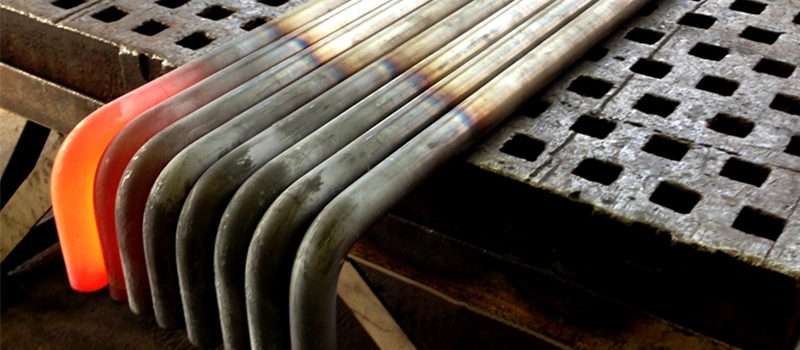
Cooling and Shape Stabilization
After the desired shape is achieved, the material enters the cooling stage. This is a critical part of the hot bending process, as the final properties and geometry are stabilized during cooling. The rate of cooling can influence internal structure and dimensional accuracy.
Controlled cooling helps maintain the intended shape and reduces the likelihood of residual stress or distortion. Rapid or uneven cooling, on the other hand, may introduce internal inconsistencies or surface defects.
The transition from high temperature to ambient conditions must therefore be managed carefully to preserve both geometry and structural integrity.
Inspection and Process Consistency
The final stage of the hot bending process involves inspection and verification. The bent component is checked to ensure that it meets design specifications in terms of angle, curvature, and dimensional tolerances.
Consistency is especially important in hot bending, as variations in temperature, force, or timing can lead to differences in results. Standardized procedures and controlled parameters are essential for achieving repeatable outcomes across multiple production cycles.
Through proper control of each stage—heating, bending, and cooling—the hot bending process can produce reliable and precise components suitable for demanding industrial applications.
Hot Bending Temperature Requirements
Temperature is the most critical factor in the hot bending process. It directly determines how easily a metal can be deformed, how stable the bending process remains, and whether defects will occur during shaping. Unlike cold forming, where force is the dominant variable, hot bending relies on a precise balance between heat and mechanical stress.
How Hot Does Metal Have to Be to Bend
In hot bending, metals must be heated to a temperature high enough to significantly increase ductility while maintaining structural stability. This temperature is generally above the material’s recrystallization point, where internal resistance to deformation decreases and plastic flow becomes easier.
For most common metals, the required temperature falls within a range that allows atoms to move more freely without reaching melting conditions. At this stage, the material softens and can be bent with reduced force. If the temperature is too low, the metal behaves similarly to cold bending, requiring higher force and increasing the risk of cracking. If the temperature is too high, the material may lose strength or experience surface degradation.
Temperature Differences for Common Metals
Different materials require different temperature levels for effective hot bending, due to variations in their internal structure and thermal properties.
- Steel typically requires high temperatures to reach sufficient ductility. As temperature increases, its resistance to deformation drops significantly, allowing for large bending angles without fracture.
- Stainless steel requires careful temperature control, as overheating can affect its corrosion resistance and surface condition.
- Aluminum generally requires lower temperatures compared to steel due to its naturally higher ductility, but it must still be heated within a controlled range to avoid surface damage or instability.
Each material has a specific temperature window in which bending can be performed safely and effectively. Operating outside this window can lead to defects such as cracking, excessive deformation, or loss of dimensional accuracy.
The Role of Recrystallization Temperature
A key concept in hot bending is the recrystallization temperature. When a metal is heated above this point, its internal grain structure begins to reorganize. This process reduces accumulated internal stress and allows continuous deformation without significant hardening.
Because of this, hot bending does not produce the same strain hardening effects seen in cold forming. Instead, the material remains relatively stable throughout the deformation process. This characteristic makes hot bending particularly suitable for operations that require large or complex shape changes.
Temperature Control and Process Stability
Maintaining a consistent temperature throughout the hot bending process is essential for achieving uniform results. Uneven heating can cause different sections of the material to deform at different rates, leading to distortion or internal stress imbalances.
Temperature control also affects the interaction between force and deformation. At optimal temperatures, less force is required to achieve the desired shape, which reduces mechanical stress on both the material and the equipment. However, if temperature fluctuates during the process, it can lead to inconsistent bending angles or surface irregularities.
For this reason, hot bending processes often include controlled heating methods and continuous monitoring to ensure that the material remains within the correct temperature range during deformation.
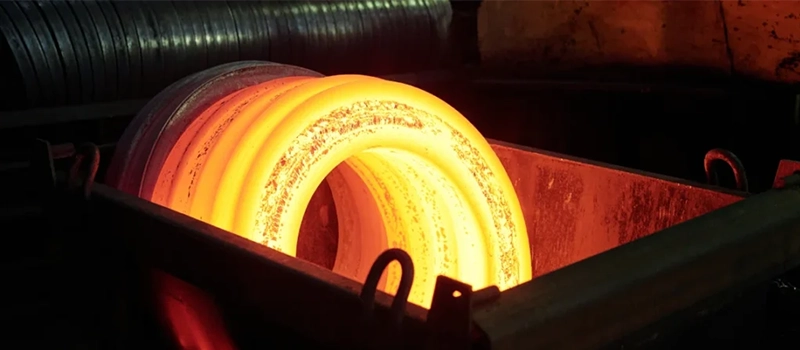
Why Temperature Matters in Hot Bending
The importance of temperature in hot bending goes beyond simply making the material easier to bend. It influences deformation behavior, internal structure evolution, and the overall stability of the forming process. Proper temperature control ensures that the material can be shaped efficiently while maintaining its essential properties.
In essence, temperature is not just a supporting factor in hot bending—it is the central variable that defines how the process operates and determines its success.
Hot Bending Materials
Material selection plays a decisive role in the performance and feasibility of hot bending. Different metals respond differently to elevated temperatures, and their behavior during heating and deformation directly affects the quality, stability, and efficiency of the bending process. Understanding how various materials perform under hot bending conditions is essential for selecting the appropriate forming strategy.
Steel in Hot Bending
Steel is one of the most widely used materials in hot bending, particularly in applications involving structural components and heavy sections. When heated, steel experiences a significant reduction in yield strength, allowing it to be bent more easily compared to room-temperature conditions.
Hot bending is especially advantageous for thick or high-strength steels that would otherwise require excessive force in cold forming. As temperature increases, the material becomes more ductile, enabling large deformation without cracking. This makes hot bending suitable for components requiring tight radii or complex geometries.
However, temperature control is critical when working with steel. Excessive heat can lead to surface oxidation or grain growth, which may affect mechanical properties. Maintaining a controlled thermal environment ensures that the material retains its structural integrity after bending.
Stainless Steel in Hot Bending
Stainless steel presents unique considerations in hot bending due to its alloy composition and sensitivity to temperature. While heating improves its formability, improper temperature control can negatively impact corrosion resistance and surface finish.
During hot bending, stainless steel must be processed within a controlled temperature range to prevent surface scaling and maintain its protective properties. Compared to carbon steel, it may require more precise handling to achieve consistent results.
Despite these challenges, hot bending remains an effective method for shaping stainless steel when large deformation or thick sections are involved. The key lies in balancing temperature and deformation to preserve both formability and material performance.
Aluminum in Hot Bending
Aluminum is naturally more ductile than many other metals, but hot bending can still be beneficial when dealing with thicker sections or complex shapes. Heating aluminum reduces its resistance to deformation even further, allowing for smoother bending with minimal force.
One important consideration when hot bending aluminum is its relatively low melting temperature compared to steel. This requires tighter temperature control to avoid overheating, which can lead to surface damage or loss of structural stability.
Additionally, aluminum alloys vary widely in their response to heat. Some alloys are highly formable and respond well to hot bending, while others may have limitations depending on their composition. Selecting the appropriate alloy is therefore essential for achieving reliable results.
Titanium in Hot Bending
Titanium is known for its high strength and relatively low ductility at room temperature, making hot bending an important method for shaping this material. Heating titanium significantly improves its formability, allowing it to undergo deformation that would be difficult or impossible under cold conditions.
However, titanium requires precise temperature control and careful handling during hot bending. Its reactivity at high temperatures means that exposure to certain environments can affect surface quality. Maintaining a controlled process environment is essential to prevent contamination or degradation.
Despite these challenges, hot bending enables the production of complex titanium components while preserving its high-performance characteristics.
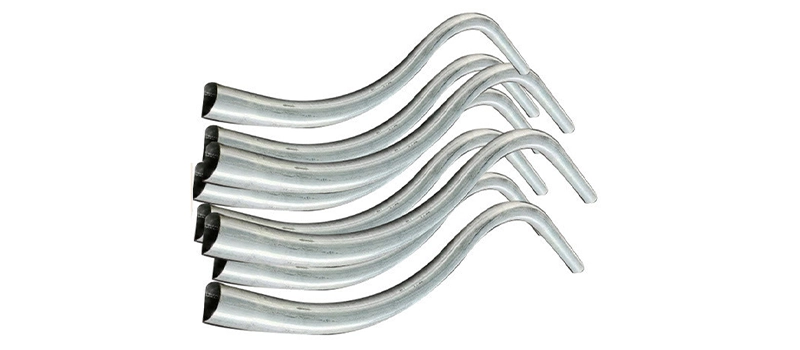
Key Material Factors in Hot Bending
Across all materials, several fundamental properties influence the effectiveness of hot bending. These include thermal conductivity, ductility at elevated temperatures, and resistance to deformation. Materials with good high-temperature ductility are generally more suitable for hot bending, as they can undergo significant shape changes without failure.
Another important factor is how the material responds during cooling. Since hot bending involves heating followed by cooling, the final properties depend not only on deformation but also on how the material stabilizes afterward. Consistent process control ensures that the desired balance between formability and performance is achieved.
Understanding these material characteristics allows manufacturers to select the right metal and optimize the hot bending process for both quality and efficiency.
Hot Bend Pipe and Industrial Applications
In industrial manufacturing, heated forming techniques are widely used to shape pipes and structural components that require large deformation or precise curvature. This approach is especially important in applications where conventional cold forming methods cannot meet design or performance requirements.
Hot Bend Pipe in Pipeline Systems
Hot-formed pipes are commonly used in pipeline systems that require smooth directional changes over long distances. Instead of relying on welded joints or prefabricated fittings, pipes can be shaped directly to match the required alignment. This reduces the number of connection points, improving overall structural continuity.
In fluid and gas transport systems, fewer joints mean lower risks of leakage and reduced maintenance over time. A continuous curved pipe also improves flow efficiency by minimizing turbulence and pressure loss, which are often associated with sharp directional changes.
This method is particularly useful when working with thick-walled pipes or high-strength materials that are difficult to shape at room temperature.
Hot Induction Pipe Bending
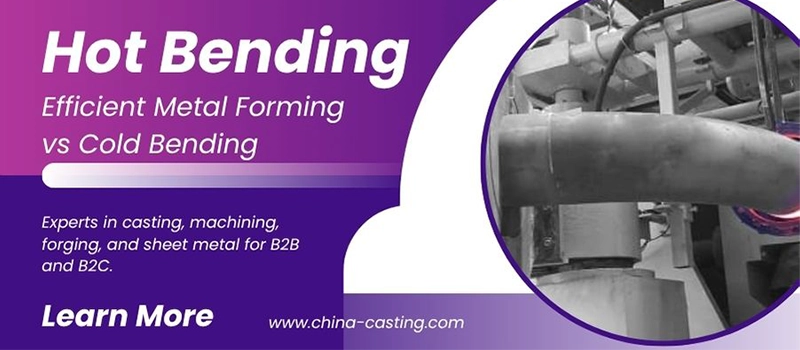
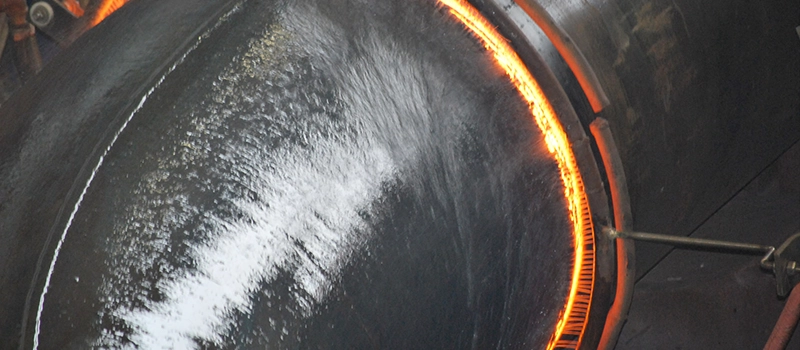
One of the most advanced techniques in this field is hot induction pipe bending. This process uses localized heating to soften a specific section of the pipe while mechanical force is applied to create the bend. Because only a small area is heated at any given time, the rest of the pipe retains its original properties.
This localized approach offers several advantages. It allows for precise control of bending radius and angle while maintaining wall thickness and cross-sectional integrity. It also reduces the risk of distortion compared to methods that involve uniform heating of the entire component.
Hot induction bending is widely used in industries such as oil and gas, power generation, and heavy infrastructure, where high reliability and accuracy are required.
Applications in Heavy Industry
Heated bending methods are essential in industries that deal with large-scale components and demanding operating conditions. In construction, they are used to form structural elements that must withstand significant loads. In energy and petrochemical systems, they enable the production of pipelines capable of handling high pressure and temperature variations.
These applications often involve materials and dimensions that exceed the capabilities of cold forming. By using elevated temperature techniques, manufacturers can achieve the required shapes without compromising structural performance.
Advantages in Complex Geometry Forming
Another important advantage of this forming method is its ability to produce complex geometries. Components with large bending angles, tight radii, or irregular shapes can be formed more easily when the material is in a softened state.
This flexibility allows engineers to optimize designs without being limited by manufacturing constraints. It also reduces the need for additional fabrication steps, such as cutting and welding, which can introduce weaknesses into the structure.
Process Considerations in Industrial Use
When applying this method in industrial environments, several factors must be carefully controlled. These include heating consistency, deformation speed, and alignment during bending. Improper control can lead to defects such as uneven curvature or surface degradation.
In addition, maintaining dimensional accuracy is critical, especially for components that must integrate with other systems. Precision in forming ensures that installation and operation proceed without complications.
Hot Bending vs Cold Bending
Choosing between hot and cold forming methods depends on multiple technical and economic factors. Each method has distinct advantages and limitations, and understanding these differences is essential for selecting the most suitable approach in manufacturing.
Key Differences Between Hot Bending and Cold Bending
| Aspect | Hot Bending | Cold Bending |
|---|---|---|
| Temperature | Requires elevated temperature | Performed at room temperature |
| Material Behavior | Softened, easier to deform | Higher resistance to deformation |
| Force Requirement | Lower force needed | Higher force required |
| Deformation Capability | Suitable for large and complex shapes | Limited by material ductility |
| Dimensional Accuracy | Moderate, affected by heat | High precision and tight tolerances |
| Surface Condition | May have oxidation or scaling | Clean surface, minimal change |
| Internal Structure | Grain structure can reorganize | Work hardening may occur |
| Springback | Minimal | More significant |
| Energy Consumption | Higher due to heating | Lower energy usage |
| Suitable Applications | Thick materials, large components | Precision parts, thinner sections |
Difference Between Hot and Cold Bending in Practice
In practical applications, the choice between these two methods depends on the specific requirements of the component. Heated forming is generally selected when materials are thick, strong, or require substantial deformation that cannot be achieved at room temperature. It enables smoother shaping under reduced force, making it ideal for heavy-duty industrial components.
In contrast, room-temperature forming is often preferred when precision and surface quality are critical. It provides better control over dimensions and avoids the complexities associated with heating and cooling.
Another key difference lies in process stability. Heated forming requires careful temperature management to maintain consistency, while cold forming relies more on mechanical control and parameter accuracy. Each approach introduces different challenges that must be managed during production.
Selection Considerations
When deciding which method to use, engineers must evaluate factors such as material properties, thickness, required bending radius, and final application conditions. Components that demand high structural strength and large deformation typically benefit from heated forming techniques. On the other hand, applications requiring tight tolerances and clean surfaces are better suited to cold forming.
Cost is also an important consideration. While heating introduces additional energy and equipment requirements, it may reduce mechanical complexity and processing difficulty for certain materials. The optimal choice is therefore a balance between manufacturability, performance, and overall production efficiency.
Conclusion
Hot bending enables efficient shaping of thick and complex metal components by using elevated temperatures. With proper control of process, temperature, and material behavior, it provides a reliable solution for demanding industrial applications.