Iron is one of the few materials that fundamentally reshaped human civilization.
From early iron smelting to modern steel industries, the history of iron is inseparable from warfare, agriculture, industry, and technological progress.
In this article, I examine the history of iron through key historical stages, production methods, and its lasting impact on human society.
The Discovery of Iron: An Overview
Early Human Encounters with Iron
In the history of iron, the discovery of iron was not a deliberate scientific achievement, but the result of direct human contact with naturally occurring iron-bearing materials. Long before iron was intentionally produced, early humans encountered iron in its natural forms and recognized that it differed from stone, copper, or bronze. This initial recognition marks the true beginning of the history of element iron.
Iron rarely appears in pure metallic form on Earth’s surface. Instead, it is commonly found combined with oxygen and other elements. Because of this, early humans did not “find” iron in the same way they found gold or native copper. What they discovered first was not iron as a metal, but iron as a substance with unusual physical characteristics—greater hardness, higher weight, and distinctive behavior when struck or heated.
Meteoritic Iron as the First Known Source
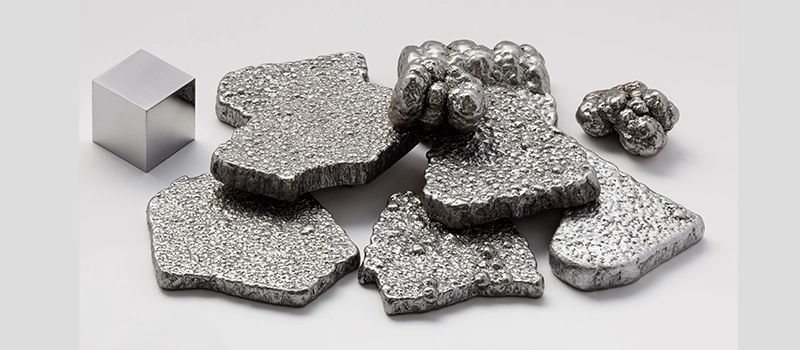
Scientific evidence shows that the earliest confirmed iron objects were made from meteoritic iron. This form of iron originates outside the Earth and arrives as meteorites containing naturally metallic iron alloys. In the iron history of discovery, meteoritic iron represents the first moment when humans encountered iron in a usable metallic state.
Meteoritic iron could be shaped without smelting, using simple mechanical methods. Its rarity and unusual origin gave it symbolic value, but more importantly, it demonstrated that iron could exist as a workable metal. From a historical perspective, this was not yet iron technology, but iron recognition. Humans had identified iron as a distinct material with properties unlike those of previously known substances.
Recognition Before Understanding
At this early stage of the history of iron, there was no theoretical understanding of iron’s composition or origin. Discovery occurred through sensory experience rather than scientific explanation. People observed differences in hardness, durability, and resistance to damage. These observations were sufficient to classify iron as something new and significant.
This distinction is important. The discovery of iron did not depend on metallurgy, mining, or controlled production. It depended on perception and comparison. Humans recognized iron before they understood it, and long before they learned how to extract it from ore. That sequence—recognition first, explanation later—defines the discovery phase of iron in human history.
Defining the Discovery Stage
From an objective and scientific standpoint, the discovery of iron can be defined as the moment when humans identified iron as a unique material present in the natural world. This stage ends before intentional extraction or systematic use begins. In the broader history of iron, discovery is therefore a narrow but foundational phase.
Iron was known, distinguished, and valued before it was produced. This simple fact explains why iron could later become central to technological development. The discovery of iron established awareness, not mastery, and that awareness formed the starting point for all later developments associated with iron.
The Role of Iron in Ancient Civilizations
Iron as a Recognized Material in Early Societies
In the history of iron, the role of iron in ancient civilizations began after iron was already recognized as a distinct material. This phase was not about discovery, but about meaning and use. Once iron was known, ancient societies started to assign it functional, economic, and cultural value. At this stage in the history of iron, iron did not replace existing materials immediately. Instead, it entered human societies gradually, often alongside stone, copper, and bronze.
What is important to understand is that early civilizations did not adopt iron because they understood metallurgy. They adopted iron because it performed differently. In the history of iron, this practical evaluation came before systematic production. Iron objects appeared first in limited contexts, often associated with status, ritual, or specialized use. This selective adoption shaped how iron was perceived and integrated into early social structures.
Iron and Social Organization
Across ancient civilizations, the history of iron shows a clear link between material use and social hierarchy. Early iron objects were rare and difficult to obtain, which meant they were often controlled by elites. In many regions, iron tools or weapons became symbols of authority rather than everyday items. This pattern reflects a broader principle in the history of iron: materials influence power structures when access is limited.
As iron use expanded, it began to influence labor organization. Communities that could obtain and work iron gained practical advantages. Even before large-scale production, the presence of iron tools affected construction, land preparation, and craftsmanship. In this way, the history of iron intersects with the development of early economic systems and division of labor.
Iron in Daily Life and Material Culture
In the context of ancient civilizations, iron gradually moved from symbolic use to functional application. The history of iron records iron being used for simple tools, fasteners, and household objects once basic working knowledge spread. These early applications did not require advanced technology, but they demonstrated iron’s reliability and durability in daily life.
Material culture provides strong evidence for this transition. Iron artifacts from ancient settlements show wear patterns consistent with repeated use. This indicates that iron was no longer experimental. It had become a trusted material. In the history of iron, this moment is critical, because it marks the shift from curiosity to utility. Iron began to support everyday activities rather than exceptional ones.
Regional Differences in Iron Adoption
The history of iron in ancient civilizations is not uniform. Different regions adopted iron at different times and for different reasons. Geographic access to iron ore, fuel availability, and existing material traditions all influenced adoption rates. Some civilizations integrated iron slowly, while others embraced it more rapidly once its advantages became clear.
These regional differences matter because they show that iron did not spread simply because it existed. The history of iron is shaped by human decision-making. Cultural priorities, environmental conditions, and social needs determined how iron was used and valued. This explains why iron objects appear in diverse forms and contexts across ancient civilizations.
Iron and Cultural Significance
Beyond practical use, iron acquired cultural meaning in many ancient societies. In the history of iron, iron was often associated with strength, permanence, or protection. These associations were not abstract. They were grounded in direct experience with the material’s physical properties. Iron resisted damage and lasted longer than many alternatives, reinforcing its symbolic value.
This cultural dimension reinforced iron’s role in ancient civilizations. Once iron became associated with reliability and power, its use expanded further. The history of iron shows that material perception can be as influential as material performance. Iron’s reputation helped secure its place in early societies.
Defining Iron’s Role in Ancient Civilizations
From a historical and analytical perspective, the role of iron in ancient civilizations can be defined as transitional rather than dominant. The history of iron at this stage is characterized by coexistence. Iron did not immediately replace other materials, but it steadily reshaped how societies approached tools, labor, and authority.
Iron’s importance lay not in volume, but in potential. Ancient civilizations recognized that iron offered capabilities beyond existing materials. This recognition, documented throughout the history of iron, set the conditions for broader adoption in later periods. At this stage, iron was no longer merely discovered. It had become socially and materially significant within human civilization.
Iron Production Techniques Through the Ages
From Accidental Reduction to Intentional Processing
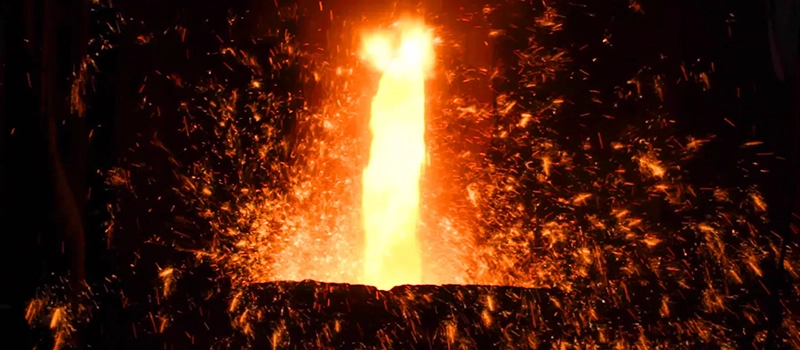
In the history of iron, iron production did not begin as a controlled or well-understood process. The earliest production techniques emerged unintentionally, when iron-bearing materials were exposed to heat in environments originally intended for other purposes. These early experiences marked a critical transition in the history of iron production—from recognizing iron as a material to attempting to obtain it deliberately.
At this stage in the history of iron, people had no knowledge of chemical reduction or metallurgical theory. What they observed was purely empirical. Certain stones, when exposed to sustained heat and charcoal, produced a dense, metallic substance unlike slag or ash. This observation initiated the earliest form of iron smelting, even though it was inefficient, inconsistent, and poorly controlled. The key development here was not quality, but repeatability.
Early Iron Smelting Methods
The history of iron smelting is defined by solid-state processes rather than melting. Iron has a high melting point, far beyond what early furnaces could achieve. As a result, early smelting produced solid masses of iron mixed with slag. These masses required mechanical working to consolidate the metal and remove impurities.
From a technical perspective, this stage represents the earliest systematic iron production. The history of iron production shows that iron was obtained through reduction rather than fusion. Oxygen was removed from iron-bearing minerals using carbon-based fuels, typically charcoal. Although inefficient, this method proved that iron could be extracted from ore, not just collected from rare natural sources.
Bloomery Furnaces and Early Control
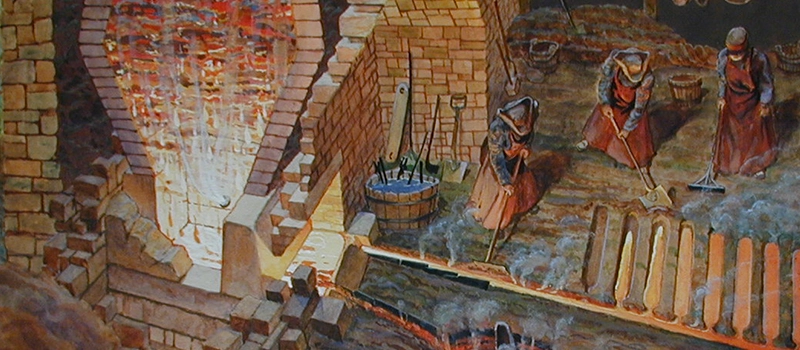
As techniques improved, bloomery furnaces became the dominant method of iron production in early societies. In the history of iron, the bloomery represents the first recognizable iron-making system. These furnaces allowed for better temperature control and more consistent reduction of iron ore.
Even so, production remained labor-intensive. The resulting iron blooms varied widely in composition and quality. This variability is a defining feature of the early history of iron metal. Each batch of iron reflected local ore composition, fuel quality, and operator experience. Despite these limitations, bloomery iron production marked a major advancement in the history of iron working, because it enabled communities to produce iron locally and repeatedly.
Refinement Through Working Rather Than Casting
Unlike later iron and steel processes, early iron production relied heavily on post-smelting mechanical refinement. In the history of iron, forging preceded casting by many centuries. The iron produced was worked while solid, hammered to improve density and remove remaining slag.
This reliance on mechanical refinement shaped early ironworking traditions. Knowledge was transmitted through practice rather than documentation. The history of iron working shows that skill development was incremental, based on repeated observation and correction. Over time, this led to improved consistency, even without theoretical understanding of material structure.
Limitations of Early Iron Production
It is important to recognize the constraints of early iron production in the history of iron. Output volumes were low, quality was unpredictable, and production required significant labor. These limitations explain why iron did not immediately replace bronze or other materials, even after smelting techniques were established.
The history of iron production at this stage is best described as experimental and adaptive. Each improvement was local and incremental. However, the fundamental principle had been established: iron could be extracted from ore using heat and carbon. This principle would remain unchanged, even as technologies evolved.
Defining This Stage in the History of Iron
From a historical and technical standpoint, this phase represents the foundational stage of iron production. The history of iron during this period is characterized by gradual improvement rather than dramatic transformation. Techniques became more reliable, knowledge more refined, and iron more accessible.
This stage does not represent industrialization or large-scale output. Instead, it represents the moment when iron production became intentional, repeatable, and embedded in human practice. In the broader history of iron, these early techniques established the technical baseline upon which all later iron and steel production would be built.
The Iron Age: A Turning Point in Human History
Defining the Iron Age in the History of Iron
In the history of iron, the Iron Age represents a clearly defined historical threshold rather than a sudden global event. It marks the period when iron moved from limited and specialized use into widespread adoption across multiple regions. From a scientific and historical perspective, the Iron Age is identified not by the first appearance of iron objects, but by the point at which iron became the dominant material for tools, weapons, and infrastructure. This distinction is essential for understanding the history of the iron age accurately.
The Iron Age did not begin at the same time everywhere. In the broader history of iron, different societies entered the Iron Age based on their access to iron ore, fuel resources, and accumulated technical knowledge. What unifies these regions is not chronology, but material transition. Iron replaced bronze as the primary working metal, reshaping production systems and resource strategies.
Why the Iron Age Marked a Historical Break
The history of iron shows that iron fundamentally altered the relationship between humans and materials. Bronze production depended on copper and tin, two resources that are unevenly distributed. Iron ore, by contrast, is widely available. Once iron production methods became reliable, societies were no longer constrained by limited material supply. This shift is one of the defining characteristics of the history of the iron age.
From a structural standpoint, iron enabled greater scalability. Iron tools could be produced locally, repaired more easily, and adapted to diverse tasks. This scalability explains why the Iron Age is considered a turning point in the history of iron and steel, even though steel itself would emerge much later. Iron introduced a new model of material independence and technical self-sufficiency.
Material Advantages That Defined the Iron Age
In the history of iron, the Iron Age is closely associated with iron’s mechanical advantages rather than aesthetic qualities. Iron offered higher strength, better impact resistance, and longer service life than most earlier materials. These properties were immediately apparent in practical use, even without scientific explanation.
The ability to reshape and rework iron also played a crucial role. Unlike cast materials, iron could be repeatedly heated and forged, allowing continuous refinement. This adaptability reinforced iron’s dominance during the Iron Age and explains why ironworking skills became strategically important. Within the history of iron, this period marks the transition from experimental material use to standardized material dependence.
The Iron Age and Social Transformation
The history of iron during the Iron Age cannot be separated from social change. As iron became more accessible, it reduced the material gap between elites and common populations. Tools and weapons that were once rare became more widely available. This redistribution of material capability altered social hierarchies and labor structures.
Iron tools increased productivity in construction, land preparation, and craftwork. While the Iron Age is often discussed in cultural terms, its deeper significance in the history of iron lies in how material availability reshaped economic organization. Societies that mastered ironworking gained measurable advantages in stability and expansion.
Regional Patterns Within the Iron Age
A critical aspect of the history of the iron age is its regional diversity. Some societies adopted iron rapidly, while others continued to rely on bronze alongside iron for extended periods. These differences reflect environmental conditions, existing material traditions, and cultural preferences rather than technological capability alone.
This variability reinforces an important point in the history of iron: technological adoption is never purely technical. Iron’s spread depended on human choice, institutional structures, and resource management. Understanding these regional patterns helps avoid oversimplified narratives about the Iron Age as a uniform global phenomenon.
The Iron Age as a Foundation, Not an Endpoint
From a long-term perspective, the Iron Age should be understood as a foundation within the history of iron, not a conclusion. It established iron as the primary structural material of human societies, setting a precedent that would persist through later historical periods. The systems, skills, and assumptions developed during the Iron Age shaped how iron would be used, refined, and valued in subsequent eras.
In objective terms, the Iron Age represents the moment when iron ceased to be an alternative material and became the standard. This shift defines its significance in the history of iron and explains why the Iron Age remains one of the most important turning points in material and technological history.
The Impact of Iron on Warfare and Weaponry
Iron as a Material Shift in Military History
In the history of iron, warfare represents one of the earliest domains in which iron’s advantages became unmistakably clear. The adoption of iron in weapons was not driven by aesthetics or symbolism, but by performance under stress. When iron began to replace bronze and stone in military contexts, it changed how weapons were made, maintained, and used. This shift marks a critical chapter in the history of iron because warfare demanded reliability, durability, and repeatability—qualities that iron increasingly provided.
From a material perspective, iron weapons did not initially outperform bronze in every measurable way. Early iron could be inconsistent in quality. However, the history of iron shows that iron’s capacity for repair, reshaping, and local production gave it a decisive long-term advantage. Weapons could be reforged rather than discarded, extending their service life and reducing dependence on scarce resources.
Weapon Production and Material Availability
One of the most significant contributions of iron to warfare in the history of iron was material availability. Bronze weapons depended on copper and tin, both of which were geographically limited. Iron ore, by contrast, was widely distributed. This difference had direct military consequences. Societies with access to iron ore and basic ironworking skills could equip larger forces without relying on long-distance trade.
The history of iron demonstrates that this shift altered the scale of warfare. Armies could be expanded more easily, and weapons could be produced closer to the point of use. This decentralization of weapon production reduced logistical vulnerability and increased military resilience. Iron did not merely improve weapons; it changed the economic foundations of armed conflict.
Performance Characteristics of Iron Weapons
In the history of iron, the effectiveness of iron weapons is closely tied to their mechanical behavior. Iron offered greater toughness and resistance to sudden fracture compared to many bronze alloys. While early iron weapons were not always harder, they were often more forgiving under impact. This property mattered in close combat, where blades and tools experienced repeated stress.
Another defining feature in the history of iron is adaptability. Iron weapons could be hardened or softened through controlled heating and cooling, even before the underlying principles were understood. This practical flexibility allowed weapon makers to adjust designs based on experience. Over time, these incremental improvements reinforced iron’s military value.
Standardization and Military Organization
The history of iron also shows a strong connection between iron weapons and the standardization of military equipment. Ironworking techniques, once established, enabled more uniform production. This consistency supported organized military units rather than small, elite warrior groups. Standardized iron weapons simplified training, maintenance, and supply.
As a result, iron contributed to changes in military structure. Larger, more disciplined forces became possible when weapons could be produced and maintained at scale. In the history of iron, this shift is significant because it links material technology directly to institutional development within warfare.
Psychological and Strategic Effects
Beyond physical performance, iron weapons carried psychological weight. In the history of iron, iron came to be associated with strength, permanence, and authority. These associations were grounded in experience. Iron weapons lasted longer, resisted damage, and could be reused. This reliability influenced how soldiers and societies perceived military power.
Strategically, iron reduced uncertainty. Commanders could plan campaigns with greater confidence in equipment durability and supply continuity. The history of iron thus shows that iron’s impact on warfare extended beyond the battlefield into planning, logistics, and long-term strategy.
Defining Iron’s Role in Warfare
From an analytical standpoint, iron’s role in warfare can be defined as enabling scale, resilience, and continuity. The history of iron in military contexts is not simply about stronger weapons. It is about a material that supported sustained conflict and organized defense.
Iron did not instantly revolutionize warfare, but it steadily reshaped it. As iron weapons became more common, they reinforced iron’s broader significance within human history. In this way, warfare became one of the most visible arenas in which the history of iron demonstrated its transformative potential.
Iron in Agriculture: Tools that Changed Farming
Iron Tools and the Transformation of Agricultural Practice
In the history of iron, agriculture represents one of the most direct and measurable areas of impact. Unlike warfare, where iron’s influence is often discussed in terms of power and conflict, agriculture reveals how iron reshaped everyday economic life. The introduction of iron tools fundamentally altered how land was cultivated, how labor was organized, and how food production scaled across societies. This shift occupies a central position in the history of iron working.
Before iron became common, agricultural tools were typically made from stone, wood, or bronze. These materials imposed clear limitations. Stone tools wore down quickly, and bronze tools depended on scarce alloying elements. The history of iron shows that iron tools offered a new balance of strength, durability, and repairability, making them particularly well suited for repetitive, heavy agricultural work.
Plows, Blades, and Soil Interaction
One of the most significant developments in the history of iron was the use of iron in plow components. Iron-tipped plows penetrated soil more effectively than earlier designs, especially in heavier or clay-rich soils. This capability expanded the range of arable land and improved cultivation efficiency.
From a technical perspective, iron’s resistance to deformation allowed tools to maintain functional shape over extended use. The history of irons—understood here as functional iron tools—shows that farmers could rely on iron blades, hoes, and sickles for longer cycles of work with fewer replacements. This reliability reduced downtime and supported more predictable agricultural output.
Durability, Maintenance, and Tool Lifespan
In the history of iron, agricultural adoption was driven not only by performance, but by maintenance economics. Iron tools could be repaired, reforged, and reshaped. A damaged iron blade was not discarded; it was restored. This characteristic distinguished iron from many earlier materials and made it especially valuable in agrarian societies.
The history of iron working demonstrates that local repair capability mattered as much as initial production. Blacksmiths and toolmakers became integral to agricultural communities, providing ongoing support rather than one-time manufacturing. This relationship between iron tools and skilled labor reinforced iron’s position within rural economies.
Productivity and Labor Efficiency
The widespread use of iron tools increased agricultural productivity in measurable ways. In the history of iron, this increase did not come from mechanization, but from improved efficiency at the tool level. Iron-enabled tools reduced the physical effort required for tasks such as tilling, harvesting, and land clearing.
Higher efficiency translated into surplus. With iron tools, fewer workers could cultivate larger areas of land. This surplus had long-term implications for population growth and settlement stability, but within this section of the history of iron, the key point is functional: iron tools amplified human labor without changing its fundamental nature.
Regional Adoption and Environmental Factors
As with other stages in the history of iron, agricultural adoption varied by region. Soil conditions, crop types, and existing farming practices influenced how quickly iron tools were adopted. In regions with dense or difficult soils, the advantages of iron became evident more quickly. In lighter soils, traditional tools persisted longer.
This variation highlights an important principle in the history of iron: material superiority does not guarantee immediate adoption. Iron tools were adopted when their advantages aligned with environmental and economic needs. Agriculture provides clear evidence of this selective integration.
Iron Agriculture Tools in the Broader History of Iron
From an analytical standpoint, iron’s role in agriculture can be defined as stabilizing rather than disruptive. The history of iron in farming is not about sudden transformation, but about sustained improvement. Iron tools did not change what farmers did; they changed how effectively they could do it.
By improving durability, repairability, and soil interaction, iron became embedded in agricultural practice. This integration reinforced iron’s value beyond elite or specialized contexts. In the history of iron, agriculture marks the moment when iron became indispensable to everyday economic survival, rather than exceptional or symbolic.
The Industrial Revolution and Iron’s Transformation
Iron at the Center of Industrial Change
In the history of iron, the Industrial Revolution represents a structural transformation rather than a simple increase in output. Iron moved from decentralized, craft-based production into organized, large-scale industrial systems. This transition marks a decisive phase in the history of iron and steel, where iron became the backbone of mechanized industry, infrastructure, and economic expansion.
Before this period, iron production was limited by furnace size, fuel efficiency, and manual labor. The history of iron production shows that output volumes were constrained, and quality varied widely. The Industrial Revolution changed this by introducing systematic control over heat, fuel, and process design. Iron was no longer shaped primarily by individual skill, but by industrial systems.
Technological Foundations of Industrial Iron Production
A defining feature of the history of iron and steel industry during the Industrial Revolution was technological integration. Innovations in furnace design, fuel use, and mechanical power transformed how iron was produced. Charcoal was gradually replaced by coke, enabling higher temperatures and larger furnaces. This shift reduced dependence on forest resources and supported continuous operation.
From a technical standpoint, these changes allowed iron production to scale in ways previously impossible. The history of iron smelting during this era shows a move toward predictable output and repeatable quality. Iron was no longer an uncertain material. It became standardized, measurable, and suitable for complex industrial applications.
Iron, Machinery, and Industrial Infrastructure
In the history of iron, the Industrial Revolution is inseparable from the rise of machinery. Iron was used extensively in frames, shafts, gears, and structural components. These applications demanded consistency and strength, pushing producers to refine processes further. The relationship between iron and machinery was reciprocal: improved iron enabled better machines, and better machines enabled improved iron production.
Infrastructure development further reinforced iron’s central role. Bridges, rail systems, factories, and tools relied heavily on iron. The history of iron metal during this period reflects a shift in perception. Iron was no longer just a material; it was an industrial necessity. Entire production systems were designed around its properties.
The Emergence of Steel Within the History of Iron
Although this section focuses on iron, the Industrial Revolution also marks the early integration of steel into the history of iron and steel. Improved control over carbon content allowed producers to move between iron and steel with greater precision. This blurred the boundary between the two materials.
From a historical perspective, this does not diminish iron’s importance. Instead, it expands the history of iron to include its transformation into more refined forms. Iron became the base material from which steel technologies evolved. This continuity explains why iron remains central even in discussions focused on steel.
Economic and Organizational Impact
The history of iron during the Industrial Revolution also reflects changes in economic organization. Iron production became capital-intensive, requiring significant investment in furnaces, machinery, and transport systems. This shifted ironmaking from small workshops to large industrial enterprises.
Labor organization changed accordingly. Specialized roles replaced generalized craftsmanship. The history of iron and steel industry during this period shows a move toward division of labor, standardized training, and institutional knowledge. Iron production became a system rather than an art.
Defining Iron’s Transformation During the Industrial Revolution
From an analytical standpoint, the Industrial Revolution transformed iron from a widely used material into a foundational industrial platform. The history of iron at this stage is characterized by scale, consistency, and integration. Iron supported mechanization, enabled infrastructure, and shaped industrial economies.
This transformation did not end iron’s development. Instead, it established the conditions under which modern iron and steel systems could emerge. Within the history of iron, the Industrial Revolution stands as the moment when iron fully transitioned from a traditional material to an industrial cornerstone.
Modern Uses of Iron in Industry and Construction
Iron as a Core Industrial Material
In the modern phase of the history of iron, iron remains one of the most widely used and strategically important materials in global industry. Despite the development of advanced alloys and alternative materials, iron continues to serve as the structural and functional foundation of industrial systems. This persistence highlights a key reality in the history of iron and steel: technological progress has not replaced iron, but has refined and optimized its use.
Modern industry relies on iron not because it is simple, but because it is adaptable. Iron can be processed into multiple forms, combined with other elements, and engineered to meet specific mechanical and environmental requirements. In the history of iron metal, this adaptability explains why iron continues to dominate industrial material consumption.
Structural Iron in Construction and Infrastructure
Construction is one of the most visible domains in the modern history of iron. Iron-based materials are used extensively in buildings, bridges, transportation networks, and industrial facilities. Structural components depend on iron’s strength, load-bearing capacity, and predictable behavior under stress.
From a historical perspective, modern construction represents a continuation of trends established during industrialization. However, the history of iron in this context reflects improved standards rather than new principles. Advances in quality control, design codes, and material testing have transformed iron from a variable material into a highly regulated one. This standardization has allowed iron to support increasingly complex and large-scale structures.
Iron in Manufacturing and Machinery
Manufacturing systems depend heavily on iron-based components. In the modern history of iron, iron is essential for machine frames, tools, engines, and production equipment. These applications demand dimensional stability, wear resistance, and mechanical reliability—characteristics that iron consistently provides.
The history of iron and steel industry shows that iron remains central even as production becomes more automated. Precision machining, controlled heat treatment, and advanced forming techniques have expanded iron’s functional range. Rather than diminishing iron’s role, technological sophistication has increased its importance within manufacturing systems.
Specialized Forms of Iron in Modern Use
Modern industry does not rely on iron in a single form. The history of cast iron, for example, continues to evolve in applications such as engine blocks, industrial equipment housings, and architectural elements. Cast iron’s vibration damping and compressive strength make it valuable where rigidity and stability are required.
Similarly, developments documented in the history of ductile iron pipe illustrate iron’s role in modern infrastructure systems. Ductile iron combines strength with flexibility, making it suitable for water, sewage, and industrial fluid transport. These specialized forms demonstrate how the history of iron includes continuous material adaptation rather than material replacement.
Iron, Sustainability, and Resource Efficiency
In the modern history of iron, sustainability has become a defining concern. Iron is highly recyclable, and modern production systems are designed to reuse iron repeatedly without significant loss of performance. This recyclability reinforces iron’s position as a long-term industrial material.
The history of iron ore mining and modern resource management practices show increasing emphasis on efficiency and environmental responsibility. Improved extraction methods, waste reduction, and recycling systems have reshaped how iron resources are used. Iron’s ability to fit within circular material systems strengthens its relevance in contemporary industry.
Iron in Architecture and Design
Beyond purely functional uses, iron continues to play a role in architectural expression. The history of cast iron architecture demonstrates how iron has been used not only for strength, but also for form and design. In modern contexts, iron-based materials support both structural integrity and aesthetic intent.
This dual role reflects iron’s maturity as a material within the history of iron. Iron is no longer experimental or transitional. It is a fully integrated component of modern design thinking, capable of meeting technical, economic, and visual requirements simultaneously.
Defining the Modern Stage in the History of Iron
From an analytical standpoint, the modern stage of the history of iron is defined by optimization rather than discovery. Iron’s fundamental properties are well understood, and its production is highly controlled. What continues to evolve is how efficiently and responsibly iron is used.
Iron remains central to industry and construction not because of tradition, but because it continues to meet modern demands. In the history of iron, this stage demonstrates continuity. Iron has adapted to modern systems without losing its foundational role, confirming its enduring significance in industrial civilization.
Conclusion
The history of iron is not a story of a single invention, but a continuous process of recognition, adaptation, and refinement. From its earliest discovery in nature to its central role in ancient societies, industrial systems, and modern infrastructure, iron has remained a defining material of human development. Its value lies not only in its physical properties, but in its availability, versatility, and capacity to evolve with human needs. Understanding the history of iron is essential to understanding how material choices have shaped civilization itself.