High carbon steel is a widely used engineering material known for its exceptional hardness, strength, and wear resistance. In metallurgy, high carbon steel generally refers to carbon steel containing approximately 0.60% to 1.00% carbon, a composition that significantly increases hardness compared with lower carbon steels. This higher carbon content allows the material to achieve superior strength and excellent edge retention, making it particularly valuable in applications that require durability and cutting performance.
Because of its unique mechanical characteristics, high carbon steel is commonly used to manufacture tools, springs, high-strength wires, and cutting instruments. The material can also undergo various heat treatment processes such as quenching and tempering, which further enhance its hardness and mechanical performance.
This article explores the essential aspects of high carbon steel, including its composition, key properties, advantages, manufacturing processes, common types, and industrial uses. Understanding these characteristics helps engineers and manufacturers select the most suitable materials for demanding mechanical and industrial applications.
Composition and Properties of High Carbon Steel
Understanding the composition and properties of high carbon steel is essential for engineers, manufacturers, and designers who require materials with high hardness and excellent wear resistance. Compared with other carbon steels, high carbon steel contains a significantly higher percentage of carbon, which directly influences its microstructure, mechanical performance, and heat treatment response. These characteristics give the material superior strength and hardness, although they also reduce ductility and weldability.
The unique balance between hardness and brittleness makes high carbon steel particularly suitable for tools, cutting edges, springs, and high-stress mechanical components. To fully understand its performance, it is important to examine the chemical composition, internal microstructure, and mechanical properties that define this material.
Chemical Composition of High Carbon Steel
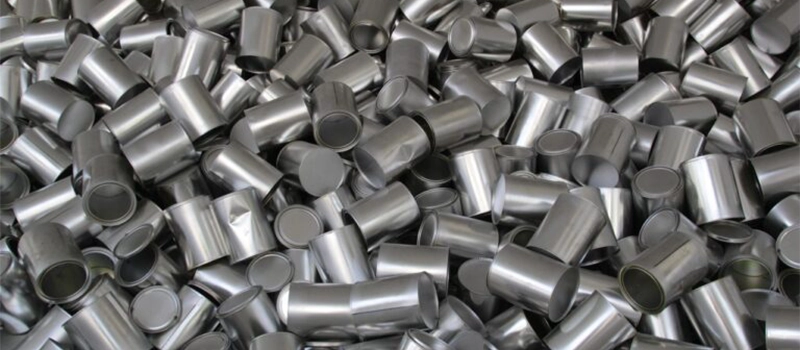
High carbon steel is primarily composed of iron and carbon, with the carbon content typically ranging between 0.60% and 1.00% by weight. This higher carbon percentage is the main factor responsible for the increased hardness and strength of the material.
Carbon Content
Carbon plays the most significant role in determining the mechanical behavior of steel. As the carbon content increases, the steel becomes harder and stronger because carbon atoms strengthen the iron crystal lattice and promote the formation of harder microstructures during heat treatment.
However, increased carbon also reduces ductility and toughness. As a result, high carbon steel is less flexible than low carbon steel and is more susceptible to cracking if not properly processed.
Typical carbon ranges include:
| Steel Category | Carbon Content |
|---|---|
| Low Carbon Steel | 0.05% – 0.25% |
| Medium Carbon Steel | 0.25% – 0.60% |
| High Carbon Steel | 0.60% – 1.00% |
This higher carbon concentration is what enables high carbon steel to achieve exceptional hardness after heat treatment.
Additional Alloying Elements
Although carbon is the primary strengthening element, small amounts of other elements are also present in high carbon steel. These elements influence mechanical properties, machinability, and heat treatment behavior.
Common alloying elements include:
| Element | Typical Role |
|---|---|
| Manganese (Mn) | Improves strength and hardenability |
| Silicon (Si) | Enhances strength and acts as a deoxidizer |
| Phosphorus (P) | Improves machinability but may reduce toughness |
| Sulfur (S) | Improves machinability in controlled amounts |
| Chromium (Cr) | Improves wear resistance and hardenability in alloy steels |
In some specialized grades, additional alloying elements may be added to enhance wear resistance or shock strength.
Microstructure of High Carbon Steel
The internal microstructure of high carbon steel plays a crucial role in determining its hardness and wear resistance. Compared with lower carbon steels, high carbon steel contains a greater proportion of pearlite and cementite, which contribute to increased hardness.
Pearlite Structure
Pearlite is a layered structure consisting of alternating layers of ferrite and cementite. In high carbon steel, the percentage of pearlite increases as carbon content rises. This structure significantly improves strength and hardness compared with ferrite-dominated low carbon steels.
Cementite Formation
Cementite (iron carbide) is a very hard and brittle compound that forms in steels with higher carbon content. The presence of cementite increases hardness and wear resistance but also contributes to reduced ductility.
Martensite After Heat Treatment
When high carbon steel undergoes rapid cooling during quenching, its microstructure can transform into martensite, a very hard crystalline structure. Martensitic transformation greatly increases hardness and strength, which is why high carbon steels are often heat treated for tool applications.
Mechanical Properties of High Carbon Steel
The mechanical properties of high carbon steel reflect its high carbon content and ability to respond to heat treatment. Compared with low carbon steel, the material generally exhibits higher hardness and tensile strength but lower ductility.
Typical property ranges are shown below:
| Property | Typical Value |
|---|---|
| Density | ~7.85 g/cm³ |
| Tensile Strength | 600 – 1200 MPa |
| Yield Strength | 400 – 900 MPa |
| Hardness | Up to 65 HRC (after heat treatment) |
| Elastic Modulus | ~200 GPa |
The hardness of high carbon steel can increase dramatically after quenching and tempering processes. This property makes it highly suitable for manufacturing cutting tools, springs, and wear-resistant components.
Heat Treatment Characteristics
One of the most important characteristics of high carbon steel is its excellent response to heat treatment. Because of the higher carbon content, the material can be hardened significantly through controlled heating and cooling processes.
Annealing
Annealing involves heating the steel to a high temperature and then allowing it to cool slowly. This process softens the material, reduces internal stresses, and improves machinability.
Quenching
Quenching involves heating the steel and then cooling it rapidly in water, oil, or other quenching media. Rapid cooling transforms the microstructure into martensite, significantly increasing hardness.
Tempering
After quenching, the steel may become extremely hard but also brittle. Tempering is performed by reheating the material to a lower temperature and allowing controlled cooling. This process improves toughness while maintaining high hardness.
The ability to undergo these heat treatment processes is one of the reasons why high carbon steel is widely used in tools, springs, and other high-performance components.
Advantages of High Carbon Steel
High carbon steel is widely valued in engineering and manufacturing because of its exceptional mechanical performance. The higher carbon content significantly enhances hardness and strength, allowing the material to perform well in demanding mechanical environments. Although high carbon steel is less ductile and more difficult to weld than low carbon steel, it offers several important advantages that make it indispensable in specific industrial applications.
These advantages are particularly evident in applications requiring wear resistance, cutting performance, and high mechanical strength.
High Hardness
One of the most significant advantages of high carbon steel is its extremely high hardness. As carbon content increases, the hardness of steel also increases because carbon atoms strengthen the crystal structure of iron.
After proper heat treatment processes such as quenching and tempering, high carbon steel can achieve hardness levels exceeding 60 HRC. This level of hardness allows the material to resist deformation and maintain its shape even under heavy mechanical loads.
High hardness is particularly valuable in manufacturing cutting tools, knives, and wear-resistant components.
Excellent Wear Resistance
High carbon steel also provides excellent wear resistance, which means the material can withstand repeated friction and surface contact without excessive material loss.
This property is largely due to the presence of cementite (iron carbide) within the steel’s microstructure. Cementite is extremely hard, which helps protect the surface of the material against abrasion and mechanical wear.
Because of this property, high carbon steel is commonly used for components that experience continuous friction, including:
- Industrial cutting tools
- Machine blades
- Bearing components
- Mechanical springs
Wear resistance significantly extends the service life of these parts, reducing the need for frequent replacement.
Superior Strength
High carbon steel also offers greater tensile strength compared with steels containing lower carbon levels. The higher carbon concentration strengthens the internal crystal structure, enabling the material to withstand greater stress before failure.
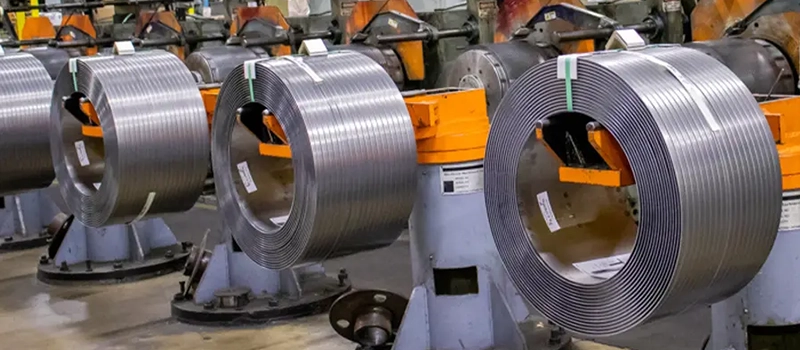
This increased strength makes high carbon steel suitable for applications where components must resist deformation under heavy loads. Springs, high-strength wires, and mechanical tools often rely on this strength to maintain reliable performance during operation.
The ability to maintain strength under stress is particularly important in industries such as machinery manufacturing and mechanical engineering.
Excellent Edge Retention
Another major advantage of high carbon steel is its ability to maintain a sharp cutting edge. This characteristic is especially important for tools and blades.
When high carbon steel is properly heat treated, it forms a very hard microstructure that resists edge wear. As a result, blades made from high carbon steel can retain their sharpness for extended periods.
This is why high carbon steel is frequently used for:
- Industrial cutting tools
- Knives and blades
- Woodworking tools
- Agricultural cutting equipment
The combination of hardness and wear resistance allows cutting edges to remain effective even after prolonged use.
Strong Heat Treatment Response
High carbon steel responds extremely well to heat treatment processes, which allows manufacturers to adjust its mechanical properties for specific applications.
Common heat treatment methods include:
- Annealing
- Quenching
- Tempering
Through these processes, engineers can control the hardness, strength, and toughness of the material. For example, quenching can significantly increase hardness, while tempering can improve toughness and reduce brittleness.
This flexibility allows high carbon steel to be tailored for a wide range of engineering requirements.
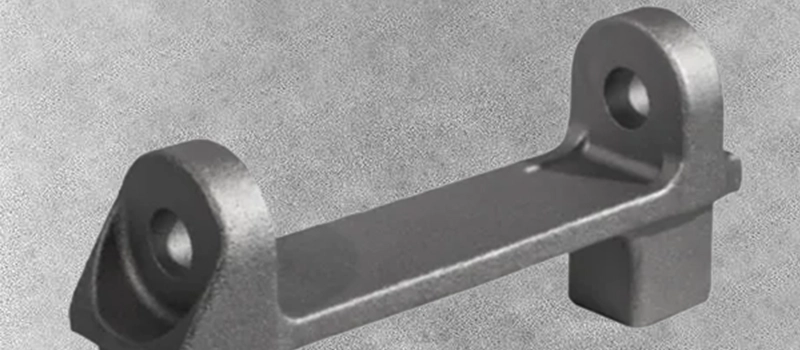
Good Fatigue Resistance
High carbon steel also exhibits good fatigue resistance, which refers to the ability of a material to withstand repeated loading and unloading cycles without failure.
This property is particularly important for components such as springs, which experience constant mechanical stress during operation. High carbon steel springs can maintain their shape and mechanical performance even after many cycles of compression and extension.
Because of this property, high carbon steel is frequently used in mechanical systems that require long-term reliability under repeated stress.
Manufacturing Processes Involving High Carbon Steel
High carbon steel is widely used in manufacturing environments that require materials with exceptional hardness, wear resistance, and mechanical strength. However, because of its higher carbon content, the processing of high carbon steel must be carefully controlled. Compared with low carbon steel, it is generally more difficult to form, machine, and weld due to its reduced ductility and increased brittleness.
Despite these challenges, several manufacturing processes are commonly used to produce high carbon steel components. These processes include forging, machining, heat treatment, and specialized forming techniques that help achieve the required mechanical performance.
Steelmaking and Carbon Control
The manufacturing process of high carbon steel begins with steelmaking, where the carbon content and chemical composition are carefully controlled. The goal is to achieve the desired carbon percentage while minimizing impurities that could negatively affect mechanical performance.
High carbon steel is typically produced through processes such as:
- Basic Oxygen Furnace (BOF) steelmaking
- Electric Arc Furnace (EAF) steelmaking
In these processes, molten iron is refined by removing impurities and adjusting the carbon level. Precise control of carbon content is critical because even small variations can significantly influence hardness, strength, and heat treatment response.
After refining, the steel is cast into billets, blooms, or slabs, which are later processed into different shapes.
Forging and Hot Forming
Forging is one of the most important manufacturing processes used for high carbon steel components. Because the material can become brittle at lower temperatures, forging is usually performed at elevated temperatures where the steel becomes more workable.
During forging, heated steel is compressed and shaped using mechanical presses or hammers. This process improves the internal grain structure and increases the strength of the final component.
Common products produced through high carbon steel forging include:
- Tool blanks
- Mechanical shafts
- High-strength springs
- Cutting tool components
Forging also helps reduce internal defects and improves the overall durability of the material.
Machining and Precision Shaping
After forging or rolling, many high carbon steel components require machining to achieve precise dimensions and surface finishes. Machining processes remove material using cutting tools to create the final shape.
Typical machining operations include:
- Turning
- Milling
- Drilling
- Grinding
Because high carbon steel is harder than low carbon steel, machining can be more challenging. Cutting tools must be capable of handling higher hardness levels, and machining speeds are often reduced to prevent excessive tool wear.
Grinding is commonly used for finishing high carbon steel parts because it provides high dimensional accuracy and smooth surface quality.
Heat Treatment Processes
Heat treatment plays a critical role in the manufacturing of high carbon steel components. The material’s high carbon content allows it to respond effectively to thermal processing, enabling manufacturers to control hardness, strength, and toughness.
Several heat treatment processes are commonly used.
Annealing
Annealing involves heating the steel to a high temperature and then cooling it slowly. This process softens the material and improves machinability, making it easier to shape or machine before final hardening.
Quenching
Quenching involves rapidly cooling heated steel in water, oil, or other quenching media. This rapid cooling transforms the microstructure into martensite, which significantly increases hardness.
Quenching is essential for producing cutting tools and wear-resistant components made from high carbon steel.
Tempering
Tempering is performed after quenching to reduce brittleness. The steel is reheated to a lower temperature and then cooled again, which improves toughness while maintaining high hardness.
This balance between hardness and toughness is essential for many industrial applications.
Wire Drawing and Rolling
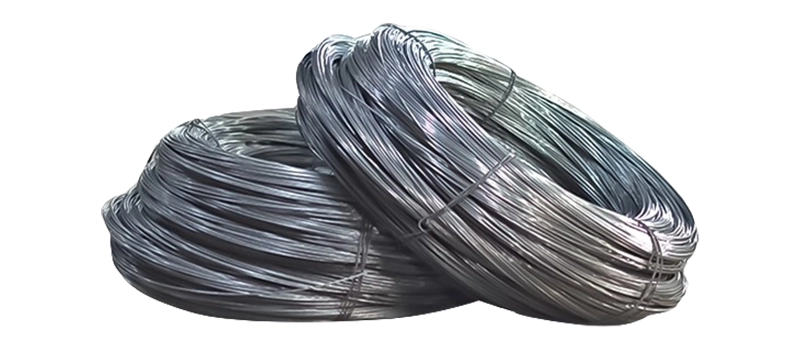
High carbon steel is also widely used to produce high-strength wires and wire rods. These products are manufactured through rolling and wire drawing processes that gradually reduce the diameter of the steel.
High carbon steel wire is commonly used for:
- Industrial springs
- Piano wire
- Steel cables
- Reinforcement wires
The high strength of the material allows the wires to maintain structural integrity even under heavy loads.
Common Types of High Carbon Steel
High carbon steel is available in several standardized grades, each designed to provide specific mechanical properties and performance characteristics. These grades differ primarily in carbon content and alloying elements, which influence hardness, strength, wear resistance, and toughness.
Different types of high carbon steel are selected depending on the requirements of the application. For example, some grades are optimized for cutting tools and blades, while others are designed for springs, bearings, or high-strength wires. Understanding these common grades helps engineers and manufacturers choose the most appropriate material for their projects.
The following table presents several widely used high carbon steel grades and their key characteristics.
Typical High Carbon Steel Grades
| Steel Grade | Carbon Content | Key Characteristics | Typical Applications |
|---|---|---|---|
| 1060 High Carbon Steel | ~0.60% | Good balance of strength and toughness | Springs, mechanical components |
| 1070 High Carbon Steel | ~0.70% | Higher hardness and wear resistance | Agricultural tools, knives |
| 1075 High Carbon Steel | ~0.75% | Good edge retention and durability | Blades, cutting tools |
| 1080 High Carbon Steel | ~0.80% | High hardness and excellent strength | Industrial knives, springs |
| 1095 High Carbon Steel | ~0.95% | Extremely high hardness after heat treatment | Cutting tools, blades |
| 5160 Alloy Steel | ~0.60% + chromium | High toughness and fatigue resistance | Automotive springs, heavy-duty parts |
| 52100 Bearing Steel | ~1.00% + chromium | Excellent wear resistance and strength | Bearings, precision components |
Tool and Blade Steel Grades
Many high carbon steel grades are specifically designed for tool and blade applications. Grades such as 1080 and 1095 are widely used in knife manufacturing because they can achieve very high hardness levels after heat treatment. This allows cutting edges to remain sharp for extended periods.
These steels also respond well to quenching and tempering, enabling manufacturers to control the balance between hardness and toughness. As a result, they are frequently used in tools that require high cutting performance.
Spring Steel Grades
Certain high carbon steel grades are optimized for spring applications. For example, 5160 steel contains additional alloying elements such as chromium that improve toughness and fatigue resistance. These characteristics allow springs to withstand repeated mechanical stress without breaking.
Spring steels are commonly used in automotive suspension systems, industrial machinery, and mechanical devices that require long-term durability.
Bearing and Wear-Resistant Steel Grades
High carbon steels such as 52100 bearing steel are designed for applications requiring exceptional wear resistance and strength. The combination of high carbon content and alloying elements creates a microstructure that can support heavy loads and resist surface wear.
These steels are commonly used in bearings, precision mechanical components, and industrial machinery where long service life and reliable performance are essential.
Applications of High Carbon Steel
High carbon steel is widely used in applications that require high hardness, excellent wear resistance, and strong mechanical performance. Although the material is less ductile than lower carbon steels, its ability to maintain strength and hardness under demanding conditions makes it essential for many industrial and mechanical products.
Because high carbon steel responds well to heat treatment and can achieve very high hardness levels, it is particularly suitable for components that experience heavy loads, repeated friction, or cutting forces.
Cutting Tools and Blades
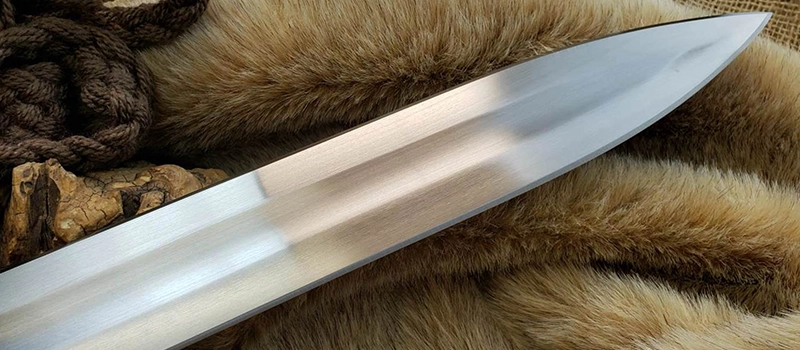
One of the most well-known applications of high carbon steel is in the production of cutting tools and blades. The material’s ability to achieve high hardness after heat treatment allows it to maintain sharp edges for extended periods.
Common cutting tools made from high carbon steel include:
- Industrial knives
- Hand tools such as chisels and files
- Woodworking tools
- Agricultural cutting equipment
High carbon steel blades are widely used because they provide excellent edge retention and can be resharpened easily compared with some other materials.
Springs and Elastic Components
High carbon steel is also widely used in the production of mechanical springs. Springs must withstand repeated cycles of compression and expansion without losing their shape or mechanical strength.
High carbon spring steels provide:
- High tensile strength
- Good fatigue resistance
- Reliable elasticity
These characteristics make the material suitable for springs used in automotive suspension systems, industrial machinery, and mechanical devices.
Bearings and Wear-Resistant Components
Certain grades of high carbon steel, such as bearing steels, are designed to handle high contact stress and continuous friction. These materials are commonly used to manufacture rolling elements and bearing components.
Typical applications include:
- Ball bearings
- Roller bearings
- Precision mechanical parts
- Wear-resistant machine components
The high hardness of the material helps reduce surface wear, which extends the operational life of mechanical systems.
High-Strength Steel Wires
High carbon steel is frequently used to produce high-strength steel wires and wire rods. Through drawing processes, the steel can be formed into thin wires while maintaining excellent tensile strength.
Examples of wire applications include:
- Piano wire
- Steel cables
- Reinforcement wires
- Industrial springs
These products require materials that can withstand high tension without breaking, which makes high carbon steel an ideal choice.
Industrial Tools and Mechanical Components
In addition to blades and springs, high carbon steel is used to manufacture a wide variety of industrial tools and machine parts. The material’s strength and wear resistance allow these components to perform reliably under demanding working conditions.
Typical examples include:
- Punches and dies
- Machine tool components
- Cutting inserts
- Industrial blades
These components often undergo heat treatment to achieve the desired balance between hardness and toughness.
Comparison with Other Types of Steel
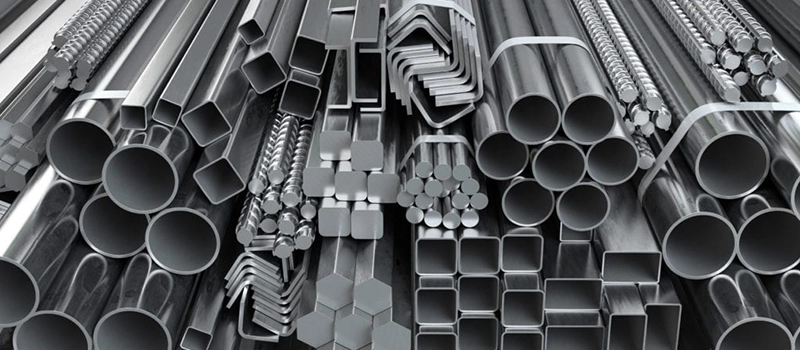
Different types of steel are classified mainly according to their carbon content and alloy composition. High carbon steel is commonly compared with low carbon steel, medium carbon steel, and stainless steel because these materials are frequently used in engineering and manufacturing. Each type of steel offers different advantages in terms of hardness, strength, ductility, corrosion resistance, and manufacturing flexibility.
Understanding these differences helps engineers choose the most suitable material for specific industrial applications. The following table highlights the key distinctions between high carbon steel and several other widely used steel types.
Comparison of High Carbon Steel and Other Steel Types
| Steel Type | Carbon Content | Hardness | Ductility | Weldability | Typical Applications |
|---|---|---|---|---|---|
| Low Carbon Steel | 0.05% – 0.25% | Low | High | Excellent | Structural components, sheet metal, pipes |
| Medium Carbon Steel | 0.25% – 0.60% | Medium | Moderate | Moderate | Machinery parts, gears, shafts |
| High Carbon Steel | 0.60% – 1.00% | Very High | Low | Poor | Cutting tools, springs, blades |
| Stainless Steel | Usually <1.2% + chromium | Medium to High | Moderate | Good | Medical equipment, kitchen tools, corrosion-resistant parts |
High Carbon Steel vs Low Carbon Steel
One of the most common comparisons is between high carbon steel and low carbon steel. The key difference lies in the carbon content, which significantly affects mechanical properties.
Low carbon steel contains much less carbon, which makes it more ductile and easier to weld or form. As a result, it is widely used in structural applications and sheet metal fabrication. High carbon steel, on the other hand, offers much greater hardness and wear resistance but is less flexible and more difficult to process.
Because of these differences, high carbon steel is typically selected for tools, springs, and cutting components, while low carbon steel is used for structural parts and general manufacturing.
High Carbon Steel vs Stainless Steel
Another common comparison is between high carbon steel and stainless steel. Stainless steel contains a significant amount of chromium, which forms a protective oxide layer that greatly improves corrosion resistance.
High carbon steel generally provides higher hardness and better edge retention than many stainless steels, which is why it is often used in knives and cutting tools. However, stainless steel offers much better resistance to rust and corrosion.
As a result, stainless steel is often used in environments where exposure to moisture or chemicals is a concern, while high carbon steel is selected when maximum hardness and wear resistance are required.
High Carbon Steel vs Medium Carbon Steel
Medium carbon steel occupies the middle range between low and high carbon steels. It offers a compromise between strength and ductility.
Compared with medium carbon steel, high carbon steel provides greater hardness and wear resistance but lower toughness. Medium carbon steel is therefore commonly used for mechanical components such as gears, crankshafts, and machine parts where both strength and toughness are required.
This comparison shows that high carbon steel occupies a specialized role among steel materials. Its superior hardness and strength make it ideal for applications requiring wear resistance and cutting performance, while other steel types may be preferred when ductility, corrosion resistance, or easier fabrication is required.
Conclusion: The Importance of High Carbon Steel in Modern Manufacturing
High carbon steel is valued for its exceptional hardness, strength, and wear resistance. These properties make it ideal for tools, springs, blades, and other high-performance components. Despite lower ductility and weldability, high carbon steel remains essential in industries that require durable and wear-resistant materials.